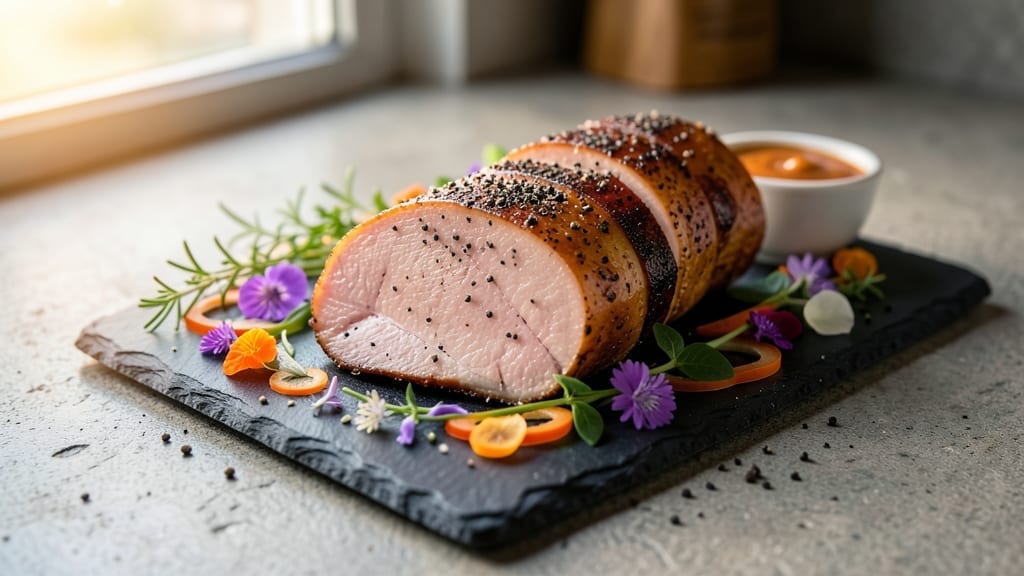
Master this simple recipe for cooking smoked ham to turn a store-bought centerpiece into glazed perfection with crispy edges and juicy cuts. I remember the first time I achieved this balance—it was during a family gathering when the ham became the star of the meal.
The key lies in the right cooking method and a simple glaze that caramelizes beautifully.
This recipe focuses on safe reheating techniques to preserve moisture while creating that coveted crispy exterior. Whether you’re warming a pre-sliced ham or cooking a whole bone-in cut, we’ll cover oven methods, internal temperature guidelines, and resting times to ensure every slice is juicy and flavorful.
The glaze adds a sweet, tangy finish that elevates the ham to restaurant-quality.
By the end, you’ll have a ham that’s golden, caramelized, and perfectly cooked inside—no dry edges or overcooked centers. The glaze locks in moisture while adding a glossy, appetizing sheen. Serve it with classic sides like roasted potatoes or fresh greens for a complete meal that impresses every time.
We’ll also address common concerns like avoiding overcooking and ensuring safe internal temperatures. This method works for both whole hams and pre-sliced versions, making it versatile for holidays or weeknight dinners. Let’s get started on creating your perfect ham!
Ingredients for recipe for cooking smoked ham
A few pantry staples and fresh herbs transform store-bought ham into restaurant-quality glaze perfection.
| Ingredient | Amount | Notes |
|---|---|---|
| Bone-In Smoked Ham 🐷 | 6 lb | Center-cut, pre-cooked, skin-on preferred |
| Honey 🍯 | ½ cup | Raw, thick variety for best glaze |
| Dijon Mustard 🥫 | ¼ cup | Whole-grain preferred for texture |
| Apple Cider Vinegar 🍏 | ¼ cup | Unfiltered for depth of flavor |
| Brown Sugar 🍚 | ½ cup | Lightly packed for even distribution |
| Unsalted Butter 🧈 | ¼ cup | Cold, cubed for even melting |
| Fresh Rosemary 🌿 | ¼ cup | Chopped, stems removed |
| Fresh Thyme 🌿 | 1 tbsp | Leaves only, finely chopped |
| Ground Black Pepper 🌶️ | 1 tsp | Freshly cracked for sharpness |
| Diamond Crystal Kosher Salt 🧂 | 1 tsp | For seasoning glaze |
| Orange Zest 🍊 | 1 tbsp | Fresh, finely grated |
| Orange Juice 🍊 | ¼ cup | Freshly squeezed, no pulp |
| Clarified Butter 🧈 | 2 tbsp | For final basting (optional) |
[recipe_ingredient_scaler]
The ham is your canvas—center-cut, bone-in cuts develop that coveted crispy exterior while staying juicy inside. Costco or Trader Joe’s often carry premium smoked hams with the right fat-to-meat ratio. If buying pre-sliced, check the label for at least 20% fat content—that’s what renders for crispiness. Fresh herbs make all the difference here: rosemary from the farmers market has more aroma than grocery store bundles. I always buy extra because half goes into the glaze and half gets tucked under the skin for extra flavor infusion.
No Dijon mustard? Whole-grain yellow mustard works too, but it won’t have that same velvety texture. Substitute honey with maple syrup if you’re avoiding refined sugar, though the flavor profile shifts slightly. For vinegar, balsamic works in a pinch but lacks the bright acidity. The brown sugar can be swapped for turbinado sugar for a crunchier texture when caramelized. If you’re making this ahead, prepare the glaze components separately and store them in the fridge for up to 1 week—just whisk before using. The orange zest is non-negotiable for that bright finish, but if you’re out, lemon zest gives a close second.
This glaze reheats beautifully—make extra and store it in a jar for future hams or roasted vegetables. The ham itself keeps well in the fridge for 3-4 days after cooking, though it’s best served fresh. For make-ahead convenience, pre-mix the dry ingredients (sugar, spices) in a small container and store with the wet components separately. When ready to cook, simply whisk everything together. The clarified butter for basting? Worth the extra 10 minutes to make—it adds that restaurant-quality sheen without burning. Leftovers? Thin slices make perfect sandwiches or breakfast ham.
Why You’ll Love This Recipe
- No-Fuss Glaze Magic: Honestly, the glaze takes just 10 minutes to prep while the ham rests—no chopping herbs for hours. That honey, Dijon, and apple cider vinegar combo? It dissolves into a glossy, pourable finish in minutes, and the rosemary and thyme steep right in the pan. I’ll be real: my kids think I’m a cooking genius because I can pull this off while watching TV.
- Crave-Worthy Crispy Edge: The final crispy glaze? Chef’s kiss. That 400°F blast with clarified butter turns the edges into something caramelized and crackly—like a cross between a sticky bun and a buttery crust. The orange zest and brown sugar balance the richness of the ham, so every bite is sweet, tangy, and just salty enough. My family always asks for seconds, even when we’re not celebrating.
- Feeds a Crowd (No Stress): This 6-pound bone-in ham is exactly what you need for holidays, game days, or even a lazy Sunday lunch. It serves 8–10 people with leftovers that reheat beautifully—just pop slices in the oven with a splash of water. Between the glaze and the bone, everyone gets seconds, and you won’t hear complaints about dry meat. My in-laws still comment on how “generous” it is.
- Budget-Friendly Luxury: A smoked ham isn’t cheap, but this glaze turns it into a showstopper without breaking the bank. The ingredients? Most are pantry staples, and the fresh herbs (rosemary, thyme) are just a handful—no expensive gourmet stuff. Plus, leftovers make sandwiches, quesadillas, or even ham and cheese platters. I’ve fed a brunch group for under $20 total, and they thought it was a restaurant dish.
Step-by-step instructions for cooking smoked ham
Transform your smoked ham into a showstopper with this foolproof glaze technique.
Prepare the Glaze Base
In a medium saucepan, combine the ½ cup honey, ¼ cup Dijon mustard, ¼ cup apple cider vinegar, and ½ cup brown sugar. Place over medium heat and whisk constantly until the mixture reaches a gentle simmer – about 5 minutes. You’ll notice the sugar begins to dissolve completely, creating a smooth, syrupy consistency.
Real talk: This is where the magic happens. The acidity from the vinegar helps break down the honey’s viscosity, while the mustard adds depth. If you see any sugar grains lingering, keep whisking gently – they’ll dissolve as the mixture heats. Remove from heat once it reaches a thick, pourable consistency, then stir in the ¼ cup chopped fresh rosemary and 1 tablespoon finely chopped fresh thyme. Let this mixture steep for 10 minutes while you prepare the ham.
Season and Glaze the Ham
Preheat your oven to 325°F. Place the 6 lb bone-in smoked ham on a wire rack set inside a roasting pan. This rack position is crucial – it allows hot air to circulate underneath, preventing soggy bottoms. Gently brush the entire surface of the ham with the ¼ cup unsalted butter, making sure to get into all the crevices and around the bone.
Now for the seasoning: Sprinkle the ham evenly with 1 teaspoon ground black pepper, 1 teaspoon Diamond Crystal kosher salt, and 1 tablespoon orange zest. The zest adds a bright citrus note that cuts through the richness of the ham. Pour the prepared glaze mixture over the ham, coating it completely. If any glaze pools at the bottom, tilt the pan to distribute it evenly – you want that sticky, caramelized crust.
Bake with Precision
Transfer the ham to the preheated oven and bake for 1 hour 15 minutes. Here’s the thing – your oven might run hot, so start checking at the 1 hour mark. You’re looking for two key indicators: the internal temperature should reach 140°F when measured at the thickest part of the ham (not touching bone), and the edges should develop a deep amber color with some caramelization.
About 30 minutes into baking, pour the ¼ cup orange juice into the roasting pan. The acidity helps break down any sugar that’s crystallized on the bottom, creating a beautiful caramel sauce. If you notice the glaze thickening too much, you can add 1-2 tablespoons of water to maintain that glossy sheen. The ham is done when it’s firm to the touch and the glaze has thickened into a sticky, lacquer-like finish.
Create the Crispy Finish
Remove the ham from the oven and transfer it to a cutting board. Here’s where we elevate it from good to spectacular: Use the 2 tablespoons clarified butter to brush the entire surface of the ham one final time. The clarified butter adds richness without adding moisture that could steam the crust. Return the ham to the oven for 5-7 minutes at 400°F to crisp the glaze.
Watch this step like a hawk – you want that glaze to turn from amber to deep caramel with some dark spots. The high heat will create those coveted crispy edges while keeping the interior juicy. When the ham develops that beautiful crackly crust, remove it immediately. Let it rest for 15 minutes before slicing – this resting period allows the juices to redistribute, ensuring each slice is moist and flavorful.
Pro Tips For Making Recipe For Cooking Smoked Ham
- Use Cold Butter: DESCRIPTION: That ¼ cup unsalted butter needs to stay cold when you brush it on—cubed and straight from the fridge. I learned this the hard way when melted butter made my glaze slide off instead of cling. Cold butter melts just enough to coat without turning the ham into a steam bath.
- Check at 1 Hour: DESCRIPTION: Your oven lies. Start checking the ham’s internal temp at the 1-hour mark, not waiting for the full 1 hour 15 minutes. The thickest part (not near bone) should hit 140°F—if it’s there early, you’re golden. If not, give it 5 more minutes before panicking.
- Whisk the Glaze Hard: DESCRIPTION: Those sugar grains in the honey-glaze mix won’t dissolve themselves. Whisk like you’re angry at them—constant, vigorous strokes—until the sauce is smooth and syrupy. Skimp here, and you’ll end up with gritty glaze instead of that perfect caramelized crust.
- Save the Orange Juice: DESCRIPTION: Pour that ¼ cup orange juice into the pan at the 30-minute mark—don’t skip it. It’s not just for flavor; it breaks down any crystallized sugar on the bottom, turning it into a glossy, sticky caramel sauce. (Yes, even if you’re impatient like me.)
Make-ahead tips for leftovers
Prep Ahead Glaze Magic
I always prep my glaze components the night before—it’s one of my favorite shortcuts. Combine the ½ cup honey, ¼ cup Dijon mustard, and ¼ cup apple cider vinegar in a jar and store it in the fridge.
The next day, just add the ½ cup brown sugar and heat until simmered. This keeps the honey from crystallizing and makes the final glaze smoother. The herbs steep beautifully overnight too, so your glaze will have deeper flavor by the time you cook. 💛
Ham Prep Timing
If you’re short on time, prep the ham the morning of. Score the fat layer in a crosshatch pattern (about ¼-inch deep) to help the glaze penetrate.
Brush with ¼ cup cold butter and sprinkle the 1 tsp salt and 1 tsp pepper right before baking—this prevents the seasoning from dissolving into the pan. The butter also creates a protective layer that helps the glaze caramelize properly.
Oven Prep for Success
Preheat your oven to 325°F while you prep everything else. Place a wire rack inside your roasting pan—this is non-negotiable for even cooking.
If you’re making this ahead, you can even place the ham on the rack and cover it loosely with foil to keep it warm until you’re ready to glaze. Just make sure it’s at room temperature before baking so it cooks evenly.
Glaze Storage Hacks
Once you’ve made the glaze, store any leftovers in an airtight container in the fridge for up to 1 week. It reheats beautifully over low heat with a splash of water to thin it out.
I also like to freeze extra glaze in ice cube trays—just pop one out when you need a quick finish for roasted veggies or even grilled chicken. The flavors concentrate beautifully when frozen.
Resting Like a Pro
After baking, let the ham rest for 15 minutes before slicing—this is critical for juicy slices. Cover it loosely with foil to keep it warm. If you’re serving a crowd, I recommend slicing it right before plating to keep the edges crisp.
For leftovers, store sliced ham in an airtight container with a damp paper towel to prevent drying out. It reheats perfectly in the oven at 300°F for 10-15 minutes.
Nutrition facts
Frequently asked questions
Why does my ham need to rest before slicing?
Resting for 15 minutes after baking lets the juices redistribute evenly throughout the meat. This prevents dry slices and ensures every bite is moist and flavorful. It’s a simple step that makes all the difference in texture!
Can I use a different type of sugar instead of brown sugar?
Swap brown sugar for turbinado sugar—it caramelizes beautifully and adds a subtle crunch. Just keep an eye on it during baking to avoid burning. Maple syrup also works in a pinch, though the flavor will be slightly different.
What if my glaze thickens too much during baking?
No problem! Add 1-2 tablespoons of water to loosen it up while keeping that glossy finish. The acidity from the orange juice also helps prevent crystallization, so your glaze stays smooth and appetizing.
Is it okay to skip the clarified butter for the final basting?
You can, but you’ll miss out on that restaurant-quality sheen! Clarified butter adds richness without adding moisture, helping the glaze crisp perfectly. Regular butter might steam the crust instead. Worth the extra effort!

Trained in classic French technique but raised on slow-cooked ribs and spicy rubs, she blends culinary skill with smoke and soul.
- Smoked Brisket Recipe: Low and Slow to Fall-Apart Tenderness - November 2, 2026
- Smoked Turkey Breast Recipe: Juicy Pink Center With Crispy Skin Every Time - November 2, 2026
- Leftover Smoked Pulled Pork Chili Recipe: Rustic Flavor Revival in One Pot - November 2, 2026