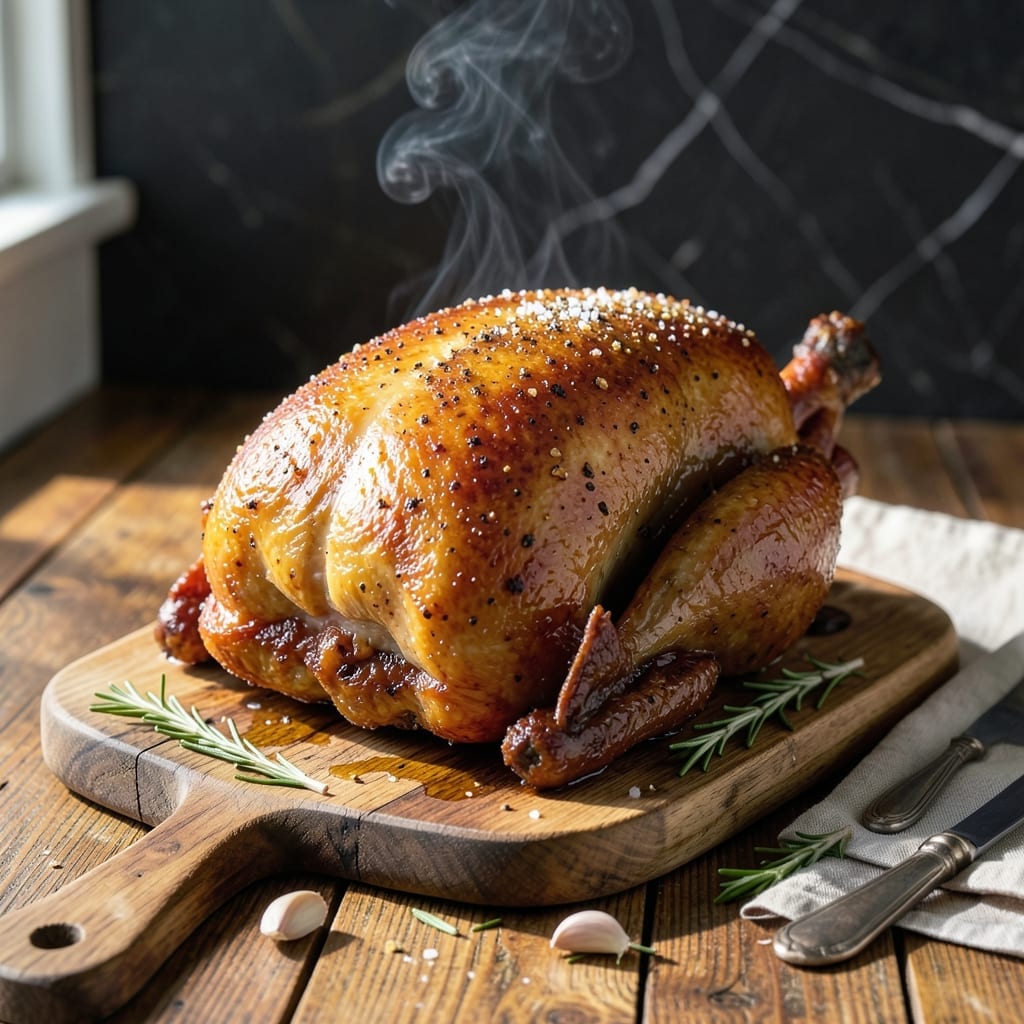
Deep-frying a turkey produces the most crispy skin and juicy meat you can imagine. This method locks in moisture while creating a golden exterior that’s impossible to resist.
I developed this technique after years of experimenting with different cooking methods. The key is maintaining the correct oil temperature and ensuring the turkey is completely thawed before frying.
You’ll achieve perfectly cooked meat with a deep, rich flavor that traditional roasting simply can’t match. The exterior becomes shatteringly crispy while the inside stays succulent.
With proper safety precautions, this method delivers impressive results every time. The process is straightforward once you understand the fundamentals.
Ingredients for Recipe for Deep Fry Turkey
One bird, one pot, and a few spices create that perfect crispy, juicy masterpiece.
| Ingredient | Amount | Notes |
|---|---|---|
| Whole Turkey 🦃 | 12 lb | Completely thawed, neck and giblets removed |
| Peanut Oil 🫒 | 5 lb | Or vegetable oil, enough for frying |
| Kosher Salt 🧂 | 2 tbsp | Diamond Crystal preferred |
| Black Pepper 🌶️ | 2 tsp | Freshly ground for best flavor |
| Garlic Powder 🧄 | 1 tbsp | For dry rub seasoning |
| Onion Powder 🧅 | 1 tbsp | Balances the rub perfectly |
| Paprika 🌶️ | 1 tbsp | Sweet or smoked variety |
| Dried Thyme 🌿 | 1 tsp | Rubbed between fingers to release oils |
| Dried Rosemary 🌿 | 1 tsp | Crushed before adding to rub |
| Cayenne Pepper 🔥 | ½ tsp | Adjust for heat preference |
| Butter 🧈 | ½ cup | Melted, for basting under skin |
| Chicken Broth 🍲 | 2 cups | For injecting into turkey (optional) |
[recipe_ingredient_scaler]
The turkey needs to be fully thawed—no exceptions. 12-14 pounds is the sweet spot for deep frying (larger birds can be tricky). Peanut oil is the gold standard here because of its high smoke point, but vegetable oil works too. Grab it from Costco or Sam’s Club—you’ll need about 5 gallons for a 30-quart pot. Look for a turkey with the neck and giblets already removed to save time.
No peanut oil? Vegetable, canola, or corn oil all have high enough smoke points. Want more flavor in the rub? Swap smoked paprika for regular. No dried herbs? Use fresh at triple the amount, but dry works better for the rub. The broth for injecting is optional but adds serious juiciness (use low-sodium so you can control the seasoning).
Leftovers? They’ll disappear fast, but store them in the fridge for up to 4 days. The oil can be cooled, strained, and reused 2-3 times if stored properly in a cool, dark place. Never leave hot oil unattended—safety first, always.
Why You’ll Love This Recipe
- Set It & Forget: I just season, lower, and let the peanut oil do the work—no basting, no flipping.
- That Crispy Skin: The garlic powder and salt create a golden crust that cracks with every bite.
- Feeds the Whole Crew: One 12-pound bird, and suddenly I’ve got Thanksgiving and leftovers for sandwiches covered.
- Leftovers for Days: Honestly, the turkey tastes even better sliced cold the next morning between two pieces of bread.
Step-by-Step Instructions for Deep Fried Turkey
Here’s my method for achieving that perfect golden crust and tender meat every time.
Step 1: Prepare and Season the Turkey
Start with the 12 lb whole turkey, ensuring it’s completely thawed with neck and giblets removed. Pat it dry inside and out with paper towels—this is crucial for crispy skin and even seasoning. I always check the cavity thoroughly; any moisture left will cause oil to splatter dangerously.
Combine the 2 tbsp kosher salt, 2 tsp black pepper, 1 tbsp garlic powder, 1 tbsp onion powder, 1 tbsp paprika, 1 tsp dried thyme, 1 tsp dried rosemary, and 0.5 tsp cayenne pepper in a bowl. Rub this mixture all over the turkey, including under the skin and in the cavity. Let it sit at room temperature for 30-45 minutes to allow the seasoning to penetrate.
Step 2: Preheat the Oil and Prepare for Frying
Set up your turkey fryer in a well-ventilated outdoor area, away from structures and flammable materials. Fill it with the 5 lb peanut oil—you’ll need enough to fully submerge the turkey. I use a fryer with a built-in thermometer, but if yours doesn’t have one, clip a deep-fry thermometer to the pot’s edge.
Heat the oil to 350°F. This temperature is perfect for achieving that crispy skin without overcooking the meat. While the oil heats, melt the 0.5 cup butter and inject it under the turkey’s skin using a meat injector. For extra juiciness, I also inject some of the 2 cups chicken broth into the breast and thigh meat. This step ensures moisture stays locked in during frying.
Step 3: Fry the Turkey to Golden Perfection
Once the oil reaches 350°F, carefully lower the turkey into the pot using the fryer’s hook or a sturdy basket. Do this slowly to prevent oil from splashing. I wear heat-resistant gloves and safety goggles—safety first, always. The oil temperature will drop when the turkey goes in; adjust the heat to maintain 325-350°F throughout cooking.
Fry the turkey for 3-4 minutes per pound. For a 12 lb turkey, this means about 36-48 minutes total. Check the internal temperature with a meat thermometer inserted into the thickest part of the thigh (not touching bone). You’re aiming for 165°F in the breast and 175°F in the thigh. The skin should be a deep, uniform golden brown when done.
Step 4: Rest and Serve
Carefully remove the turkey from the oil and place it on a wire rack set over a baking sheet. Let it rest for 20-30 minutes before carving. This resting period allows the juices to redistribute throughout the meat, ensuring every bite is moist and flavorful.
I tent the turkey loosely with foil during the first 10 minutes of resting to keep it warm without trapping steam, which could make the skin soggy. Carve the turkey and serve immediately. The result should be juicy, tender meat with a crisp, golden-brown skin that crackles with each cut. The seasoning will have created a flavorful crust that complements the rich, succulent meat perfectly.
Pro Tips For Making Recipe For Deep Fry Turkey
- Check Oil Temp: Use a candy thermometer to keep peanut oil at 350°F—any lower and the turkey will soak up oil, any higher and you risk a burnt outside with raw inside.
- Dry the Turkey: Pat the turkey completely dry inside and out with paper towels before seasoning—I learned this the hard way after my first attempt came out greasy instead of crisp.
- Skip the Stuffing: Never deep fry a stuffed turkey; the filling won’t reach a safe temperature and can cause uneven cooking (or worse, a fire hazard).
- Rest Before Carving: Let the turkey rest 20-30 minutes after frying to redistribute the juices—cutting too soon leaves half the moisture on the cutting board.
Best Sauces and Condiments for This recipe for deep fry turkey
Classic Gravy
Use the turkey drippings (carefully collected from the fryer) to make a rich gravy. I whisk ¼ cup pan drippings with 2 tbsp cornstarch over medium heat until thickened. Add 1 cup chicken broth for depth. 💪
Cranberry Compote
Simmer 12 oz fresh cranberries with ½ cup sugar and ¼ cup orange juice until thick. The tartness cuts through the turkey’s richness beautifully. Stir in 1 tsp orange zest at the end.
Cajun Remoulade
Blend 1 cup mayo, 2 tbsp Creole mustard, 1 tbsp hot sauce, 1 minced garlic clove, and 1 tsp paprika. This Louisiana favorite adds a spicy kick that complements the crispy skin perfectly.
Garlic Aioli
Whisk 1 cup mayo with 3 minced garlic cloves, 1 tbsp lemon juice, and ½ tsp salt. The creamy texture pairs wonderfully with the turkey’s crunch. I use this for dipping and sandwiches.
Spicy Honey Glaze
Combine ½ cup honey with 2 tbsp hot sauce and 1 tbsp apple cider vinegar. Brush on turkey before serving for a sweet-heat finish. This became my family’s favorite after trying it at a Sunday dinner.
Herb Butter
Mix ½ cup softened butter with 1 tbsp chopped parsley, 1 tsp thyme, and 1 minced garlic clove. Serve as a spread for rolls or to melt over sliced turkey. 💫
Nutrition Facts
Frequently Asked Questions
How do I know when the oil is ready?
Use a deep-fry thermometer to check the temperature. It should reach 350°F before adding the turkey. If you don’t have one, drop a pinch of flour into the oil—it should sizzle immediately.
Can I reuse the frying oil?
Yes, you can reuse the oil 2-3 times if strained and stored properly. Let it cool completely, strain out any debris, and keep it in a sealed container in a cool, dark place.
What’s the biggest safety mistake to avoid?
Never overfill the fryer pot. Oil can overflow when the turkey is added, causing dangerous spills or fires. Always follow the manufacturer’s guidelines for maximum oil levels.
How can I ensure the turkey cooks evenly?
Make sure the turkey is fully thawed and patted dry. Lower it slowly into the oil to prevent temperature drops, and maintain 325-350°F throughout cooking for consistent results.

Trained in classic French technique but raised on slow-cooked ribs and spicy rubs, she blends culinary skill with smoke and soul.
- Octopus Recipe Pan Fried: Crispy Edges With Tender Bites - October 3, 2026
- Recipe For Fried Pork Chops In An Iron Skillet: Crispy Crust With Juicy Centers - October 3, 2026
- Recipe for Fully Cooked Spiral Ham: Sweet Glaze and Effortless Elegance - October 3, 2026