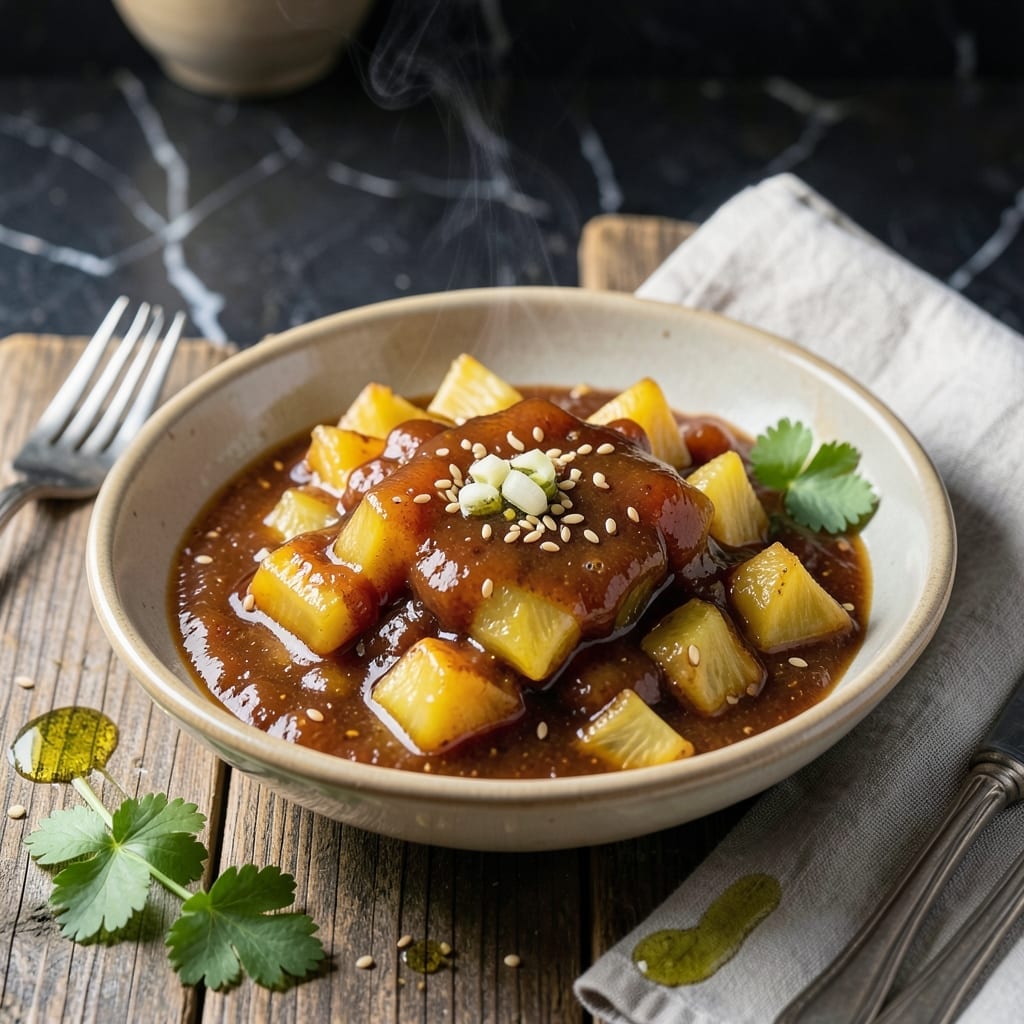
This homemade sauce transforms ordinary dishes into restaurant-quality creations with its perfect balance of tangy and sweet flavors. I developed this version after years of tweaking ratios to achieve that ideal harmony.
The pineapple adds natural brightness that commercial versions often miss. Unlike store-bought options, this recipe lets you control the sweetness and acidity exactly to your taste. The process takes less than 20 minutes from start to finish.
Use it as a dipping sauce, glaze for meats, or dressing for stir-fries. Its versatility makes it a kitchen staple that elevates everything from appetizers to main courses. The flavor deepens as it cools, making it even better the next day.
Store in an airtight container in the refrigerator for up to two weeks. This recipe makes about 2 cups of sauce.
Ingredients for Recipe for Homemade Sweet and Sour Sauce
Nine simple ingredients for that perfect tangy-sweet balance in minutes.
| Ingredient | Amount | Notes |
|---|---|---|
| Crushed Pineapple 🍍 | 1 cup | With juice, canned or fresh |
| Pineapple Juice 🍹 | ½ cup | Reserved from crushed pineapple |
| Apple Cider Vinegar 🍏 | ½ cup | For tangy acidity |
| Brown Sugar 🍚 | ½ cup | Light or dark variety |
| Ketchup 🍅 | ¼ cup | Use organic for cleaner taste |
| Soy Sauce 🫒 | 2 tbsp | Low-sodium or tamari for gluten-free |
| Tomato Paste 🍅 | 1 tbsp | For depth of flavor |
| Garlic Cloves 🧄 | 2 cloves | Minced for pungent kick |
| Fresh Ginger 🌿 | 1 tsp | Grated or minced |
| Red Pepper Flakes 🌶️ | ¼ tsp | Optional for subtle heat |
[recipe_ingredient_scaler]
The pineapple is the soul here. Canned crushed in juice works perfectly—just don’t drain it. Dole or Del Monte are reliable brands. For the vinegar, apple cider gives that classic sweet and sour tang (white vinegar is too harsh). The brown sugar needs to be fresh—if it’s rock hard, it won’t dissolve properly. Domino or C&H are solid choices for consistent quality.
No pineapple juice? Orange juice at half the amount works in a pinch. Swap ketchup for tomato sauce plus vinegar if needed. For gluten-free, tamari replaces soy sauce one-for-one. The garlic and ginger are non-negotiable for depth—fresh only (jarred just doesn’t compare). Want it thicker? Simmer 5 extra minutes. Too sweet? Add extra vinegar 1 tsp at a time.
Sauce keeps 2 weeks in the fridge in a sealed jar. The flavors meld and deepen overnight. Freeze in ice cube trays for 3 months—perfect for quick meals. Always give it a stir before using as the sugar can settle (worth the extra minute).
Why You’ll Love This Recipe
- 5-Minute Mix: No chopping, no fuss—just dump the crushed pineapple, juice, vinegar, sugar, and ketchup in a pot and stir.
- Tangy Sweet Balance: The apple cider vinegar cuts through the brown sugar’s richness, while the crushed pineapple adds a fresh, fruity punch.
- Dinner or Dip: I slather it on chicken one night, then serve it as a dipping sauce for egg rolls the next.
- Pantry Staples: Between us, I always have these ingredients on hand, so it’s a lifesaver when I need a quick flavor boost.
Step-by-Step Instructions for Sweet and Sour Sauce
This method delivers a perfectly balanced sauce with bright pineapple tang and rich sweetness.
Step 1: Combine Wet Ingredients and Sweeteners
In a medium saucepan, whisk together the 1 cup Crushed Pineapple, 0.5 cup Pineapple Juice, 0.5 cup Apple Cider Vinegar, and 0.5 cup Brown Sugar. The brown sugar should dissolve almost immediately as you stir, but if you notice any grains clinging to the bottom, apply gentle heat.
I always use a whisk here rather than a spoon to ensure the tomato paste incorporates smoothly later. The mixture will look thin at first, but don’t worry—that thick, glossy texture comes during the simmer. Bring this to a gentle boil over medium-high heat, stirring occasionally.
Step 2: Add Depth with Umami Ingredients
Once boiling, reduce heat to medium and stir in the 0.25 cup Ketchup, 2 tbsp Soy Sauce, and 1 tbsp Tomato Paste. The tomato paste is key—it adds body and a subtle cooked depth that balances the brightness of the pineapple.
Watch for the color to deepen to a rich amber as the ingredients meld. This usually takes 2-3 minutes of gentle simmering. You’ll notice the sauce starting to thicken slightly at the edges of the pan. If it bubbles too vigorously, reduce heat slightly to maintain a steady simmer.
Step 3: Infuse with Aromatics
Add the 2 cloves Garlic Cloves (minced) and 1 tsp Fresh Ginger to the saucepan. Stir immediately to distribute them evenly—they’ll sizzle briefly as they hit the hot liquid. Let them cook for exactly 1 minute to mellow their raw edge without letting them turn bitter.
Here’s the thing—fresh ginger can vary in intensity. If yours is particularly pungent, you might want to reduce the amount slightly, but stick to the full teaspoon for the authentic flavor profile. The garlic should become fragrant but not brown. If you see any browning on the bottom of the pan, lower the heat immediately.
Step 4: Season and Thicken to Perfection
Sprinkle in the 0.25 tsp Red Pepper Flakes and stir well. This amount adds a whisper of heat that enhances the other flavors without overwhelming the sauce’s sweet-tart balance. Let the sauce simmer for 8-10 minutes, stirring occasionally.
You’re aiming for a consistency that coats the back of a spoon but still drizzles easily. If it thickens too much before the 10-minute mark, add a splash of water. The sauce should reduce by about a third and develop a glossy sheen. Taste and adjust seasoning if needed, though the measured ingredients usually hit the perfect balance.
Step 5: Cool and Serve
Remove the saucepan from heat and let the sauce cool to room temperature. It will thicken slightly more as it cools. This step takes about 20 minutes at room temperature, or 10 minutes in the refrigerator if you’re in a hurry.
The flavors meld beautifully during this resting period. Once cooled, transfer to a jar or serving dish. This sauce keeps well in the refrigerator for up to 2 weeks, though I doubt it’ll last that long. The yield perfectly coats dishes for 4 servings, whether you’re dipping, drizzling, or tossing.
Pro Tips For Making Recipe For Homemade Sweet And Sour Sauce
- Simmer Low and Slow: I learned this the hard way—boiling this sauce too fast makes the brown sugar burn. Keep it at a gentle simmer for 10-12 minutes to let the flavors meld without scorching.
- Strain the Pineapple: After burning three batches, I finally figured out that crushed pineapple pulp can make the sauce too thin. Strain it first for a smoother, thicker texture.
- Balance the Vinegar: Sounds weird, but it works: taste before adding all the apple cider vinegar. Some brands are sharper than others, and you might need less than the recipe calls for.
- Use Fresh Pineapple Juice: My grandmother swore by this, and she was right: fresh pineapple juice (not canned) adds a brighter, more vibrant flavor to the sauce.
Wine and Beer Pairings for This Recipe
Crisp White Wines
I love pairing this sauce with a German Riesling Kabinett—its bright acidity and touch of sweetness mirror the sauce’s tangy profile beautifully. A Sauvignon Blanc from New Zealand also works wonders with its citrus notes. 🍷
Light Red Options
A slightly chilled Beaujolais offers red fruit flavors that complement the pineapple without overpowering. The light tannins in Pinot Noir also pair nicely if you prefer red wine with your meal.
Beer Pairings
For beer lovers, a Belgian Witbier with its citrus and coriander notes enhances the sauce’s brightness. An American Wheat Ale also provides a clean, crisp contrast to the sweet and tangy flavors. 🍺
Non-Alcoholic Choices
Sparkling water with lime or lemon cleanses the palate between bites. A ginger beer adds a spicy kick that plays well with the sauce’s sweetness and acidity.
Dessert Wines
If you’re feeling adventurous, try a Moscato d’Asti—its light effervescence and peach notes create an unexpected but delightful pairing. The subtle sweetness harmonizes with the sauce’s pineapple base.
Nutrition Facts
Frequently Asked Questions
Can I use fresh pineapple instead of canned?
Use 1 cup finely chopped fresh pineapple plus 0.5 cup of its juice. The fresh version will have a brighter, more vibrant flavor but may need a touch more sugar to balance the acidity.
How can I make this sauce thicker?
Simmer it for an extra 5 minutes beyond the recommended time. For a quick fix, mix 1 tsp cornstarch with 1 tbsp water and stir it in during the final 2 minutes of cooking.
What dishes pair best with this sauce?
It’s perfect for dipping spring rolls or egg rolls. Also try it as a glaze for grilled chicken or shrimp, or toss with stir-fried veggies for an instant flavor boost.
Why does my sauce taste too sweet?
Balance it by adding extra vinegar 1 tsp at a time until the tanginess shines through. A pinch of salt can also help round out the flavors.

Trained in classic French technique but raised on slow-cooked ribs and spicy rubs, she blends culinary skill with smoke and soul.
- Recipe for Boneless Pork Chops in Cast Iron Skillet: Sear and Baste to Juicy Perfection - October 3, 2026
- Recipe for Boneless Cross Rib Roast: Slow-Roasted Beef with Herb Crust - October 3, 2026
- Hamburgers in Sauce Recipe Crock Pot: Slow-Cooked Savory Delight - October 3, 2026