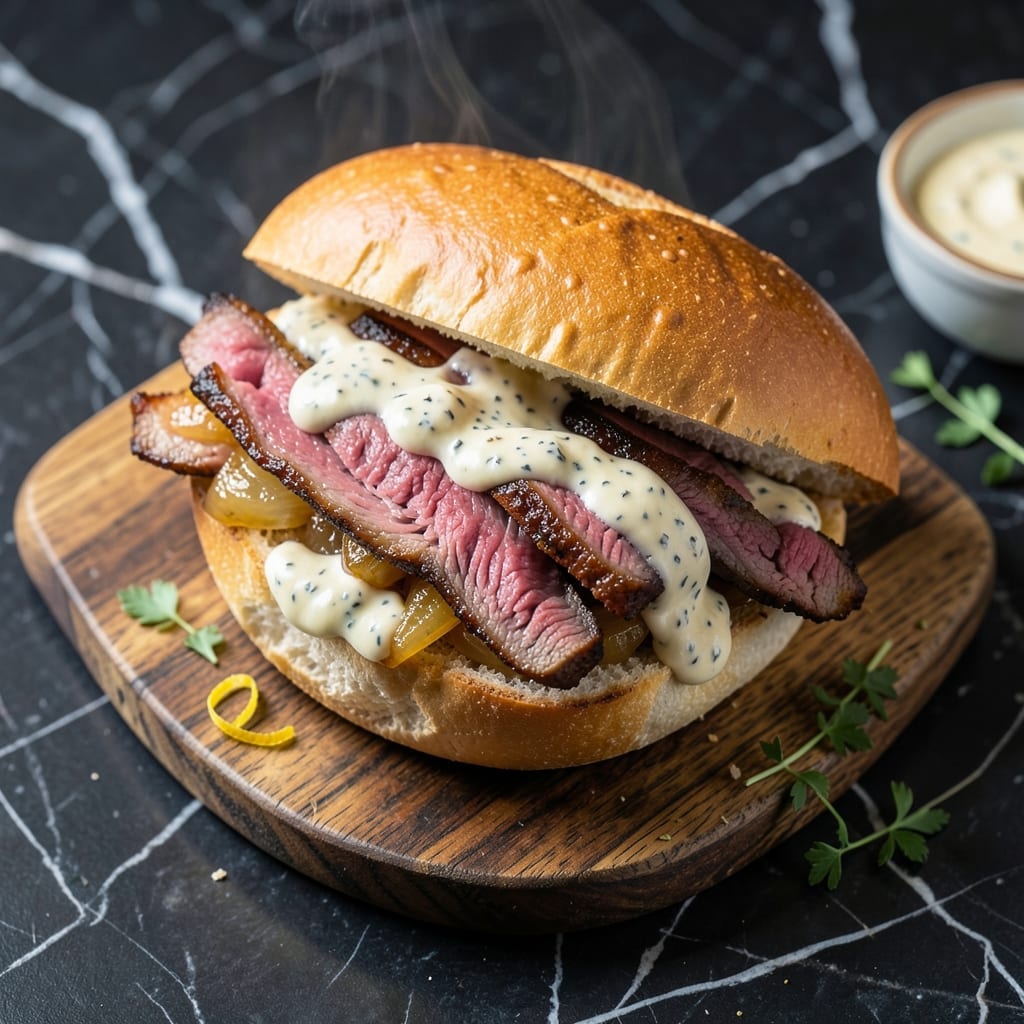
Transforming leftover prime rib into new meals is one of the most satisfying kitchen challenges I tackle regularly. The rich, beefy flavor of this cut deserves a second act that does it justice.
Whether you’re crafting a gourmet sandwich with caramelized onions and horseradish mayo or building a hearty stew with root vegetables, the key is working with the meat’s existing doneness. This approach ensures every bite remains tender and flavorful.
I’ve tested these methods in my own kitchen, deliberately pushing the boundaries to find the most forgiving techniques. The results speak for themselves—meals that taste intentional, not like leftovers.
From elegant open-faced creations to comforting one-pot dishes, these ideas will have you looking forward to prime rib leftovers as much as the original meal.
Ingredients for Recipe Ideas for Leftover Prime Rib Roast
Rich prime rib gets a second life with pantry staples and fresh herbs.
| Ingredient | Amount | Notes |
|---|---|---|
| Leftover Prime Rib 🥩 | 2 lb | Thinly sliced against the grain |
| Sourdough Bread 🍞 | 8 slices | Fresh or lightly toasted |
| Yellow Onions 🧅 | 2 whole | Thinly sliced for caramelizing |
| Prepared Horseradish 🌿 | ½ cup | For spicy mayo blend |
| Mayonnaise 🥚 | ½ cup | Full-fat for best texture |
| Beef Stock 🍲 | 4 cups | Low-sodium preferred |
| Carrots 🥕 | 3 whole | Peeled and diced |
| Parsnips 🥕 | 2 whole | Peeled and diced |
| Yukon Gold Potatoes 🥔 | 3 whole | Cubed for stew |
| Fresh Thyme 🌿 | 2 tbsp | Chopped, stems discarded |
| Garlic Cloves 🧄 | 6 cloves | Minced for depth of flavor |
| Tomato Paste 🍅 | 2 tbsp | For stew richness |
| Dijon Mustard 🟡 | 2 tbsp | For sandwich spread |
| Butter 🧈 | 4 tbsp | Unsalted for caramelizing |
| Olive Oil 🫒 | 3 tbsp | Extra-virgin for cooking |
[recipe_ingredient_scaler]
The prime rib is the star here—use what you have left from last night’s dinner (the good stuff, not the dried-out ends). For the sourdough, a local bakery loaf makes all the difference, but grocery store works in a pinch. The onions need to be yellow for proper caramelization—sweet onions will do too, but avoid red. Costco has great prices on beef stock if you’re making this often.
No horseradish? Extra Dijon mustard adds a similar kick to the mayo. Short on thyme? Rosemary at half the amount works well. Swap parsnips for celery root if that’s what’s in your fridge (same cooking time). The tomato paste can be from a can or those Trader Joe’s squeeze tubes—no waste, keeps forever.
Prime rib leftovers stay good for 3-4 days in the fridge. The stew actually improves overnight. Freeze portions for up to 3 months—perfect for busy nights when you need dinner fast.
Why You’ll Love This Recipe
- 5-Minute Assembly: I just pile the prime rib on sourdough, add horseradish mayo, and we’re eating. Honestly, it’s faster than making a sandwich.
- Umami Bomb: The caramelized onions and prime rib juices soak into the bread—ridiculously good with that horseradish kick.
- Feeds a Crowd: I’ve served these open-faced to hungry friends and had zero leftovers. Between us, it’s my go-to for last-minute gatherings.
- Zero Waste: Using every slice of leftover prime rib means nothing goes to waste, and my wallet thanks me.
Step-by-Step Instructions for Leftover Prime Rib Creations
Transform your leftovers into two stunning dishes with these simple yet sophisticated techniques.
Step 1: Craft the Ultimate Prime Rib Sandwich
Begin by mixing the 0.5 cup mayonnaise with 0.5 cup prepared horseradish and 2 tbsp Dijon mustard in a small bowl. The horseradish should be well-incorporated but still visible as fine specks throughout the creamy base.
Lightly toast the 8 slices sourdough bread if desired. Spread a generous layer of the horseradish mayo on each slice. Arrange the 2 lb leftover prime rib, thinly sliced against the grain, on four slices, dividing it evenly. Top with the remaining bread slices, press gently, and cut diagonally for that classic deli presentation.
Step 2: Caramelize the Onions for Depth
Thinly slice the 2 whole yellow onions. In a large skillet, melt 4 tbsp butter over medium-low heat. Add the onions and cook for 30-40 minutes, stirring occasionally, until they turn a deep amber color and develop a sweet, jam-like consistency.
Watch for the onions to first soften and release their moisture, then reduce and caramelize. If they start to stick, add a splash of water and scrape up any browned bits. This low-and-slow method ensures even cooking without burning. The onions should be tender and glossy, with a rich, concentrated flavor.
Step 3: Build the Hearty Beef Stew Base
In a large pot, heat 3 tbsp olive oil over medium-high heat. Add the diced 3 whole carrots, 2 whole parsnips, and 3 whole Yukon Gold potatoes. Sauté for 5 minutes until the vegetables begin to soften and develop some color.
Stir in the 2 tbsp tomato paste and 6 cloves minced garlic cloves, cooking for 1-2 minutes until fragrant. This step deepens the flavor base of your stew. Add the 4 cups beef stock and 2 tbsp fresh thyme, then bring to a simmer.
Step 4: Finish and Serve the Stew
Once the vegetables are tender (about 20-25 minutes), add the remaining leftover prime rib, chopped into bite-sized pieces. Simmer for an additional 5-10 minutes to allow the flavors to meld and the beef to warm through without becoming tough.
Taste and adjust seasoning if needed. The stew should have a rich, velvety texture with vegetables that are tender but still hold their shape. Serve hot in deep bowls, garnished with a sprinkle of fresh thyme for a pop of color and aroma.
Pro Tips For Making Recipe Ideas For Leftover Prime Rib Roast
- Slice Against the Grain: Thinly slice the leftover prime rib against the grain for tender sandwich fillings—I learned this the hard way after chewing through a few tough bites.
- Toast the Bread: Lightly toast the sourdough before assembling to prevent sogginess from the horseradish mayo, about 2-3 minutes in a hot pan or toaster.
- Drain the Onions: After caramelizing the yellow onions, let them sit in a strainer for a minute to remove excess moisture that could make your sandwich watery.
- Mix Mayo Last: Fold the prepared horseradish into the mayonnaise just before spreading—sounds weird, but it keeps the kick fresh and prevents separation.
Common Mistakes When Making This Recipe
Overcooking the Meat
Prime rib leftovers are already cooked, so adding them too early to hot liquid can turn the meat tough and stringy. I always add the beef during the last 5-10 minutes of cooking to just warm through. This preserves that tender texture we all love from the original roast.
Skipping the Caramelization
Rushing the onions is a mistake I made early on. They need that full 30-40 minutes on medium-low heat to develop their sweet, jammy depth. Anything less and your sandwiches will taste flat. Trust me, the wait is worth it. 🌡️
Using the Wrong Bread
Soft sandwich bread can’t handle the rich juices from prime rib and horseradish mayo. I learned this the hard way with a soggy disaster. Always go for sturdy sourdough or a crusty Italian loaf that can stand up to the fillings.
Overloading the Sandwich
It’s tempting to pile on all the meat, but that leads to structural failure. I recommend 4-5 oz per sandwich for the perfect meat-to-bread ratio. This ensures each bite has all the components without falling apart.
Neglecting the Stew Base
Don’t just dump everything in at once. Sautéing the carrots, parsnips, and potatoes first builds a flavor foundation. I always add the tomato paste and garlic after the veggies soften to develop their aromas properly.
Ignoring the Grain
For sandwiches, always slice the prime rib against the grain. This shortens the muscle fibers for maximum tenderness. I use a sharp 12-inch chef’s knife and cut at a 45-degree angle for those perfect deli-style slices. 💡
Nutrition Facts
Frequently Asked Questions
Can I use pre-sliced prime rib from the store?
Yes, but slice it thinner against the grain for sandwiches. Store-bought slices are often thicker than ideal.
How long will the stew keep in the fridge?
It stays fresh for 3-4 days and actually tastes better the next day as flavors meld. Freeze portions for up to 3 months.
What can I substitute for horseradish?
Extra Dijon mustard works well, or try a dash of hot sauce for a different kind of kick.
Can I make the onions ahead of time?
Caramelized onions keep in the fridge for 5 days or can be frozen for 3 months. Reheat gently before using.

Trained in classic French technique but raised on slow-cooked ribs and spicy rubs, she blends culinary skill with smoke and soul.
- Recipe for Boneless Pork Chops in Cast Iron Skillet: Sear and Baste to Juicy Perfection - October 3, 2026
- Recipe for Boneless Cross Rib Roast: Slow-Roasted Beef with Herb Crust - October 3, 2026
- Hamburgers in Sauce Recipe Crock Pot: Slow-Cooked Savory Delight - October 3, 2026