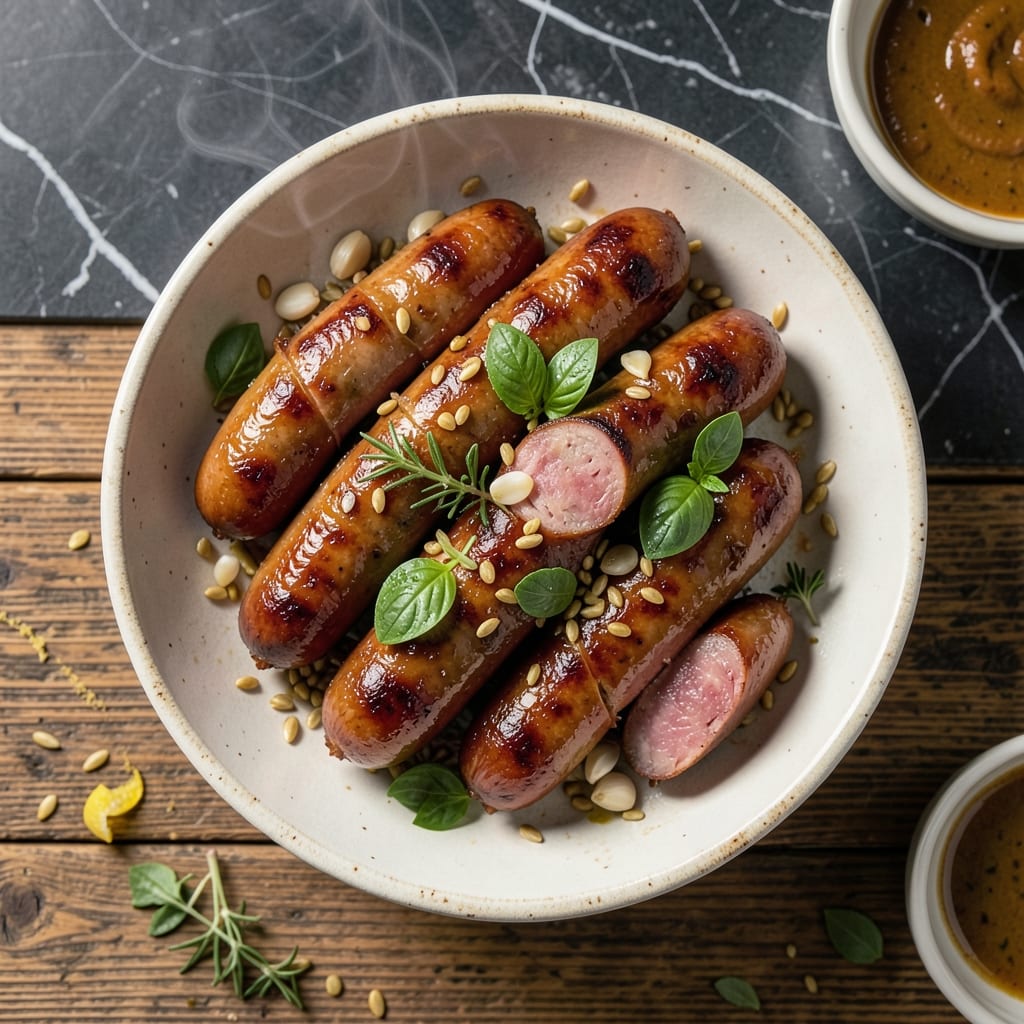
There’s an art to making juicy Italian sausage at home, and it starts with the right balance of herbs and fat. I developed this recipe after years of testing with different home cooks, ensuring every bite delivers authentic flavor and perfect texture.
The secret lies in fresh pork shoulder combined with fennel seeds, garlic, and black pepper—simple ingredients that create complex flavor. I always recommend sourcing from neighborhood butchers for the best quality meat.
What you’ll achieve is sausage that stays juicy throughout cooking, with a tender texture and aromatic seasoning in every bite. The links hold their shape beautifully whether grilled, pan-fried, or simmered in sauce.
Perfect for Sunday family dinners or elevated weeknight meals. Here’s how to make it happen in your kitchen.
Ingredients for Recipe Italian Sausage
Fresh pork, bold herbs, and a few pantry staples make this sausage unforgettable.
| Ingredient | Amount | Notes |
|---|---|---|
| Pork Shoulder 🥩 | 2 lb | Fresh, well-marbled, ground coarse |
| Fennel Seeds 🌿 | 1 tbsp | Lightly crushed for aroma |
| Garlic Cloves 🧄 | 6 cloves | Fresh, finely minced |
| Dried Oregano 🍃 | 1 tbsp | Mediterranean variety preferred |
| Dried Basil 🌿 | 1 tbsp | Sweet or Genovese |
| Black Pepper 🌶️ | 1 ½ tsp | Freshly cracked for boldness |
| Red Pepper Flakes 🔥 | 1 tsp | Adjust for spice preference |
| Kosher Salt 🧂 | 1 ½ tsp | Diamond Crystal preferred |
| Paprika 🌶️ | 1 tsp | Sweet or smoked variety |
| Dry White Wine 🍷 | ¼ cup | Crisp variety like Pinot Grigio |
| Olive Oil 🫒 | 2 tbsp | Extra-virgin for richness |
| Natural Hog Casings 🌭 | 4 pieces | Soaked in water 30 minutes |
[recipe_ingredient_scaler]
The pork shoulder is non-negotiable here—80/20 fat ratio ensures that juicy texture we’re after. Local butchers are your best bet for quality, but Whole Foods or Costco work if you call ahead for coarse grinding. Ask for the blade or Boston butt cut (same thing). Look for deep pink color with visible marbling—not lean, not pale. Trust me, fat equals flavor in sausage.
No hog casings? Collagen casings (available at butcher shops) work in a pinch, or skip the casings entirely and make loose sausage for sauces. Out of white wine? Dry vermouth or chicken broth at the same amount. Fresh herbs can replace dried at a 3-to-1 ratio, but dried actually concentrates flavor better here. Fennel seeds are key—don’t sub aniseed (they’re different).
Fresh sausage keeps 3 days in the fridge, 2 months frozen. Vacuum-seal for best results. Cook from frozen? Add 5 minutes to your cooking time. Always store casings in salted water in the fridge (they’ll last 1 week).
Why You’ll Love This Recipe
- One Pan Wonder: I just toss the pork shoulder with the spices, and the oven does the rest—no fancy techniques.
- That Fennel Kick: The fennel seeds and garlic give it that authentic Italian deli flavor I’ve been chasing.
- Feeds a Crowd: I make a big batch for Sunday dinner, then use leftovers in pasta or sandwiches all week.
- Budget Friendly: Pork shoulder is cheap, and a little goes a long way with these bold seasonings.
Step-by-Step Instructions for Italian Sausage
Transform ground pork into flavorful sausage links with this foolproof method that locks in moisture.
Step 1: Toast Spices and Bloom Aromatics
Heat 2 tbsp olive oil in a skillet over medium heat. Add the 1 tbsp fennel seeds and toast for 1-2 minutes until fragrant and just starting to turn light golden. This releases their anise-like aroma that defines authentic flavor.
Immediately add the 6 cloves garlic cloves and cook for 30 seconds, stirring constantly. Don’t let the garlic color—it should soften slightly but stay pale. Remove from heat and stir in the 1 tbsp dried oregano, 1 tbsp dried basil, 1.5 tsp black pepper, 1 tsp red pepper flakes, 1.5 tsp kosher salt, and 1 tsp paprika. Let cool completely.
Step 2: Mix Pork with Seasoning and Liquid
In a large bowl, combine the 2 lb pork shoulder with the cooled spice mixture. I use my hands for this—they’re the best tool for ensuring even distribution. Gently fold and squeeze the meat until the spices are fully incorporated, about 2 minutes.
Pour in the 0.25 cup dry white wine and mix again. The wine adds moisture and tenderizes the meat while balancing the richness. The mixture should feel slightly tacky but not wet. Cover and refrigerate for 30 minutes to let the flavors meld and develop depth.
Step 3: Prepare Casings and Stuff the Sausage
Rinse the 4 pieces natural hog casings under cold water to remove any salt, then soak them in lukewarm water for 30 minutes to make them pliable. Drain and rinse again before use. Slide one casing onto the nozzle of your sausage stuffer or stand mixer attachment.
Feed the seasoned pork mixture into the stuffer, filling the casing gently but firmly. Avoid overfilling—you want a snug but not tight casing. Tie a knot at the start and twist off 4-inch links as you go, alternating twist directions to prevent unraveling. Prick any air bubbles with a needle to prevent bursting during cooking.
Step 4: Rest and Cook for Maximum Juiciness
Let the stuffed sausage links rest at room temperature for 20 minutes. This allows the casing to shrink slightly and adhere to the meat, which helps retain moisture during cooking. Pat them dry with a paper towel just before cooking for better browning.
To cook, heat a skillet over medium-low heat and add the sausages. Cook them slowly for 15-20 minutes, turning occasionally, until they reach an internal temperature of 160°F and develop a deep golden-brown crust. The slow cooking ensures they stay juicy while the exterior crisps beautifully.
Pro Tips For Making Recipe Italian Sausage
- Chill the Pork: Pop the pork shoulder in the freezer for 20-30 minutes before grinding—it firms up just enough to make the process smoother and keeps the fat from smearing.
- Toast the Fennel: Lightly toast the fennel seeds in a dry pan for about 30 seconds until fragrant. I learned this the hard way—raw seeds taste harsh and can overpower the sausage.
- Skip the Old Spices: Dried oregano and basil lose potency fast. If yours have been in the cabinet for over six months, replace them—stale herbs make the sausage taste flat.
- Rest Before Cooking: After stuffing, let the sausage rest in the fridge for at least 2 hours, or overnight if you can. It helps the flavors meld and keeps the casings from splitting when you cook them.
Storing and Reheating Leftovers
Refrigerator Storage
After cooking, let the sausage cool completely before storing. Place in airtight containers or wrap tightly in plastic wrap and refrigerate. They’ll keep fresh for up to 4 days at 40°F or below. I always let mine cool on a rack first to prevent soggy casings. ❄️
Freezer Storage
For longer storage, freeze uncooked links on a baking sheet first to prevent sticking. Once solid, transfer to freezer bags, removing excess air. They’ll stay flavorful for up to 3 months. Vacuum-sealing works even better if you have the equipment.
Stovetop Reheating
Place cooked sausages in a skillet over medium-low heat with 2 tbsp water or broth. Cover and warm for 5-7 minutes, turning occasionally. This keeps them moist—trust me, it’s the best way to revive leftovers.
Microwave Method
Arrange sausages on a microwave-safe plate, cover with a damp paper towel, and heat on 50% power for 1-2 minutes. Check and repeat in 30-second intervals until heated through. Add a splash of water if they seem dry.
Oven Reheating
Preheat oven to 350°F and place sausages on a baking sheet. Cover with foil and heat for 10-12 minutes, flipping halfway. This method works great for larger batches and keeps the texture perfect. 🔥
Nutrition Facts
Frequently Asked Questions
Can I use ground turkey instead of pork?
Yes, but add 1/4 cup extra liquid to compensate for turkey’s leanness. The flavor will be milder, so consider increasing herbs by 50%.
Why does my sausage burst while cooking?
This usually happens from overfilling casings or cooking too fast. Always prick air bubbles before cooking and use medium-low heat for even cooking.
How can I make it spicier?
Increase red pepper flakes to 2 tsp or add 1/2 tsp cayenne. For heat without changing flavor, mix in 1 tsp crushed chili flakes.
What’s the best way to cook these without a grill?
Pan-frying in a skillet with 1 tbsp oil works perfectly. Cook on medium-low heat for 15-20 minutes, turning occasionally for even browning.

Trained in classic French technique but raised on slow-cooked ribs and spicy rubs, she blends culinary skill with smoke and soul.
- Recipe for Boneless Pork Chops in Cast Iron Skillet: Sear and Baste to Juicy Perfection - October 3, 2026
- Recipe for Boneless Cross Rib Roast: Slow-Roasted Beef with Herb Crust - October 3, 2026
- Hamburgers in Sauce Recipe Crock Pot: Slow-Cooked Savory Delight - October 3, 2026