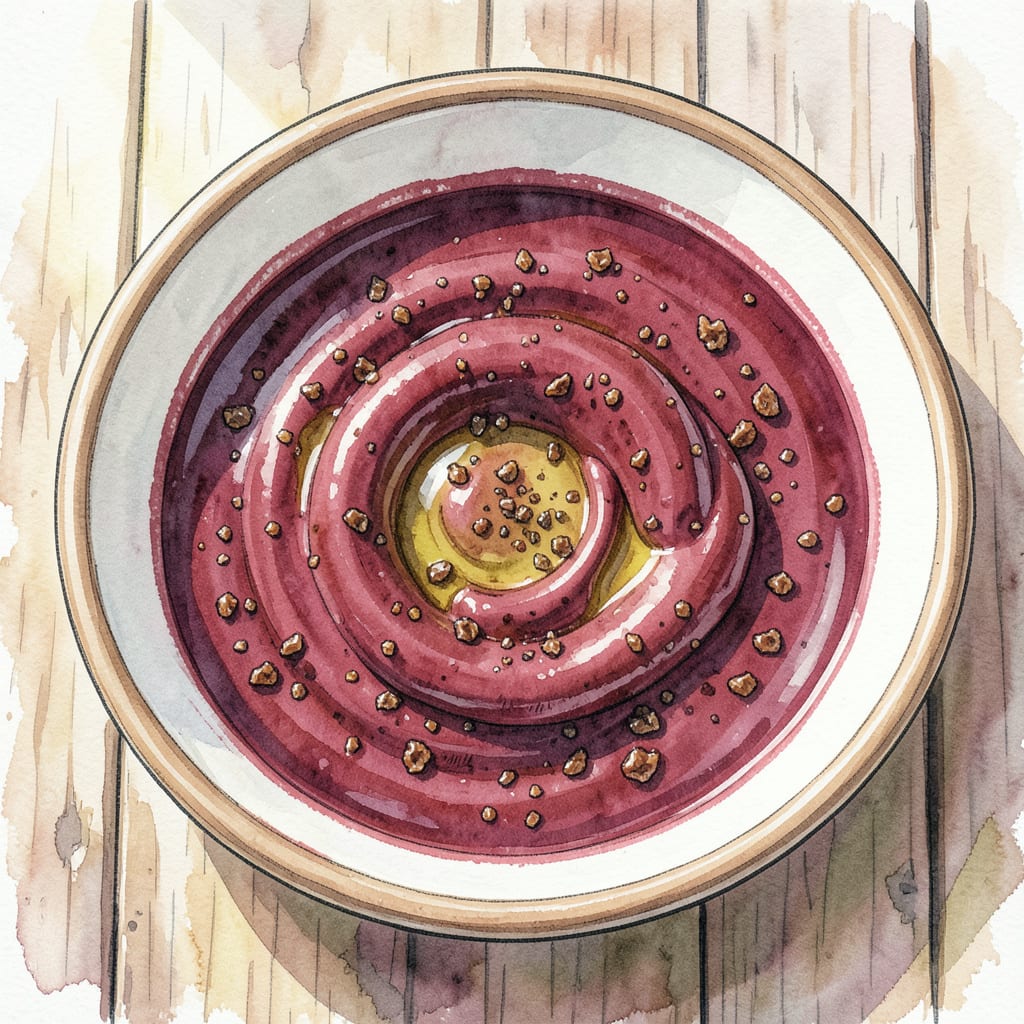
As a pitmaster, I know the secret to tender, flavorful grilled meats lies in the marinade. My red wine BBQ marinade combines the richness of red wine with classic BBQ spices to create a deep, complex flavor profile that’s perfect for slow-cooked meats.
This marinade is incredibly versatile – use it for ribs, brisket, or even chicken. With ingredients you likely have on hand, it’s ready in just 5 minutes. Store it in the fridge for up to 2 weeks, allowing the flavors to meld together beautifully.
Ingredients for Red Wine Bbq Marinade
Quick, versatile, and packed with flavor – this marinade is a game-changer for grilled meats.
| Ingredient | Amount | Notes |
|---|---|---|
| Red Wine 🍷 | 1 cup | Dry red wine like Cabernet or Merlot |
| Apple Cider Vinegar 🥃 | ½ cup | Or white wine vinegar as substitute |
| Olive Oil 🫒 | ¼ cup | Extra-virgin for richness |
| Worcestershire Sauce 🧂 | 2 tbsp | Adds depth of flavor |
| Brown Sugar 🍮 | 2 tbsp | Dark brown for more molasses flavor |
| Smoked Paprika 🌶️ | 1 tbsp | Regular paprika works too |
| Garlic Powder 🧄 | 1 tbsp | Not garlic salt |
| Onion Powder 🧅 | 1 tbsp | Dehydrated onion flavor |
| Black Pepper 🌶️ | 1 tsp | Freshly ground preferred |
| Salt 🧂 | 1 tsp | Kosher or sea salt |
[recipe_ingredient_scaler]
The red wine is the star here. Cabernet Sauvignon or Merlot work beautifully – whatever’s on hand. For the Worcestershire, Annie’s Organic is a great option if you’re looking for a cleaner label. Most grocery stores carry everything you need, but if you’re looking for smoked paprika, check the spice aisle or online.
No apple cider vinegar? White wine vinegar or even lemon juice can work in a pinch. The smoked paprika gives a nice BBQ vibe, but regular paprika is fine if that’s what you’ve got. For a little extra kick, add some red pepper flakes – start with a pinch and adjust to taste. This marinade is pretty flexible, so feel free to adjust the seasonings to your liking.
This keeps in the fridge for up to 2 weeks – actually gets better with time as the flavors meld. Store it in an airtight container, give it a good shake before using. Perfect for prepping ahead for a big cookout or weekly meals. Makes about 2 cups of marinade, so you’ve got plenty to go around.
Step-by-Step Instructions for Red Wine BBQ Marinade
Let’s create this rich and flavorful marinade that will elevate your grilled meats to the next level.
Step 1: Combine Wet Ingredients
In a medium bowl, whisk together the 1 cup Red Wine, 0.5 cup Apple Cider Vinegar, and 0.25 cup Olive Oil until well combined. You’ll notice the mixture starts to emulsify, creating a smooth and slightly thickened consistency. This blend forms the base of our marinade, providing both acidity and richness that will tenderize and flavor your meats.
The red wine adds a deep, complex flavor profile while the apple cider vinegar provides a tangy contrast. The olive oil helps to balance these flavors and adds a silky texture to the marinade. As you whisk, you’ll see the ingredients come together in a harmonious mixture that’s both savory and slightly sweet.
Step 2: Add Dry Ingredients and Spices
Add the 2 tbsp Brown Sugar, 2 tbsp Worcestershire Sauce, 1 tbsp Smoked Paprika, 1 tbsp Garlic Powder, and 1 tbsp Onion Powder to the wet ingredients. Whisk until the dry ingredients are fully incorporated and the mixture is smooth. You’ll notice the sugar dissolves into the liquid, creating a uniform texture.
The combination of brown sugar and Worcestershire sauce adds depth and umami flavor, while the smoked paprika provides a subtle smokiness. The garlic and onion powders contribute savory notes that will enhance the natural flavors of your grilled meats. As you whisk, the aroma will become more complex and inviting.
Step 3: Season and Finalize the Marinade
Add the 1 tsp Black Pepper and 1 tsp Salt to the marinade and whisk to combine. Taste the marinade and adjust the seasoning if needed. The black pepper adds a sharp, peppery note, while the salt enhances all the other flavors and helps to tenderize the meat.
At this point, your marinade should be well-balanced and aromatic. You can store it in an airtight container in the refrigerator for up to 1 week. When you’re ready to use it, simply pour the marinade over your chosen meat (such as steak, chicken, or pork) in a resealable plastic bag or shallow dish. Make sure the meat is coated evenly, then refrigerate for at least 2 hours or overnight for maximum flavor penetration.
Regional Styles of This Recipe
Southern Style Variations
In the South, we love our BBQ with a deep red color and tangy vinegar kick. To achieve this, I add 2 tablespoons of Carolina-style BBQ sauce to the marinade, which gives it that signature flavor. You can use a vinegar-based sauce like Morris BBQ for an authentic touch. The result is a marinade that’s both tangy and rich, perfect for slathering on pulled pork or ribs. 🌶️
Texas-Style Adaptations
Texans take their beef seriously, and this marinade pairs beautifully with brisket or flank steak. To give it a Texas twist, I substitute the apple cider vinegar with 1/4 cup of Texas-style beef broth, adding a meaty depth. You can also add a pinch of chili powder for an extra kick. This version is perfect for slow-cooking and develops a fantastic crust on the meat. 🔥
Kansas City-Style Enhancements
Kansas City BBQ is known for its thick tomato-based sauces, so I add 1/4 cup of Kansas City-style BBQ sauce to the marinade. This gives it a sweeter, more complex flavor profile. You can use Gates Bar-B-Q or a similar brand for authenticity. The result is a marinade that’s both tangy and slightly sweet, ideal for burnt ends or ribs. 🍖
Memphis-Style Dry Rub Variation
Memphis pitmasters often use dry rubs, but we can adapt this marinade to fit that style. I reduce the liquid ingredients to 1/2 cup and add 2 tablespoons of Memphis-style dry rub. This creates a thicker, more paste-like marinade that’s perfect for rubbing onto pork ribs or shoulders. The dry rub adds a nice texture and concentrated flavor. 🌟
Regional Ingredient Swaps
One of the best things about this marinade is its flexibility. Depending on the region, you can swap out ingredients for local flavors. For example, in California, you might add some chipotle peppers for a smoky heat, while in the Carolinas, you could use mustard-based BBQ sauce for a tangy kick.

Trained in classic French technique but raised on slow-cooked ribs and spicy rubs, she blends culinary skill with smoke and soul.
- Recipe for Boneless Pork Chops in Cast Iron Skillet: Sear and Baste to Juicy Perfection - October 3, 2026
- Recipe for Boneless Cross Rib Roast: Slow-Roasted Beef with Herb Crust - October 3, 2026
- Hamburgers in Sauce Recipe Crock Pot: Slow-Cooked Savory Delight - October 3, 2026