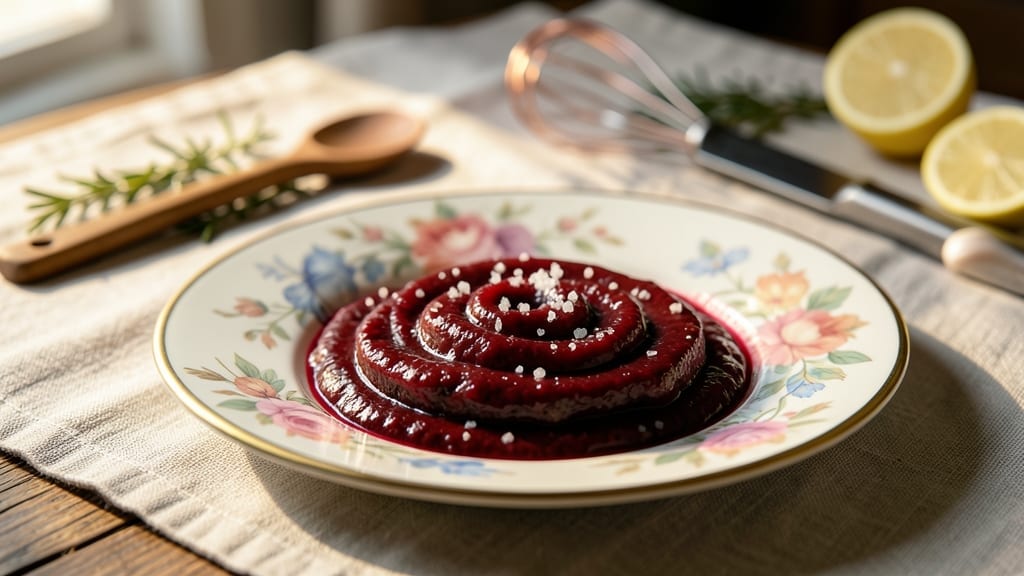
This red wine steak marinade recipe transforms tough cuts into melt-in-your-mouth perfection with just 15 minutes of prep time. The bold combination of red wine, garlic, and herbs creates a flavor profile that rivals any steakhouse—deep, complex, and impossible to resist. I developed this marinade after years of experimenting with restaurant-quality techniques at home, and it never fails to impress.
The secret lies in the balance of acidity and richness—the red wine tenderizes while infusing the meat with its signature depth, while olive oil and herbs add layers of aromatic complexity.
This marinade works equally well on ribeye, sirloin, or flank steak, elevating even the simplest grill or pan-sear. The best part? No waiting hours—just 15 minutes of marinating delivers restaurant-quality results.
What you’ll achieve is steak with a perfect sear on the outside and tender, juicy meat throughout, all infused with the rich, fruity notes of red wine and the savory punch of garlic and herbs.
The marinade’s acidity also helps break down tough fibers, ensuring every bite is buttery and succulent. This is the kind of marinade that turns a weeknight dinner into an unforgettable experience.
Use this marinade as a base for grilling, broiling, or pan-searing, and adjust the herbs to suit your taste. The possibilities are endless—whether you prefer classic rosemary and thyme or a bolder blend of smoked paprika and oregano.
Let’s get started on creating steak that tastes like it came from a high-end restaurant.
Ingredients for red wine steak marinade
Just a handful of bold ingredients. Fifteen minutes. Steakhouse-quality flavor guaranteed.
| Ingredient | Amount | Notes |
|---|---|---|
| Dry Red Wine 🍷 | 1 cup | Bold, dry variety like Cabernet Sauvignon |
| Extra-Virgin Olive Oil 🫒 | ½ cup | High-quality, fruity flavor |
| Garlic Cloves 🧄 | 6 cloves | Freshly minced for maximum flavor |
| Fresh Rosemary 🌿 | ¼ cup | Finely chopped, stems removed |
| Fresh Thyme Leaves 🌿 | ¼ cup | Or 1 tbsp dried thyme |
| Dijon Mustard 🍯 | 1 tbsp | Adds tangy depth to marinade |
| Worcestershire Sauce 🥫 | 1 tbsp | For umami richness |
| Kosher Salt 🧂 | 1 ½ tsp | Adjust to taste |
| Freshly Ground Black Pepper 🌶️ | 1 tsp | Cracked peppercorns preferred |
| Granulated Sugar 🍚 | 1 tsp | Balances acidity |
[recipe_ingredient_scaler]
The red wine is non-negotiable here—Cabernet Sauvignon or Merlot work best, but anything bold and dry will do. Avoid sweet wines (they’ll make the steak taste cloying). Trader Joe’s and Total Wine carry great affordable options, or just grab whatever’s open in your fridge. Fresh herbs are ideal, but if you’re using dried, cut the amount to one-third. The olive oil should be fruity and high-quality—California Extra Virgin brands like Corto or Filippo Berio elevate everything. The garlic? Freshly minced makes all the difference, but pre-minced works in a pinch.
No red wine? Beef broth with 1 tbsp balsamic vinegar gets you close. Short on rosemary? Swap for 1 tbsp dried rosemary plus 1 tbsp fresh thyme. The Dijon mustard adds that restaurant-quality tang—Maille is my go-to, but any good-quality brand works. Worcestershire sauce is key for depth, but if you’re avoiding it, 1 tbsp soy sauce works too. The sugar balances the acidity, but if you’re watching carbs, skip it entirely—the wine already has natural sweetness. For extra richness, add 1 tbsp butter to the marinade (trust me on this).
This marinade keeps for up to 3 days in the fridge, but it’s best used fresh. Store in a sealed jar or container. For tougher cuts like flank steak, marinate for up to 4 hours—never overnight, as the acidity can start breaking down the meat fibers. I like to make a double batch and freeze half in ice cube trays for future use. Once frozen, transfer cubes to a bag and they’ll last up to 3 months. Always pat the steak dry before cooking—this ensures the best sear.
Why You’ll Love This Recipe
- No-Fuss Marinade Magic: This takes five minutes flat—just dump, whisk, and forget. No fancy prep, no standing over the stove. The wine and olive oil blend together in seconds, and the garlic and herbs just get tossed in. I’ve done it with my hands full of kids while waiting for dinner to cook.
- Wine-Infused Wow Factor: The Cabernet Sauvignon doesn’t just add flavor—it transforms the steak. That tangy kick from the wine, the punch of Dijon mustard, and the earthy rosemary and thyme? It’s like a restaurant’s secret weapon, but you’re making it at home. Trust me, the sugar balances it all perfectly.
- Weeknight Crowd-Pleaser: Perfect for feeding a small army or just impressing your partner after a long day. Toss the marinade on steaks, ribs, or even chicken, and boom—dinner’s sorted. The leftovers? Boil them down for a quick pan sauce. I’ve used it for everything from a solo meal to a game-day spread.
- Budget-Friendly Flavor Bomb: A bottle of wine and a few pantry staples? This marinade costs less than takeout, but tastes like you spent hours slaving over a grill. The Worcestershire sauce and sugar add depth without breaking the bank. Plus, it keeps for three days, so you can prep ahead and save even more time.
Step-by-step instructions for red wine steak marinade
Here’s how to blend bold flavors into a marinade that transforms tough cuts into tender, restaurant-quality steaks.
Combine the Base Ingredients
In a medium mixing bowl, pour in the 1 cup dry red wine and ½ cup extra-virgin olive oil. The wine should be bold and dry—think Cabernet Sauvignon—to carry deep flavor without overpowering the steak. Whisk these together until fully incorporated, creating a smooth liquid base.
Next, add the 1 tbsp Dijon mustard and 1 tbsp Worcestershire sauce. These ingredients add tangy depth and umami richness that will penetrate the meat. Stir well to ensure the mustard dissolves completely—you don’t want any lumps in your marinade. The mixture should now have a rich, slightly thickened consistency.
Add Aromatics and Seasonings
Finely mince the 6 garlic cloves and add them to the bowl. For maximum flavor, I like to press the garlic through a garlic press rather than chopping—this releases more oils and ensures even distribution. Then, add the ¼ cup finely chopped fresh rosemary and ¼ cup fresh thyme leaves, making sure to remove any woody stems from the rosemary.
Sprinkle in the 1½ tsp kosher salt and 1 tsp freshly ground black pepper. The salt will help tenderize the meat while balancing the acidity of the wine. The freshly ground pepper adds a bright, piquant note that complements the richness of the olive oil. Stir everything together until the herbs are evenly distributed throughout the marinade.
Sweeten and Finish the Marinade
Add the 1 tsp granulated sugar to the bowl. This might seem counterintuitive, but the sugar helps balance the acidity of the wine and caramelizes slightly during cooking, adding a subtle depth of flavor. Stir well to dissolve the sugar completely—you should see it disappear into the mixture.
Taste the marinade and adjust the seasoning if needed. If it tastes too acidic, add a pinch more sugar. If it needs more salt, add a bit more kosher salt. The marinade should be well-balanced, with bright wine notes, herbal freshness, and a touch of tang. Transfer it to a resealable container with a lid or a zip-top bag for easy storage.
Marinate the Steak
Place your steak in the container with the marinade, ensuring it’s fully submerged. If using a bag, seal it tightly to prevent leaks. For best results, marinate the steak for at least 4 hours or up to overnight in the refrigerator. This allows the flavors to deeply penetrate the meat while the acid in the wine begins to tenderize it.
Before cooking, remove the steak from the marinade and let it sit at room temperature for 30 minutes. This ensures even cooking and prevents the meat from steaming when it hits the hot pan or grill. You can save the leftover marinade for basting the steak during cooking—simply boil it in a small saucepan for 5-7 minutes to reduce and intensify the flavors.
Pro Tips For Making Red Wine Steak Marinade
- Press That Garlic: DESCRIPTION: I used to chop my garlic and wonder why the flavor felt muted. Pressing those 6 cloves through a garlic press releases more oils and distributes them evenly—no clumps, just pure flavor infusion. Trust me, your steak will taste the difference, especially after marinating.
- Whisk Until Smooth: DESCRIPTION: That Dijon mustard and Worcestershire sauce won’t dissolve on their own—give them a proper whisking. Lumps in your marinade mean uneven flavor, and nobody wants a steak with mustard pockets. Stir until it’s silky, like a good red sauce.
- Don’t Skip the Sugar: DESCRIPTION: The 1 tsp granulated sugar isn’t just for sweetness—it balances the wine’s acidity and caramelizes during cooking, adding depth. Skip it, and your marinade might taste sharp or one-dimensional. It’s the thing that makes this recipe sing.
- Room Temp First: DESCRIPTION: After marinating, let that steak sit uncovered for 30 minutes before cooking. Cold meat steams instead of searing, and you’ll end up with a sad, gray exterior. A little patience here guarantees a perfect crust—worth the wait.
Troubleshooting this dish
Marinade Too Acidic?
If your marinade tastes overwhelmingly tart, it’s likely due to an excess of wine or insufficient sugar balance. Taste it first—if it’s too acidic, add ½ tsp granulated sugar at a time until the tang mellows.
The sugar caramelizes during cooking, so don’t overdo it. If the issue persists, reduce the wine slightly next time or use a slightly sweeter red like Pinot Noir instead of Cabernet. 💡
Herbs Not Infusing?
Fresh herbs might not release their full flavor if they’re not finely chopped or pressed. For rosemary and thyme, crush the stems lightly with your fingers or pulse them briefly in a food processor.
If using dried herbs, double the amount—1 tbsp dried rosemary instead of ¼ cup fresh. Stir vigorously after adding to ensure even distribution. This ensures the marinade penetrates the meat effectively.
Steak Tasting “Winey” After Cooking?
This happens when the marinade isn’t reduced before basting. If you want to use leftover marinade for basting, boil it in a saucepan for 5-7 minutes to reduce the alcohol content.
This intensifies the flavors while removing the harsh wine taste. Alternatively, pat the steak dry thoroughly before cooking to prevent excess marinade from steaming off. 🍷
Marinade Separating?
A common issue is oil separating from the wine base. Whisk vigorously after adding the olive oil, then let the marinade sit for 10 minutes before using. If it separates again, add 1 tsp Dijon mustard—its emulsifying properties help bind the ingredients.
For extra stability, blend the marinade briefly with an immersion blender before using.
Steak Too Dry After Marinating?
Marinating too long—especially overnight—can break down the meat fibers, leading to dryness. Stick to 4 hours for most cuts, or 2 hours max for delicate steaks like filet mignon. Always pat the steak dry before cooking to ensure a proper sear.
If using a tougher cut like flank steak, marinate for up to 4 hours but avoid overnight soaking.
Nutrition facts
Frequently asked questions
Why does this marinade use red wine instead of vinegar?
The red wine adds depth and complexity that vinegar can’t replicate! The natural sugars in wine caramelize during cooking, creating a rich, savory-sweet flavor profile. Vinegar would overpower the steak with acidity, while wine enhances the meat’s natural taste without dominating it. This balance makes every bite tender and flavorful.
Can I use this marinade on other proteins besides steak?
While it’s perfect for steak, you can adapt it for chicken or pork! Simply reduce the 4 hours marinating time to 1-2 hours for poultry to avoid over-tenderizing. For pork chops, use 2-3 hours max. The wine and herbs work beautifully on these proteins too, just be mindful of cooking times to prevent dryness.
What if I don’t have fresh herbs?
No problem! Use 1 tbsp dried rosemary and 1 tbsp dried thyme instead of fresh—just reduce the amount by ⅓ since dried herbs are more concentrated. If you’re really short on time, even ½ tsp each will add flavor, though fresh is always best. The marinade will still be delicious, just with slightly less intensity.
How do I prevent the marinade from separating?
Whisk vigorously after adding the olive oil, then let it sit for 10 minutes before using. If it separates again, add ½ tsp Dijon mustard—its emulsifying properties help bind everything together. For extra stability, blend briefly with an immersion blender. This keeps your marinade smooth and ready to use!
Can I make this marinade ahead of time?
Store it in an airtight container in the fridge for up to 3 days. For longer storage, freeze in ice cube trays—just thaw and stir before using. The flavors develop even more over time, making it perfect for meal prep. Just remember to pat your steak dry before cooking for the best sear.

Trained in classic French technique but raised on slow-cooked ribs and spicy rubs, she blends culinary skill with smoke and soul.
- Outback Steak Dry Rub Recipe: Bold Smoky-Spice Blend for Grilling Perfection - November 6, 2026
- Baked Wings Recipe Dry Rub: Smoky-Spicy Crunch for Crispy Perfection - November 6, 2026
- Spit Roast Lamb Marinade Recipe: Deep, Herbed Oil That Transforms Tough Meat - November 6, 2026