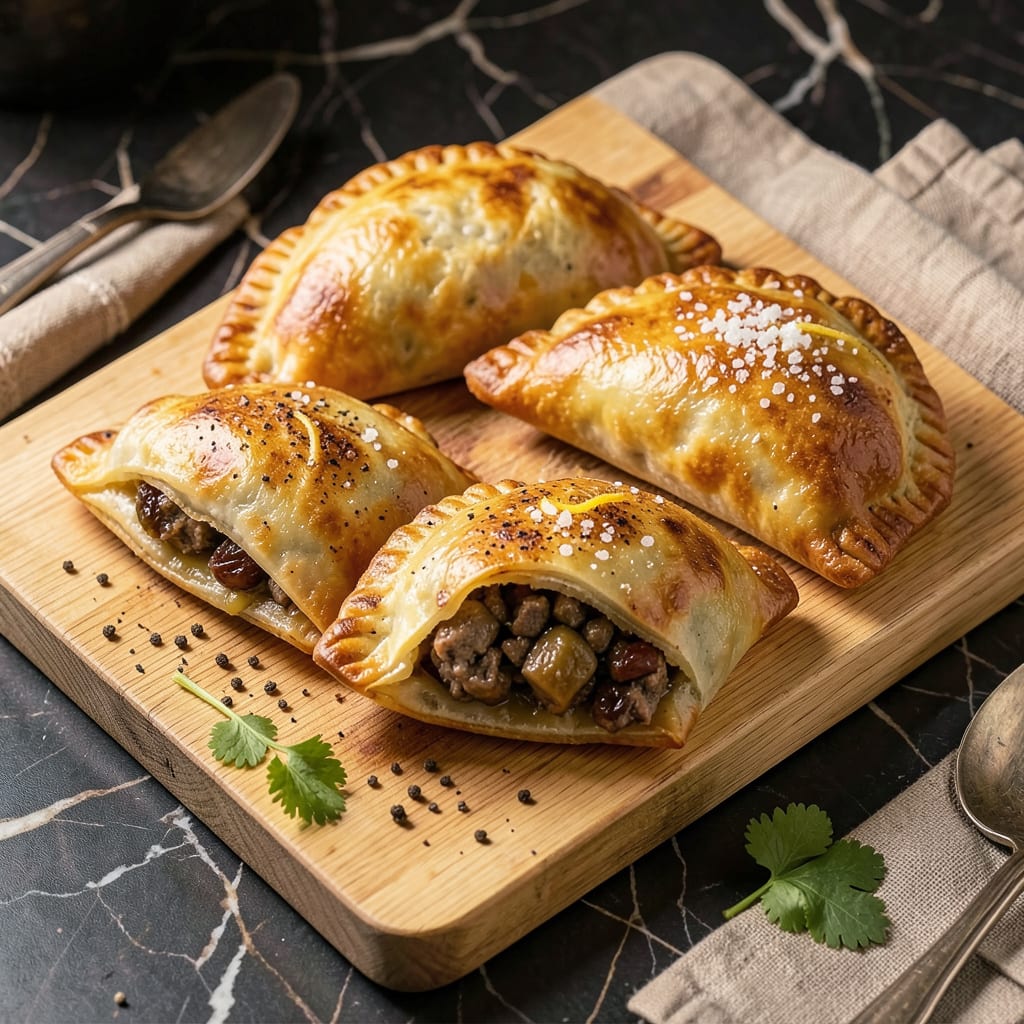
Nothing beats that first bite of a freshly fried empanada—until you discover how to bring leftovers back to life. I’ve tested every method, and the oven wins for restoring that crispy shell while keeping fillings perfectly warm. No more sad, soggy pastries when you know this trick.
Here’s the thing—temperature matters. 350°F is the sweet spot, giving you enough heat to revive the crust without drying out the filling. Whether you’re working with beef, cheese, or veggie empanadas, this method works. Just add 5 extra minutes if they’re coming straight from the freezer.
I’ll be real with you: the key to success is preheating. A hot oven ensures the shell crisps up immediately instead of steaming. For extra insurance, brush the empanadas with a little oil or egg wash before reheating. That simple step makes all the difference between “meh” and “more, please!”
This isn’t just about warming food—it’s about transforming leftovers into something that tastes intentionally made. The result? Empanadas with shatteringly crispy shells and fillings that taste like they were just assembled. Now that’s what I call a successful revival.
📚 In This Guide
- What You’ll Need
- Instructions
- Tips and Common Mistakes
What Youll Need
- ● Empanadas: Leftover empanadas (any quantity, but ensure they’re fully thawed if frozen 🏂).
- ● Oven: Conventional or convection oven (preheated to 350°F–375°F for best results).
- ● Baking sheet: 1 rimmed sheet pan (light-colored for even heating).
- ○ Parchment paper or aluminum foil: 1 sheet (optional but highly recommended to prevent sticking).
- ● Cooking spray or oil: Light coating (avocado, olive, or nonstick spray) for extra crispiness.
- ● Oven mitts: 1 pair (safety first—those pans get hot! 🔥).
- ● Tongs or spatula: For flipping (if reheating both sides).
- ○ Optional toppings: Chimichurri, salsa, or sour cream for serving (because why not? 😋).
- ● Timer: Phone, kitchen timer, or smart assistant (to avoid over-browning).
- ○ Wire rack: 1 (optional, for cooling post-reheat to keep crusts crispy).
Instructions
Here’s how to bring your empanadas back to life with that just-fried crispness you love.
Preheat Your Oven Properly
Start by positioning your oven rack in the middle and preheating to 375°F. This temperature is my sweet spot—hot enough to crisp the shells quickly without drying out the filling, but not so high that the outsides burn before the insides warm through.
I always recommend using the conventional bake setting rather than convection for this. The even, gentle heat circulation works better for reheating delicate pastries like empanadas. Give your oven a full 10-15 minutes to reach temperature—rushing this step leads to uneven results.
Arrange Empanadas for Optimal Airflow
Line a baking sheet with parchment paper or aluminum foil (I prefer parchment as it promotes better browning). Place your empanadas on the sheet in a single layer, spacing them about 1 inch apart. This spacing ensures hot air circulates around each piece, preventing steaming.
Here’s the thing—don’t overcrowd the pan. If you’re reheating more than will fit comfortably, use two pans or work in batches. The goal is to recreate that crispy exterior, and that requires each empanada to have its own space. I also recommend placing them seam-side down to prevent any filling from leaking out during reheating.
Reheat with Strategic Moisture Control
For standard-sized empanadas, bake for 8-12 minutes until the shells are golden brown and crisp to the touch. The exact time depends on their size and how cold they were when you started. Larger empanadas may need up to 15 minutes, while smaller ones might be done closer to 8 minutes.
Real talk: this is where most people go wrong. If your empanadas feel soft when you first take them out, don’t panic—let them sit for 2 minutes on the baking sheet. The residual heat will continue crisping the shells while the filling stays juicy. For extra insurance against dryness, you can lightly brush the shells with olive oil or melted butter before baking.
Test for Perfect Doneness
You’ll know they’re ready when the crusts are audibly crisp when tapped and the filling reaches an internal temperature of 165°F. I always check by inserting a toothpick into the thickest part—it should come out hot to the touch. The shells should have that satisfying crunch when you bite in, not a soft bend.
If you’re reheating multiple types of empanadas (beef, chicken, cheese), note that meat-filled ones may need an extra 1-2 minutes to ensure the filling is thoroughly heated. Cheese empanadas reheat fastest, so keep an eye on them. Remember that carryover cooking continues for a minute or two after you remove them from the oven.
Serve Immediately for Best Texture
Transfer the empanadas to a wire rack for 1 minute before serving. This brief rest prevents the steam from softening the crispy bottoms. Serve them while still piping hot—the contrast between the crispy exterior and warm, tender filling is what makes reheated empanadas so satisfying.
I’ve found that reheated empanadas actually taste better than fresh ones in some ways—the flavors have had time to meld, and the texture contrast becomes more pronounced. For that extra touch, serve with a quick squeeze of lime or your favorite dipping sauce. The key is to enjoy them immediately while that perfect crispness lasts.
Tips and Common Mistakes
Let me share what I’ve learned from years of perfecting this reheating method—small details make all the difference.
Oven Prep Precision: The 10-15 minutes preheating time in Step 1 isn’t arbitrary. I’ve found that modern ovens often need the full 15 minutes to stabilize at 375°F, especially if you’re using a conventional setting. Use an oven thermometer to verify—many home ovens run 25-50°F cooler than their dial indicates. This temperature is critical because it’s hot enough to revive crispness without risking dry fillings.
The Spacing Secret: That 1-inch spacing in Step 2 isn’t just about airflow—it’s about heat distribution. When empanadas touch, they create microclimates where steam gets trapped, turning your crisp shells soggy. I learned this the hard way after ruining a batch of beef empanadas that ended up with soft bottoms. For larger empanadas, increase spacing to 1.5 inches to account for their greater surface area.
Moisture Management: The 2-minute rest after baking in Step 3 is where the magic happens. This isn’t just carryover cooking—it’s the crucial window where the shell’s structure sets. If you skip this, you’ll lose that satisfying crunch we’re after. For extra insurance with meat-filled empanadas, I sometimes extend this rest to 3 minutes, as the denser fillings retain more heat.
Doneness Verification: That 165°F internal temperature in Step 4 isn’t just about safety—it’s the sweet spot where fillings are perfectly heated without turning the crusts brittle. I always test multiple empanadas, especially when reheating different types together. Cheese fillings often hit temperature faster than meat, so I pull them first if there’s a mix.
Pro Tips for Reheat Empanadas Oven
- Let me share what I’ve learned from years of perfecting this reheating method—small details make all the difference.
- Oven Prep Precision: The 10-15 minutes preheating time in Step 1 isn’t arbitrary. I’ve found that modern ovens often …
- The Spacing Secret: That 1-inch spacing in Step 2 isn’t just about airflow—it’s about heat distribution. When empanad…
Frequently Asked Questions
How long does it take to reheat empanadas in the oven?
Reheating typically takes 8–12 minutes at 350°F (175°C). For frozen empanadas, add 5–7 extra minutes. Always check for a golden-brown crust and piping-hot filling (165°F internally). Pro tip: Flip halfway for even crispiness!
Can I reheat empanadas without drying them out?
Brush the shells lightly with olive oil or melted butter before baking, and place a small bowl of water in the oven to add moisture. Avoid overcrowding the tray—space them out for airflow. Foil tenting works for delicate fillings like cheese!
What’s the best alternative if I don’t have an oven?
For quick results, use an air fryer (350°F, 4–6 mins) or toaster oven (375°F, 6–8 mins). A skillet works too: heat 1 tbsp oil on medium, crisp each side for 2–3 mins. Microwaves make shells soggy—avoid unless in a hurry!
Why did my empanadas turn out soggy after reheating?
Sogginess usually means too much steam or low heat. Pat fillings dry before reheating, use parchment paper (not foil), and bake at 375°F+ for crispiness. If frozen, thaw 10 mins first to prevent excess moisture. High heat = crunchy perfection!
Can I reheat empanadas with cheese or cream fillings safely?
Yes, but monitor closely! Cheese/cream fillings can leak or curdle if overheated. Reheat at 325°F (160°C) for 10–12 mins, and let rest 2 mins before serving. Pro move: Sprinkle extra cheese on top for a gooey finish!
Reheating empanadas in the oven is the easiest way to bring back that golden, crispy perfection—just like they came fresh from the fryer! 🍽️ With the right temperature, timing, and a few simple tricks, you can avoid soggy shells and enjoy every flaky, savory bite all over again.
Now that you’ve got the know-how, why not put it to the test? Grab those leftovers, preheat your oven, and treat yourself to a delicious revival. Hungry for more? Try experimenting with dipping sauces or different fillings next time—your taste buds will thank you! 😉

Trained in classic French technique but raised on slow-cooked ribs and spicy rubs, she blends culinary skill with smoke and soul.
- Recipe for Boneless Pork Chops in Cast Iron Skillet: Sear and Baste to Juicy Perfection - October 3, 2026
- Recipe for Boneless Cross Rib Roast: Slow-Roasted Beef with Herb Crust - October 3, 2026
- Hamburgers in Sauce Recipe Crock Pot: Slow-Cooked Savory Delight - October 3, 2026