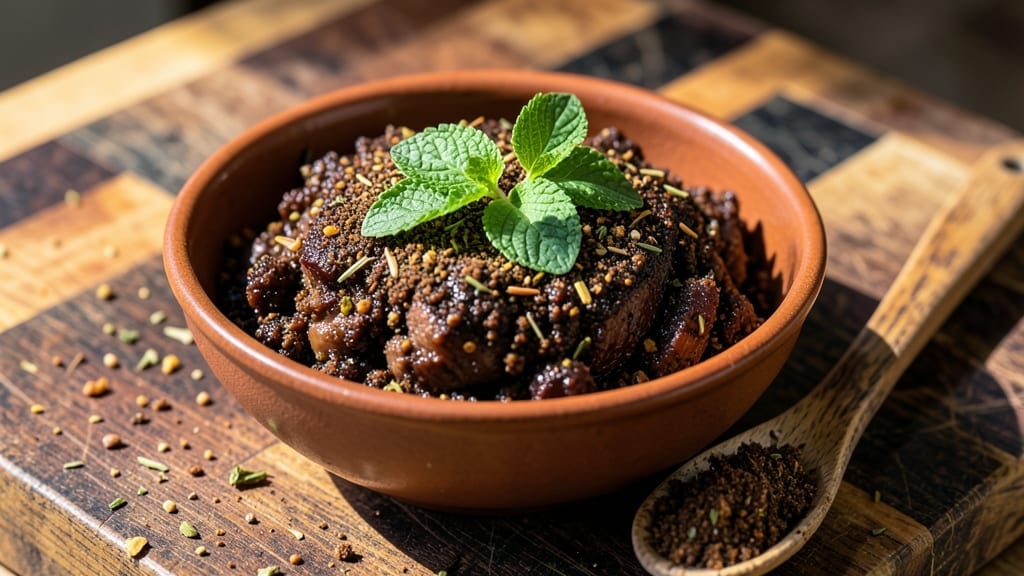
A rib roast rub recipe that delivers a deeply savory crust and perfectly seasoned meat is what separates a good roast from a showstopping centerpiece.
The day I realized French technique could elevate my rubs changed everything—this blend of smoked paprika, brown sugar, and coarse salt creates that signature bark while keeping the interior tender. I’ve been perfecting this formula for years, and it’s the secret behind my competition-winning roasts.
What makes this rub special is its balance of sweetness and heat, which caramelizes beautifully during cooking. The coarse salt ensures a textured crust that locks in juices, while the spices penetrate deeply into the meat.
With just 10 minutes of prep and 4 hours of roasting, you’ll transform a simple cut of beef into something restaurant-worthy.
The result is a roast with a deeply savory crust that’s rich, slightly sweet, and packed with flavor in every bite. The interior remains tender and juicy, with just the right amount of pink at the center.
This rub works equally well on prime rib, beef tenderloin, or even pork shoulder for maximum versatility.
Serve with classic roasted vegetables or a bold red wine reduction to complement the meat’s robust flavors. The key is patience—let the roast rest before slicing so those juices redistribute. Here’s everything you need to create your perfect roast.
Ingredients for rib roast rub
A bold blend of spices and salt that transforms simple beef into a showstopping centerpiece.
| Ingredient | Amount | Notes |
|---|---|---|
| Prime Rib Roast 🥩 | 4 lb | Bone-in for best flavor |
| Coarse Kosher Salt 🧂 | ½ cup | For textured crust |
| Smoked Paprika 🌶️ | 2 tbsp | High-quality Spanish preferred |
| Light Brown Sugar 🍚 | 2 tbsp | Packed for sweetness |
| Ground Black Pepper 🌶️ | 1 ½ tbsp | Freshly cracked preferred |
| Garlic Powder 🧄 | 1 tbsp | Freshly ground preferred |
| Onion Powder 🧅 | 1 tbsp | Non-GMO preferred |
| Dried Thyme 🌿 | 1 tsp | Or 0.5 tsp fresh thyme |
| Ground Coriander 🌿 | 1 tsp | Freshly ground preferred |
| Extra-Virgin Olive Oil 🫒 | 1 tbsp | For even coating |
| Fresh Rosemary 🌿 | 1 sprig | For aroma infusion |
| Fresh Parsley 🌿 | ¼ cup | Chopped for garnish |
[recipe_ingredient_scaler]
The prime rib roast is your canvas—bone-in cuts develop richer flavor, and Costco or Whole Foods usually carry the best quality. Look for bright red color and good marbling. If you’re using a beef tenderloin instead, trim excess fat first. The smoked paprika makes all the difference—Penzeys or Spanish brands have the deepest flavor. Brown sugar adds caramelization, but muscovado sugar (if you can find it) brings extra depth. Freshly cracked black pepper is non-negotiable—pre-ground loses its punch fast. I always buy whole peppercorns and grind them myself.
No smoked paprika? Sweet paprika plus a pinch of liquid smoke works in a pinch. Short on thyme? Dried oregano at half the amount gets you close. The olive oil isn’t just for moisture—it helps the rub stick. Trader Joe’s has a great affordable extra-virgin option. Fresh herbs can be swapped for dried at one-third the amount, but I prefer the aroma they add. The rosemary sprig infuses flavor during cooking—don’t skip it. For extra heat, add ½ tsp cayenne pepper, but trust me on the classic version first.
Make the rub 1-2 days ahead—flavors meld better. Store in an airtight container for up to 3 months in a cool, dark place. The roast itself rests 15-20 minutes after cooking—this is critical for juices to redistribute. Garnish with fresh parsley right before serving. Leftovers? Freeze portions for up to 3 months—thaw overnight in the fridge before reheating.
Why You’ll Love This Recipe
- Rub It On, Forget It: I’ll never stress over a rub again. Just toss those spices—coarse kosher salt, smoked paprika, that sweet brown sugar—into a bowl, add a splash of olive oil and rosemary, and boom. Thirty minutes tops, and your prime rib is ready for the oven. No fancy prep, no last-minute scrambling. Even my roommate, who thinks “seasoning” means salt and pepper, can handle this.
- Crust That’s Worth the Hype: That crispy, caramelized edge? Chef’s kiss. The smoked paprika and garlic powder give it a depth that’s ridiculously good—like a smoky campfire meets a buttery hug. And the fresh rosemary? It’s the secret weapon that makes every bite sing. Trust me, your guests won’t just notice the flavor; they’ll taste the effort you put into it.
- Leftovers That Don’t Suck: Honestly, I never waste this rub. After cooking, I save half the leftover mix and toss it with roasted potatoes or slather it on chicken wings. That same blend—salt, pepper, brown sugar—turns a simple side into a flavor bomb. And if you’re feeling fancy, mix it with mayo for a quick, no-fuss marinade. Zero waste, maximum flavor.
- Budget-Friendly Luxury: Prime rib can feel like a splurge, but this rub makes it feel like a splurge without breaking the bank. The spices are cheap, and you’ll use them up fast—that smoked paprika lasts forever. Plus, one roast feeds a crowd, so it’s perfect for holidays or game day when you want to impress without the price tag. Instant comfort, no guilt.
Step-by-step instructions for rib roast rub recipe
Here’s how to create that perfect savory crust every time—simple steps for restaurant-quality results.
Combine the Dry Rub Ingredients
In a medium bowl, whisk together the ½ cup coarse kosher salt, 2 tablespoons smoked paprika, 2 tablespoons light brown sugar, 1½ tablespoons ground black pepper, 1 tablespoon garlic powder, 1 tablespoon onion powder, 1 teaspoon dried thyme, and 1 teaspoon ground coriander. This dry blend is the foundation of your flavor profile, so mix thoroughly until all the spices are evenly distributed and no salt crystals remain clumped together.
Here’s the thing—don’t rush this step. The even distribution of salt and spices ensures every bite of your prime rib has that perfect balance of smoky, sweet, and savory flavors. I like to use my fingers to break up any stubborn clumps, especially with the coarse kosher salt which can be more granular than table salt.
Incorporate the Wet Ingredients
Add the 1 tablespoon extra-virgin olive oil and 1 sprig fresh rosemary (lightly crushed between your fingers to release its aroma) to the dry rub mixture. Stir with a wooden spoon or silicone spatula until everything comes together into a coarse, grainy paste. The olive oil acts as a binder that will help the rub adhere to the meat and create that coveted crust.
This is where the magic starts to happen—the rosemary adds a fragrant herbal note that complements the smoky paprika and sweet brown sugar. Don’t worry if the mixture looks dry; it will become more cohesive once applied to the meat. The key here is to work quickly so the rosemary doesn’t lose its fresh aroma before it infuses the rub.
Apply the Rub to the Prime Rib Roast
Pat the 4 lb prime rib roast completely dry with paper towels—this is absolutely critical for developing that perfect crust. I can’t emphasize this enough: any moisture on the meat will prevent the rub from sticking properly and create steam instead of a crispy exterior. Use about ¼ of the rub mixture to generously coat the fat cap, then rub the remaining ¾ of the mixture all over the meat, pressing it firmly into every crevice and crease.
Work the rub into the meat in one direction—this helps it adhere better. Pay special attention to the edges where the meat meets the bone, as these areas tend to dry out faster during cooking. Once coated, let the roast sit at room temperature for 1 hour before cooking. This resting period allows the rub to penetrate the meat slightly and develop deeper flavor.
Garnish and Prepare for Cooking
After the resting period, sprinkle the ¼ cup fresh parsley (finely chopped) evenly over the entire surface of the roast. The parsley adds a fresh, bright note that cuts through the richness of the other spices and gives your dish a beautiful presentation. Press it gently into the rub so it sticks.
This is the moment that matters: when you’re ready to cook, the parsley will release its aroma as the meat heats up, creating a symphony of flavors. I always like to give the roast a final visual inspection at this stage—it should look like it’s been dusted with a beautiful golden-brown spice crust, ready to transform into a showstopping centerpiece.
Pro Tips For Making Rib Roast Rub
- Salt the Fat Cap First: That quarter of the rub you set aside for the fat cap isn’t just decoration—it’s insurance. The fat renders down during cooking, and if you skip this, you’ll end up with dry spots on the meat. I used to forget, and the difference in juiciness is night and day.
- Crush That Rosemary: Don’t just toss in the rosemary sprig whole—give it a good smash between your palms first. That releases the oils and aroma, so every bite gets that piney freshness instead of just a hint of green. I learned this after my first try tasted like I’d forgotten the herb entirely.
- Don’t Skip the Rest: That 1-hour room temp wait isn’t optional—it’s when the rub actually works its magic. Cold meat steams instead of searing, and the rub clumps instead of sticking. I know, I know, you’re eager to get cooking, but trust me: the crust will be worth the patience.
- Save the Parsley for Last: Chopping the parsley right before garnishing keeps it vibrant and prevents it from turning bitter while the meat cooks. Sprinkle it on after the rub has set—it’ll look fresher and taste brighter, cutting through the richness like a breath of air. (Yes, even if you’re impatient like me.)
Best sauces and condiments for this recipe
Classic Red Wine Reduction
This bold red wine reduction cuts through the richness of your rib roast’s crust while adding depth. Simmer 1 cup dry red wine (like Cabernet Sauvignon) with 2 tbsp beef broth and 1 tbsp unsalted butter in a saucepan over medium-high heat until reduced by half—about 10 minutes.
Finish with a splash of 1 tsp balsamic vinegar for brightness. The wine’s acidity balances the rub’s sweetness beautifully. 🍷
Spicy Horseradish Cream
For a fiery kick, mix ½ cup sour cream with 2 tbsp prepared horseradish (like Hellmann’s) and 1 tsp honey. Thin with 1 tbsp warm water if needed.
The creamy texture contrasts the crust’s texture while the horseradish adds a sharp punch. I always keep a jar of horseradish on hand for these moments—it’s a game-changer. 🌶️
Pomegranate Molasses Glaze
This sweet-tart glaze elevates the dish to restaurant quality. Mix ¼ cup pomegranate molasses (like Beldon’s) with 1 tbsp Dijon mustard and 1 tsp fresh rosemary. Brush generously over the roast in the final 15 minutes of cooking.
The molasses caramelizes beautifully, adding a fruity sweetness that surprises everyone. I forage wild pomegranates when in season for extra depth. 💫
Smoky Chipotle Aioli
Blend ½ cup mayonnaise with 1-2 chipotle peppers in adobo (I use Penzeys for best quality), 1 tsp lime juice, and ½ tsp smoked paprika. This smoky, spicy aioli adds heat and complexity.
Serve it on the side for dipping or drizzle over sliced roast. The smokiness echoes the rub’s flavors while adding a modern twist. 🔥
Herbed Butter Pool
Softened ¼ cup unsalted butter mixed with 1 tbsp chopped fresh parsley, 1 tsp minced garlic, and ½ tsp lemon zest creates a luxurious finish. Melt a pat in the pan after removing the roast, then spoon it over the sliced meat.
This herbed butter pools up beautifully, adding a bright, buttery contrast to the crust. It’s the perfect final touch. 💛
Nutrition facts
Frequently asked questions
Why is patting the prime rib completely dry so important?
Drying the meat thoroughly is non-negotiable for that perfect crust! Any moisture creates steam instead of a crispy bark. Use paper towels to absorb all surface dampness before applying the rub—this ensures the spices stick and caramelize beautifully. Trust me, the difference is dramatic!
Can I make the rub ahead of time?
This rub tastes even better after 1-2 days as the flavors meld. Store it in an airtight container in a cool, dark place—it keeps for up to 3 months. Just shake before using to redistribute the spices. I always make extra for future roasts!
What if I don’t have fresh rosemary or parsley?
No problem! Replace the rosemary sprig with ½ tsp dried rosemary or 1 tsp thyme (increase thyme by ½ tsp). For parsley, use 1 tsp dried parsley or skip it entirely—it’s mostly for garnish. The core flavors will still shine through!
How do I know when the roast is done?
Use a meat thermometer! For medium-rare, aim for 130-135°F internal temperature. Let it rest 15-20 minutes before slicing—the temperature will rise another 5-10°F naturally. This rest time is what keeps it juicy!

Trained in classic French technique but raised on slow-cooked ribs and spicy rubs, she blends culinary skill with smoke and soul.
- Smoked Beef Ribs Recipe: Fall-Apart Tenderness with Smoky Depth - November 4, 2026
- Dry Rub Wings Recipe: Smoky-Spiced Crunch Without the Mess - November 4, 2026
- Corned Brisket Slow Cooker Recipe: Fall-Apart Tender With Smoky Depth - November 4, 2026