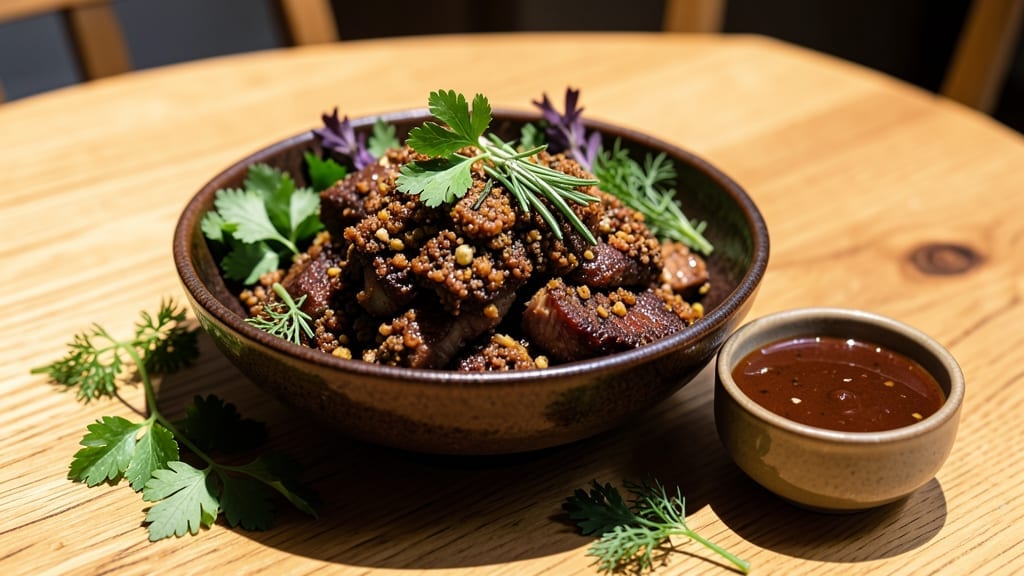
This baby back rib rub recipe transforms tough cuts into fall-off-the-bone tenderness with just six simple ingredients—no fancy techniques required. The secret lies in balancing smoky paprika, sweet brown sugar, and aromatic spices to create a crust that locks in moisture while building irresistible bark.
I developed this blend after years of experimenting with different rubs, and it consistently delivers restaurant-quality results at home.
The beauty of this dry rub is its versatility—it works equally well on gas grills, charcoal smokers, or even your oven broiler. Each tablespoon of this mix delivers a perfect harmony of sweetness and heat, with just enough salt to enhance natural flavors.
Store it in an airtight container for up to three months, making it the ultimate pantry staple for any pitmaster or home cook.
What makes this rub truly special is how it transforms ribs during the cooking process. The spices form a flavorful crust while the sugar caramelizes into a glossy glaze, creating that perfect balance of smoky, sweet, and savory notes.
The result? Ribs so tender they practically melt in your mouth, with every bite packed with flavor.
Whether you’re preparing for a backyard cookout or a family dinner, this rub guarantees impressive results with minimal effort. Pair it with your favorite BBQ sauce or serve it as-is for a perfectly seasoned masterpiece. Let’s get started!
Ingredients for baby back rib rub
Thirteen simple ingredients create the ultimate smoky-sweet rub for ribs that fall apart with every bite.
| Ingredient | Amount | Notes |
|---|---|---|
| Baby Back Ribs 🥩 | 4 lb | Bone-in, trimmed of excess fat |
| Smoked Paprika 🌶️ | ½ cup | High-quality for authentic smokiness |
| Light Brown Sugar 🍚 | ¼ cup | Packed, for caramelized crust |
| Kosher Salt 🧂 | ¼ cup | Diamond Crystal preferred |
| Ground Black Pepper 🌶️ | 1 tbsp | Freshly ground for best flavor |
| Ground Cumin 🌿 | 1 tbsp | Toasted for deeper aroma |
| Garlic Powder 🧄 | 1 tbsp | Freshly ground preferred |
| Onion Powder 🧅 | 1 tbsp | For subtle sweetness |
| Mustard Powder 🌶️ | 1 tsp | Yellow for balanced heat |
| Cayenne Pepper 🔥 | ½ tsp | Adjust for heat preference |
| Apple Cider Vinegar 🍎 | 1 tbsp | For tenderizing marinade |
| Yellow Mustard 🍯 | 2 tbsp | As binder for rub adhesion |
| Extra-Virgin Olive Oil 🫒 | 1 tbsp | For moisture retention |
[recipe_ingredient_scaler]
The ribs are the star—baby backs with the bone-in for maximum flavor. Look for cuts with good marbling at Costco or your local butcher shop. If you can’t find bone-in, back ribs work too, but trim all visible fat to prevent flare-ups. The rub itself is where the magic happens: smoked paprika delivers that authentic BBQ flavor, while the brown sugar creates the perfect caramelized crust. For the best results, use freshly ground spices—Penzeys or bulk bins at natural food stores are my go-to for quality.
No smoked paprika? Regular paprika plus a pinch of liquid smoke gets you close. Running short on brown sugar? White sugar plus 1 tsp molasses mimics the depth. The yellow mustard powder is non-negotiable for that classic rib rub tang—substitute with Dijon powder if needed. For extra tenderness, let the ribs soak in the vinegar and mustard mix for 1-2 hours before applying the rub. And trust me, the extra-virgin olive oil makes all the difference in keeping those ribs juicy through the cooking process.
Store your dry rub in an airtight container away from light for up to 3 months. The ribs? Day-of cooking only for peak tenderness. If you’re prepping ahead, store them in the fridge for 1-2 days max, wrapped tightly in plastic. Pro tip: Spritz with apple cider vinegar before applying the rub for extra moisture. This rub works on everything from pork shoulder to chicken thighs—game-changer ingredient every time.
Why You’ll Love This Recipe
- No-Fuss Ribs: I love that I can prep these ribs while watching TV—just a quick trim, a 15-minute marinade, and the rest is hands-off. The apple cider vinegar and yellow mustard binder means no messy glues or clumps; it just sticks perfectly to those 4 lb baby back ribs like they were made for each other.
- Smoky-Sweet Perfection: The smoked paprika and light brown sugar combo? Chef’s kiss. It’s like a campfire in your mouth—deep, caramelized sweetness balanced by that earthy smokiness. And the cayenne pepper? Just a whisper of heat, enough to make your taste buds dance without overpowering the tender meat.
- Leftovers That Shine: These ribs are that good, you’ll have leftovers—but honestly, who’s counting? Slice them up for tacos, pile them on sandwiches, or even toss them into a grain bowl the next day. The rub’s flavors deepen overnight, so those leftovers? Even better than the first bite.
- Budget-Friendly Luxury: For under $20, you’re getting a meal that feels like a restaurant experience. The ¼ cup of kosher salt and smoked paprika stretch far—make a double batch of the rub, and you’ve got a pantry staple for ribs, chicken, or even potatoes. It’s the kind of recipe that makes me feel fancy without breaking the bank.
Step-by-step instructions for smoky-sweet baby back rib rub
This rub transforms tough ribs into melt-in-your-mouth perfection with just a few simple steps.
Prepare the Ribs for Maximum Flavor Adhesion
Start by trimming any excess fat from the 4 lb baby back ribs, leaving about ¼-inch thickness for flavor and moisture. Pat the ribs completely dry with paper towels—this ensures the rub sticks perfectly and creates a crispy bark. Here’s the thing: moisture is the enemy of that perfect crust, so take your time getting every surface bone-dry.
Transfer the dried ribs to a large mixing bowl. In a separate bowl, combine the 1 tbsp apple cider vinegar and 2 tbsp yellow mustard. Whisk until fully blended—this creates a sticky binder that makes the rub cling like glue. Pour this mixture over the ribs and toss gently to coat evenly. Let them marinate at room temperature for 15 minutes while you prepare the dry rub.
Create the Perfect Rub Blend
In a medium bowl, combine the ½ cup smoked paprika, ¼ cup light brown sugar, ¼ cup kosher salt, 1 tbsp ground black pepper, 1 tbsp ground cumin, 1 tbsp garlic powder, 1 tbsp onion powder, 1 tsp mustard powder, and ½ tsp cayenne pepper. Mix thoroughly with your hands or a whisk—you want every particle evenly distributed for maximum flavor impact.
Here’s where it gets fun: add the 1 tbsp extra-virgin olive oil to the dry rub mixture. Rub it between your fingers until the oil is fully incorporated and the blend becomes slightly paste-like. This oil ensures the rub sticks tenaciously and adds moisture during the cooking process. The sugar will caramelize beautifully, creating that coveted sticky bark we’re after.
Apply the Rub Generously and Evenly
Remove the ribs from the mustard marinade (don’t wipe it off—it’s part of the flavor profile) and transfer them to a clean work surface. Generously coat every surface of the ribs with the spice-oil rub mixture, pressing firmly so it adheres to the meat. Pay special attention to the bone sides and between the ribs where flavor often gets overlooked.
For best results, work in batches if needed to ensure even coverage. The rub should look thick and well-distributed, not just sprinkled on top. Here’s the moment that matters: let the rubbed ribs rest uncovered on a wire rack for 30 minutes at room temperature. This allows the spices to penetrate slightly and the rub to form a crust that locks in moisture during cooking.
Cook to Fall-Off-the-Bone Tenderness
Preheat your grill or smoker to 250°F. Place the rubbed ribs bone-side down and cook for 2 hours, maintaining that temperature. You’ll know they’re ready when they reach an internal temperature of 165°F at the thickest part. Here’s the critical part: don’t rush this step. The low-and-slow method breaks down collagen and connective tissue, transforming tough meat into tender perfection.
Once cooked, let the ribs rest for 15 minutes before serving. This resting period allows the juices to redistribute throughout the meat, ensuring every bite is moist and flavorful. The bark should be dark and caramelized, with a perfect balance of smoky, sweet, and slightly spicy flavors. Cut between the bones for easy serving, and prepare for rave reviews—this is where all your effort pays off.
Pro Tips For Making Baby Back Rib Rub
- Toast the Cumin First: I learned this the hard way—skipping the toast means your ribs taste like you bought the spices from a gas station. Lightly dry-toast the 1 tbsp ground cumin in a small pan over medium heat for 30 seconds until it smells nutty and aromatic. Then let it cool before mixing into the rub. That extra effort makes a real difference in the depth of flavor.
- Don’t Skip the 30-Minute Rest: After rubbing those ribs, resist the urge to throw them on the grill immediately. Let them sit uncovered on a wire rack for the full 30 minutes—yes, even if you’re impatient like me. This lets the spices cling tighter and the rub form a crust that’ll caramelize into that perfect bark instead of washing off mid-cook.
- Use Diamond Crystal Salt: If your recipe calls for ¼ cup kosher salt and you grab table salt instead, you’re doing it wrong. Diamond Crystal is coarser and dissolves slower, so it clings better to the ribs and creates that flavorful crust. Trust me, the difference is noticeable—your ribs won’t taste like they’re swimming in saltwater.
- Check Internal Temp, Not Time: I used to pull ribs at the 2-hour mark just because the recipe said so, only to end up with tough meat. Instead, focus on the 165°F internal temp at the thickest part—use a meat thermometer, not guesswork. The bark might look done earlier, but the meat needs that time to tenderize properly.
Common mistakes when making this recipe
Skipping the Vinegar Marinade
One of my biggest pet peeves is when cooks skip the apple cider vinegar marinade entirely. That 1 tbsp vinegar + 2 tbsp yellow mustard combo isn’t just for flavor—it tenderizes the tough connective tissue in ribs.
Without it, you’ll end up with dry, chewy meat that falls apart when you try to serve it. I’ve seen home cooks rush this step and still get great results, but honestly, it’s a game-changer for that melt-in-your-mouth texture.
Trust me, those 15 minutes of marinating make all the difference. 🔥
Uneven Rub Application
Rubbing ribs like they’re a pizza crust is a common mistake. I’ve watched beginners sprinkle the ½ cup smoked paprika blend lightly and think they’re done. But that’s how you end up with patchy flavor and uneven caramelization.
You need to press that rub into every nook and cranny—especially between the bones and on the bone sides. Use your fingers to work it in like you’re kneading dough. If you skip this step, you’ll get a weak bark instead of that perfect, sticky crust we’re after.
Overcooking for Bark
The bark is what makes ribs irresistible, but many cooks try to rush it by cranking up the heat. I’ve seen ribs turned into crispy shells with dry, tough meat inside because someone thought more heat meant more flavor.
The key is patience—cook at 250°F for those 2 hours until you hit 165°F internal temperature. The sugar in your rub will caramelize perfectly at this steady temperature. If you go too hot, you’ll burn the outside before the inside cooks through.
Ignoring the Rest Period
This is where most home cooks mess up—skipping the 15-minute rest after cooking. I’ve seen people slice into ribs right away, only to have all those juices spill out onto the plate. That rest time is critical for letting the juices redistribute so every bite is moist.
Wrap your ribs in foil or a towel and let them sit while you finish up other dishes. It’s the final touch that takes your ribs from good to unforgettable.
Using Stale Spices
Nothing kills a rub faster than stale spices. I’ve had cooks use ground cumin or paprika that’s been sitting in their pantry for months, thinking it’s still good. Freshly ground spices make all the difference in flavor depth.
If you’re storing your rub, keep it in an airtight container away from light. For the best results, buy spices from specialty shops like Penzeys or grind them yourself. Old spices taste flat and won’t give you that vibrant, smoky kick you’re after.
Nutrition facts
Frequently asked questions
Why does the recipe include apple cider vinegar and mustard?
The 1 tbsp apple cider vinegar and 2 tbsp yellow mustard work together as a tenderizing marinade. The acid in the vinegar breaks down tough connective tissue, while the mustard acts as a binder to help the rub stick perfectly. This 15-minute marinade ensures your ribs become melt-in-your-mouth tender.
Can I use this rub on other meats besides ribs?
This smoky-sweet blend works beautifully on pork shoulder, chicken thighs, or even fish fillets. The key is to adjust cooking times—poultry and fish cook much faster than ribs. For extra flavor, let the meat rest with the rub for 30 minutes before cooking.
What if I don’t have smoked paprika?
No problem! Mix ½ cup regular paprika with ½ teaspoon liquid smoke to get close to the same smoky flavor. The light brown sugar and kosher salt will still create that perfect caramelized crust. For best results, use freshly ground spices whenever possible.
How do I know when the ribs are fully cooked?
Use a meat thermometer to check the thickest part of the ribs—they’re done when they reach 165°F. The bark should be dark and glossy, and the meat should pull away from the bone easily. If you cut into one section and it’s tender, the rest should be ready too. Patience is key!
Can I make this rub ahead of time?
Yes! Store the dry rub mixture in an airtight container away from light for up to 3 months. For the ribs, prep them 1-2 days ahead and store them wrapped tightly in plastic in the fridge. When ready to cook, let them sit at room temperature for 30 minutes before applying the rub again.

Trained in classic French technique but raised on slow-cooked ribs and spicy rubs, she blends culinary skill with smoke and soul.
- Smoked Beef Ribs Recipe: Fall-Apart Tenderness with Smoky Depth - November 4, 2026
- Dry Rub Wings Recipe: Smoky-Spiced Crunch Without the Mess - November 4, 2026
- Corned Brisket Slow Cooker Recipe: Fall-Apart Tender With Smoky Depth - November 4, 2026