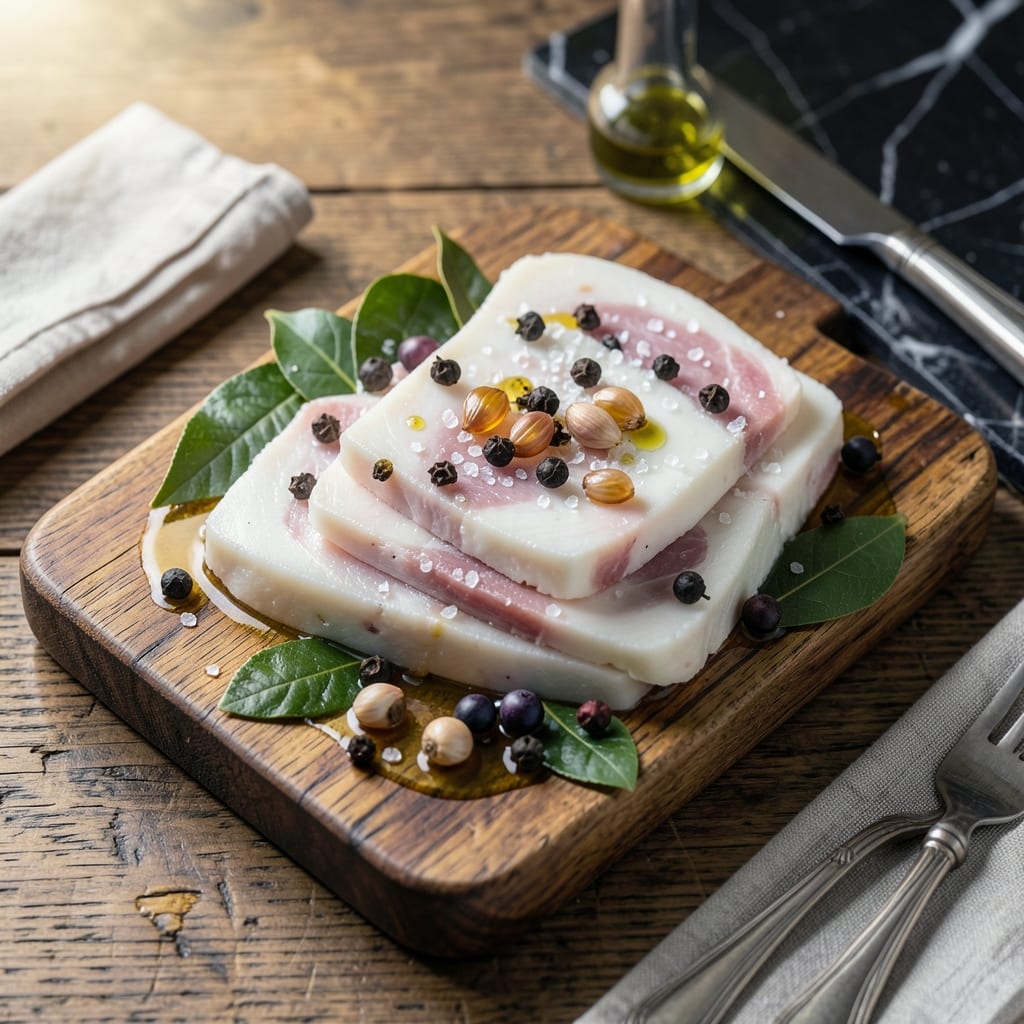
Traditional Ukrainian salo is a time-honored delicacy that transforms simple pork fat into a flavorful, preserved staple. This method has been passed down through generations, creating a dish that’s both practical and deeply rooted in cultural heritage.
I’ve perfected this technique through careful testing to ensure authentic results every time. The process involves curing the fat with salt and sometimes garlic or spices, then aging it to develop the characteristic texture and taste.
The result is a rich, savory product that can be sliced thin and enjoyed on bread, with vegetables, or as part of various dishes. It keeps for months when stored properly.
This preparation honors the traditional approach while making it accessible for home cooks. The key is patience and attention to detail during each step.
Ingredients for Salo
Pork fatback, salt, and traditional spices create this preserved Ukrainian staple with rich, savory depth.
| Ingredient | Amount | Notes |
|---|---|---|
| Pork Fatback 🥓 | 2 lb | Fresh, skin-on, from shoulder or belly |
| Coarse Sea Salt 🧂 | ½ cup | Non-iodized, for curing |
| Garlic Cloves 🧄 | 8 cloves | Peeled, sliced thin |
| Black Peppercorns 🌶️ | 2 tbsp | Whole, lightly crushed |
| Bay Leaves 🍃 | 4 whole | Dried, whole leaves |
| Juniper Berries 🌿 | 1 tbsp | Lightly crushed (optional) |
| Fresh Thyme Sprigs 🌿 | 4 whole | Optional, for aroma |
| Caraway Seeds 🌿 | 1 tsp | Lightly toasted (optional) |
| Ground Paprika 🌶️ | 1 tbsp | Sweet or smoked variety |
| Dried Marjoram 🍃 | 1 tsp | Rubbed between palms |
[recipe_ingredient_scaler]
The pork fatback must be fresh and high-quality—visit a trusted butcher like Whole Foods or a local meat market. Ask for skin-on cuts from the shoulder or belly, as these have the ideal fat-to-meat ratio. Avoid pre-packaged options, which may contain preservatives that interfere with the curing process. The salt should be coarse and non-iodized to ensure proper preservation without bitterness.
No juniper berries? Allspice berries at half the amount provide a similar piney note. Caraway seeds can be swapped for coriander seeds, though the flavor profile will shift slightly. If using pre-minced garlic, reduce the quantity by half to avoid overpowering the cure. Fresh thyme can replace dried marjoram, but use three times the amount for equivalent potency.
Store cured salo in a cool, dark place wrapped in parchment paper for up to 6 months. Refrigeration extends shelf life to 1 year. Slice thin just before serving to preserve texture and prevent oxidation. Always use clean utensils when handling to avoid contamination.
Why You’ll Love This Recipe
- Five Minute Prep: I just rub pork fatback with coarse salt, crushed garlic, and peppercorns—no fancy steps.
- Garlic & Herb Punch: The bay leaves and black peppercorns infuse the fat with a deep, savory kick.
- Snack or Meal: I slice it thin for sandwiches, dice it for stews, or just nibble it straight.
- Budget Stretcher: A pound of fatback costs pennies and keeps for weeks in the fridge.
Step-by-Step Instructions for Traditional Ukrainian Salo
Master the authentic dry-cure method for perfectly preserved pork fat with rich, aromatic seasoning.
Step 1: Prepare the Pork Fatback
Begin by trimming the 2 lb Pork Fatback into manageable pieces, leaving the skin intact. The fat should be from the shoulder or belly for the best texture. Rinse the pieces under cold water and pat them completely dry with paper towels. Any residual moisture will interfere with the curing process.
Score the skin in a crosshatch pattern, being careful not to cut into the fat itself. This allows the cure to penetrate evenly and helps release some of the fat during the curing process. The pieces should be about 1-2 inches thick for consistent curing.
Step 2: Create the Curing Mixture
In a mortar and pestle or spice grinder, combine the 2 tbsp Black Peppercorns, 1 tbsp Juniper Berries, and 1 tsp Caraway Seeds. Lightly crush them to release their essential oils—this enhances the flavor penetration. Transfer to a bowl and add the 0.5 cup Coarse Sea Salt, 1 tbsp Ground Paprika, and 1 tsp Dried Marjoram.
Rub the dried marjoram between your palms as you add it to release its aromatic compounds. Mix thoroughly until all ingredients are evenly distributed. The coarse salt provides the primary curing action while the spices create that signature Ukrainian flavor profile.
Step 3: Apply the Cure and Add Aromatics
Place a layer of the curing mixture in the bottom of a non-reactive container large enough to hold the pork fatback in a single layer. Arrange the pork pieces skin-side down in the container. Rub the cure vigorously into all surfaces, making sure to work it into the scored skin and any crevices.
Evenly distribute the 8 cloves Garlic Cloves (sliced thin), 4 whole Bay Leaves, and 4 whole Fresh Thyme Sprigs over and between the pork pieces. These aromatics will infuse the fat with complex flavors during the curing process. Press down gently to ensure good contact between the meat and the cure.
Step 4: Cure and Store Properly
Cover the container tightly with plastic wrap or a lid. Place a weight (like a smaller plate with cans on top) on the pork to help press out moisture and ensure even curing. Refrigerate for 5-7 days, flipping the pieces daily to redistribute the brine and ensure consistent curing.
After 3 days, you’ll notice the pork has released some liquid and the fat has begun to firm up. By the end of the curing period, the salo should be firm to the touch with the fat taking on a slightly translucent appearance. The skin will have darkened where it contacted the cure.
Step 5: Rinse and Dry Before Storage
Remove the pork from the cure and brush off any excess salt and spices. Rinse briefly under cold water to remove any remaining cure on the surface, then pat dry thoroughly with paper towels. This step is crucial to prevent the salo from being overly salty.
Hang the pieces in a cool, dry place with good air circulation for 1-2 days to form a pellicle (a slightly tacky surface) that will help preserve the meat. Once dried, wrap the salo in cheesecloth or butcher paper and store in the refrigerator for up to 6 months. Slice thinly just before serving to appreciate the full flavor and texture.
Pro Tips For Making Salo
- Use Thick Fatback: I learned this the hard way—thin slices turn rubbery. Go for 1-inch thick pork fatback for the right texture.
- Salt Generously: Sounds weird, but it works: use at least 1 tablespoon of coarse sea salt per pound of fat. Salo needs that bold seasoning.
- Press It Down: After salting, weigh the fat down with a plate and something heavy for 12 hours. This pushes out moisture and lets the flavors penetrate.
- Add Garlic Last: My grandmother swore by this, and she was right: add crushed garlic cloves only in the last 2-3 hours of curing to prevent bitterness.
Perfect Pairings for These Flavors
Bread Companions
Thinly sliced salo shines on dark rye bread—the earthy notes complement the cured fat beautifully. I also love it on sourdough from my local Boston bakery. For a traditional touch, try pampushky (Ukrainian garlic bread) as a base. 🥖
Fresh Vegetables
Pair with crisp radishes or pickled tomatoes to cut through the richness. In my Irish-Italian family, we’d serve it with sliced cucumbers and fresh dill. The acidity balances the saltiness perfectly.
Cheese Pairings
Bryndza (sheep’s milk cheese) is the classic Ukrainian pairing, but feta or goat cheese work well too. I’ve tested this with Pecorino Romano from the Italian deli—its sharpness contrasts nicely with the fat’s creaminess.
Beverage Matches
Horilka (Ukrainian vodka) is traditional, but I prefer a crisp lager beer like Sam Adams from Boston. For non-alcoholic options, kvass or sparkling water with lemon cleanses the palate. 🍺
Additional Toppings
Enhance your salo with thinly sliced red onion or a sprinkle of fresh parsley. My Nonna would add a dash of ground black pepper right before serving. These small touches elevate the experience.
Serving Suggestions
Arrange slices on a wooden board with accompaniments for a rustic presentation. I like to serve it with pickled garlic and whole grain mustard. This setup makes a great appetizer for gatherings in my triple-decker apartment.
Nutrition Facts
Frequently Asked Questions
What part of the pig is best for this?
Use skin-on pork fatback from the shoulder or belly. These cuts have the ideal fat-to-meat ratio. Avoid pre-packaged options with preservatives, as they interfere with curing.
How long can I store cured salo?
Wrapped in cheesecloth or butcher paper, it keeps in the refrigerator for up to 6 months. For longer storage, freeze for up to 1 year. Always slice just before serving.
Is it safe to cure at room temperature?
No, always refrigerate during the 5-7 day curing process. Room temperature can promote bacterial growth. After drying, store in a cool, dark place.
Can I add other spices to the cure?
Try coriander seeds instead of caraway, or allspice berries for juniper. Adjust quantities to taste, but keep the salt ratio consistent.

Trained in classic French technique but raised on slow-cooked ribs and spicy rubs, she blends culinary skill with smoke and soul.
- Recipe for Boneless Pork Chops in Cast Iron Skillet: Sear and Baste to Juicy Perfection - October 3, 2026
- Recipe for Boneless Cross Rib Roast: Slow-Roasted Beef with Herb Crust - October 3, 2026
- Hamburgers in Sauce Recipe Crock Pot: Slow-Cooked Savory Delight - October 3, 2026