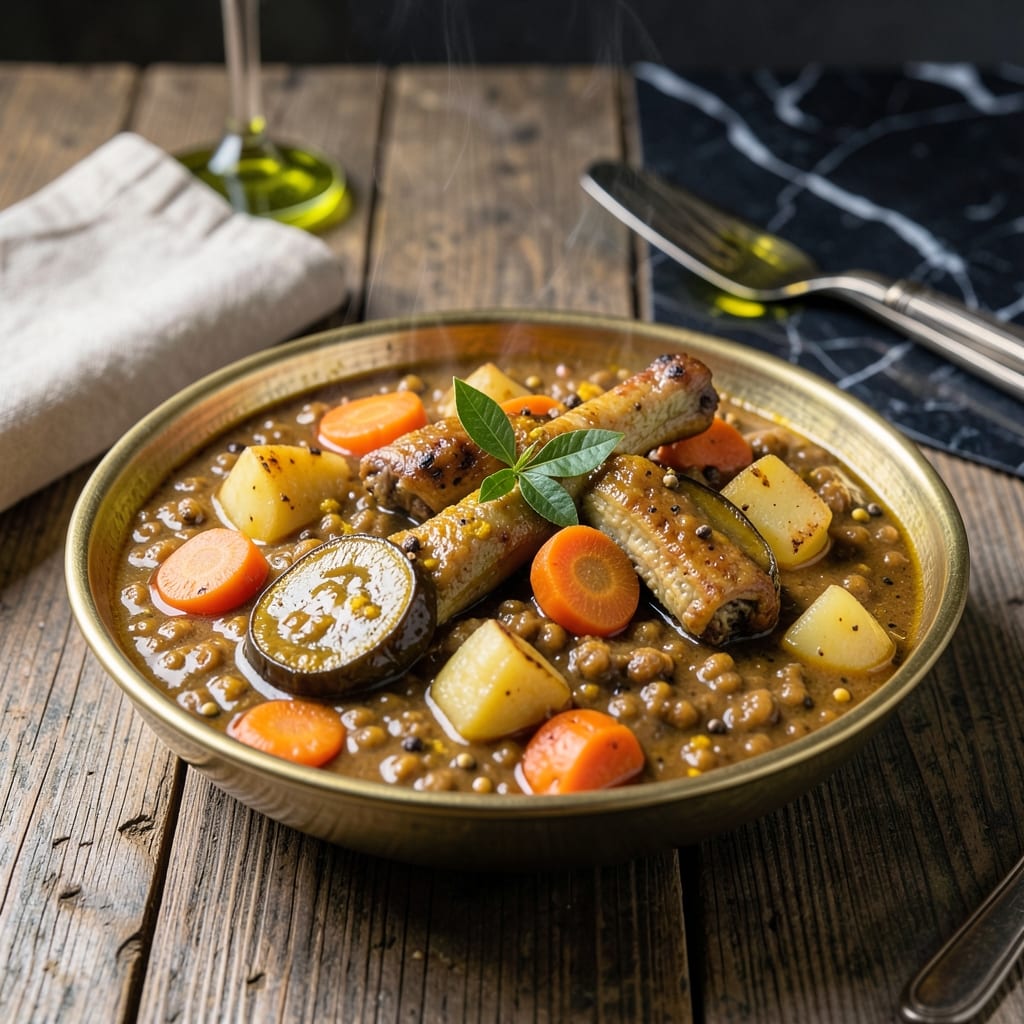
This authentic South Indian sambar brings traditional flavors to your kitchen with a perfect balance of tangy, spicy, and savory notes. The dish combines lentils, vegetables, and a signature tamarind base for a hearty, comforting stew.
The secret lies in the tempering process—mustard seeds, curry leaves, and dried red chilies bloomed in hot oil create layers of aroma. I’ve refined this method to ensure every bite delivers restaurant-quality depth without compromising authenticity.
What results is a rich, fragrant stew where the lentils melt into the broth and the vegetables soak up every spice. The tamarind adds just enough tang to brighten the earthy flavors, making this a dish worth mastering.
Serve with rice or idli for a complete meal. Here’s how to make it right.
Ingredients for Sambar Recipe Vismai Food
Authentic South Indian flavors start with these traditional ingredients for a hearty, tangy stew.
| Ingredient | Amount | Notes |
|---|---|---|
| Toor Dal 🌾 | 1 cup | Rinsed and drained thoroughly |
| Tamarind Pulp 🍈 | 2 tbsp | Soaked in warm water |
| Drumsticks 🌿 | 2 whole | Cut into 2-inch pieces |
| Eggplant 🍆 | 1 whole | Medium, cubed |
| Carrots 🥕 | 2 whole | Peeled and chopped |
| Potatoes 🥔 | 2 whole | Medium, cubed |
| Tomatoes 🍅 | 2 whole | Finely chopped |
| Green Chilies 🌶️ | 2 whole | Slit lengthwise |
| Mustard Seeds 🌿 | 1 tsp | For tempering |
| Cumin Seeds 🌿 | 1 tsp | For tempering |
| Curry Leaves 🍃 | 1 sprig | Fresh or dried |
| Dried Red Chilies 🌶️ | 2 whole | Broken into pieces |
| Asafoetida 🧂 | ¼ tsp | Hing, optional |
| Turmeric Powder 🌶️ | ½ tsp | For color and flavor |
| Sambar Powder 🌶️ | 2 tbsp | Or homemade blend |
| Coconut Oil 🥥 | 2 tbsp | For tempering |
[recipe_ingredient_scaler]
The lentils are the foundation—toor dal is traditional, but yellow moong dal works if that’s what you have. Find both at Indian grocery stores or online at Patel Brothers. Tamarind pulp is non-negotiable for that signature tang; look for seedless blocks at the same stores. Fresh curry leaves and drumsticks are ideal (the veggies, not the sticks you play), but dried curry leaves are a decent backup.
No tamarind? Lemon juice or lime juice in a pinch, but the flavor won’t be quite the same. Sambar powder is key—MTR or Double Horse are reliable brands. Missing a veggie? Okra, pumpkin, or radish all work beautifully. Asafoetida (hing) is optional but adds depth; if you’re gluten-free, check the label as some brands contain wheat.
Store toor dal in airtight containers for up to 6 months. Tamarind keeps indefinitely in a cool, dry place. Fresh curry leaves can be refrigerated for 1 week or frozen for 3 months.
Why You’ll Love This Recipe
- One-Pot Wonder: I toss everything—dal, tamarind, and veggies—into a single pot and let it simmer. Honestly, cleanup is just one spoon and a bowl.
- Tangy Depth: The tamarind pulp cuts through the dal so brightly, while drumsticks soak up that sour-spiced broth. It’s ridicuously good with rice or idli.
- Weeknight Hero: I make a big batch on Sunday and reheat portions all week. Even my picky nephew asks for seconds.
- Pantry Friendly: Toor dal and tamarind are kitchen staples, and I just add whatever veggies are lying around—carrots, eggplant, even potatoes.
Step-by-Step Instructions for Authentic South Indian Sambar
This traditional method ensures perfect balance of tangy, spicy, and savory flavors in every batch.
Step 1: Prepare the Toor Dal Base
Rinse the 1 cup Toor Dal thoroughly until the water runs clear, then drain completely. Transfer to a pressure cooker with 3 cups water and add the 0.5 tsp Turmeric Powder. I always use a 1:3 dal-to-water ratio for optimal creaminess without becoming mushy.
Pressure cook for 4-5 whistles on medium heat, then reduce to low and cook for another 10 minutes. The dal should be soft enough to mash easily between your fingers but still hold its shape. Turn off the heat and let the pressure release naturally—this prevents the dal from turning gluey.
Step 2: Cook the Vegetables with Tamarind
In a large pot, combine the 2 whole Drumsticks (cut into 2-inch pieces), cubed 1 whole Eggplant, chopped 2 whole Carrots, cubed 2 whole Potatoes, finely chopped 2 whole Tomatoes, and slit 2 whole Green Chilies.
Add 2 cups water and the 2 tbsp Tamarind Pulp soaked in warm water. Stir in the 2 tbsp Sambar Powder and bring to a boil. Reduce heat to medium and cook for 12-15 minutes until the vegetables are tender but not overcooked—you should be able to pierce them easily with a fork.
Step 3: Temper the Spices
In a small tempering pan, heat the 2 tbsp Coconut Oil over medium heat. Add the 1 tsp Mustard Seeds and let them pop—this should take about 30-45 seconds. Once the popping slows, add the 1 tsp Cumin Seeds, 1 sprig Curry Leaves, 2 whole Dried Red Chilies (broken into pieces), and 0.25 tsp Asafoetida.
Fry for 20-30 seconds until the cumin seeds turn light golden brown and the dried red chilies darken slightly. Be careful not to burn the spices—they should release a fragrant aroma, not a bitter smell. Immediately pour this tempering mixture into the cooked dal and vegetable mixture.
Step 4: Combine and Simmer
Add the cooked toor dal to the vegetable mixture and stir well to combine. The consistency should be medium-thick—add up to 1 cup water if it seems too thick. Bring the sambar to a gentle boil, then reduce the heat to low.
Let it simmer for 8-10 minutes to allow the flavors to meld together. Taste and adjust the seasoning if needed, though the sambar powder should provide enough salt. The final dish should have a balanced tang from the tamarind, heat from the chilies, and earthy depth from the lentils and vegetables.
Pro Tips For Making Sambar Recipe Vismai Food
- Soak the Dal: I learned this the hard way—soaking toor dal for at least 30 minutes cuts cooking time in half and prevents that mushy texture. Sounds like a small thing, but it actually changes the outcome.
- Balance the Tamarind: Tamarind pulp can overpower the dish if you’re not careful. Start with half the amount you think you need, then adjust—my grandmother swore by this, and she was right.
- Cook Drumsticks First: Drumsticks take longer to soften than eggplant or carrots, so add them to the pot 5-7 minutes earlier. Skipping this step leaves you with crunchy bits in an otherwise perfect sambar.
- Use Fresh Sambar Powder: After burning three batches, I finally figured out that stale sambar powder loses its punch. Toast and grind fresh spices if you can—it’s the thing that matters most.
Health Benefits of sambar recipe vismai food
Protein and Fiber Rich
This dish packs a powerful nutritional punch with toor dal providing about 22 grams of protein and 15 grams of fiber per cooked cup. The combination keeps you full for hours while supporting muscle health and digestion. I notice my energy levels stay steady after eating this. 💪
Vitamin-Rich Vegetables
The mixed vegetables bring a spectrum of vitamins: drumsticks are loaded with vitamin C and iron, while carrots provide over 200% of your daily vitamin A needs per serving. Eggplant adds antioxidants that help combat inflammation.
Digestive Health Boost
The tamarind in this stew isn’t just for flavor—it’s rich in dietary fiber that promotes gut health. Combined with the lentils, it creates a prebiotic effect that supports your microbiome. I’ve found it helps with bloating when eaten regularly.
Low Glycemic Index
With its balance of protein, fiber, and complex carbs, this dish has a low glycemic index. This means it won’t spike your blood sugar, making it ideal for diabetics or anyone watching their glucose levels. The slow-release energy keeps you going for hours.
Rich in Antioxidants
Turmeric and cumin seeds both contain powerful antioxidants that help fight oxidative stress. The curry leaves add unique compounds like girinimbine that have been studied for their anti-inflammatory properties. 🌱
Bone Health Support
The drumsticks are particularly high in calcium and magnesium, essential minerals for maintaining strong bones. One serving provides about 20% of your daily calcium needs, which is especially important for aging adults or growing children.
Nutrition Facts
Frequently Asked Questions
Can I use other lentils besides toor dal?
Yes, yellow moong dal works as a substitute. It cooks faster, so reduce pressure cooking time to 3 whistles. The flavor will be slightly milder but still delicious.
What if my sambar turns out too tangy?
Balance it by adding a pinch of sugar or jaggery. You can also mix in a spoonful of coconut milk to mellow the tamarind’s sharpness without diluting the flavor.
How do I store leftover sambar?
Cool completely, then refrigerate in an airtight container for up to 3 days. Reheat gently on medium heat, adding a splash of water if it thickens. Avoid freezing as it can alter the texture.
Why did my tempering spices burn?
Likely the heat was too high. Always use medium-low heat and remove the pan from heat as soon as the mustard seeds finish popping. Burnt spices create a bitter taste.

Trained in classic French technique but raised on slow-cooked ribs and spicy rubs, she blends culinary skill with smoke and soul.
- Recipe for Boneless Pork Chops in Cast Iron Skillet: Sear and Baste to Juicy Perfection - October 3, 2026
- Recipe for Boneless Cross Rib Roast: Slow-Roasted Beef with Herb Crust - October 3, 2026
- Hamburgers in Sauce Recipe Crock Pot: Slow-Cooked Savory Delight - October 3, 2026