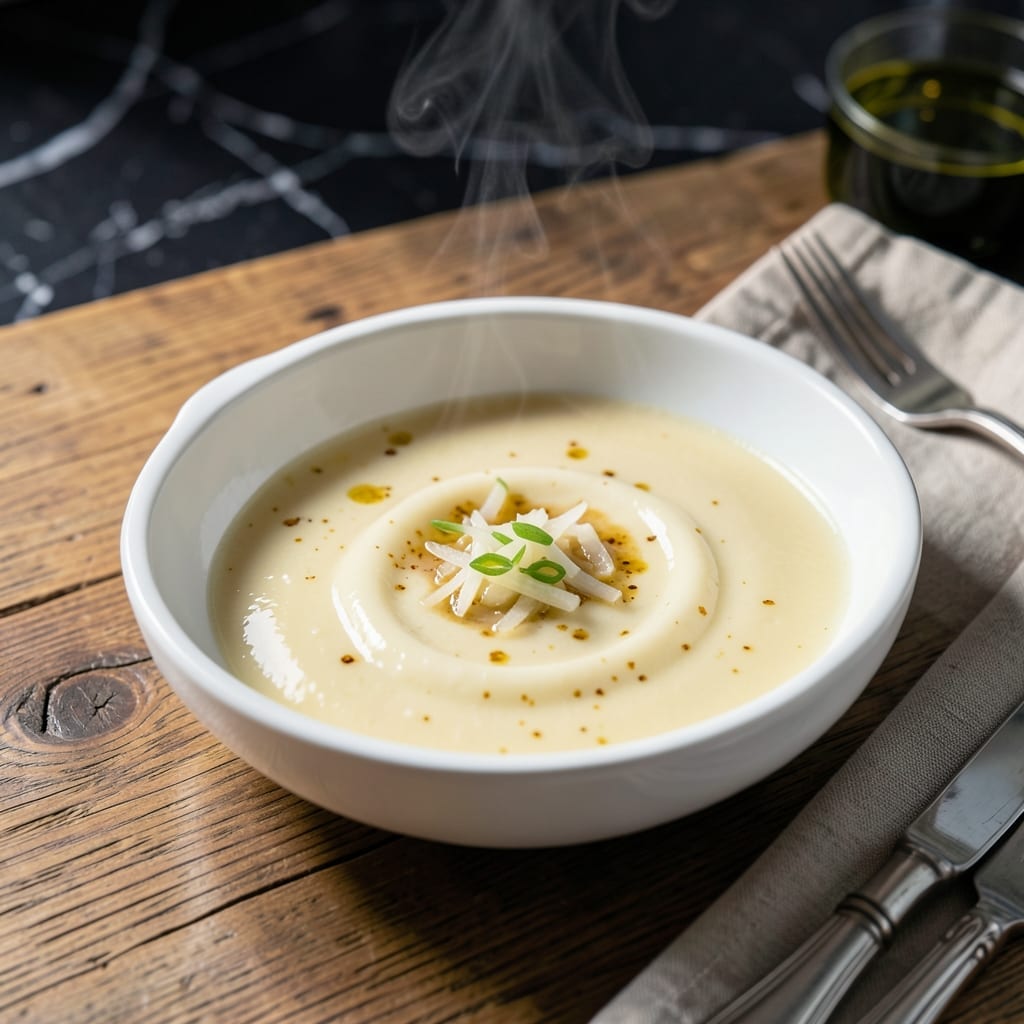
This classic French sauce transforms simple ingredients into a rich, tangy emulsion that elevates any dish. My French training taught me that mastering the basics creates extraordinary results.
The secret lies in the precise balance of mustard, vinegar, and butter, creating a smooth texture that clings beautifully to meats or vegetables. It requires no special equipment, just careful attention to temperature and timing.
What emerges is a versatile condiment that’s both bold and delicate, with a bright acidity that cuts through rich flavors. The technique is straightforward, but the outcome is anything but ordinary.
Use it to finish grilled meats, drizzle over roasted vegetables, or serve with cold cuts. Here’s how to make this classic sauce.
Ingredients for Sauce Robert
Eight classic ingredients create this refined French emulsion with perfect balance and texture.
| Ingredient | Amount | Notes |
|---|---|---|
| Dijon Mustard 🟡 | 2 tbsp | Smooth, high-quality preferred |
| White Wine Vinegar 💧 | 3 tbsp | Bright acidity essential |
| Unsalted Butter 🧈 | ¾ cup | Cold, cut into small cubes |
| Shallot 🧅 | 1 whole | Finely minced for base |
| Dry White Wine 🍷 | 2 tbsp | For depth of flavor |
| Salt 🧂 | ¼ tsp | Fine sea salt preferred |
| White Pepper ⚪ | 0.125 tsp | Freshly ground for subtlety |
| Fresh Tarragon 🌿 | 1 tsp | Chopped, optional garnish |
[recipe_ingredient_scaler]
The mustard is non-negotiable—Maille or Grey Poupon Dijon for authentic French flavor. Use a vinegar with bright acidity; white wine vinegar is standard, but champagne vinegar adds elegance. Butter quality matters: European-style unsalted (like Plugrá or Kerrygold) has higher fat content for superior emulsion. Shallots, not onions, provide the delicate base note this sauce demands.
No white wine? Substitute with additional vinegar and a pinch of sugar. In a pinch, red wine vinegar works but darkens the sauce. For shallots, minced white onion at half the quantity suffices. The tarragon garnish is traditional but optional—fresh chervil or parsley can stand in if you want the herbal note.
This sauce holds at room temperature for 2 hours—perfect for dinner parties. Refrigerate in an airtight container for up to 4 days. Reheat gently in a bain-marie to prevent separation. Avoid microwaving; it can break the delicate emulsion.
Why You’ll Love This Recipe
- 5-Minute Magic: I can have this silky, tangy sauce ready before the steaks finish resting.
- That Dijon-Wine Punch: The sharp mustard and dry white wine balance into this rich, buttery finish that clings to everything.
- Dinner Party Hero: I drizzle it over chicken, fish, even roasted veggies—always the first thing guests ask about.
- Pantry Staples Only: Shallots, butter, and a splash of wine—no special shopping, just restaurant flavor from my own kitchen.
Step-by-Step Instructions for Sauce Robert
Here is the classic method that delivers a rich, emulsified sauce with perfect consistency.
Step 1: Sauté the Shallot Until Translucent
Heat a small saucepan over medium-low heat. Add the finely minced shallot and cook for 2-3 minutes, stirring frequently, until it becomes translucent and fragrant without browning. This gentle cooking softens the shallot and removes its sharpness while preserving its delicate flavor.
Watch the heat carefully—if it’s too high, the shallot will brown too quickly and develop bitter notes. You want a subtle, sweet base for the sauce. The shallot is ready when it looks glassy and releases its aroma.
Step 2: Deglaze with Vinegar and Wine
Add the 3 tbsp white wine vinegar and 2 tbsp dry white wine to the saucepan. Increase the heat to medium and simmer for 3-4 minutes until the liquid reduces by half. The mixture should be slightly syrupy and coat the back of a spoon lightly.
This reduction step concentrates the acidity and alcohol, creating a balanced foundation for the emulsion. The vinegar provides brightness, while the wine adds depth. You’ll notice the raw alcohol smell dissipating as it cooks down.
Step 3: Incorporate the Mustard
Reduce the heat to low and stir in the 2 tbsp Dijon mustard. Cook for 1 minute, stirring constantly, until the mixture is smooth and well combined. The mustard will thicken the base slightly and add its characteristic tang.
Ensure the mustard is fully dissolved into the reduction—this creates a stable base for the emulsion. The mixture should look uniform with no visible mustard streaks. This step builds the flavor profile that defines Sauce Robert.
Step 4: Emulsify with Cold Butter
Begin adding the 0.75 cup unsalted butter (cold and cut into small cubes) 1-2 pieces at a time, whisking constantly over low heat. The sauce will start to thicken and become glossy as the butter melts and emulsifies with the liquid. This process takes 5-7 minutes total.
The key is maintaining a low, steady heat and adding the butter gradually. If the sauce looks greasy or begins to separate, remove it from the heat immediately and whisk vigorously to bring it back together. The finished sauce should be smooth, creamy, and coat the back of a spoon heavily.
Step 5: Season and Finish
Remove the saucepan from heat and stir in the 0.25 tsp salt and 0.125 tsp white pepper. Taste and adjust seasoning if needed. For a traditional finish, stir in the 1 tsp fresh tarragon if using, or use it as a garnish when serving.
The sauce should now have a velvety texture and a balanced flavor—tangy from the vinegar and mustard, rich from the butter, with a subtle herbal note from the tarragon. Serve immediately over grilled meats, poultry, or vegetables while still warm and emulsified.
Pro Tips For Making Sauce Robert
- Reduce the Wine First: Simmer the white wine by at least half before adding vinegar—this burns off the alcohol and concentrates the flavor so the sauce doesn’t taste raw or thin.
- Mince the Shallot Fine: A fine mince ensures the shallot melts into the sauce rather than leaving noticeable bits, and I learned this the hard way after a chunky first attempt.
- Whisk Off the Heat: When adding butter, pull the pan off the heat and whisk steadily—this keeps the sauce smooth and prevents it from separating into a greasy mess.
- Use Room-Temp Butter: Cold butter can cause the sauce to break, so let it sit out for 20 minutes first; it blends in faster and creates a silkier finish.
Dietary Considerations for These Flavors
Gluten-Free Friendly
This recipe is naturally gluten-free as all ingredients—Dijon mustard, white wine vinegar, butter, and shallots—contain no gluten. I always double-check my Maille Dijon label, as some brands may add thickeners. For absolute certainty, use certified gluten-free mustard. 💪
Dairy Considerations
The primary dairy component here is 0.75 cup unsalted butter. For a dairy-free version, substitute with coconut oil or a high-quality vegan butter like Miyoko’s. Note that the flavor profile will shift slightly, losing some of that classic French richness.
Vegan Adaptation
Replace butter with vegan butter and Dijon mustard with a vegan alternative. Use shallot-infused olive oil for depth. The emulsion may be less stable, so whisk vigorously and keep heat very low. I’ve had success with Earth Balance butter for this.
Low-Carb/Keto
With only 3g net carbs per serving (primarily from shallots), this sauce fits perfectly into low-carb diets. The butter and mustard provide healthy fats without added sugars. It’s one of my go-to finishes for grilled proteins on keto days.
Allergen Notes
Contains dairy (butter) and mustard. For mustard allergies, omit entirely—though this changes the sauce’s character. Always verify wine vinegar for sulfite sensitivity. I keep apple cider vinegar on hand as a backup for sensitive guests.
Sodium Control
To reduce sodium, use low-sodium Dijon and unsalted butter. I’ve found Annie’s Organic Dijon has 60% less sodium than traditional brands. Adjust the 0.25 tsp salt at the end or omit entirely if preferred.
Nutrition Facts
Frequently Asked Questions
What’s the best vinegar to use?
White wine vinegar gives the classic bright acidity, but champagne vinegar adds elegance. Avoid balsamic—it’s too strong and darkens the sauce.
Can I make this ahead of time?
Yes, it holds at room temperature for 2 hours. Refrigerate in an airtight container for up to 4 days. Reheat gently in a bain-marie to prevent separation.
Why did my sauce break?
Likely the heat was too high or butter was added too fast. Remove from heat and whisk vigorously—it often comes back together.
What’s a good mustard substitute?
In a pinch, use whole-grain mustard for texture, but strain it for smoothness. Avoid yellow mustard—it’s too mild.

Trained in classic French technique but raised on slow-cooked ribs and spicy rubs, she blends culinary skill with smoke and soul.
- Recipe for Curried Lamb Chops: Spice-Rubbed and Pan-Seared to Succulence - October 3, 2026
- Recipe for Boneless Leg of Lamb Roast in the Oven: Herb-Crusted and Rosy Pink Inside - October 3, 2026
- Meat Loaf Recipe With Beef And Pork: Homestyle Blend With Rich Gravy - October 3, 2026