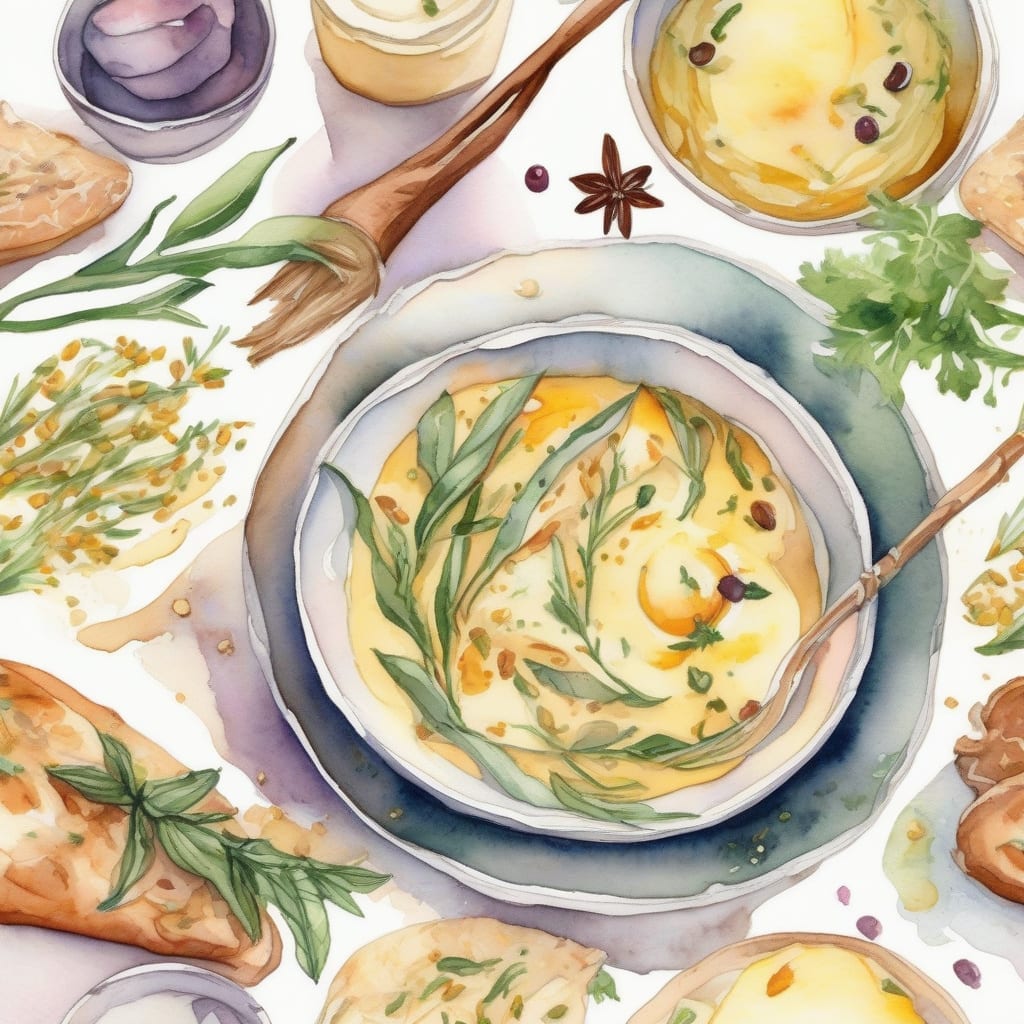
I’ve discovered a game-changing ingredient that elevates savory dishes to new heights: vanilla. ✨ Yes, you read that right – vanilla isn’t just for sweet treats anymore. Its creamy, aromatic flavor adds depth to unexpected savory recipes that will surprise your taste buds.
The beauty of using vanilla in savory cooking lies in its ability to enhance other flavors without overpowering them. I was skeptical at first, but after experimenting with various combinations, I’ve created recipes that showcase vanilla’s versatility in savory dishes.
From rich stews to perfectly roasted vegetables, vanilla brings a new dimension to comfort food. Let’s explore how to incorporate this unexpected ingredient into your savory cooking repertoire and transform your meals.
We’ll dive into specific recipes that demonstrate vanilla’s potential in savory cooking, including temperature-controlled techniques and creative plating ideas.
Ingredients for savory vanilla recipes
Here’s everything you need to create this savory vanilla dish with aromatic flavors.
| Ingredient | Amount | Notes |
|---|---|---|
| Vanilla Bean 🌿 | 1 whole | Split lengthwise, seeds scraped |
| Olive Oil 🫒 | 2 tbsp | Extra-virgin for richness |
| Garlic Cloves 🧄 | 4 cloves | Minced, for depth |
| Carrots 🥕 | 1 lb | Peeled, sliced thin |
| Onion 🧅 | 1 whole | Thinly sliced, caramelized |
| Chicken Thighs 🍗 | 1 ½ lb | Boneless, skinless |
| Chicken Broth 🥛 | 2 cups | Low-sodium, homemade or store-bought |
| Heavy Cream 🥛 | ½ cup | For creaminess |
| Fresh Thyme 🌿 | 2 tbsp | Chopped, for freshness |
| Salt 🧂 | 1 tsp | Kosher or sea salt |
| Black Pepper 🌶️ | ½ tsp | Freshly ground |
| Fresh Parsley 🌿 | ¼ cup | Chopped, for garnish |
[recipe_ingredient_scaler]
You can find vanilla beans at specialty spice stores or online. Look for plump, moist beans with a strong aroma. For the best quality olive oil, choose cold-pressed, extra-virgin varieties. When buying chicken, consider organic or free-range for better flavor.
If you can't find vanilla beans, use 1/2 teaspoon of pure vanilla extract as a substitute. For a dairy-free version, replace heavy cream with coconut cream. You can also use different vegetables like parsnips or sweet potatoes in place of carrots.
Store leftover vanilla bean pods in an airtight container with sugar to make vanilla sugar. Keep fresh herbs like thyme and parsley wrapped in damp paper towels in the fridge for up to 5 days. Use any leftover chicken broth within 3 days or freeze for later use.
Step-by-Step Instructions for Savory Vanilla Delights
Let me guide you through the preparation of this unique savory dish that showcases vanilla’s versatility.
👨🍳 Step 1: Prepare the Vanilla-Infused Oil
Start by creating the vanilla-infused oil that will be the flavor foundation of our dish. In a small bowl, combine the scraped vanilla bean seeds with 2 tablespoons of olive oil. I like to use high-quality extra-virgin olive oil for its rich, fruity notes that complement the vanilla beautifully. Mix well until the vanilla seeds are evenly distributed throughout the oil, creating a fragrant and aromatic blend.
The vanilla seeds will infuse their complex flavor into the oil, which we’ll use to enhance our dish. Let it sit for at least 10 minutes to allow the flavors to meld together properly. This resting period is crucial as it lets the vanilla and olive oil marry, creating a deep, rich flavor profile that will elevate our savory vanilla delight.
🔥 Step 2: Sear the Chicken Thighs
Heat a large skillet over medium-high heat and add the prepared vanilla-infused oil. Once the oil is hot and shimmering, add the 1.5 pounds of boneless, skinless chicken thighs, seasoned with 1 teaspoon of salt and 0.5 teaspoon of freshly ground black pepper. Sear the chicken for 5-6 minutes per side until they develop a golden-brown crust and reach an internal temperature of 165°F.
The key here is to achieve a nice sear on the chicken, which not only adds texture but also locks in the juices. Make sure not to overcrowd the pan; cook in batches if necessary. Once cooked, transfer the chicken to a plate and set aside to rest. The resting period allows the juices to redistribute, ensuring the chicken remains moist and tender.
🍳 Step 3: Sauté the Aromatics and Carrots
In the same skillet, reduce the heat to medium and add the 4 cloves of minced garlic. Cook for 1 minute until fragrant, being careful not to let it burn. Then, add the 1 pound of thinly sliced carrots and 1 thinly sliced onion. Cook for 8-10 minutes, stirring occasionally, until the carrots are tender and the onions are caramelized and golden brown.
The slow cooking of the carrots and onions is essential for developing the dish’s depth of flavor. As they cook, they will absorb the savory vanilla flavors from the infused oil, creating a harmonious blend. Stir occasionally to prevent sticking and ensure even cooking.
🥘 Step 4: Combine Ingredients and Finish the Dish
Pour in the 2 cups of low-sodium chicken broth and bring the mixture to a simmer. Scrape up any browned bits from the bottom of the pan to incorporate all the flavors. Return the chicken thighs to the skillet, nestling them among the vegetables. Reduce the heat to low and simmer, covered, for 10-15 minutes until the sauce has slightly thickened and the chicken is heated through.
Stir in the 0.5 cup of heavy cream and 2 tablespoons of chopped fresh thyme. Let it simmer for an additional 2-3 minutes until the sauce coats the back of a spoon. The cream adds a luxurious texture, while the thyme provides a fresh, herbal note that balances the dish.
🍽️ Step 5: Serve and Garnish
To serve, place a chicken thigh on each plate, surrounded by the carrots and onions. Spoon some of the creamy sauce over the top. Garnish with chopped fresh parsley for a pop of color and freshness. The final presentation should be appetizing and visually appealing, with the savory vanilla flavors shining through in every component.
This savory vanilla delight is a true culinary innovation, showcasing how vanilla can enhance savory dishes. The combination of tender chicken, caramelized vegetables, and a rich, creamy sauce infused with vanilla creates a truly memorable meal.
Vanilla is often associated with sweet treats, but it can also elevate savory dishes to new heights! 🌟 By incorporating vanilla into your savory recipes, you can add depth and warmth to a variety of dishes. Let’s dive into some creative ways to use vanilla in your cooking.
Vanilla-Infused Sauces and Marinades 🔥
Vanilla can be used to create rich and complex sauces and marinades. Try combining vanilla extract with olive oil, garlic, and herbs to create a delicious marinade for grilled meats or vegetables. You can also use vanilla to add a subtle sweetness to your BBQ sauce or teriyaki sauce.
- Combine 1/4 cup olive oil, 2 cloves minced garlic, 1 tablespoon vanilla extract, and 1 tablespoon chopped fresh herbs (such as thyme or rosemary) for a savory marinade.
- Mix 1/2 cup ketchup, 1/4 cup apple cider vinegar, 2 tablespoons vanilla extract, and 1 tablespoon brown sugar for a sweet and tangy BBQ sauce.
Savory Vanilla Spice Blends 💡
Create your own custom spice blends by combining vanilla with other savory spices. This can add a unique flavor dimension to your dishes. Try mixing vanilla with:
- Cumin, coriander, and chili powder for a Mexican-inspired blend.
- Thyme, rosemary, and garlic powder for a herby, aromatic blend.
- Paprika, garlic powder, and onion powder for a smoky, savory blend.
By incorporating vanilla into your savory cooking, you can add a new level of complexity and interest to your dishes. Experiment with different combinations and find your new favorite flavor! 👨🍳
Tips & Tricks for Perfect Savory Vanilla Delights
These expert tips will help you master the art of incorporating vanilla into savory dishes, elevating your culinary creations.
Vanilla Bean Selection: Choose high-quality vanilla beans with a rich, aromatic fragrance. I prefer beans that are plump and slightly oily to the touch, as they tend to have more complex flavor profiles. For this recipe, using a fresh vanilla bean makes all the difference in the depth of flavor. 🌟
Infusion Time Matters: In Step 1, when preparing the vanilla-infused oil, letting it sit for at least 10 minutes allows the vanilla to fully infuse into the oil, creating a more robust flavor. You can even prepare this ahead and store it in an airtight container for up to 24 hours in the refrigerator.
Cooking Techniques: When searing the chicken in Step 2, make sure the pan is hot enough that the chicken sizzles upon contact. This creates a beautiful crust that locks in juices. Don’t overcrowd the pan; cook in batches if necessary to ensure even cooking.
Savoring the Sauce: In Step 4, when adding the heavy cream and thyme, be patient and let it simmer gently. This allows the sauce to thicken and the flavors to meld together beautifully, coating the chicken and vegetables evenly.
Nutrition Facts
380kcal
[recipe_ingredient_scaler]

Trained in classic French technique but raised on slow-cooked ribs and spicy rubs, she blends culinary skill with smoke and soul.
- Recipe for Oven Baked Halibut: Buttery White Fish with Zesty Lemon Topping - October 3, 2026
- Meatball Curry Recipe Kerala Style: Coconut-Spiced Gravy With Tender Bites - October 3, 2026
- Recipe for Curried Tofu: Aromatic Spices With Crispy Edges - October 3, 2026