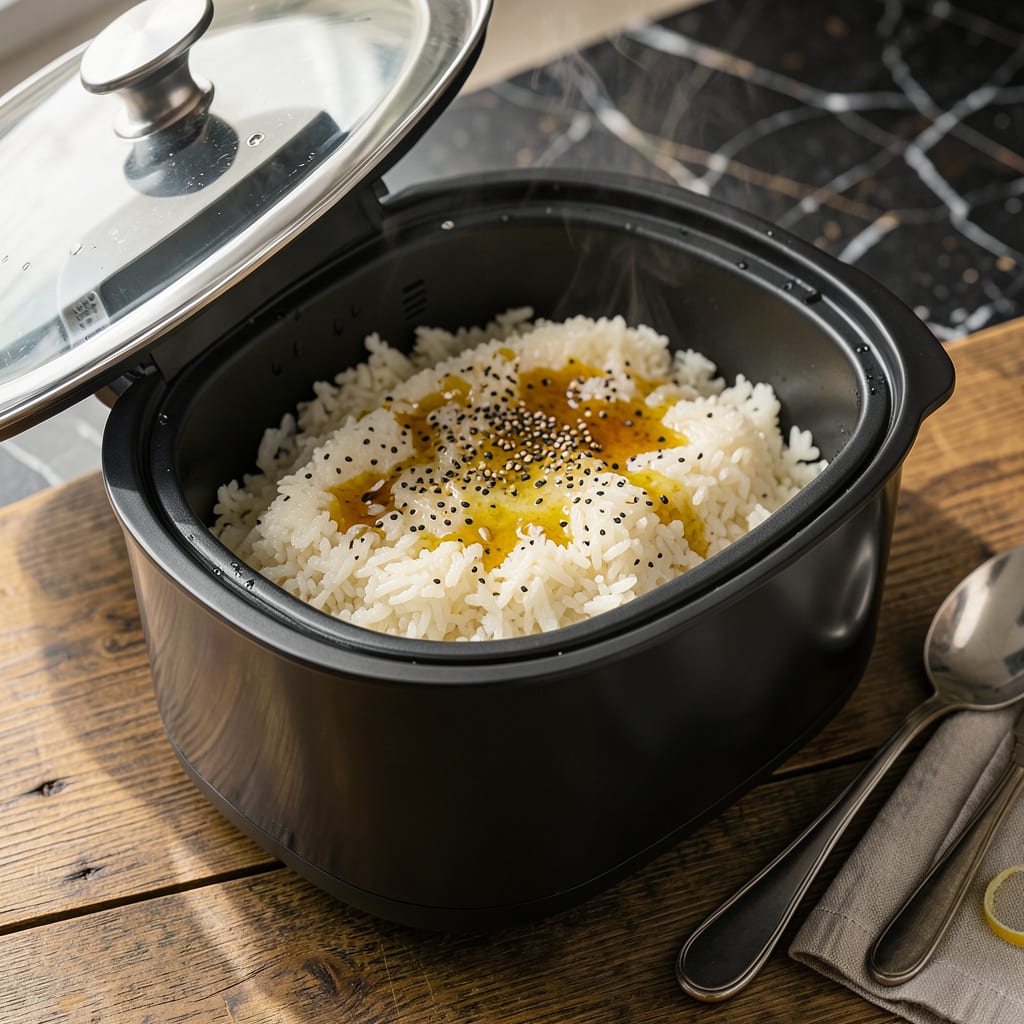
Cooking rice in a rice cooker becomes extraordinary when you incorporate sesame oil—a simple addition that transforms basic grains into an aromatic side dish. The nutty depth of toasted sesame oil infuses every bite, creating fluffy rice with layers of flavor that pair perfectly with any Asian-inspired meal. This method requires no advanced skills, just precise measurements and timing.
I developed this technique after years of experimenting with rice cooker variations, discovering that just 1 teaspoon of sesame oil per cup of rice elevates the entire dish. The key is adding the oil before cooking begins, allowing its fragrance to permeate the grains as they steam. For even richer flavor, briefly toast the rice with oil in the cooker’s pot before adding water.
What emerges is perfectly cooked rice with a subtle golden sheen and complex aroma. The sesame oil doesn’t overpower but rather enhances the natural sweetness of the rice, making it versatile enough for stir-fries, grilled proteins, or simple vegetable sides. It’s a foolproof way to turn an everyday staple into something special.
This method works with white, jasmine, or brown rice varieties. For a complete meal, stir in sautéed garlic, ginger, or diced vegetables after cooking. The rice cooker does all the work while you prepare the rest of your meal—efficiency without sacrificing quality.
📚 In This Guide
- What You’ll Need
- Instructions
- Tips and Common Mistakes
What Youll Need
- ● Rice cooker (standard 3-5 cup capacity with non-stick inner pot 🥘)
- ● 1 cup long-grain white rice (or jasmine rice for extra fragrance)
- ● 1.25 cups water (adjust based on rice type)
- ● 1-2 tsp toasted sesame oil (pure, unblended for best flavor)
- ○ ½ tsp salt (optional, adjust to taste)
- ○ Optional boosters: 1 tsp soy sauce (for umami depth)
- ● 1 clove minced garlic (sautéed first for aroma)
- ● 1 tsp sesame seeds (toasted, for garnish)
- ● ½ tsp sugar (balances flavors in savory dishes)
- ● Tools: Measuring cups, rice paddle (or silicone spatula), fine-mesh strainer (for rinsing rice).
- ● Prerequisite: Rinse rice until water runs clear to remove excess starch!
Instructions for Perfect Sesame Oil Rice
Here’s how to transform plain rice into something extraordinary with just one simple addition.
Measure and Rinse Your Rice
Start by measuring out your rice using the cup that came with your rice cooker. I always use this specific cup because it’s calibrated for the cooker’s capacity. For 4 servings, you’ll typically need about 2 cups of rice, but check your cooker’s guidelines.
Rinse the rice thoroughly under cold water until the water runs clear. This removes excess starch and prevents gummy rice. I like to swirl the rice with my hand while rinsing to make sure every grain gets cleaned. Drain well in a fine-mesh strainer, shaking gently to remove all excess water.
Add Water and Sesame Oil
Transfer the rinsed rice to your rice cooker pot. Add water according to your cooker’s instructions—usually about 2¼ cups for 2 cups of rice. The water level should come to just above your first knuckle when you place your finger on top of the rice.
Here’s the magic touch: add 1-2 teaspoons of sesame oil to the water. I prefer toasted sesame oil for its deeper, nuttier flavor, but regular sesame oil works too. Stir gently with a rice paddle or spoon to distribute the oil evenly. You’ll notice the water takes on a slight golden hue—that’s how you know the oil is properly incorporated.
Cook with the Standard Rice Setting
Close the rice cooker lid and select the standard white rice setting. Let the cooker do its work undisturbed. You’ll start to smell that wonderful nutty aroma of sesame oil as the rice cooks—this is your signal that the flavor is infusing perfectly into every grain.
The cooking process usually takes about 20-25 minutes, depending on your specific cooker model. Resist the temptation to open the lid during cooking, as this releases steam and can affect the cooking time and texture. Most modern rice cookers will automatically switch to “keep warm” when done.
Let It Steam and Absorb Flavors
Once the cooker switches to keep warm, let the rice sit undisturbed for an additional 10-15 minutes. This resting period is crucial—it allows the rice to fully absorb any remaining moisture and lets the sesame oil flavor permeate throughout.
You’ll know it’s ready when you open the lid and see perfectly fluffy rice with a subtle sheen from the sesame oil. The aroma should be intoxicating—a rich, nutty fragrance that makes plain rice seem boring by comparison. Gently fluff the rice with a paddle, turning it from bottom to top to distribute any oil that may have settled.
Serve and Enjoy the Nutty Aroma
Scoop the sesame rice into bowls while it’s still hot. The grains should be separate and fluffy, with just a hint of stickiness from the sesame oil. You’ll notice each bite carries that distinctive nutty flavor without being greasy—the oil should be perfectly distributed throughout.
This rice pairs beautifully with any Asian-inspired dish, but it’s so flavorful it can stand alone too. I love serving it with simple grilled proteins or stir-fried vegetables. The sesame aroma will fill your kitchen and have everyone asking for your secret—little will they know it’s just one simple ingredient added to their usual rice routine.
Tips and Common Mistakes
Let me share what I’ve learned about getting that perfect nutty aroma in every grain.
Rinsing Matters: In Step 1, don’t rush the rinsing process. I’ve found that swirling the rice with my fingers while rinsing under cold water for at least 30 seconds removes more starch than just letting water run over it. This extra effort prevents gummy rice and ensures each grain stays separate and fluffy. The water should run completely clear before you drain it.
Oil Distribution: When adding the 1-2 teaspoons of sesame oil in Step 2, here’s what nobody tells you—stir it gently but thoroughly. I use a rice paddle to make figure-eight motions in the pot, which helps distribute the oil evenly without breaking the rice grains. You should see that golden hue throughout the water, not just floating on top.
The Resting Period: That 10-15 minute resting time in Step 4 is non-negotiable. I learned this the hard way after serving underwhelming rice that hadn’t fully absorbed the sesame flavor. The steam during this period carries the nutty aroma deep into each grain. Set a timer and resist the urge to peek—this is when the magic happens.
Fluffing Technique: Before serving, use your rice paddle to gently turn the rice from bottom to top. This redistributes any sesame oil that may have settled at the bottom and ensures every bite has that perfect nutty flavor. Don’t stir aggressively—think of it more like folding a delicate batter.
Pro Tips for Sesame Oil In Rice Cooker
- Let me share what I’ve learned about getting that perfect nutty aroma in every grain.
- Rinsing Matters: In Step 1, don’t rush the rinsing process. I’ve found that swirling the rice with my fingers while r…
- Oil Distribution: When adding the 1-2 teaspoons of sesame oil in Step 2, here’s what nobody tells you—stir it gently …
Frequently Asked Questions
Can I add sesame oil directly to the rice cooker with uncooked rice?
Yes! Add 1–2 tsp sesame oil per cup of uncooked rice directly to the pot before cooking. Mix it with the rice and water to distribute the flavor evenly. For stronger aroma, toast the rice in the oil for 1–2 minutes on “Sauté” mode (if available) before adding water. Avoid overdoing it—too much oil can make rice greasy.
When’s the best time to add sesame oil—before or after cooking?
Both work, but timing changes the flavor:
- Before cooking: Infuses every grain with a subtle nutty taste.
- After cooking: Drizzle ½–1 tsp over hot rice for a bolder, aromatic finish. Pro tip: Toss gently to avoid clumping!
What’s a good substitute if I don’t have sesame oil?
Try these swaps (use half the amount—they’re stronger!):
- Toasted sesame seeds + neutral oil: Crush 1 tsp seeds, mix with 1 tsp vegetable oil.
- Perilla oil: Earthy, nutty flavor (common in Korean cuisine).
- Walnut or peanut oil: Adds richness but lacks sesame’s distinct taste.
Why does my rice turn out oily or sticky when using sesame oil?
Common culprits:
- Too much oil: Stick to 1 tsp per cup of rice max.
- Wrong rice-to-water ratio: Sesame oil can slightly reduce water absorption—use 1–2 tbsp less water than usual.
- Over-mixing: Stir just once after cooking to keep grains separate.
Fix it: Rinse rice thoroughly before cooking to remove excess starch.
Does sesame oil burn in a rice cooker?
Rarely! Sesame oil has a high smoke point (~410°F), and rice cookers max out around 212°F. But if your cooker has a “Quick Cook” or “Crispy” mode, add oil after cooking to prevent bitterness. For extra safety, mix oil with water first to dilute it.
Adding sesame oil to your rice cooker is a simple yet game-changing trick for flavor-packed, aromatic rice every time. With just a drizzle, you’ll elevate plain rice into a nutty, fragrant side that pairs perfectly with any meal. 🍚✨
Now that you’ve got the know-how, grab your rice cooker and experiment with different sesame oil varieties—toasted for depth or light for subtlety. Ready to take it further? Try mixing in garlic, ginger, or even a splash of soy sauce for an umami boost! Happy cooking! 👩🍳💛

Trained in classic French technique but raised on slow-cooked ribs and spicy rubs, she blends culinary skill with smoke and soul.
- Recipe for Boneless Pork Chops in Cast Iron Skillet: Sear and Baste to Juicy Perfection - October 3, 2026
- Recipe for Boneless Cross Rib Roast: Slow-Roasted Beef with Herb Crust - October 3, 2026
- Hamburgers in Sauce Recipe Crock Pot: Slow-Cooked Savory Delight - October 3, 2026