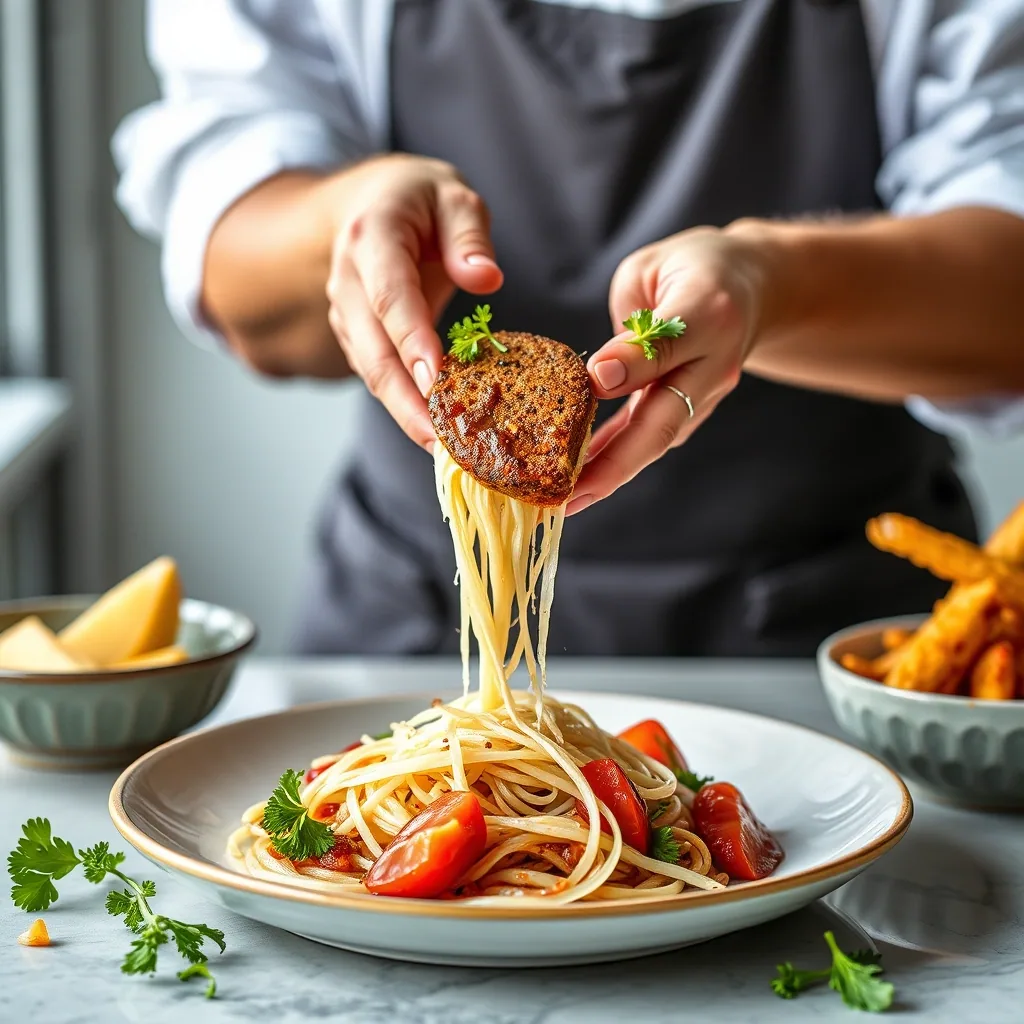
I’m thrilled to share this vibrant Shrimp Canton recipe that brings Filipino comfort food straight to your kitchen! 🍤😋 These savory stir-fried noodles packed with tender shrimp and crisp vegetables come together in just 30 minutes—perfect for busy weeknight dinners that don’t compromise on flavor.
Ingredients for shrimp canton
Here’s everything you need to create this delicious Filipino-style shrimp canton with vibrant vegetables.
| Ingredient | Amount | Notes |
|---|---|---|
| Canton Noodles 🍜 | 1 lb | Fresh or dried egg noodles |
| Large Shrimp 🍤 | 1 lb | Peeled and deveined |
| Vegetable Oil 🫒 | 3 tbsp | For stir-frying |
| Garlic 🧄 | 6 cloves | Minced |
| Yellow Onion 🧅 | 1 whole | Sliced |
| Cabbage 🥬 | 2 cup | Shredded |
| Carrots 🥕 | 1 cup | Julienned |
| Snow Peas 🫛 | 1 cup | Trimmed |
| Soy Sauce 🥢 | 4 tbsp | Regular or low-sodium |
| Oyster Sauce 🦪 | 2 tbsp | For umami depth |
| Chicken Broth 🍲 | 1 cup | Or vegetable broth |
| Green Onions 🌱 | 4 whole | Chopped for garnish |
| Black Pepper 🌶️ | ½ tsp | Freshly ground |
[recipe_ingredient_scaler]
Find fresh canton noodles at Asian markets like 99 Ranch or H Mart, or use dried egg noodles from brands like Twin Marquis. Look for wild-caught shrimp at Whole Foods or your local fishmonger. Lee Kum Kee oyster sauce delivers authentic flavor.
Substitute canton noodles with lo mein or pancit noodles if unavailable. Choose shrimp that smell fresh and ocean-like, with firm texture and translucent appearance. You can swap snow peas with snap peas or green beans, and add bell peppers for extra color and sweetness.
Store uncooked shrimp in the coldest part of your refrigerator and use within two days. Leftover canton keeps refrigerated for three days; reheat in a skillet with a splash of broth to restore moisture.
Step-by-Step Instructions for Shrimp Canton
Let me walk you through making this delicious Filipino stir-fried noodle dish with simple, easy-to-follow steps.
🔪 Step 1: Prep Your Ingredients
I always start by getting everything ready before I turn on the heat—this makes the cooking process so much smoother. First, peel and devein your 1 pound of shrimp, then pat them dry with paper towels. Season the shrimp lightly with a pinch of salt and pepper.
Next, I slice 1 medium onion thinly, mince 3 cloves of garlic, and julienne 1 medium carrot into thin strips. Chop 2 cups of cabbage into bite-sized pieces and slice 4 ounces of snow peas diagonally. If you’re using 8 ounces of Canton noodles, soak them in warm water for 5 minutes until they’re slightly softened, then drain well.
In a small bowl, I mix together 3 tablespoons of soy sauce, 2 tablespoons of oyster sauce, 1 tablespoon of sesame oil, and 1 teaspoon of sugar. Having this sauce ready makes the stir-frying quick and effortless.
🔥 Step 2: Cook the Shrimp
I heat 2 tablespoons of vegetable oil in a large wok or skillet over high heat until it’s shimmering hot. Add the seasoned shrimp in a single layer, making sure not to overcrowd the pan. Cook them for 1 to 2 minutes per side until they turn pink and slightly golden.
The key here is not to overcook the shrimp—they’ll continue cooking later when we toss everything together. Once they’re just cooked through, I transfer them to a plate and set them aside. This prevents them from becoming rubbery and tough.
🥘 Step 3: Stir-Fry the Vegetables
Using the same wok, I add another tablespoon of oil if needed and toss in the minced garlic and sliced onions. I stir-fry them over high heat for 1 minute until they’re fragrant and the onions start to soften. The garlic should be golden but not burned.
Then I add the carrots first since they take longer to cook, stir-frying for 2 minutes. Next goes the cabbage and snow peas, and I continue stir-frying for another 2 to 3 minutes until the vegetables are tender-crisp. I like my vegetables to have a bit of crunch, so I don’t overcook them.
🍳 Step 4: Combine Noodles and Finish
Now comes the fun part! I add the drained Canton noodles to the wok with the vegetables, then pour the prepared sauce mixture over everything. Using tongs or chopsticks, I toss everything together vigorously for 2 to 3 minutes, making sure the noodles are evenly coated with the sauce and heated through.
I add the cooked shrimp back into the wok and give everything a final toss for 1 minute to warm the shrimp through. If the noodles seem dry, I’ll splash in 2 tablespoons of water or chicken broth to help loosen them up. Taste and adjust the seasoning with more soy sauce or a pinch of white pepper if needed.
Finally, I garnish with sliced green onions and serve immediately while everything is piping hot. The noodles should be glossy, flavorful, and perfectly coated with that savory sauce.
Dietary Considerations for This Dish
When it comes to dietary considerations, this shrimp canton recipe is wonderfully adaptable! For gluten-free needs, simply swap the regular canton noodles for rice noodles or certified gluten-free egg noodles—brands like Lotus Foods make excellent alternatives. The soy sauce can be replaced with tamari or coconut aminos (I love Coconut Secret brand) to keep it completely gluten-free while maintaining that savory umami flavor.
If you’re following a keto or low-carb diet, you can substitute the noodles with spiralized zucchini noodles or shirataki noodles (only 5-10 calories per serving!). I’ve made this swap many times, and while the texture differs slightly, the flavorful sauce and shrimp still deliver that satisfying stir-fry experience. Just reduce the cooking time to 2-3 minutes to prevent the veggie noodles from getting mushy.
For those managing sodium intake, use low-sodium soy sauce and skip the added salt—the oyster sauce and fish sauce already provide plenty of flavor depth. You can also increase the vegetables (carrots, cabbage, snap peas) to bulk up the dish without adding sodium. Diabetic-friendly modifications work well here too: choose whole grain noodles or konjac noodles for better blood sugar management, and load up on non-starchy vegetables like bok choy, bell peppers, and mushrooms.
Vegetarian and vegan adaptations are absolutely possible! Replace the shrimp with firm tofu (pressed and cubed), tempeh, or king oyster mushrooms for that meaty texture. Swap fish sauce for additional soy sauce or vegan fish sauce (I recommend Ocean’s Halo), and use vegetarian oyster sauce made from mushrooms. The technique remains exactly the same, and you’ll still get those delicious caramelized edges and savory coating on every noodle strand.
If you have shellfish allergies, this recipe works beautifully with chicken breast strips, pork tenderloin slices, or even just vegetables alone. The key is maintaining the same stir-fry technique—high heat, quick cooking, and that perfect balance of sauces. I’ve served the vegetable-only version to guests who couldn’t tell it was originally a shrimp dish!
Nutrition Facts
485kcal
[recipe_ingredient_scaler]

Trained in classic French technique but raised on slow-cooked ribs and spicy rubs, she blends culinary skill with smoke and soul.
- Recipe for Boneless Pork Chops in Cast Iron Skillet: Sear and Baste to Juicy Perfection - October 3, 2026
- Recipe for Boneless Cross Rib Roast: Slow-Roasted Beef with Herb Crust - October 3, 2026
- Hamburgers in Sauce Recipe Crock Pot: Slow-Cooked Savory Delight - October 3, 2026