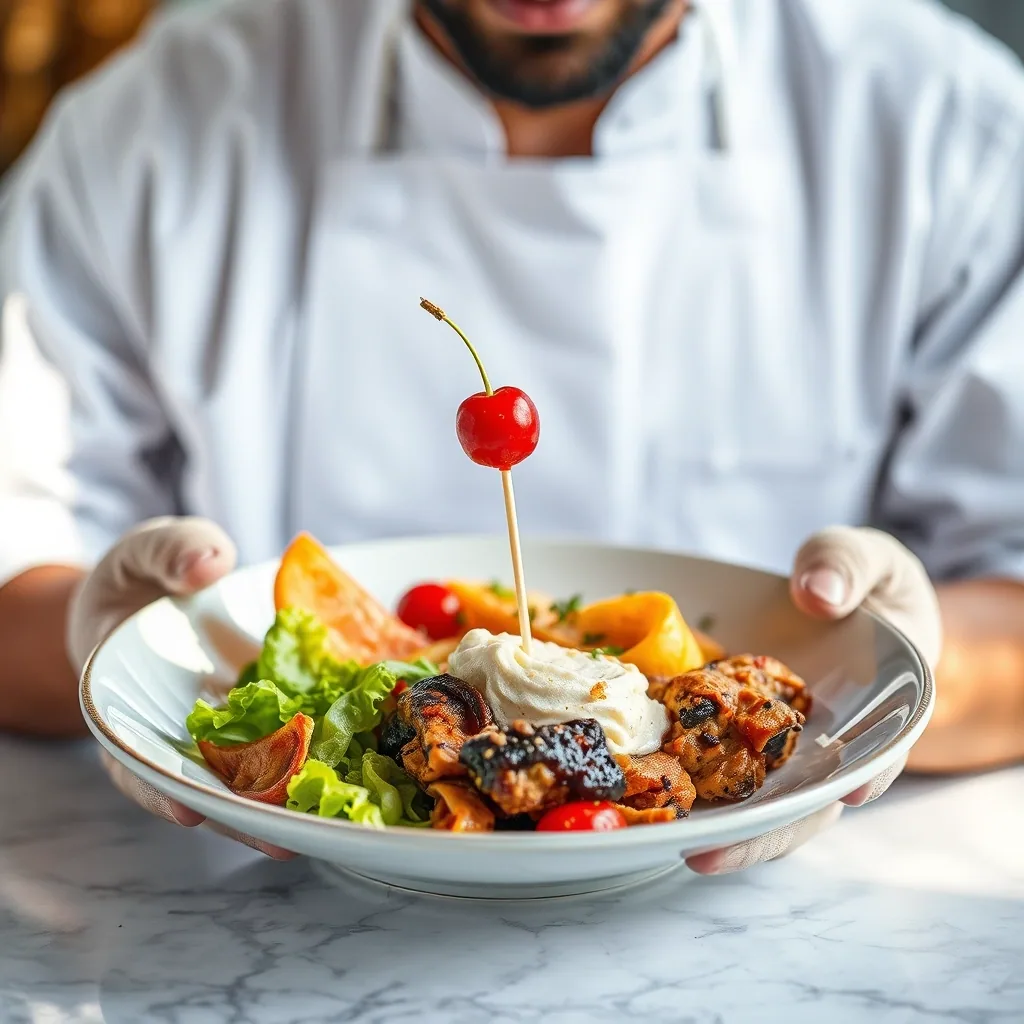
I’m sharing my foolproof carbonara recipe that delivers silky, restaurant-quality results every single time! 🍝✨ You’ll master the technique of creating that luxurious egg and cheese sauce without scrambling—it’s easier than you think, and the rich, peppery flavors will absolutely blow your mind.
Ingredients for simple carbonara
Here’s everything you need to create this authentic, creamy carbonara in just twenty minutes!
| Ingredient | Amount | Notes |
|---|---|---|
| Spaghetti 🍝 | 1 lb | Or other long pasta |
| Pancetta 🥓 | 8 oz | Diced into small cubes |
| Large Eggs 🥚 | 4 whole | Room temperature preferred |
| Pecorino Romano Cheese 🧀 | 1 ½ cup | Freshly grated |
| Parmigiano-Reggiano Cheese 🧀 | ½ cup | Freshly grated |
| Black Pepper ⚫ | 2 tsp | Freshly ground and coarsely cracked |
| Garlic 🧄 | 2 cloves | Lightly crushed, optional |
| Salt 🧂 | 2 tbsp | For pasta water |
| Extra Virgin Olive Oil 🫒 | 1 tbsp | For cooking pancetta |
[recipe_ingredient_scaler]
For the best results, source authentic Pecorino Romano from Italian specialty stores or Whole Foods. Look for imported pancetta at quality butcher shops or Trader Joe's. DeLallo and Rustichella d'abruzzo offer excellent pasta options. Authentic Italian cheeses make a significant difference in achieving that traditional roman flavor profile.
If pancetta is unavailable, guanciale is the traditional choice, or use thick-cut bacon as a substitute. Choose eggs with bright orange yolks for richer flavor and color. Quality cheese should be aged at least 9 months. Avoid pre-grated cheese as it contains anti-caking agents that prevent smooth melting.
Store grated cheese in an airtight container for up to one week. Keep eggs refrigerated but bring to room temperature before using. Leftover pancetta freezes well for up to three months for future carbonara cravings.
Step-by-Step Instructions for Simple Carbonara
Follow these straightforward steps to create an authentic carbonara that rivals any Italian trattoria’s version.
🔥 Step 1: Prep Your Ingredients and Boil the Pasta
I always start by getting my water boiling first. Fill a large pot with water, add 1 tablespoon of salt, and bring it to a rolling boil over high heat. While that’s heating up, I whisk together 3 large egg yolks and 1 whole egg in a medium bowl with 1 cup of freshly grated Pecorino Romano and a generous amount of freshly cracked black pepper.
Once your water is boiling vigorously, add 12 ounces of spaghetti and cook according to package directions, usually 8 to 10 minutes for al dente. Here’s my pro tip: set a timer for 2 minutes less than the package suggests, so you can check the texture. Before draining, I always reserve 1½ cups of pasta water—this starchy liquid is the secret to a silky sauce.
🍳 Step 2: Cook the Guanciale Until Crispy
While the pasta cooks, I focus on the guanciale. Cut 6 ounces of guanciale into ¼-inch strips or small cubes—whichever you prefer. Add the guanciale to a large, cold skillet (I use a 12-inch pan), then turn the heat to medium. Starting with a cold pan helps render the fat slowly and evenly.
Cook the guanciale for 8 to 10 minutes, stirring occasionally, until it’s beautifully golden and crispy around the edges. You’ll notice the fat rendering out—that’s liquid gold for your carbonara! Once it’s perfectly crispy, I turn off the heat and let the pan cool for 1 to 2 minutes. This cooling period is crucial because if the pan is too hot, you’ll scramble the eggs instead of creating that creamy sauce.
👨🍳 Step 3: Combine Everything for Creamy Perfection
Now comes the magic moment where everything comes together. Add your drained spaghetti directly to the skillet with the guanciale and toss everything together so the pasta gets coated in that rendered fat. The pan should still be warm but not screaming hot—I aim for a temperature where I can comfortably touch the outside of the pan.
Pour the egg and cheese mixture over the pasta and immediately start tossing vigorously with tongs. I add ¼ cup of reserved pasta water at a time, tossing constantly, until the sauce becomes gloriously creamy and coats every strand of spaghetti. You’ll use about ½ to ¾ cup total. The key is constant motion—keep those tongs moving for 1 to 2 minutes until the sauce thickens to a silky, luxurious consistency. If it seems too thick, add more pasta water; if it’s too thin, keep tossing over the residual heat. Serve immediately with extra Pecorino and black pepper on top!
Perfect Pairings for This simple carbonara
When it comes to perfect pairings for my simple carbonara recipe, I always think about balance—you want sides and drinks that complement the rich, creamy pasta without overwhelming it. 🍝 The beauty of carbonara is its luxurious simplicity, so I focus on accompaniments that add freshness, acidity, or crunch to create a complete dining experience. Over the years, I’ve discovered some fantastic combinations that elevate this classic dish from weeknight dinner to something truly special!
Side Dishes: My absolute favorite pairing is a crisp arugula salad with lemon vinaigrette—the peppery greens and bright citrus cut through the richness beautifully. I toss about 4 cups of arugula with 2 tablespoons of olive oil, 1 tablespoon fresh lemon juice, and shaved Parmesan. Garlic bread is another winner; I use a good sourdough baguette, spread with butter mixed with minced garlic and fresh parsley, then broil until golden. For something lighter, try roasted asparagus with a squeeze of lemon—the slight char and vegetal notes provide wonderful contrast. 🥗 Caprese salad with ripe tomatoes, fresh mozzarella, and basil also works brilliantly, especially in summer when tomatoes are at their peak.
Drink Pairings: A crisp, dry white wine is my go-to beverage choice—specifically, I love a Pinot Grigio or Vermentino from Italy. The acidity and mineral notes cleanse your palate between bites perfectly. If you prefer red, go for something light-bodied like a Chianti or Barbera—avoid heavy, tannic wines that clash with the creamy sauce. 🍷 For non-alcoholic options, I recommend sparkling water with lemon or a crisp Italian soda. The carbonation helps cut through the richness, and the citrus notes mirror what you’d get from wine. Iced tea with lemon (unsweetened) is another refreshing choice that works surprisingly well!
Flavor Complements: The key to great carbonara pairings is understanding the dish’s flavor profile—salty from the guanciale and Pecorino, rich from the eggs, and peppery from the black pepper. I always include something acidic (lemon, vinegar, tomatoes) to balance the fat, something fresh (herbs, greens) to add brightness, and something crunchy (toasted bread, raw vegetables) for textural contrast. Fresh herbs like basil or parsley sprinkled over your sides tie everything together beautifully. A small dish of marinated olives or pickled vegetables as an appetizer also primes your palate perfectly for the main event! 🫒
Seasonal Variations: In spring and summer, I lean toward lighter sides like the arugula salad, grilled vegetables, or a simple tomato bruschetta. The fresh, bright flavors complement carbonara without making the meal feel too heavy. During fall and winter, I opt for heartier accompaniments—roasted Brussels sprouts with balsamic glaze, sautéed mushrooms with garlic, or a warm kale Caesar salad. These earthier flavors pair beautifully with carbonara’s comfort-food nature while still providing necessary contrast to the creamy sauce!
Nutrition Facts
485kcal
[recipe_ingredient_scaler]

Trained in classic French technique but raised on slow-cooked ribs and spicy rubs, she blends culinary skill with smoke and soul.
- Recipe for Boneless Cross Rib Roast: Slow-Roasted Beef with Herb Crust - October 3, 2026
- Hamburgers in Sauce Recipe Crock Pot: Slow-Cooked Savory Delight - October 3, 2026
- Sanjeev Kapoor Egg Biryani Recipe: Fragrant Spiced Rice With Boiled Eggs - October 3, 2026