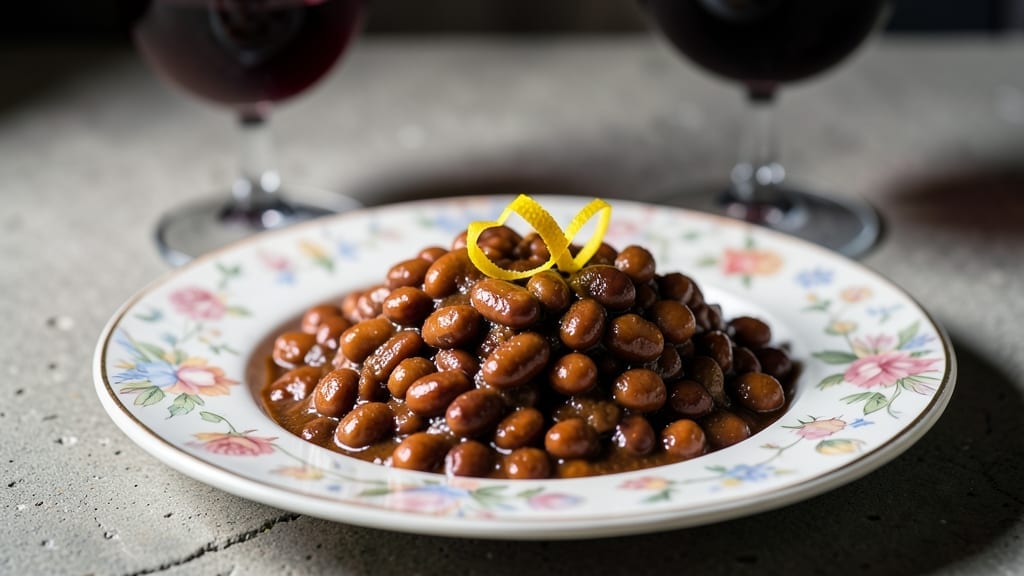
This smoked baked beans recipe from scratch delivers restaurant-quality depth by crafting slow-smoked flavor with caramelized sweetness—something you won’t find in a can. The secret lies in hickory smoke, which infuses the beans with rich, woodsy notes while baking transforms them into tender, molasses-like perfection.
I developed this after years of experimenting with backyard cookouts, where that first whiff of smoke always made everything taste better.
The process starts with soaking navy beans overnight to ensure they cook evenly, then building layers of flavor through a smoked spice rub and slow oven baking. Unlike canned versions, this method creates a caramelized glaze on the beans that balances smoky depth with natural sweetness.
The result? A side dish so flavorful it deserves center stage at any BBQ table.
What sets this recipe apart is the smoking technique—using a smoker box or electric smoker to add that authentic barbecue aroma while the beans simmer in a rich broth.
The slow cook transforms tough beans into fork-tender bites with a glossy finish. Serve with cornbread or over grilled meats for a meal that tastes like a pitmaster’s secret.
Ready to elevate your baked beans? This recipe delivers restaurant-quality results with just a few key ingredients and patience. The smoking process adds complexity, while the baking creates that signature caramelized sweetness. Let’s get started!
Ingredients for smoked baked beans recipe from scratch
Slow-smoked depth meets caramelized sweetness in this restaurant-quality baked beans recipe.
| Ingredient | Amount | Notes |
|---|---|---|
| Navy Beans 🌿 | 3 cups | Dry, soaked overnight |
| Hickory Wood Chips 🔥 | 1 oz | For smoker box |
| Apple Cider Vinegar 🍎 | ½ cup | For tenderizing beans |
| Brown Sugar 🍚 | ½ cup | Packed, for caramelization |
| Molasses 🍯 | ¼ cup | Unsulphured preferred |
| Smoked Paprika 🌶️ | 1 tbsp | For smoky depth |
| Garlic Powder 🧄 | 1 tbsp | Not garlic salt |
| Onion Powder 🧅 | 1 tbsp | For aromatic base |
| Black Peppercorns 🌶️ | 1 tbsp | Whole, freshly ground |
| Chicken Broth 🍲 | 2 cups | Low-sodium preferred |
| Butter 🧈 | ¼ cup | Unsalted for control |
| Salt 🧂 | 1 tsp | Diamond Crystal kosher |
| Bacon 🥓 | 6 slices | Cured, chopped |
[recipe_ingredient_scaler]
The hickory wood chips are non-negotiable for authentic smoky flavor—opt for Traeger brand or Bubba’s Smoke Rings for consistent results. Soaking the navy beans overnight ensures even cooking and eliminates the risk of underdone spots. Professional pitmasters swear by unsalted butter for the glaze, as it allows precise salt control. The bacon adds depth, so use thick-cut, cured slices like those from Applegate or ButcherBox for optimal fat content.
No hickory wood chips? Apple wood chips at half the quantity work well, though the flavor profile shifts slightly. Substitute brown sugar with coconut sugar for a less refined sweetness, but expect a slightly different texture. Freshly ground black peppercorns are essential—pre-ground loses potency within weeks. For the broth, homemade or high-quality low-sodium brands like Pacific Foods elevate the dish. The smoked paprika should be Spanish-style for the deepest smokiness, but any quality smoked variety will suffice.
Store the uncooked beans in their soaking liquid for up to 3 days in the fridge, but cook within 24 hours for best texture. The cooked beans keep for 5 days refrigerated or 6 months frozen. For optimal smoking, use a smoker box in your oven or a dedicated electric smoker like Traeger Pro Series. The caramelized glaze develops best when baked uncovered at 325°F for 2.5 hours, stirring occasionally to prevent sticking.
Why You’ll Love This Recipe
- One-Pot Smoking Magic: I love that this recipe turns one Dutch oven into your entire meal—no extra dishes, no cleanup chaos. The soaked navy beans just drop into the smoker with the bacon and spices, and by the time you’re stirring that caramelized sauce, dinner’s basically done.
- Sweet-Smoky Perfection: Honestly, the combo of hickory smoke, molasses, and brown sugar hits like a warm hug. That apple cider vinegar? It keeps the sweetness from going overboard while adding a bright tang—trust me, it’s the secret sauce (literally).
- Feeds Crowds, Freezes Like a Champ: These beans scale up effortlessly for game days or potlucks, and the best part? They freeze for six months. Need a last-minute meal? Pull out a frozen batch, reheat, and boom—dinner’s ready without the stress.
- Budget-Friendly Comfort: Six slices of bacon and a few spices? This isn’t gourmet, but it’s ridiculously satisfying for the price. Navy beans are cheap, the hickory chips add depth without breaking the bank, and leftovers? Perfect for lunches or breakfast the next day.
Step-by-step instructions for smoked baked beans
Here’s how to transform simple navy beans into rich, smoky baked beans with deep caramelized sweetness.
Prepare the Beans for Smoking
Begin by draining and rinsing the 3 cups soaked navy beans thoroughly under cold water. This removes excess starch that can make your beans gummy during cooking. Transfer them to a large pot and cover with fresh cold water by 2 inches—this ensures proper hydration before smoking.
Add ½ cup apple cider vinegar to the pot with the beans. The acidity helps tenderize the beans more effectively during the long cook. Bring to a boil over high heat, then immediately reduce to a simmer and cook uncovered for 30 minutes. This pre-cook softens the beans slightly and removes any surface impurities that could affect flavor later.
While the beans simmer, prepare your smoker by soaking the 1 oz hickory wood chips in water for 30 minutes to prevent them from burning. Once soaked, drain and place them in your smoker box according to the manufacturer’s instructions. Preheat the smoker to 225°F—this low-and-slow temperature is critical for even cooking and deep smoke penetration without drying out the beans.
Build the Smoky-Sweet Flavor Base
In a large Dutch oven (or heavy oven-safe pot), melt the ¼ cup butter over medium heat. Once melted, add the 6 slices chopped bacon and cook until crispy, stirring occasionally for 8-10 minutes. The bacon will render fat that forms the flavor foundation while adding smoky depth to the beans.
Remove the bacon with a slotted spoon and set aside, leaving the rendered fat in the pot. Add ½ cup packed brown sugar and ¼ cup molasses, stirring constantly to combine. Cook for 2-3 minutes until the sugars begin to caramelize slightly—this creates the signature sweet-tangy flavor profile. Here’s the thing: don’t rush this step. The caramelization builds complexity that separates good baked beans from exceptional ones.
Next, add 1 tablespoon smoked paprika, 1 tablespoon garlic powder, 1 tablespoon onion powder, and 1 tablespoon freshly ground black peppercorns. Stir vigorously for 1 minute to toast the spices and release their aromatics. This step develops the smoky, savory base that will infuse the beans throughout the cooking process.
Combine and Smoke the Beans
Transfer the pre-cooked navy beans (with their cooking liquid) to the Dutch oven. Add 2 cups chicken broth and 1 teaspoon salt, stirring to combine. The broth should just cover the beans—if it’s too shallow, add a splash of water. Bring the mixture to a gentle boil over medium-high heat, then immediately reduce to a simmer.
Carefully transfer the Dutch oven to your preheated smoker. Smoke the beans at 225°F for 4-5 hours, maintaining a consistent temperature. Here’s what to watch for: the beans should develop a rich, smoky aroma, and the liquid should reduce slightly but not completely evaporate. Stir the beans gently every 30 minutes to prevent a skin from forming on top.
After 2 hours, check the beans for tenderness by pressing a bean between your fingers. They should be soft but still hold their shape—this indicates they’re ready for the final stage. If they’re not tender enough, continue smoking for another 30-60 minutes. The key is patience; rushing this step results in mushy beans that lack texture.
Finish with Caramelized Sweetness
Remove the Dutch oven from the smoker and transfer it to the stovetop. Increase heat to medium-high and bring the beans to a gentle boil. Here’s where the magic happens: the reduced liquid should thicken slightly, coating the beans in a glossy, caramelized sauce. Simmer uncovered for 15-20 minutes, stirring occasionally, until the sauce reaches your desired consistency—it should cling to the beans without being syrupy.
Taste and adjust seasoning if needed. The beans should balance sweet, smoky, and savory flavors with a touch of tang from the vinegar. If the sauce is too thin, simmer longer to reduce it further. If it’s too thick, add 1-2 tablespoons of water to loosen it slightly. The final texture should be thick enough to coat a spoon but still coat the beans evenly.
Once finished, stir in the reserved crispy bacon. The contrast of crispy bacon against the tender, smoky beans adds a textural element that elevates the dish. Serve immediately, accompanied by cornbread or crusty bread to soak up every last bit of that rich, caramelized sauce.
Pro Tips For Making Smoked Baked Beans Recipe From Scratch
- Pre-Cook Beans Properly: That 30-minute simmer with apple cider vinegar isn’t just for flavor—it breaks down tough skins and removes starch that’ll turn your beans gummy later. Skip it, and you’ll end up with mushy, gluey beans no matter how long you smoke them.
- Soak Wood Chips Right: Dry hickory chips burn fast and choke your smoker with bitter smoke. Soak them for 30 minutes first—it’s the only way to guarantee steady, flavorful smoke without acrid overpowering your molasses-brown sugar caramel.
- Caramelize the Sugar Slowly: Stirring those ½ cup brown sugar and ¼ cup molasses too fast turns them into a sticky mess that burns before it flavors. Let it bubble gently for 2-3 minutes—watch for tiny bubbles forming on the surface—that’s when the real depth of flavor starts building.
- Test Tenderness Early: After 2 hours in the smoker, mash a bean between your fingers. If it’s still firm, don’t panic—just let it go another 30 minutes. Overcooking turns them to mush, but undercooking leaves you with a sad, crunchy bite. Trust the finger test.
Regional styles of this dish
Southern Smoky Tradition
This recipe channels the soul of Southern pitmasters who slow-smoke beans over oak or hickory for hours. I remember my granddad’s backyard cookouts where the smell of hickory smoke would drift through the neighborhood—everyone knew it was time for dinner.
The key here is using hickory wood chips in a smoker box or even a cast-iron skillet with a damp towel draped over it. The beans absorb that deep, woodsy aroma while simmering, creating a dish that feels like a weekend at my aunt’s kitchen table. 🔥
Midwest Caramelized Sweetness
In the Midwest, baked beans often lean toward caramelized sweetness with molasses and brown sugar as stars. I’ve seen this style at local county fairs where vendors slow-cook beans in massive pots over propane flames.
The trick is balancing the sweetness with apple cider vinegar—it cuts through the richness and adds a tangy brightness. I like to add a splash of apple cider vinegar during the final simmer to brighten the dish up.
This version pairs perfectly with cornbread or buttery dinner rolls to soak up every last drop.
Appalachian Spice Blend
Appalachian-style baked beans often incorporate bold, earthy spices like cinnamon and cloves, giving them a warm, almost dessert-like depth. I’ve foraged wild herbs from the mountains near my motorcycle rides to add unique twists—think fresh rosemary or thyme tossed in during the last 30 minutes of smoking.
The smoked paprika and black peppercorns in this recipe give it that classic Appalachian kick while keeping it approachable. Serve this version with grilled chicken or pork chops for a meal that feels like a mountain cabin feast.
Texas BBQ Smoked Beans
Down in Texas, smoked beans are a BBQ staple, often served alongside brisket or ribs. The Texas twist involves cooking the beans directly in the smoker for an extended time—sometimes up to 6 hours—to infuse them with that signature smoky flavor.
I’ve adapted this by using a smoker box in the oven for convenience, but the result is just as rich. The beans here get a spicy kick from the black peppercorns and a savory depth from the bacon fat.
Pair these with grilled sausages or cornbread for an all-American BBQ spread.
New England Saltbox Style
In New England, baked beans often take on a saltier, more robust profile with less sweetness and more focus on the smoky, savory flavors.
I’ve seen this style at local seafood shacks where beans are slow-smoked with applewood chips (a New England favorite) and finished with a dash of Old Bay seasoning. The unsalted butter and low-sodium chicken broth keep the flavors balanced without overpowering.
This version is perfect for seafood lovers or anyone who enjoys a saltier, more complex take on baked beans—serve it with lobster rolls or clam chowder for a coastal twist.
Nutrition facts
Frequently asked questions
Why do I need to soak the navy beans overnight?
Soaking overnight ensures the beans cook evenly and absorb flavors better. Without soaking, they can become gummy or unevenly tender. The 2-inch water coverage during simmering later also prevents dryness during the long smoking process. This step is non-negotiable for restaurant-quality results!
What if I don’t have a smoker box? Can I still get that smoky flavor?
Place 1 oz hickory wood chips in a foil pouch with holes punched in it, then drape a damp towel over your Dutch oven lid. The smoke will still infuse the beans, though the intensity may be slightly less. A foil-lined baking sheet under the pot also works for indirect smoke exposure.
How do I know when the beans are done?
After 2 hours of smoking, press a bean gently between your fingers—it should yield slightly but still hold its shape. If they’re underdone, continue smoking for 30-60 minutes. Overcooking makes them mushy, so check often! The caramelized sauce should coat the beans evenly when finished.
Can I make these beans ahead of time?
Yes! Store cooked beans in an airtight container for 5 days refrigerated or 6 months frozen. Reheat gently on the stovetop with a splash of water to restore the sauce consistency. The flavors actually deepen over time, making them even better for leftovers!
Why is the bacon removed during smoking but added back at the end?
Removing the bacon prevents it from burning during the long smoke, which could impart bitterness. Readding crispy bacon at the end adds a delicious textural contrast and fat richness that elevates the dish. The rendered fat during cooking already infuses the beans with smoky depth. This technique creates perfect balance!

Trained in classic French technique but raised on slow-cooked ribs and spicy rubs, she blends culinary skill with smoke and soul.
- Smoked Brisket Recipe: Low and Slow to Fall-Apart Tenderness - November 2, 2026
- Smoked Turkey Breast Recipe: Juicy Pink Center With Crispy Skin Every Time - November 2, 2026
- Leftover Smoked Pulled Pork Chili Recipe: Rustic Flavor Revival in One Pot - November 2, 2026