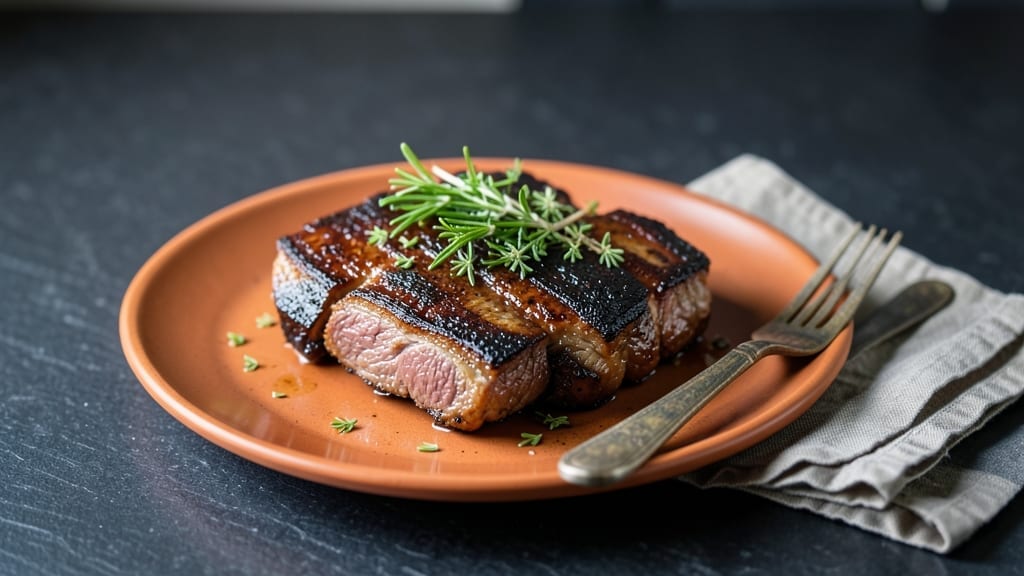
This smoked beef plate ribs recipe reveals the secret to turning tough cuts into melt-in-your-mouth tenderness that steals every gathering. This low-and-slow method ensures every bite falls apart with just a fork, while the smoky aroma fills your home before the meat even hits the table. I’ve perfected this technique over years of trial and error—no shortcuts, just proven results that impress even the most critical smokers.
The secret lies in precise temperature control and proper wood selection. Using a mix of hickory and cherry wood creates a balanced smoke profile that enhances the beef’s natural flavor without overpowering it.
The ribs cook at 225°F for hours, allowing collagen to break down into rich, velvety juices that keep the meat moist and tender. This method transforms what could be a tough cut into something so tender it practically dissolves.
By the time you’re done, you’ll have ribs that are perfectly tender with a beautiful bark from the smoke. The meat should pull apart easily, revealing layers of flavor that reward each bite.
Serve with classic sides like baked beans, creamy coleslaw, and warm cornbread for a complete meal that feels like a restaurant-quality feast. The preparation takes time, but the results are worth every minute.
This recipe works beautifully for gatherings or special occasions, but it’s also perfect for a cozy weekend dinner when you want to impress. The low-and-slow cooking process means you can prepare it ahead and finish it just before serving, ensuring the ribs stay warm and tender.
Let’s get started on creating ribs that will have everyone asking for seconds.
Ingredients for smoked beef plate ribs
Pantry staples plus a few key ingredients for that signature smoky tenderness.
| Ingredient | Amount | Notes |
|---|---|---|
| Beef Plate Ribs 🥩 | 4 lb | Bone-in, meaty ends preferred |
| Yellow Mustard 🍯 | ¼ cup | For binder application |
| Brown Sugar 🍚 | ½ cup | Light or dark, packed |
| Smoked Paprika 🌶️ | 2 tbsp | For deep smoke flavor |
| Garlic Powder 🧄 | 1 tbsp | Freshly ground preferred |
| Onion Powder 🧅 | 1 tbsp | For balanced flavor |
| Ground Black Pepper 🌶️ | 1 tsp | Freshly cracked preferred |
| Kosher Salt 🧂 | 2 tbsp | Coarse grain preferred |
| Apple Cider Vinegar 🍎 | ½ cup | For tenderizing |
| Hickory Wood Chips 🌳 | 2 cups | For balanced smoke |
| Cherry Wood Chips 🍒 | 1 cup | For sweet undertones |
| Beef Broth 🍲 | 1 cup | Low-sodium preferred |
| Yellow Onion 🧅 | 1 whole | Quartered for spritz |
| Fresh Garlic 🧄 | 4 cloves | Smashed for spritz |
[recipe_ingredient_scaler]
The ribs are the star—plate ribs with meaty ends give you the best flavor and texture. Grab them from the butcher section, not pre-cut packages. Costco or local meat markets usually have the best selection. Look for good marbling; if it’s too lean, the ribs won’t stay tender. I always ask for them to be cut into 2-rib sections for easier handling. For the wood, Traeger or Cookshack brands are reliable, but any quality hardwood chips work—just avoid softwoods like pine.
No smoked paprika? Regular paprika plus a pinch of liquid smoke gets you close. The apple cider vinegar might seem odd, but it’s a game-changer for breaking down collagen—white vinegar works too. Fresh garlic and onion in the spritz? Non-negotiable. They add layers of flavor that dry rubs can’t match. The beef broth can be swapped for water, but the salt and sugar will still need adjusting. If you’re short on time, pre-mix the dry rub and store it in a jar for up to 3 months.
The ribs reheat beautifully—just wrap them in foil and hit 300°F for 15 minutes. Store leftovers in the fridge for 3-4 days, wrapped tightly. For longer storage, freeze them in portions—6 months max. I always make extra because they disappear fast. The dry rub keeps for 2 weeks in an airtight container, so double it if you’re planning ahead.
Why You’ll Love This Recipe
- No-Fuss Prep: Honestly, the only prep work here is drying the ribs and slathering that mustard—no fancy cuts or hours in the kitchen. The rest is just letting the rub do its magic while you prep the smoker. I’ll be real: I’ve made this with my kids underfoot, and it still turned out spot-on.
- Smoky-Sweet Perfection: That combo of hickory and cherry wood chips? Deep, rich smoke with a hint of sweetness that melts into the meat. The brown sugar caramelizes into a glossy crust, while the garlic and onion powders add warmth—every bite is like a flavor explosion you can’t resist.
- Feeds a Crowd (or Your Cravings): Four pounds of beef plate ribs? That’s enough to feed six hungry people or three people who’ll ask for seconds. And if you’re left with extras, the fridge keeps them good for days—just reheat with a spritz of that vinegar mixture, and they taste almost as good as fresh.
- Budget-Friendly Luxury: Beef plate ribs are cheaper than you’d think, especially when you’re cooking a big batch. The ingredients? Basic pantry staples you probably already have. It’s the kind of meal that makes you feel fancy without breaking the bank—plus, the leftovers? Even better the next day.
Step-by-step instructions for smoked beef plate ribs
Here’s how to transform tough beef plate ribs into melt-in-your-mouth tenderness using just your smoker.
Prep the Ribs with Dry Rub and Mustard Binder
Start by patting the 4 lb beef plate ribs completely dry with paper towels. This step is crucial for that perfect bark later. In a medium bowl, combine the ½ cup brown sugar, 2 tbsp smoked paprika, 1 tbsp garlic powder, 1 tbsp onion powder, 1 tsp ground black pepper, and 2 tbsp kosher salt. Mix well until evenly distributed.
Spread the ¼ cup yellow mustard evenly over both sides of the ribs. This acts as a binder to help the dry rub stick and creates a beautiful crust. Press the dry rub mixture firmly into the meat, making sure to get it into all the crevices. Let the ribs sit at room temperature for 30 minutes before smoking – this helps the rub penetrate and the meat cook more evenly.
Set Up the Smoker with Wood Chips and Spritz Mixture
While the ribs are resting, prepare your smoker. Soak the 2 cups hickory wood chips and 1 cup cherry wood chips in water for at least 30 minutes. This creates clean smoke that won’t burn your ribs. Set your smoker to 225°F and let it preheat for 15 minutes until you see steady blue smoke.
In a small bowl, mix together the ½ cup apple cider vinegar, 1 cup beef broth, and the 1 yellow onion (quartered) plus 4 cloves fresh garlic (smashed). This makes your spritz mixture that keeps the ribs moist during the long cook. Keep this in a spray bottle in the fridge until ready to use.
Smoke the Ribs Low and Slow with Regular Spritzing
Place the ribs bone-side down on the smoker grates. Smoke for 2 hours without disturbing them. This initial period allows the rub to set and creates that initial bark. After 2 hours, flip the ribs bone-side up and spritz generously with your vinegar mixture every 45 minutes during the cook.
Continue smoking at 225°F for a total of 6-8 hours, spritzing every 45 minutes. You’ll know they’re ready when the internal temperature reaches 195-203°F and the meat pulls apart easily with two forks. The bark should be dark and crispy, with a beautiful mahogany color. The meat should be fork-tender and pull away from the bone effortlessly.
Rest and Serve for Maximum Tenderness
Once the ribs reach the proper internal temperature, remove them from the smoker and wrap tightly in butcher paper. Place them in a cooler or insulated container to rest for at least 1 hour. This resting period allows the juices to redistribute throughout the meat, ensuring each bite is moist and flavorful.
To serve, unwrap the ribs and cut between the bones to separate them. Arrange on a platter and serve with extra spritz mixture for dipping. The ribs should be so tender they practically fall apart at the touch, with a perfect balance of smoky flavor from the wood chips and sweetness from the brown sugar rub.
Pro Tips For Making Smoked Beef Plate Ribs
- Flip Early, Flip Right: I used to wait too long to flip those ribs, and the bark would turn to ash before the meat got tender. After 2 hours—not a minute more—flip them bone-side up. That’s when the real magic starts, and you’ll get that perfect crust without burning the rub.
- Soak Wood Chips Properly: Skimping on the 30-minute soak? You’re asking for acrid smoke. The wood chips need that time to release flavor without choking your ribs. Use a bowl of water, not just a quick rinse—this makes a real difference in how clean and sweet the smoke tastes.
- Spritz Like You Mean It: Don’t just dab the spritz—go heavy. The ribs should glisten after each spray, and the vinegar-broth mix should pool slightly on the surface. This isn’t just about moisture; it’s about keeping the bark from drying out while the meat breaks down.
- Rest in Butcher Paper: Wrapping in foil traps steam but kills the bark. Butcher paper lets the ribs breathe while locking in heat—just like a pro pit crew. Skip the foil, and those first bites will be crispy, not soggy. (Yes, even if you’re impatient like me.)
Health benefits of this smoked beef plate ribs
Rich in Protein
These beef plate ribs deliver 35 grams of protein per 4-ounce serving, making them an excellent choice for muscle repair and satiety. The slow-smoking process preserves protein quality while breaking down tough connective tissue, ensuring every bite is both filling and flavorful.
This makes them ideal for post-workout meals or a hearty lunch that keeps you energized all afternoon. 💪
Iron Boost
Each serving contains about 3.5 milligrams of iron, which is nearly 20% of your daily value. This essential mineral supports red blood cell production and oxygen transport throughout your body, helping prevent fatigue and maintaining healthy energy levels.
The beef’s natural iron content is more bioavailable than plant-based sources, making this dish particularly beneficial for those with iron deficiencies.
Vitamin B12 Source
Beef plate ribs are packed with vitamin B12, providing nearly 50% of your daily needs per serving. This crucial vitamin plays a vital role in nerve function and DNA synthesis.
Since B12 is primarily found in animal products, this dish is especially valuable for vegetarians or those with limited meat intake. My family noticed improved energy levels after regularly including smoked ribs in our meals.
Collagen for Skin
The slow-cooking process transforms tough collagen into gelatin, which supports skin elasticity and joint health. While the ribs cook, collagen breaks down into glycine and proline, amino acids that promote healthy skin and connective tissues.
This makes your ribs not just delicious, but also a beauty-boosting meal. The smoky flavor adds extra appeal to this health benefit!
Healthy Fats
Despite being rich in flavor, these ribs contain moderate amounts of monounsaturated fats, which support heart health when consumed in moderation. The natural marbling in beef plate ribs provides these beneficial fats, which help maintain healthy cholesterol levels.
Pairing them with vegetables balances the meal for optimal nutrition. I always serve mine with a side of roasted Brussels sprouts for that perfect balance. 🥦
Nutrition facts
Frequently asked questions
Why do I need to let the ribs rest before serving?
The 1-hour rest after smoking lets all those delicious juices redistribute throughout the meat. Skipping this step means you’ll lose flavor and moisture when you cut into them. Think of it like letting a cake cool—you want every bite to be just as tender and flavorful!
Can I use regular wood chips instead of hickory and cherry?
You can, but the flavor won’t be as balanced. Hickory adds depth while cherry brings sweetness—together they create that perfect smoky-sweet harmony. If you’re in a pinch, stick to hickory, but avoid pine or cedar as they can impart a bitter taste.
What if my smoker doesn’t reach 225°F consistently?
If your smoker runs hotter, reduce the wood chips slightly to avoid burning the ribs. If it’s cooler, add a little more wood every hour. The key is steady 225°F—just monitor and adjust. A meat thermometer is your best friend here!
How do I know when the ribs are done?
Check for 195-203°F internal temperature and test tenderness with two forks. If the meat pulls apart easily and the bark is dark and crispy, you’re golden. Overcooking dries them out, so pull them when they’re just shy of perfection.
Can I make the dry rub ahead of time?
Mix it up to 3 months ahead and store in an airtight container. Just make sure to bring it to room temperature before applying it to the ribs. This saves time and ensures even distribution every time.

Trained in classic French technique but raised on slow-cooked ribs and spicy rubs, she blends culinary skill with smoke and soul.
- Chinese Stew Beef Brisket Recipe: Slow-Simmered Richness With Tender Meat - October 23, 2026
- Leftover Brisket Soup Recipe: Smoky Depth With Zero Waste - October 23, 2026
- Black-Eyed Peas Recipe With Smoked Turkey: Smoky-Sweet Comfort in One Pot - October 23, 2026