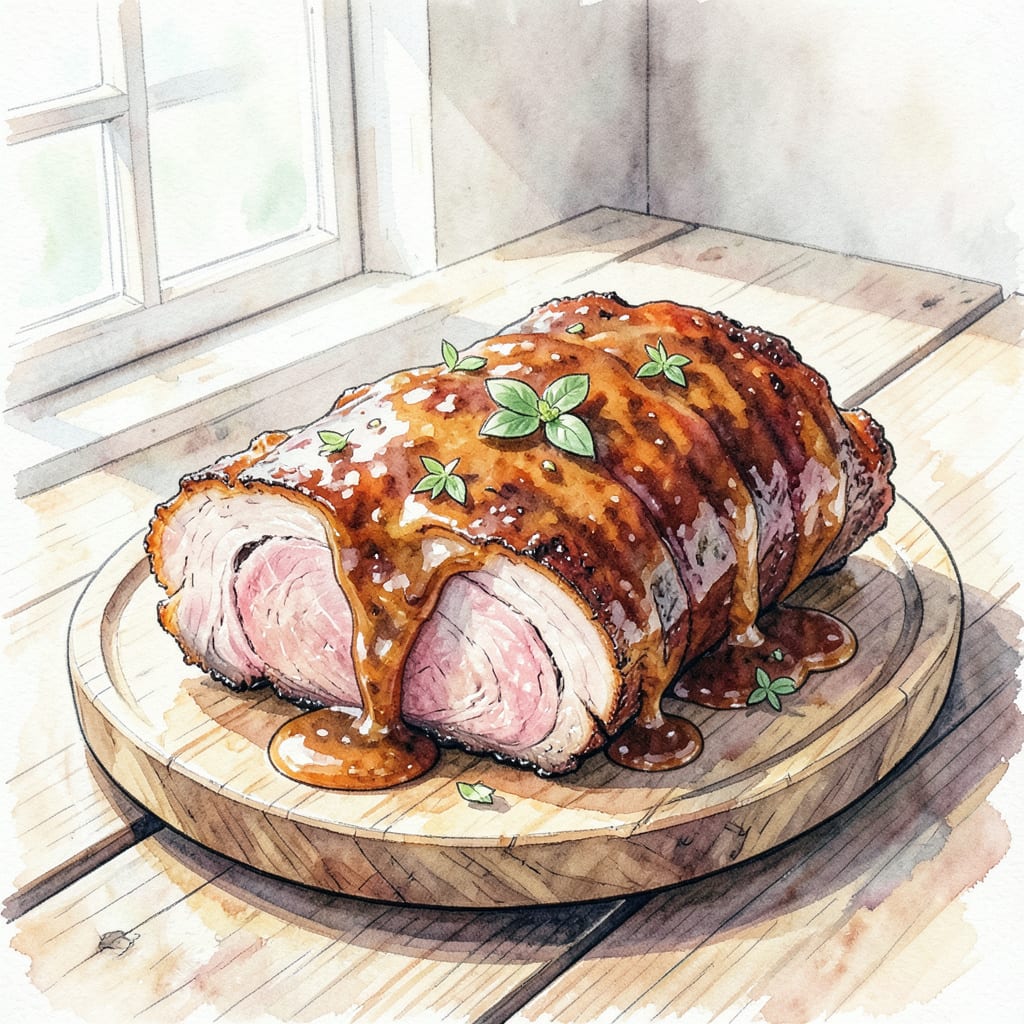
I’ve spent years perfecting my smoked Boston butt recipe, and I’m excited to share it with you. This fall-off-the-bone tender BBQ masterpiece is achieved through low and slow smoking, resulting in tender meat that simply melts in your mouth.
With a blend of classic French technique and pitmaster expertise, I’ve crafted a recipe that delivers perfect results every time. By following my guide, you’ll be able to create a mouth-watering Boston butt that’s sure to impress your family and friends.
Ingredients for Smoked Boston Butt Bbq
Low and slow magic happens with these simple, quality ingredients for perfect BBQ.
| Ingredient | Amount | Notes |
|---|---|---|
| Boston Butt Pork Shoulder 🥩 | 2 lb | Bone-in, fat cap intact |
| Brown Sugar 🍮 | ¼ cup | Packed, dark brown preferred |
| Smoked Paprika 🌶️ | 2 tbsp | Sweet or smoked variety |
| Garlic Powder 🧄 | 1 tbsp | Not garlic salt |
| Onion Powder 🧅 | 1 tbsp | Fresh ground preferred |
| Kosher Salt 🧂 | 2 tbsp | Diamond Crystal preferred |
| Black Pepper 🌶️ | 1 tbsp | Freshly ground black pepper |
| Apple Cider Vinegar 🍎 | ½ cup | For spritzing during smoking |
| Wood Chips 🌲 | 2 cups | Hickory or apple wood |
| BBQ Sauce 🍯 | 1 cup | Optional, for glazing |
| Olive Oil 🫒 | 2 tbsp | For rubbing the meat |
[recipe_ingredient_scaler]
The pork shoulder matters here. Look for bone-in with the fat cap intact—this keeps the meat juicy during the long smoking process. Most grocery stores carry them, but you might need to special order if they’re not on display. I’ve had great luck with Costco and Whole Foods for quality.
No hickory wood chips? Apple wood is a great alternative—it pairs nicely with pork. If using a charcoal smoker, make sure to keep the coals on one side for that perfect indirect heat. For the rub, you can adjust the smoked paprika to your taste—more for extra smokiness, less if you prefer milder flavor. The apple cider vinegar spritz helps keep the meat moist during the long cook.
This recipe reheats beautifully—honestly tastes better the next day. Keeps for 4-5 days in the fridge, freezes well for 3 months. I portion the leftovers into containers so I can grab lunches for the week. The BBQ sauce is optional, but it adds a nice glaze during the last hour of smoking.
Step-by-Step Instructions for Smoked Boston Butt BBQ
Follow these precise steps to achieve fall-off-the-bone tender perfection in your smoked Boston butt.
Step 1: Prepare the Pork Shoulder
Start by trimming any excess fat from the 2 lb Boston Butt Pork Shoulder, leaving about ¼ inch of fat on the surface. I like to use a sharp boning knife for this task as it gives better control. Next, mix together the dry rub ingredients: 0.25 cup Brown Sugar, 2 tbsp Smoked Paprika, 1 tbsp Garlic Powder, 1 tbsp Onion Powder, 2 tbsp Kosher Salt, and 1 tbsp Black Pepper. Apply this rub evenly to all surfaces of the pork shoulder, making sure to coat it thoroughly. Let the meat sit at room temperature for 1 hour before smoking to allow the rub to penetrate.
The dry rub creates a flavorful bark on the outside while keeping the inside moist. Make sure to press the rub into the meat to ensure it adheres well.
Step 2: Set Up Your Smoker
Preheat your smoker to 225-250°F using your preferred type of wood chips, such as hickory or apple wood. I use 2 cups Wood Chips to ensure a strong smoke flavor. Once the smoker is ready, place the pork shoulder in the smoker fat-side up. Close the lid and let it smoke undisturbed for 4-5 hours or until the internal temperature reaches 165°F. During the smoking process, spritz the pork shoulder with 0.5 cup Apple Cider Vinegar every hour to keep it moist and enhance the flavor.
Maintaining a consistent temperature is crucial for achieving tender meat. If your smoker has hot spots, rotate the pork shoulder occasionally to ensure even cooking.
Step 3: Finish with BBQ Sauce Glaze
After the pork shoulder reaches 165°F, remove it from the smoker and brush it with 1 cup BBQ Sauce. You can use more or less BBQ sauce depending on your preference for the glaze. Return the pork shoulder to the smoker for an additional 30 minutes to 1 hour until the BBQ sauce is caramelized and the internal temperature reaches 200-205°F. During this final stage, keep an eye on the pork shoulder to prevent the BBQ sauce from burning.
The BBQ sauce glaze adds a sweet and tangy flavor to the smoked pork, balancing out the smokiness. For an extra crispy bark, you can increase the smoker temperature to 275°F during the last 30 minutes.
Step 4: Rest and Serve
Once the pork shoulder is cooked to perfection, remove it from the smoker and let it rest for 15-20 minutes before slicing. This resting period allows the juices to redistribute throughout the meat, making it even more tender. Slice the pork shoulder against the grain and serve with additional BBQ sauce on the side if desired.
Resting is a critical step that shouldn’t be skipped. It ensures that the meat remains juicy and tender when served.
Troubleshooting Perfect Results
Common Smoking Issues
One of the most frequent problems I see with smoked Boston butt is inconsistent temperature control. This can lead to uneven cooking and dry meat.
Temperature Fluctuations
If your smoker temperature keeps dropping, check that your coals are properly arranged for indirect heat. I like to use a charcoal chimney to get my coals started evenly. For pellet smokers, ensure your hopper is properly filled and that you’re using the right type of pellets for your desired smoke flavor.
Meat Too Dry
Dry meat usually results from overcooking or poor moisture management. To prevent this, maintain a consistent smoker temperature between 225-250°F and spritz with apple cider vinegar every hour. If using a water pan, make sure it’s filled to the recommended level.
Poor Bark Formation
The bark is that delicious, crispy exterior that forms during smoking. To achieve it, make sure your dry rub is properly applied and that you’re using the right type of sugar in your rub. I prefer dark brown sugar for its rich flavor. Avoid opening the smoker lid too often, as this can disrupt the formation of the bark.
Troubleshooting Tips
If you notice your pork shoulder stalling at 160°F, don’t panic. This is normal, and it’s due to evaporative cooling. Wrap the meat in pink butcher paper or foil to push through the stall. Keep an eye on your smoker’s temperature and adjust as needed to maintain a consistent heat.

Trained in classic French technique but raised on slow-cooked ribs and spicy rubs, she blends culinary skill with smoke and soul.
- Recipe for Boneless Pork Chops in Cast Iron Skillet: Sear and Baste to Juicy Perfection - October 3, 2026
- Recipe for Boneless Cross Rib Roast: Slow-Roasted Beef with Herb Crust - October 3, 2026
- Hamburgers in Sauce Recipe Crock Pot: Slow-Cooked Savory Delight - October 3, 2026