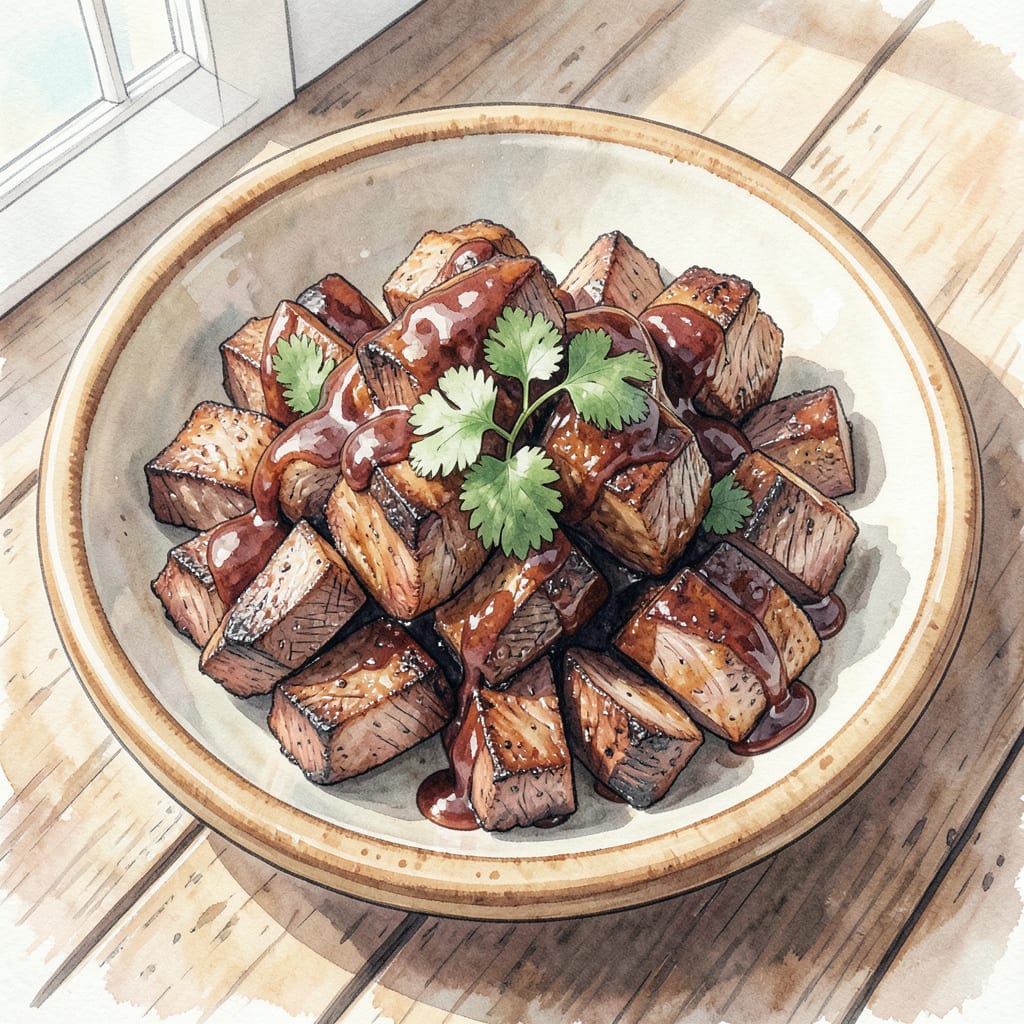
I’m sharing my secret smoked burnt ends recipe that delivers both tender and crispy textures in every bite. As a pitmaster, I’ve perfected the technique of transforming tough brisket into a BBQ delight.
With a blend of classic French technique and smoke-cooking tradition, you’ll achieve crispy edges and tender centers. Let’s get started on this mouth-watering journey to BBQ perfection.
Ingredients for Smoked Burnt Ends Bbq
Tender, crispy, and full of smoky flavor, these ingredients make it happen.
| Ingredient | Amount | Notes |
|---|---|---|
| Beef Brisket 🥩 | 2 ½ lb | Trimmed of excess fat, cut into 1-inch cubes |
| Smoked Paprika 🌶️ | 2 tbsp | For smoky flavor |
| Brown Sugar 🍮 | ¼ cup | Packed, for caramelization |
| Kosher Salt 🧂 | 1 tbsp | Diamond Crystal preferred |
| Black Pepper 🌶️ | 1 tsp | Freshly ground, coarse grind |
| Garlic Powder 🧄 | 1 tsp | Not garlic salt |
| Onion Powder 🧅 | 1 tsp | For depth of flavor |
| Chili Powder 🌶️ | 1 tsp | Mild or hot, depending on preference |
| Cumin 🌿 | ½ tsp | Ground, for earthy flavor |
| Cayenne Pepper 🔥 | ¼ tsp | Optional, for extra heat |
| Apple Cider Vinegar 🍎 | ¼ cup | For tanginess, added during last hour |
| Barbecue Sauce 🍯 | 1 cup | For glazing, added during last 30 minutes |
[recipe_ingredient_scaler]
The brisket is the star here. Look for flat-cut brisket at your local butcher or quality grocery store. Costco often has great deals on larger briskets. If you’re feeling fancy, try dry-aging for a few days for enhanced flavor. For the best results, make sure to trim any excess fat, leaving about 1/4 inch for flavor.
No smoked paprika? You can substitute with a mix of regular paprika and liquid smoke. For an extra kick, try adding a bit more cayenne pepper. If you prefer a milder flavor, reduce or omit the cayenne altogether. The barbecue sauce can be homemade or store-bought—Kansas City-style works particularly well for this recipe. For a tangier flavor, add a splash of apple cider vinegar to the sauce.
These burnt ends keep beautifully in the fridge for up to 5 days. Reheat them in the oven at 250°F until warmed through, or toss them in a hot pan with a bit of oil to crisp them back up. You can also freeze them for up to 3 months—just thaw overnight in the fridge before reheating. To maintain that perfect crispy texture, reheat in small batches.
Step-by-Step Instructions for Smoked Burnt Ends BBQ
Here’s the method to achieve tender, crispy burnt ends that’ll impress any BBQ crowd.
Step 1: Prepare the Brisket Cubes and Dry Rub
Start by trimming the 2.5 lb Beef Brisket into 1-inch cubes, removing any excess fat. I like to keep it rustic, so don’t worry about making them perfect. In a bowl, mix together the dry rub ingredients: 2 tbsp Smoked Paprika, 0.25 cup Brown Sugar, 1 tbsp Kosher Salt, 1 tsp Black Pepper, 1 tsp Garlic Powder, 1 tsp Onion Powder, 1 tsp Chili Powder, 0.5 tsp Cumin, and 0.25 tsp Cayenne Pepper. The mixture should be well combined and aromatic.
Toss the brisket cubes in the dry rub until they’re evenly coated, making sure to press the spices into the meat. I find that using your hands works best for this step. Let the coated brisket cubes sit at room temperature for 30 minutes to allow the seasonings to penetrate.
Step 2: Smoke the Brisket Cubes
Preheat your smoker to 250°F, using your preferred type of wood – I like a mix of post oak and hickory for that authentic BBQ flavor. Once the smoker is ready, add the brisket cubes in a single layer, making sure not to overcrowd them. You may need to do this in batches depending on your smoker’s size. Close the lid and smoke for 2 hours until the cubes reach an internal temperature of 160°F.
During the smoking process, you’ll notice the brisket cubes developing a nice bark on the outside while staying tender within. If you see the temperature stalling, don’t worry – it’s normal. Just keep an eye on the internal temperature.
Step 3: Finish with Barbecue Sauce and Crisp the Burnt Ends
After 2 hours of smoking, transfer the brisket cubes to a foil pan and pour in 0.25 cup Apple Cider Vinegar. Toss to coat evenly, then cover the pan tightly with foil. Return it to the smoker for another 1 hour until they’re tender and the internal temperature reaches 195°F.
Remove the pan from the smoker and carefully pour off any excess liquid. Add 1 cup Barbecue Sauce to the pan and toss the brisket cubes until they’re well coated. Return the pan to the smoker, uncovered this time, and continue to cook for an additional 30 minutes at 300°F until the sauce is caramelized and the burnt ends are crispy. You’ll know they’re done when they’re dark brown and crispy on the edges.
Step 4: Serve the Burnt Ends
Once the burnt ends are crispy and caramelized, remove them from the smoker and let them cool for a few minutes. Serve them hot, garnished with fresh parsley if desired. They’re perfect as is, or you can serve them on a bun with additional barbecue sauce on the side. The combination of tender interior and crispy exterior will make these burnt ends a hit at any BBQ gathering.
Enjoy the fruits of your labor – the smoky flavor, the tender texture, and that irresistible crispy exterior. It’s a BBQ experience like no other.
Health Benefits of This Dish
Nutritional Benefits of Burnt Ends
While smoked burnt ends might seem like an indulgent treat, they do offer some nutritional benefits. The brisket used for burnt ends is a good source of protein, essential for muscle repair and growth. A 3-ounce serving provides about 20 grams of protein. Additionally, brisket contains important minerals like iron and zinc, which support immune function and overall health.
Considerations for Balanced Consumption
It’s worth noting that burnt ends are typically high in calories and fat due to the smoking process and the addition of barbecue sauce. A serving of burnt ends can range from 300 to 500 calories, depending on the size and preparation. To balance your meal, consider pairing burnt ends with lighter sides like coleslaw or grilled vegetables. Moderation is key to enjoying this dish as part of a balanced diet.
Healthier Preparation Tips
To make your burnt ends a bit healthier, you can adjust the recipe by using a leaner cut of brisket or trimming more fat. Additionally, consider using a low-sugar barbecue sauce or making your own sauce with natural sweeteners like honey or maple syrup. You can also experiment with different spices to reduce the need for salt and sugar. These small changes can make a big difference in the nutritional profile of your burnt ends.
Minerals and Vitamins
Despite being a treat, burnt ends do contain some essential vitamins and minerals. The iron in brisket helps with oxygen transport in the blood, while zinc supports immune function and wound healing. Using a variety of spices in your dry rub can also add antioxidants to your dish. For instance, garlic powder and onion powder have been shown to have health benefits.
Portion Control
One of the most important aspects of enjoying burnt ends is practicing portion control. It’s easy to overindulge in these delicious, crispy morsels. Aim for a 3-ounce serving size and savor each bite. Pairing your burnt ends with nutrient-dense sides can help you feel fuller and more satisfied, making it easier to stick to a reasonable portion.
Reheating and Storage
When storing and reheating burnt ends, it’s crucial to maintain food safety. Store leftovers in an airtight container in the refrigerator for up to 3 days. When reheating, use a low and slow method to retain moisture and texture. You can reheat them in the oven at 250°F until warmed through, or toss them in a hot pan with a bit of oil to crisp them back up. Proper storage and reheating help maintain the quality and safety of your burnt ends.

Trained in classic French technique but raised on slow-cooked ribs and spicy rubs, she blends culinary skill with smoke and soul.
- Recipe for Boneless Pork Chops in Cast Iron Skillet: Sear and Baste to Juicy Perfection - October 3, 2026
- Recipe for Boneless Cross Rib Roast: Slow-Roasted Beef with Herb Crust - October 3, 2026
- Hamburgers in Sauce Recipe Crock Pot: Slow-Cooked Savory Delight - October 3, 2026