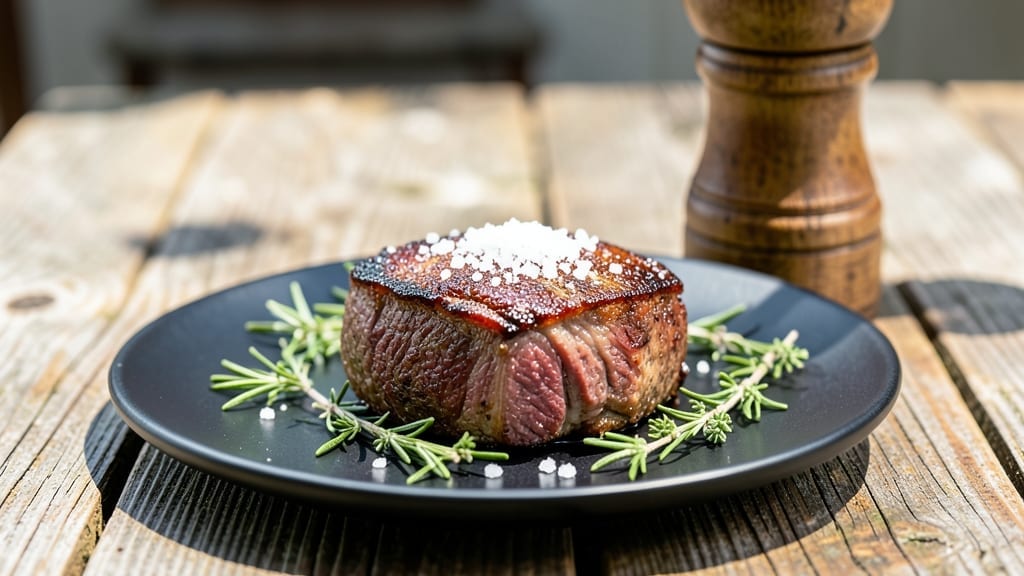
This smoked chuck tender roast recipe transforms tough cuts into melt-in-your-mouth perfection through low-and-slow smoking—exactly the method I perfected after years of backyard cookouts. The secret lies in patience and precise temperature control, turning a simple roast into a showstopper that falls apart at the touch of a fork.
What makes this recipe work is the balance between time and heat—smoking at 225°F with hickory or cherry wood ensures the meat stays juicy while developing deep, smoky flavors. A well-chosen dry rub with brown sugar and smoked paprika creates that perfect bark, while the interior remains tender and rich.
It’s the kind of dish that rewards your effort with every bite.
By the time you pull it from the smoker, you’ll have a roast so tender it practically shreds itself, with a crust that’s crisp enough to stand up to a knife.
The aroma alone will have everyone gathered around your table, and the first slice will silence any skeptics. This is comfort food at its finest—worth the wait.
Serve it sliced thick over mashed potatoes, on crusty bread with gravy, or even in tacos for a hearty meal that feels like a celebration. The leftovers? Just as good reheated the next day. Let’s get smoking!
Ingredients for smoked chuck tender roast
Simple ingredients that turn tough meat into melt-in-your-mouth perfection with just smoke and time.
| Ingredient | Amount | Notes |
|---|---|---|
| Chuck Tender Roast 🥩 | 4 lb | Center-cut for even tenderness |
| Kosher Salt 🧂 | 1 ½ tbsp | Diamond Crystal preferred |
| Freshly Ground Black Pepper 🌶️ | 1 ½ tbsp | Cracked peppercorns preferred |
| Smoked Paprika 🌶️ | 1 tbsp | High-quality for authentic bark |
| Brown Sugar 🍯 | 1 tbsp | Light or dark, packed |
| Garlic Powder 🧄 | 1 tbsp | Freshly toasted if possible |
| Onion Powder 🧅 | 1 tbsp | No added MSG |
| Hickory Wood Chips 🌳 | 1 package | Or cherry wood for sweeter flavor |
| Beef Broth 🍲 | 1 cup | Low-sodium, room temperature |
| Apple Cider Vinegar 🍎 | 1 tbsp | For tenderizing |
| Olive Oil 🫒 | 1 tbsp | For rub application |
| Fresh Rosemary 🌿 | 2 sprigs | For aroma, optional |
| Fresh Thyme 🌿 | 2 sprigs | For depth, optional |
[recipe_ingredient_scaler]
The chuck tender roast is your star here—center-cut pieces stay juicier than regular chuck. Costco or local butchers usually have it pre-cut, but if you’re buying a whole roast, ask for the most tender section. Look for good marbling (those white streaks of fat) to ensure tenderness. I always grab mine from Whole Foods when I want extra assurance, but the regular grocery store stuff works fine if it’s fresh. For a 4-pound roast, you’ll want roughly 2-3 inches thick—thinner pieces cook faster but can dry out if you’re not careful. Trim any excess fat if it’s thicker than 1/4 inch, but leave some for flavor.
No hickory chips? Cherry or pecan wood both work beautifully—cherry adds a sweeter note, pecan brings a nutty depth. Running out of beef broth? Water with a splash of soy sauce keeps it flavorful. The apple cider vinegar might seem odd, but it helps break down the meat fibers for that fall-apart texture (trust me on this). For the rub, I like to mix everything in a bowl first, then rub it all over the meat with my hands—it sticks better than just sprinkling. Short on fresh herbs? Dried rosemary at half the amount works in a pinch, but fresh is worth the extra minute if you’ve got it.
This roast tastes even better the next day—plan ahead! Wrap it tightly in foil and store in the fridge for up to 5 days, or freeze for 3 months in portions. I like to slice it against the grain before freezing so it’s ready to reheat. For leftovers, a quick 10-minute warm in the oven with a splash of beef broth keeps everything juicy. The rub? Store any extras in an airtight container for up to 6 months. Double the batch if you’re feeding a crowd—it reheats just as well.
Why You’ll Love This Recipe
- Smoker’s Secret Weapon: That dry rub—just kosher salt, black pepper, smoked paprika, brown sugar, garlic and onion powders—takes five minutes to mix and another five to coat the meat. No fancy prep, just slather, let sit, and forget about it while the smoker does the heavy lifting. Honestly, I’ve made this on a Tuesday night when I’m too tired to think, and it still turns out chef’s kiss.
- Crispy Edge, Creamy Center: The bark from the smoked paprika and brown sugar? It’s like a smoky caramel crust. But here’s the magic: after four hours of smoking, you dump in beef broth and apple cider vinegar to baste it the final 4-6 hours. The result? That crispy edge with the creamy center—no dry bits, just melt-in-your-mouth perfection. My picky teen didn’t even complain about the “smoky” part.
- Feeds a Crowd, Stays Cheap: Four pounds of chuck tender roast is exactly what you need for a family dinner or a potluck. And with hickory wood chips and a few pantry staples, the cost per serving? Less than takeout. The leftovers? Wrap ‘em up and reheat in the oven for 10 minutes—still juicy, still delicious. I’ve made this for holidays, game days, and lazy Sundays, and it never lets me down.
- No Waste, No Fuss: That olive oil and drippings from the roasting pan? Don’t toss it! Just scrape those browned bits into a skillet with a splash of the pan sauce, and boom—you’ve got a quick, rich reduction to drizzle over everything. And if you’re feeling fancy, slice it for tacos, sandwiches, or a big ol’ charcuterie board. The fresh rosemary and thyme (optional, but worth it) even add aroma to leftovers—no flavor fade here.
Step-by-step instructions for smoked chuck tender roast
Here’s how to transform your chuck tender roast into melt-in-your-mouth perfection.
Apply the Dry Rub and Prep for Smoking
In a small bowl, combine all 1½ tablespoons kosher salt, 1½ tablespoons freshly ground black pepper, 1 tablespoon smoked paprika, 1 tablespoon brown sugar, 1 tablespoon garlic powder, and 1 tablespoon onion powder. Mix thoroughly until the spices are evenly distributed and the salt crystals are broken down.
Pat the 4 lb chuck tender roast completely dry with paper towels—this is crucial for developing that beautiful bark. Rub the spice mixture all over the roast, pressing firmly so it adheres well. Don’t skip this step; the rub creates both flavor and a protective crust during smoking. Let the roast sit at room temperature for 30 minutes while you prepare your smoker.
Set Up the Smoker and Start Cooking
Soak the 1 package hickory wood chips in water for 30 minutes to prevent flare-ups. Preheat your smoker to 225°F using the soaked wood chips. Place the 2 sprigs fresh rosemary and 2 sprigs fresh thyme directly on the heat source for aroma infusion.
Once the smoker reaches temperature, place the rubbed roast fat-side up on the smoker grate. This position allows the rendered fat to baste the meat as it cooks. Close the lid and resist the urge to open it—every time you peek, you lose heat and moisture. Smoke the roast for 4 hours, maintaining a consistent 225°F temperature.
Add Liquid and Continue Smoking
After 4 hours, remove the roast from the smoker and prepare the 1 cup beef broth with 1 tablespoon apple cider vinegar in a small saucepan. Heat until just simmering, then pour the mixture into a shallow roasting pan. Return the roast to the smoker and place the pan underneath it to catch drippings.
This liquid basting technique adds moisture and depth of flavor. Continue smoking for another 4-6 hours, or until the internal temperature reaches 195-200°F and the meat is fork-tender. You’ll know it’s ready when the probe slides in easily with no resistance. The bark should be dark and crispy, while the meat inside should be so tender it nearly falls apart.
Rest and Slice for Maximum Juiciness
Remove the roast from the smoker and transfer it to a cutting board. Tent loosely with aluminum foil and let it rest for 30-45 minutes. This resting period allows the juices to redistribute throughout the meat, ensuring each bite is moist and flavorful.
While the roast rests, heat 1 tablespoon olive oil in a skillet over medium heat. Once hot, pour any accumulated drippings from the roasting pan into the skillet and scrape up the browned bits with a wooden spoon. This creates a simple pan sauce that complements the smoked meat beautifully.
Serve with Confidence
Slice the rested roast against the grain into ¼-inch thick pieces. The meat should be so tender it practically melts in your mouth, with a perfect balance of smoky flavor and rich beefy goodness. Serve the sliced roast with the pan sauce spooned over the top, and enjoy the fruits of your low-and-slow labor.
This method guarantees a perfectly smoked chuck tender roast that’s juicy, tender, and packed with flavor. The combination of dry rub, liquid basting, and proper resting time creates a dish that’s truly restaurant-quality at home.
Pro Tips For Making Smoked Chuck Tender Roast
- Soak Those Wood Chips: I learned this the hard way—dry wood chips turn into a smoky fireworks show. Soak that 1 package hickory wood chips in water for 30 minutes before using. It keeps the smoker steady at 225°F without temperature swings that turn your roast into jerky.
- Fat-Side Up Only: That rendered fat isn’t just for flavor—it’s self-basting gold. Place the roast fat-side up on the smoker grate. Every time I’ve ignored this, the meat dries out faster, and the bark turns uneven. Trust the process, even if it looks weird.
- Vinegar Isn’t Just Flavor: The 1 tablespoon apple cider vinegar in the beef broth isn’t just for tang—it tenderizes the meat from the inside out. Skip it, and you’ll end up with chewier results. Heat the broth just until it simmers, then pour it under the roast. No rushing here.
- Probe Like a Pro: That 195-200°F internal temp is non-negotiable, but where you stick the probe matters. Aim for the thickest part, away from bone or fat. I used to check the edge and overcook the center—now I wait until the probe glides in like butter. Patience pays off.
Best sauces and condiments for this dish
Classic BBQ Sauce Pairing
Nothing beats the smoky richness of your chuck tender roast with a sweet-tangy BBQ sauce. I swear by St. Simons BBQ Sauce—its smoky tomato base with a touch of molasses complements the roast perfectly.
Drizzle ¼ cup over each serving after slicing, or use it to baste the meat during the final 30 minutes of smoking for extra flavor. The caramelized glaze adds a sticky, sweet contrast to the bold bark. 🔥
Creamy Horseradish Sauce
For a sharp, tangy kick, mix ½ cup sour cream with 2 tbsp prepared horseradish, 1 tbsp apple cider vinegar, and a pinch of salt. This sauce cuts through the richness while adding a fiery punch.
I like to serve it on the side so guests can add it to taste—some love it spicy, others prefer a milder version. It’s the kind of sauce that makes every bite exciting.
Smoky Maple Glaze
If you want something sweeter, blend ¼ cup maple syrup with 1 tbsp smoked paprika and 1 tsp liquid smoke (like Bulls-Eye). Brush this glaze over the roast during the last 1 hour of smoking, or serve it drizzled on top after slicing.
The smoky-sweet combo is irresistible, especially with the tender meat underneath. I often make a double batch to share. ✨
Classic Red Wine Reduction
For a more sophisticated touch, reduce 1 cup dry red wine (such as Cabernet Sauvignon) with 2 tbsp beef broth until syrupy. Stir in a spoonful of the roast drippings for extra depth.
This reduction pairs beautifully with the smoky flavors and adds a luxurious finish to each bite. I serve it warm over the sliced roast for a restaurant-worthy touch.
Spicy Peanut Sauce
If you’re feeling adventurous, try a spicy peanut sauce made with ¼ cup peanut butter, 2 tbsp soy sauce, 1 tbsp sriracha, and 1 tbsp lime juice. Whisk until smooth and drizzle over the roast.
The nutty, spicy contrast is unexpected but delicious—perfect for those who love bold flavors. I keep a small bowl on the table for guests to add as they like. 💛
Nutrition facts
Frequently asked questions
Why does the recipe call for smoking at 225°F
instead of higher heat?
Smoking at 225°F is key for tenderizing tough chuck roast without drying it out. Higher heat would create a crust too quickly while leaving the interior undercooked. This low-and-slow method lets collagen break down gradually, resulting in melt-in-your-mouth texture. The 4-6 hour cook time ensures even doneness throughout the thick cut.
Can I use regular salt instead of kosher salt in the dry rub?
You can, but the flavor will be saltier since table salt is more concentrated. For best results, stick with 1½ tablespoons Diamond Crystal kosher salt—it’s easier to measure and gives consistent seasoning. If you must substitute, use 1 tablespoon table salt instead. The texture of your bark might differ slightly, but the meat will still turn out delicious.
What if my smoker temperature fluctuates during cooking?
Small fluctuations are normal, but try to maintain 225°F as closely as possible. Use a meat thermometer to track internal temp instead of relying solely on smoker gauge. If temps drop below 200°F, add more wood chips to reignite the fire. For safety, don’t exceed 250°F—this could dry out your roast. Patience is worth it for perfect results!
How do I know when the roast is done without a meat thermometer?
Press the tip of a sharp knife into the thickest part—if the juices run clear and the meat feels springy, it’s likely done. Another trick: check for 195-200°F internal temp by cutting into the center. The bark should be dark and crispy while the inside gives slightly when pressed. Overcooking is easy with smoked meat, so err on the side of slightly underdone if unsure.
Can I make this recipe in an oven instead of smoking?
While not ideal, you can adapt it! Use 300°F oven with a foil-lined pan for drippings, and apply the same rub. Cook for 2-3 hours until 195°F internal temp. The bark won’t be as crispy, and flavor will be less smoky. For best results, stick with smoking—your taste buds will thank you!

Trained in classic French technique but raised on slow-cooked ribs and spicy rubs, she blends culinary skill with smoke and soul.
- Smoked Brisket Recipe: Low and Slow to Fall-Apart Tenderness - November 2, 2026
- Smoked Turkey Breast Recipe: Juicy Pink Center With Crispy Skin Every Time - November 2, 2026
- Leftover Smoked Pulled Pork Chili Recipe: Rustic Flavor Revival in One Pot - November 2, 2026