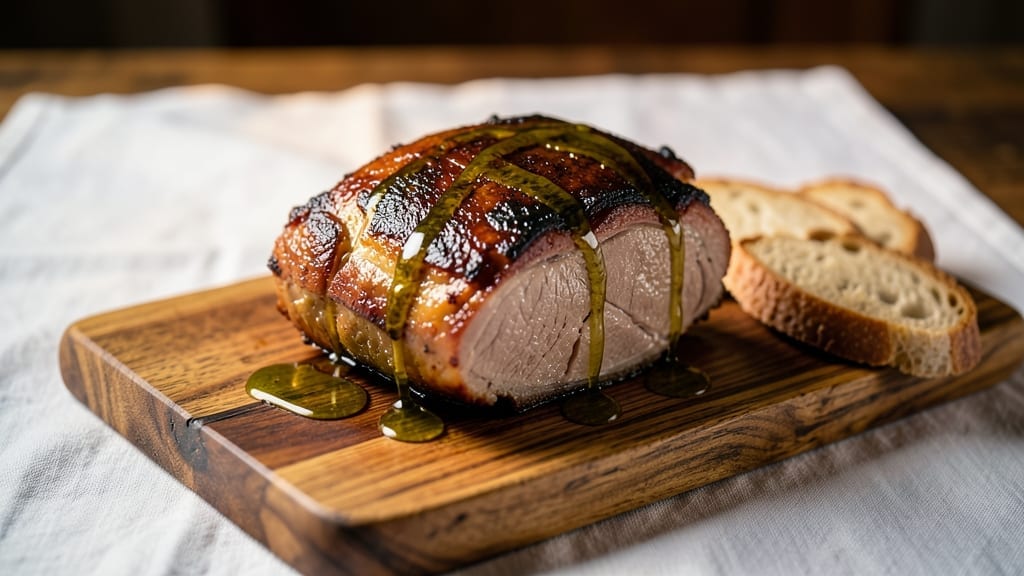
A smoked crown roast of pork transforms holiday tables from ordinary to unforgettable—where the crispy bark meets tender, smoky meat that becomes the centerpiece of any feast.
Growing up in small-town Georgia, I learned that pork isn’t just dinner; it’s tradition, and this recipe captures that same warmth in every bite. The key lies in low-and-slow smoking paired with precise seasoning, ensuring the crust crackles while the interior stays juicy and rich.
This method delivers restaurant-quality results at home, using simple techniques like a dry rub and careful temperature control. You’ll work with a heritage cut—rich in flavor and perfect for smoking—while the smoker does the heavy lifting, creating that signature bark that’s impossible to resist.
The process may take patience, but the reward is a showstopping centerpiece that feeds a crowd with minimal effort once the smoke starts flowing.
By the time you carve into this masterpiece, you’ll have golden-brown edges and meat so tender it nearly falls apart. The aroma alone will have guests gathering before the table’s even set, while the first bite delivers smoky depth and a perfect balance of salt and sweet.
This isn’t just pork—it’s the kind of dish that makes people ask for seconds before dessert even arrives.
Pair it with classic sides like apple sauce, mashed sweet potatoes, or a crisp green salad to complete the meal. The leftovers? Even better the next day, reheated gently to preserve that smoky magic. Let’s get smoking—your holiday table is about to get an upgrade.
Ingredients for smoked crown roast of pork
Heritage pork, bold spices, and smoky magic—this is how holidays get legendary.
| Ingredient | Amount | Notes |
|---|---|---|
| Crown Roast of Pork 🐷 | 12 lb | Bone-in, heritage cut preferred |
| Brown Sugar 🍚 | ½ cup | Light or dark variety |
| Kosher Salt 🧂 | ½ cup | Fine grain preferred |
| Smoked Paprika 🌶️ | 2 tbsp | Sweet or hot variety |
| Garlic Powder 🧄 | 2 tbsp | Fresh ground preferred |
| Onion Powder 🧅 | 2 tbsp | Fresh ground preferred |
| Black Pepper 🌶️ | 1 tbsp | Freshly ground preferred |
| Dried Thyme 🌿 | 1 tbsp | Mexican oregano alternative |
| Apple Cider Vinegar 🍎 | ¼ cup | For tenderizing |
| Honey 🍯 | ¼ cup | For sweetness and moisture |
| Wood Chips 🌳 | 2 cups | Hickory or apple wood |
| Pork Broth 🍲 | 2 cups | For basting |
[recipe_ingredient_scaler]
The crown roast is your star. Look for bone-in heritage cuts—they hold up better to smoking and deliver that melt-in-your-mouth texture. I always grab mine from Whole Foods or my local butcher, asking for the thickest cut possible. If you’re buying pre-packaged, check the fat cap—at least 1/4 inch ensures juiciness. The wood chips? Hickory for bold flavor, apple for a sweeter aroma—soak them in water for 30 minutes before smoking. Trust me on this: the difference in bark quality is night and day.
No apple cider vinegar? Lemon juice or even a splash of Worcestershire sauce will tenderize the meat. Want more heat? Swap in cayenne pepper at half the amount of black pepper. The brown sugar can be substituted with maple syrup for a vegan option, but it won’t caramelize quite the same. Dried thyme is fine, but if you’ve got fresh thyme, use it—it’s like night and day in flavor. And if your smoker only takes pellets? Hickory pellets work in a pinch—just double the amount.
This roast is a crowd-pleaser, but it deserves respect. Prep the day before—trim excess fat, pat dry, and let the dry rub sit overnight for maximum flavor. The smoker should run at 225°F for 6-8 hours, basting with pork broth every hour. For the best bark, increase temp to 275°F for the last hour. Leftovers keep for 4-5 days in the fridge or freeze for 3 months. I portion mine into containers so lunches are sorted for the week—trust me, it’s worth the extra effort.
Why You’ll Love This Recipe
- No-Fuss Feast: That dry rub with brown sugar and smoked paprika? It’s literally five minutes of mixing and pressing—no fancy prep, just pure flavor. And the apple cider vinegar wells? They tenderize the meat while you’re sipping coffee, not standing over a pan.
- Smoky Sweet Perfection: The honey and vinegar create that perfect balance—sweet, tangy, and smoky all at once. That bark? Crispy enough to bite into, but the inside? So tender it falls apart like it was slow-cooked for hours (even though it’s just 8-10 hours of hands-off smoking).
- Leftovers That Last: This roast feeds a crowd and leaves you with enough for lunches the next week. Slice it thin, wrap portions in foil, and reheat in the oven—still juicy, still packed with that smoky flavor. Four days in the fridge? No problem.
- Budget-Friendly Showstopper: A 12-pound crown roast isn’t cheap, but it’s a steal when you consider how much food you get out of it. And the spices? A little goes a long way—you’ll have enough dry rub left for ribs or chicken next time. Worth every penny.
Step-by-step instructions for smoked crown roast of pork
Here’s how to transform a simple crown roast into a showstopping holiday centerpiece with perfect bark and tender meat.
Prepare the Dry Rub and Tenderize the Roast
In a medium bowl, combine the ½ cup brown sugar, ½ cup kosher salt, 2 tablespoons smoked paprika, 2 tablespoons garlic powder, 2 tablespoons onion powder, 1 tablespoon black pepper, and 1 tablespoon dried thyme. Mix thoroughly until the spices are evenly distributed throughout the sugar and salt mixture.
Next, create small wells in the roast by gently pressing the ¼ cup apple cider vinegar and ¼ cup honey into the meat using your fingers. This step tenderizes the pork and creates a beautiful glaze that caramelizes during smoking. Spread the dry rub all over the roast, pressing firmly so it adheres well. Pay special attention to the bone areas and the outer edges where the bark will form.
Set Up the Smoker and Prepare for Cooking
Soak the 2 cups wood chips in water for at least 30 minutes before using. Fill your smoker with these soaked chips and preheat to 225°F. Use hickory or apple wood for a classic flavor profile that pairs beautifully with pork. Place a water pan in the smoker to maintain moisture throughout the cooking process.
Once the smoker reaches temperature and you see clean, blue smoke (not thick white smoke), place the crown roast bone-side down on the smoker grates. This positioning allows the fat to render down and baste the meat as it cooks. Pour the 2 cups pork broth into the water pan to create additional moisture in the smoking chamber.
Smoke Low and Slow for Perfect Texture
Smoke the crown roast undisturbed for 8-10 hours, maintaining a consistent 225°F temperature. Resist the temptation to open the smoker lid during this time—each time you do, you lose heat and moisture, extending the cooking process. The bark will develop a deep mahogany color and crispy texture, while the meat will remain tender and juicy.
After 8-10 hours, check the internal temperature using a meat thermometer. When it reaches 195°F in the thickest part of the meat (the shoulder), the roast is done. The meat should be fork-tender with a beautiful smoke ring. If the bark isn’t as crispy as you’d like, you can increase the smoker temperature to 250°F for the final 1-2 hours of cooking to crisp it up.
Rest and Carve for Maximum Juiciness
Remove the crown roast from the smoker and transfer it to a cutting board. Tent loosely with aluminum foil and let it rest for at least 30 minutes before carving. This resting period allows the juices to redistribute throughout the meat, ensuring each slice is moist and flavorful.
To carve, first remove the leg bone by cutting around it with a sharp boning knife. Then slice the roast against the grain into ½-inch thick portions. The meat should be tender enough to pull apart with a gentle tug, with a beautiful crispy bark on the outside and a pink smoke ring just beneath the surface. Serve immediately with your favorite sides for a holiday meal that will impress everyone at the table.
Pro Tips For Making Smoked Crown Roast Of Pork
- Press Rub Like Glue: Don’t just sprinkle the dry rub—press it into every crevice, especially around the bones and edges where the bark forms. I used to skip this, and my first few roasts ended up with patchy flavor. The extra effort makes the difference between good and showstopping.
- Bone-Side Down First: Place the roast bone-side down on the grates so the fat can drip onto the meat, basting it as it smokes. I learned this the hard way after a dry first attempt—now it’s non-negotiable for juicy results.
- Soak Wood Chips Right: Soak those 2 cups of wood chips for at least 30 minutes before smoking. Skimping here leads to thick white smoke instead of clean blue, and trust me, you don’t want your pork tasting like a campfire mishap.
- Crisp Bark Last: If the bark isn’t crispy enough after 8-10 hours at 225°F, bump the smoker to 250°F for the final 1-2 hours. This trick adds that satisfying crunch without overcooking the meat—my grandmother’s secret for restaurant-quality bark.
Pro cooking tips for great smoked crown roast of pork
Mastering the Smoke Ring
That perfect pink smoke ring is the holy grail of pork smoking, and it starts with consistent temperature control. I always use a dual-probe thermometer—one for the smoker and one inserted into the thickest part of the meat.
When the internal temp hits 160°F, the smoke ring begins to form. If your smoker fluctuates, you’ll get a patchy ring or none at all. Stick to 225°F like a glued-on glove for that beautiful, even ring. 🔥
The Basting Secret
Basting with pork broth every 60-90 minutes keeps the bark from drying out while adding moisture. I use a basting brush to apply a thin layer—don’t drown the meat! The broth also helps create a glossy finish.
I’ve tried apple juice and beer, but nothing beats the depth of flavor from homemade or quality store-bought broth. Trust me, it’s worth the extra effort.
Wood Chip Wisdom
Hickory is my go-to for pork because it delivers that classic, slightly sweet smokiness, but apple wood adds a fruity complexity that pairs beautifully with the sweet-spicy rub. Always soak your chips for at least 30 minutes—this prevents flare-ups and ensures a steady, clean smoke.
I use Traeger brand chips when I can, but any quality brand works. Avoid cheap pellets or chips with additives—they can leave a bitter taste. 🌳
Resting Like a Pro
This is where many home smokers mess up. After removing the roast, tent it loosely with foil and let it rest for at least 30 minutes—I often go for 45 minutes for extra tenderness. This allows the juices to redistribute evenly so every slice is juicy.
I’ve seen people slice it right away, and it’s a crime against pork—it’s like eating a dry piece of cardboard compared to the melt-in-your-mouth magic you get with proper resting.
Bark Boost at the End
If your bark isn’t crispy enough after 8-10 hours, crank up the smoker to 250°F for the final 1-2 hours. This final push caramelizes the sugars in the rub and gives you that crackling texture everyone craves.
I’ve also had success wrapping the roast in butcher paper for the last hour—it traps steam and helps crisp up the edges without drying out the meat. It’s a little trick I learned from my mentor in Charleston.
Nutrition facts
Frequently asked questions
Why does the recipe specify smoking at 225°F
for so long?
Smoking at 225°F for 8-10 hours ensures the bark develops a deep mahogany color and crispy texture while keeping the meat tender and juicy. This low-and-slow method allows the fat to render slowly, creating a perfect balance of flavor and moisture. Skipping this step can result in dry meat or insufficient bark formation.
What’s the best way to check if the crown roast is fully cooked?
Use a meat thermometer to check the internal temperature in the thickest part of the meat—aim for 195°F. The meat should also be fork-tender with a visible pink smoke ring just beneath the surface. If the bark isn’t crispy enough, increase the smoker temperature to 250°F for the final 1-2 hours to crisp it up.
Can I substitute apple cider vinegar or honey in the recipe?
Yes! If you don’t have apple cider vinegar, use lemon juice or Worcestershire sauce for tenderizing. For honey, maple syrup works as a sweetness alternative, though it may caramelize slightly differently. Both substitutions maintain the dish’s flavor profile while keeping the meat tender.
How do I prevent the bark from drying out during smoking?
Baste the roast with pork broth every 60-90 minutes to keep the bark moist and add flavor. Avoid over-basting, as too much liquid can dilute the seasoning. For extra crispiness, increase the smoker temperature to 250°F for the last 1-2 hours of cooking. This final boost caramelizes the sugars for a crackling texture.

Trained in classic French technique but raised on slow-cooked ribs and spicy rubs, she blends culinary skill with smoke and soul.
- Smoked Brisket Recipe: Low and Slow to Fall-Apart Tenderness - November 2, 2026
- Smoked Turkey Breast Recipe: Juicy Pink Center With Crispy Skin Every Time - November 2, 2026
- Leftover Smoked Pulled Pork Chili Recipe: Rustic Flavor Revival in One Pot - November 2, 2026