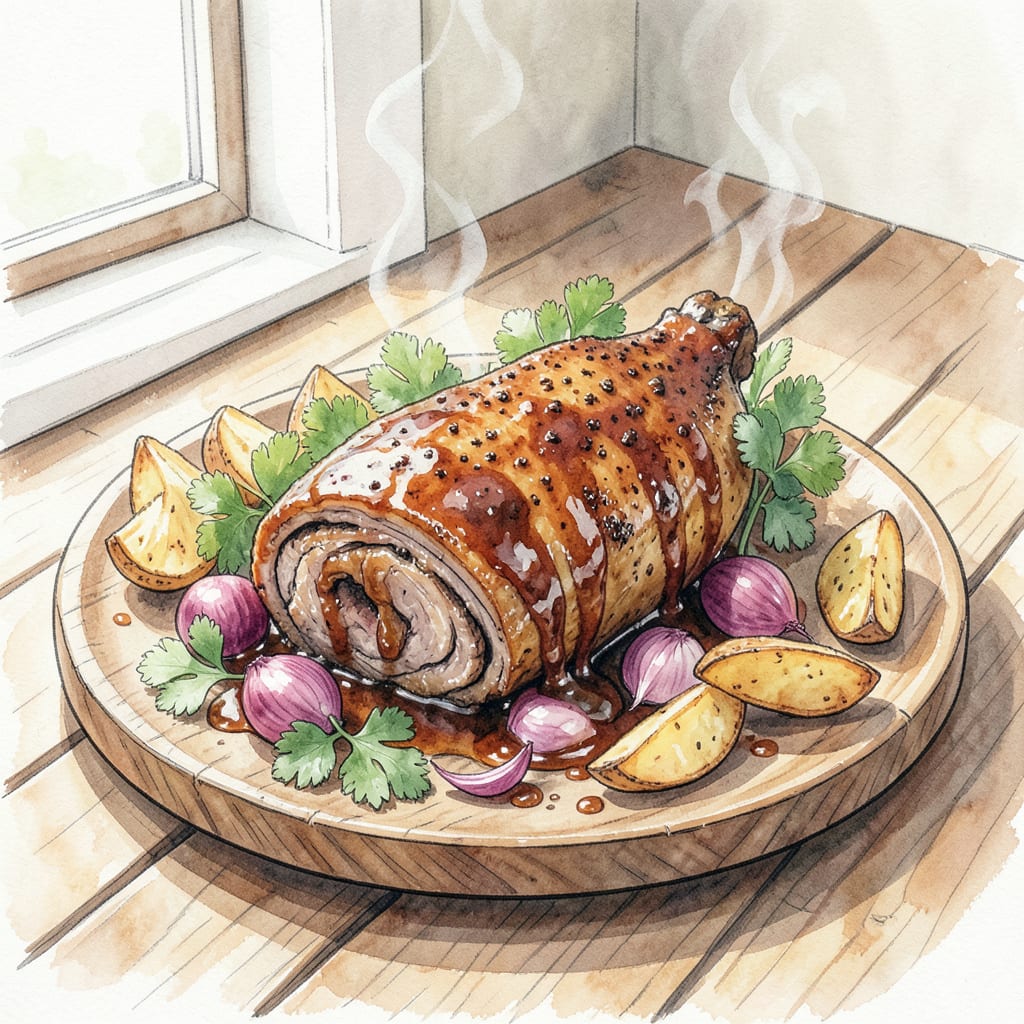
As a pitmaster, I’ve perfected the art of slow-cooking meats to tender, fall-off-the-bone perfection. My smoked goat BBQ recipe is a game-changer, delivering rich, complex flavors that’ll transport you to a summer backyard cookout.
By combining classic French technique with traditional smoke-cooking methods, I achieve tender, juicy goat that’s simply irresistible. This recipe is perfect for adventurous eaters and BBQ enthusiasts alike, promising a truly unforgettable dining experience.
Ingredients for Smoked Goat Bbq
Tender goat shoulder meets smoky BBQ magic. Simple ingredients, unforgettable flavors.
| Ingredient | Amount | Notes |
|---|---|---|
| Goat Shoulder 🐐 | 2 ½ lb | Bone-in for best flavor |
| Smoked Paprika 🌶️ | 2 tbsp | For smoky depth |
| Brown Sugar 🍮 | 1 tbsp | Dark brown preferred |
| Kosher Salt 🧂 | 2 tbsp | Diamond Crystal recommended |
| Black Pepper 🌶️ | 1 tbsp | Freshly ground |
| Garlic Powder 🧄 | 1 tbsp | Not garlic salt |
| Onion Powder 🧅 | 1 tbsp | Adds depth |
| Apple Cider Vinegar 🍎 | ½ cup | For tanginess |
| Worcestershire Sauce 💧 | 2 tbsp | Adds umami |
| Wood Chips 🌲 | 2 cups | Hickory or apple wood |
| Barbecue Sauce 🍯 | 1 cup | For glazing |
| Olive Oil 🫒 | 2 tbsp | For initial rub |
[recipe_ingredient_scaler]
The goat shoulder is the star here. Look for bone-in at specialty butcher shops or well-stocked supermarkets. If you can’t find goat, beef brisket or short ribs make great substitutes. For the best results, use hickory or apple wood chips for that authentic smoky flavor.
No apple cider vinegar? White wine vinegar or lemon juice works as a substitute. For a spicier kick, add cayenne pepper to the dry rub. If you’re using a different type of wood, like mesquite or cherry, adjust the amount according to your smoker’s instructions.
This dish reheats beautifully, so make extra for leftovers. Store in an airtight container in the fridge for up to 4 days or freeze for 3 months. When reheating, add a splash of barbecue sauce to keep it moist and flavorful.
Step-by-Step Instructions for Smoked Goat BBQ
Here’s the method that’ll make your smoked goat shoulder the star of the BBQ.
Step 1: Prepare the Goat Shoulder
Start by trimming any excess fat from the 2.5 lb Goat Shoulder if needed. I like to leave a bit of fat for extra flavor. Next, mix together the dry rub ingredients: 2 tbsp Smoked Paprika, 1 tbsp Brown Sugar, 2 tbsp Kosher Salt, 1 tbsp Black Pepper, 1 tbsp Garlic Powder, and 1 tbsp Onion Powder. Rub this spice mixture all over the goat shoulder, making sure to coat it evenly. Let it sit at room temperature for 1 hour to allow the meat to absorb the flavors.
The dry rub creates a flavorful crust on the goat shoulder during smoking. Don’t be shy with the rub – you want a generous coating for maximum flavor. If you have time, let it sit in the refrigerator overnight for even better results.
Step 2: Set Up Your Smoker
Preheat your smoker to 225-250°F using your preferred type of wood, such as hickory or apple wood. I use 2 cups Wood Chips to maintain a steady smoke throughout the cooking process. While the smoker is heating up, mix together 0.5 cup Apple Cider Vinegar and 2 tbsp Worcestershire Sauce in a small bowl. This mixture will be used to add moisture and flavor to the goat shoulder during smoking.
Once your smoker is ready, place the goat shoulder in the smoker, fat side up if it has a fat cap. Close the lid and let it smoke undisturbed for 4-5 hours. You want to maintain a consistent temperature and smoke level throughout the cooking process.
Step 3: Monitor and Glaze the Goat
After 4 hours of smoking, start checking the internal temperature of the goat shoulder. You’re looking for it to reach 190-195°F for tender, fall-apart meat. While it’s cooking, prepare the glaze by heating 1 cup Barbecue Sauce in a saucepan over low heat. Once the goat shoulder reaches the desired temperature, brush it generously with the warmed barbecue sauce.
Return the glazed goat shoulder to the smoker for an additional 15-20 minutes to set the sauce. This final glazing step creates a sticky, caramelized exterior that complements the tender, smoky meat perfectly. Keep an eye on it to prevent the sauce from burning.
Step 4: Rest and Serve
Once the goat shoulder is done, remove it from the smoker and let it rest for 15-20 minutes before slicing. This resting period allows the juices to redistribute throughout the meat, ensuring it stays tender and moist. Use two forks to pull the meat apart into tender shreds or slices, depending on your preference.
Serve the smoked goat shoulder with additional barbecue sauce on the side, if desired. The meat should be so tender it practically falls apart at the touch of a fork. Enjoy the fruits of your labor!
Regional Styles of This Recipe
Carolina-Style Vinegar Influence
The vinegar-based mop sauce in this recipe pays homage to traditional Carolina barbecue techniques. By combining apple cider vinegar with Worcestershire sauce, we create a tangy, umami-rich flavor profile that complements the smoky goat perfectly. This style of barbecue is all about balance – the acidity cuts through the richness of the meat, creating a harmonious flavor experience.
Texas-Style Dry Rub Tradition
The dry rub used in this smoked goat recipe draws inspiration from Texas-style barbecue traditions. Using a blend of smoked paprika, brown sugar, and kosher salt, we create a complex flavor crust on the meat. This approach emphasizes the quality of the meat while adding depth through carefully chosen spices. The result is a beautifully seasoned exterior that enhances the natural flavors of the goat.
Kansas City-Style BBQ Sauce Finish
The final glazing step with barbecue sauce brings in Kansas City-style barbecue influence. This thick, sweet, and tangy sauce adds a caramelized exterior to the smoked goat, balancing the smokiness with rich, molasses-like flavors. The sauce not only enhances the taste but also creates a beautiful, sticky texture that makes the dish visually appealing.
Memphis-Style Low and Slow Cooking
Cooking the goat shoulder at 225-250°F for 4-5 hours follows the Memphis-style low and slow cooking tradition. This method ensures that the meat becomes tender and falls apart easily, while absorbing all the complex flavors from the rub and smoke. The slow cooking process allows the connective tissues in the meat to break down, resulting in a melt-in-your-mouth texture that’s characteristic of great barbecue.
Regional Wood Choices
The choice of hickory or apple wood for smoking reflects different regional preferences in barbecue. Hickory provides a strong, traditional smoke flavor commonly associated with Southern barbecue, while apple wood offers a milder, sweeter smoke that’s popular in various regional styles. Both options complement the goat beautifully, adding another layer of complexity to the dish.
Modern Twists on Tradition
While this recipe draws from traditional barbecue styles, it incorporates modern elements to enhance the flavor and tenderness. Using garlic powder and onion powder in the dry rub adds depth without overpowering the meat, showing how traditional techniques can be refined with contemporary seasoning approaches. The result is a beautifully balanced flavor profile that feels both familiar and innovative.

Trained in classic French technique but raised on slow-cooked ribs and spicy rubs, she blends culinary skill with smoke and soul.
- Recipe for Boneless Pork Chops in Cast Iron Skillet: Sear and Baste to Juicy Perfection - October 3, 2026
- Recipe for Boneless Cross Rib Roast: Slow-Roasted Beef with Herb Crust - October 3, 2026
- Hamburgers in Sauce Recipe Crock Pot: Slow-Cooked Savory Delight - October 3, 2026