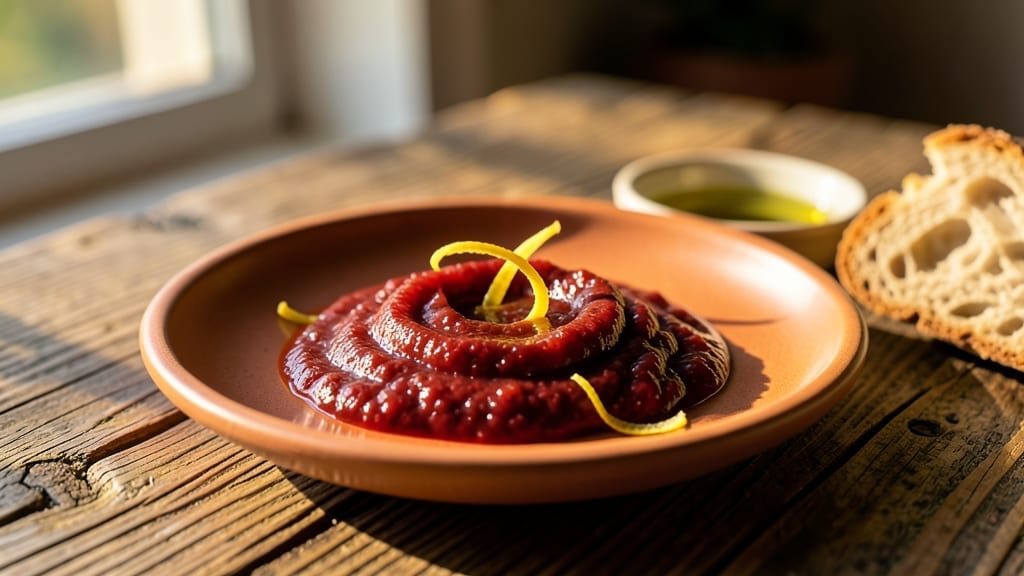
This smoked habanero hot sauce transforms fiery peppers into a complex, smoky condiment that elevates everything from tacos to grilled meats. The key lies in balancing intense heat with deep, charred notes from smoked peppers—creating a sauce that lingers on the palate without overwhelming.
I developed this recipe after years of refining fermentation techniques and heat management, ensuring each drop delivers both fire and sophistication.
The process begins with carefully selecting and smoking habanero peppers, which adds a layer of complexity that store-bought sauces can’t match. A slow fermentation step (optional but recommended) deepens the flavor profile, while garlic, vinegar, and spices create harmony between the pepper’s heat and smokiness.
This isn’t just another hot sauce—it’s a bold, restaurant-quality condiment that transforms ordinary dishes into standout meals.
What makes this sauce truly special is its versatility. Use it as a finishing touch on grilled proteins, a bold marinade, or a dip for chips—each application highlights the balance of heat and smoke.
The recipe yields about 16 ounces of sauce, perfect for gifting or stocking your pantry for months. With precise measurements and clear instructions, even first-time fermenters can achieve professional results.
Storage is simple: refrigerate in an airtight container for up to 3 months, or extend shelf life with proper canning techniques. The heat level is medium-high (3-4 on the Scoville scale), but you can adjust by adding more vinegar or sweetener.
Whether you’re a hot sauce enthusiast or a home cook looking to elevate flavors, this recipe delivers consistent, high-quality results every time.
Ingredients for smoked habanero hot sauce
Smoke, fire, and precision—just these ingredients transform habaneros into restaurant-quality hot sauce.
| Ingredient | Amount | Notes |
|---|---|---|
| Fresh Habanero Peppers 🌶️ | ½ lb | Organic, medium heat variety |
| Wood Chips for Smoking 🌳 | 1 cup | Hickory or applewood preferred |
| Garlic Cloves 🧄 | 4 cloves | Fresh, peeled, roughly chopped |
| Apple Cider Vinegar 🍏 | 1 cup | Raw, unfiltered preferred |
| Extra-Virgin Olive Oil 🫒 | ½ cup | High-quality, fruity variety |
| White Sugar 🍚 | ¼ cup | For balancing heat |
| Salt 🧂 | 1 tsp | Diamond Crystal kosher |
| Ground Black Pepper 🌶️ | ½ tsp | Freshly ground for depth |
| Smoked Paprika 🌶️ | 1 tbsp | For extra smokiness |
| Cayenne Pepper 🔥 | ½ tsp | Adjust for heat preference |
| Water 💧 | ½ cup | Filtered preferred |
[recipe_ingredient_scaler]
The habaneros are the heart of this sauce, so pick fresh, firm peppers with vibrant color—no wrinkles or soft spots. Local farmers markets often have better quality than grocery stores. For smoking, hickory or applewood chips add depth, but avoid mesquite (too strong). If you can’t find fresh habaneros, freeze-dried works in a pinch, but the flavor won’t be as complex. The garlic should be fresh—no pre-minced jars here. Penzeys or Whole Foods carry great-quality whole cloves.
No wood chips? Smoked salt or liquid smoke (½ tsp) can mimic the effect, though it won’t be as authentic. Short on vinegar? Lemon juice works at a 1:1 ratio, but the flavor profile shifts slightly. The sugar is key—it balances the habanero’s heat without overpowering. If you prefer less sweetness, reduce to 2 tbsp and add 1 tsp honey instead. For extra smokiness, char the garlic in a dry pan before blending. The cayenne is optional but recommended—it adds another layer of heat that complements the habanero’s fruity notes.
This sauce keeps for 3 months refrigerated in an airtight glass jar, but it actually improves with age. For longer storage, canning extends shelf life to 1 year. Label everything—this stuff packs a punch! If the sauce separates, just give it a good shake before using. Freeze in ice cube trays for portion control, then transfer to a bag. The heat level is medium-high, but you can always dilute with vinegar if needed.
Why You’ll Love This Recipe
- Here’s what sold me: the way the raw habanero fire gets tamed by the smoky garlic and the bright tang of raw apple cider vinegar. You’re not just getting heat—you’re getting layers. The ¼ cup of white sugar and smoked paprika cut through the intensity, while the extra-virgin olive oil mellows it out just enough to make it addictive. It’s like a perfectly charred steak but for your taste buds.
- Smoker-Friendly Simplicity: Honestly, this isn’t one of those recipes that requires a pantry full of gadgets. Just a smoker (or even a grill with a smoke box), a saucepan, and an immersion blender—no fancy tools needed. The smoking step takes the longest (45-60 minutes), but it’s hands-off while the habaneros and garlic soak up that deep, woodsy aroma from the hickory or applewood chips. Trust me, that’s worth the wait.
- Smoky-Sweet Heat Balance: Here’s what sold me: the way the raw habanero fire gets tamed by the smoky garlic and the bright tang of raw apple cider vinegar. You’re not just getting heat—you’re getting layers. The ¼ cup of white sugar and smoked paprika cut through the intensity, while the extra-virgin olive oil mellows it out just enough to make it addictive. It’s like a perfectly charred steak but for your taste buds.
- The Ultimate Pantry Hack: This sauce doesn’t just work—it transforms. Drizzle it over grilled chicken, mix it into mac and cheese, or use it as a marinade for ribs. My kids even sneak it into their fries (yes, even on a Tuesday night). And because it keeps for 3 months in the fridge, you’ll always have a jar ready for whatever craving hits. No more last-minute store-bought hot sauce—just pure, homemade flavor.
Step-by-step instructions for smoked habanero hot sauce
Here’s how to transform fiery habaneros into a smoky, balanced hot sauce that delivers depth and heat.
Prepare the Habaneros and Garlic for Smoking
Cut the ½ lb fresh habanero peppers in half lengthwise and remove seeds and membranes – this reduces capsaicin (the heat compound) while keeping flavor. Chop the peppers into ¼-inch pieces and set aside. Peel the 4 garlic cloves and roughly chop them, leaving some texture for smoky depth.
In a smoker, arrange the 1 cup wood chips for smoking on the heat source and preheat to 225°F. Once you see steady blue smoke, add the habanero pieces and garlic to the smoker tray. Smoke for 45-60 minutes, stirring occasionally, until the peppers are tender when pierced with a knife and deeply infused with smoke aroma.
Here’s the thing – don’t rush this step. The smoking process transforms raw habanero heat into complex smoky notes that balance the fire. If you skip this, you’ll end up with just raw heat without the depth.
Simmer the Smoked Peppers and Garlic
Transfer the smoked habaneros and garlic to a heavy-bottomed saucepan. Add ½ cup extra-virgin olive oil and ½ cup water to prevent burning. Cook over medium-low heat for 10 minutes, stirring occasionally, until the peppers soften completely and release their oils.
Add the 1 cup apple cider vinegar, ¼ cup white sugar, 1 tsp salt, ½ tsp ground black pepper, 1 tbsp smoked paprika, and ½ tsp cayenne pepper. Stir well to combine all ingredients. The vinegar will help extract more flavor from the peppers while balancing their heat.
Bring the mixture to a gentle simmer, then reduce heat to low and let it cook uncovered for 30 minutes, stirring occasionally. You’ll notice the mixture darken slightly as it develops depth – this is when the magic happens.
Blend and Strain for Smooth Texture
Using an immersion blender, blend the mixture directly in the saucepan until completely smooth. For a finer texture, you can strain it through a fine-mesh sieve, pressing with a spatula to extract all the liquid. This step removes any remaining pepper skins or garlic pieces that might affect texture.
Return the strained sauce to the saucepan and simmer uncovered for another 15-20 minutes until it thickens slightly. The sauce should coat the back of a spoon but remain pourable. Taste and adjust seasoning if needed – add more vinegar for tang, sugar for balance, or cayenne for extra heat.
This is the moment that matters: the sauce should have a perfect balance of smoky depth, fruity vinegar brightness, and habanero heat. If it’s too thin, simmer longer to reduce. If too thick, add a splash of water to reach your desired consistency.
Bottle and Age for Maximum Flavor
Transfer the hot sauce to sterilized glass bottles or jars, leaving about ½-inch headspace at the top. Seal tightly and let the sauce age at room temperature for at least 48 hours – longer aging (up to 2 weeks) develops more complex flavors.
After aging, store the hot sauce in the refrigerator where it will keep for up to 3 months. The flavors will continue to meld and improve over time. I know it’s tempting to use it immediately, but patience here makes all the difference in the final product.
Your smoked habanero hot sauce is now ready to elevate everything from tacos to wings. Start with small amounts – this stuff packs serious heat and smoky depth that transforms simple dishes into something extraordinary.
Pro Tips For Making Smoked Habanero Hot Sauce
- Smoke Until Tender: Pierce those habaneros with a knife after 45 minutes—if they still feel firm, give them another 15. I learned this the hard way: under-smoked peppers turn the sauce bitter, not just smoky. The garlic should be soft enough to mash with your fingers, too.
- Vinegar First, Heat Later: Add the apple cider vinegar before the cayenne or smoked paprika—it mellows the raw heat while extracting more pepper flavor. I used to toss in the spices first, and the sauce always tasted harsh until I switched the order. Trust the acid to balance things.
- Strain Like You Mean It: Press that fine-mesh sieve with the back of a spoon, even if it looks like you’re getting every last drop. Pepper skins and garlic bits sneak through if you’re lazy, and they turn the sauce grainy. (Yes, even if you’re impatient like me.)
- Simmer Low and Slow: That 30-minute uncovered simmer isn’t just for show—it’s when the sauce develops its depth. If you rush it, you’ll miss the caramelization that turns raw vinegar tang into something rich. Start hot, but finish low, like your abuela taught you.
Serving suggestions for leftovers
Dipping and Snacking
This sauce is perfect for turning simple snacks into flavor explosions. I love drizzling it over tortilla chips or crispy fried plantains for a Caribbean-inspired twist.
The smoky habanero pairs beautifully with cheese crisps or spicy roasted chickpeas—just add ½ tsp to the cooking oil for extra heat while roasting. For a protein boost, try it with crispy fried shrimp or spicy deviled eggs.
Start with ¼ tsp and adjust to taste—this stuff packs a punch! 🔥
Grilled and Smoked Proteins
Elevate your grilled favorites by finishing them with this sauce. Brush ribeye steaks or smoked chicken thighs with a thin layer before grilling for a smoky char. It also works wonders on grilled pineapple or smoked tofu—just drizzle after cooking.
For wings, toss them in the sauce after baking or frying for a sticky, fiery glaze. I recommend a 1:1 ratio of sauce to oil when marinating. ✨
Saucy Marinades
Use this sauce as a base for marinades by mixing ¼ cup with 2 tbsp olive oil and 1 tbsp lime juice. It transforms grilled shrimp skewers or marinated tofu cubes into restaurant-quality dishes.
For meats like pork tenderloin, add 1 minced garlic clove and let it marinate for at least 2 hours before cooking. The smoke and heat infuse deeply, creating tender, flavor-packed results. 💛
Saucy Drizzles and Finishes
Add a dramatic finish to dishes by drizzling this sauce over creamy mashed potatoes or rich mac and cheese. It also enhances grilled corn or black bean tacos when drizzled on top.
For a bold twist, mix 1 tbsp into your favorite queso blanco or salsa verde—the smoky habanero will take it to the next level. A little goes a long way, so start with ½ tsp and build to taste. 🌟
Beverage Pairings
Balance the heat with refreshing drinks like iced hibiscus tea or mango lassi. A light lager (like Corona) or Mexican beer cleanses the palate, while a dry white wine (such as Sauvignon Blanc) complements the smoky notes.
For cocktails, stir 1 tsp into vodka and lime** for a fiery twist on a classic mojito. The key is to sip slowly—this sauce deserves attention! 🍹
Nutrition facts
Frequently asked questions
Why remove the seeds and membranes from habaneros?
Removing the seeds and membranes cuts down on the raw heat while keeping the fruity, smoky flavor. This creates a more balanced sauce where the smoky depth shines through without overwhelming you. The membranes contain most of the capsaicin, so you get the pepper’s essence without the intense burn.
Can I skip the smoking step and still get good flavor?
You can, but you’ll miss the complex smoky notes that make this sauce special. Smoking transforms the habanero’s heat into deeper, charred flavors that pair perfectly with the vinegar and spices. Without it, you’ll just have raw habanero intensity—like comparing a campfire to a candle.
How do I adjust the heat level if it’s too spicy?
Start by adding more apple cider vinegar to dilute the intensity, or stir in 1-2 tbsp of sugar to balance the heat. For a milder finish, strain out some of the pepper pulp before bottling. Always taste as you go—this sauce develops flavor over time, so adjustments are easy to make.
What’s the best way to store leftovers without losing flavor?
Transfer to sterilized glass jars with ½-inch headspace and refrigerate for up to 3 months. For longer storage, canning preserves it for 1 year. Always use clean utensils when scooping to avoid contamination, and label with the date. The flavors actually improve with age!

Trained in classic French technique but raised on slow-cooked ribs and spicy rubs, she blends culinary skill with smoke and soul.
- Smoked Brisket Recipe: Low and Slow to Fall-Apart Tenderness - November 2, 2026
- Smoked Turkey Breast Recipe: Juicy Pink Center With Crispy Skin Every Time - November 2, 2026
- Leftover Smoked Pulled Pork Chili Recipe: Rustic Flavor Revival in One Pot - November 2, 2026