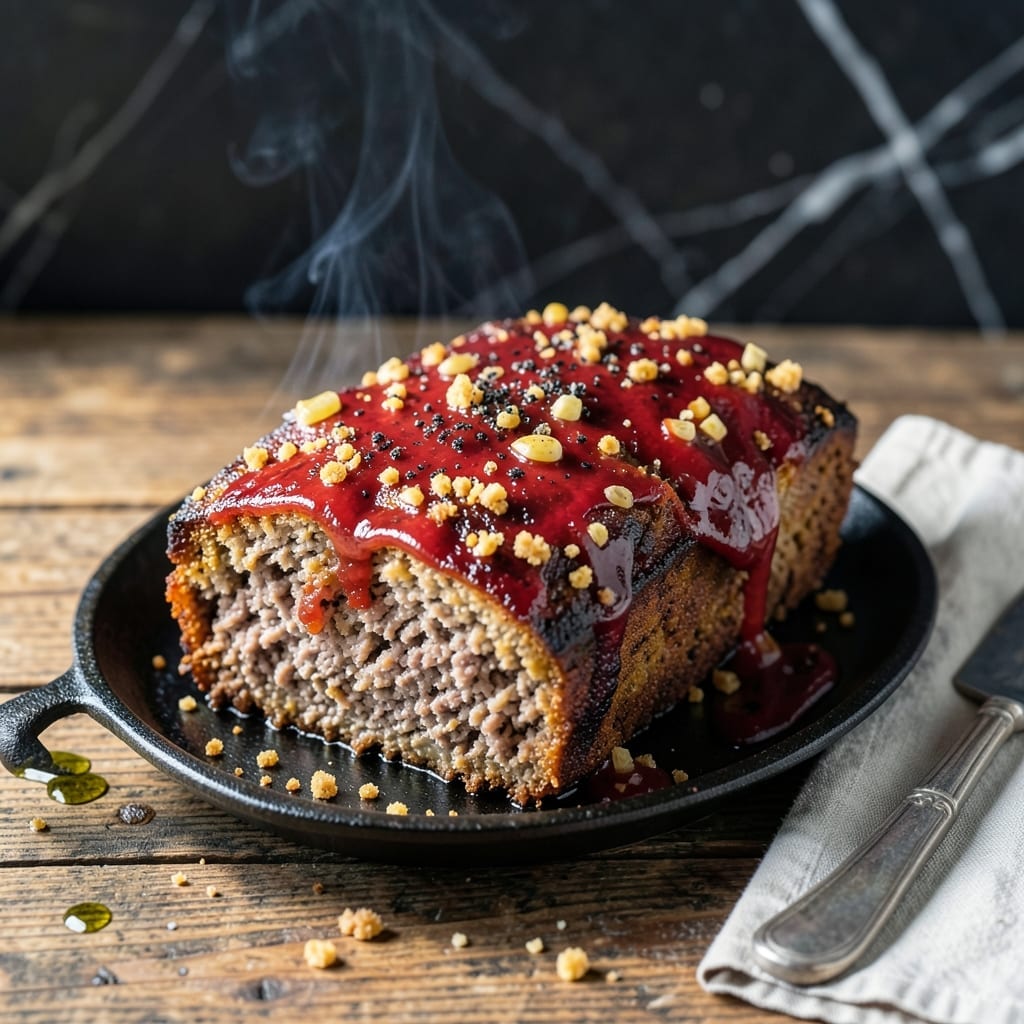
There’s nothing quite like the deep, smoky flavor of meatloaf cooked low and slow in a smoker. This method transforms a classic comfort dish into something truly special, infusing every bite with rich wood-fired essence.
With a simple mix of ground beef, breadcrumbs, and seasonings, you’ll achieve a tender, juicy loaf with a perfect crust. The smoker does the work, delivering bold flavor without the fuss.
Ingredients for Smoked Meatloaf Recipe Smoker
Ground beef, breadcrumbs, and bold seasonings create a smoky, tender masterpiece ready for the smoker.
| Ingredient | Amount | Notes |
|---|---|---|
| Ground Beef 🥩 | 2 lb | 80/20 fat ratio for moisture |
| Breadcrumbs 🍞 | 1 cup | Plain or panko, unseasoned |
| Large Egg 🥚 | 1 whole | Room temperature for blending |
| Yellow Onion 🧅 | 1 whole | Finely diced, about 1 cup |
| Garlic Cloves 🧄 | 3 cloves | Minced for even distribution |
| Ketchup 🍅 | ½ cup | Divided for mix and glaze |
| Worcestershire Sauce 💧 | 2 tbsp | Adds umami depth |
| Dijon Mustard 🟡 | 1 tbsp | Sharp flavor balances sweetness |
| Smoked Paprika 🌶️ | 1 tsp | Enhances wood-fired notes |
| Dried Thyme 🌿 | 1 tsp | Earthy complement to beef |
| Salt 🧂 | 1 ½ tsp | Diamond Crystal kosher preferred |
| Black Pepper 🌶️ | 1 tsp | Freshly ground for best flavor |
| Brown Sugar 🟤 | 2 tbsp | For caramelized glaze finish |
| Milk 🥛 | ¼ cup | Whole milk for richness |
| Olive Oil 🫒 | 1 tbsp | For greasing smoker grates |
[recipe_ingredient_scaler]
The ground beef is critical here. 80/20 fat ratio ensures a juicy loaf—leaner blends dry out during the long smoke. Certified Angus Beef or USDA Choice from Whole Foods offers superior marbling. Breadcrumbs act as the binder; panko adds a lighter texture but traditional works too. Avoid pre-seasoned varieties—they’ll clash with your carefully balanced spices.
No Worcestershire sauce? Soy sauce with a dash of vinegar mimics the tang. Out of Dijon? Yellow mustard plus a pinch of cayenne adds the needed kick. The ketchup glaze can be swapped with barbecue sauce for a different profile. For the milk, heavy cream adds extra richness, while buttermilk introduces a subtle tang. Fresh breadcrumbs (from stale bread) work if you’re avoiding store-bought.
The assembled loaf can rest in the fridge for up to 24 hours before smoking, allowing flavors to meld. Leftovers keep for 4 days refrigerated or 3 months frozen. Slice before freezing for easy portioning—reheat in the microwave or oven with a splash of beef broth to restore moisture.
Why You’ll Love This Recipe
- One Pan Wonder: I just mix the beef, breadcrumbs, egg, and spices, shape it, and let the smoker do the work.
- Smoky Depth: The garlic and onion in the meatloaf absorb that rich wood smoke flavor beautifully.
- Feeds a Crowd: I make two at once—one for dinner, one for sandwiches all week. (Yes, even on a Tuesday night)
- Budget Stretcher: Ground beef and pantry staples keep costs low while still feeling like a special meal.
Step-by-Step Instructions for Smoked Meatloaf
Master the technique for wood-fired meatloaf with these precise, professional steps.
Step 1: Prepare the Smoker and Mix the Glaze
Preheat your smoker to 225°F using your preferred hardwood—hickory or oak pairs exceptionally well with beef. While it comes to temperature, brush the grates lightly with the 1 tbsp Olive Oil to prevent sticking. This low-and-slow approach ensures even cooking without drying out the meatloaf.
In a small bowl, combine 0.5 cup Ketchup, 2 tbsp Brown Sugar, 1 tbsp Dijon Mustard, and 1 tsp Smoked Paprika. Whisk until smooth and set aside. This glaze will caramelize beautifully during the final stage of smoking, creating a sticky, flavorful crust.
Step 2: Sauté Aromatics and Combine Wet Ingredients
In a skillet over medium heat, sauté the finely diced 1 whole Yellow Onion and minced 3 cloves Garlic Cloves until softened and translucent, about 5-6 minutes. This step deepens their flavor and removes any raw bite. Allow the mixture to cool slightly before incorporating into the meatloaf base.
In a large bowl, whisk together the 1 whole Large Egg, 0.25 cup Milk, 2 tbsp Worcestershire Sauce, 1.5 tsp Salt, 1 tsp Black Pepper, and 1 tsp Dried Thyme. These ingredients bind the mixture and infuse it with savory, umami-rich character.
Step 3: Form the Meatloaf and Begin Smoking
Add the 2 lb Ground Beef and 1 cup Breadcrumbs to the wet ingredients. Gently fold everything together with your hands or a fork until just combined—overmixing can result in a dense texture. The breadcrumbs absorb moisture while the beef’s fat ratio ensures a juicy finished product.
Shape the mixture into a uniform loaf, approximately 9×5 inches, and place it on the prepared smoker grates. Insert a meat thermometer into the thickest part. Smoke undisturbed for 2-2.5 hours, or until the internal temperature reaches 145°F. Maintain consistent smoke by adding wood chunks as needed.
Step 4: Glaze and Finish
Once the meatloaf hits 145°F, brush the top and sides generously with half of the reserved glaze. Return it to the smoker and continue cooking until the internal temperature reaches 160°F, about 30-45 minutes longer. The glaze will darken and develop a glossy sheen.
Apply a second coat of glaze during the final 10 minutes of smoking. This ensures a thick, sticky layer that locks in moisture and enhances the wood-fired flavor. Remove the meatloaf when it reaches temperature and let it rest for 15 minutes before slicing to allow the juices to redistribute.
Pro Tips For Making Smoked Meatloaf Recipe Smoker
- Use Cold Beef: Keep your ground beef cold until ready to mix—warm meat gets sticky and makes the loaf dense. I learned this the hard way after a few gummy meatloaves.
- Soak the Breadcrumbs: Mix breadcrumbs with a splash of milk or egg wash first—about 5 minutes of soaking prevents a dry, crumbly texture in the finished loaf.
- Smoke at 225°F: Low and slow is non-negotiable for even cooking without a burnt crust. I tried rushing it at higher temps once, and the outside was charcoal before the center hit 160°F.
- Add a Water Pan: Place a pan of water in the smoker to keep the air moist—this stops the meatloaf from drying out during the long cook. Sounds weird, but it works every time.
Make-Ahead Tips for This Recipe
Prep Ahead Strategy
Mix your meatloaf ingredients up to 24 hours before smoking and refrigerate in the loaf shape. This lets the flavors meld deeply while the breadcrumbs absorb moisture. I always wrap mine tightly in plastic wrap to prevent drying out.
Glaze Prep Tip
Make your ketchup glaze mixture the night before and store it in an airtight container. The flavors develop overnight, and you’ll save precious time on smoking day. Just whisk before using to recombine any separated ingredients.
Smoker Setup
Get your smoker ready 30 minutes before cooking. I use hickory chunks for bold flavor, but oak works too. Preheating ensures stable temperature from the start, which is crucial for even cooking. 🔥
Portion for Later
After smoking, let the meatloaf cool completely before slicing into portions. Wrap individual slices in parchment paper, then foil, and freeze for up to 3 months. This makes weeknight meals effortless.
Reheating Method
For frozen slices, thaw overnight in the fridge. Reheat in a 350°F oven for 15-20 minutes with a splash of beef broth to restore moisture. The smoky flavor holds up beautifully. ❄️
Time-Saving Hack
Chop your onions and garlic the day before and store them together in the fridge. This small prep step saves 10 minutes on cooking day and makes the process smoother from start to finish.
Nutrition Facts
Frequently Asked Questions
What’s the ideal smoker temperature for meatloaf?
Maintain a steady 225°F for the best results. This low temperature allows the meat to cook evenly while absorbing maximum smoke flavor without drying out.
Can I use a different wood for smoking?
Hickory and oak are classic choices, but cherry or apple wood add a sweeter, milder smoke. Avoid mesquite—it can overpower the beef’s natural flavor.
How do I prevent the loaf from falling apart?
Ensure your mixture isn’t too wet and let it rest for 15 minutes after smoking. The egg and breadcrumbs act as binders, but overmixing can weaken the structure.
When should I apply the glaze?
Wait until the internal temperature reaches 145°F, then add the first coat. A second layer during the final 10 minutes creates a perfect caramelized finish.

Trained in classic French technique but raised on slow-cooked ribs and spicy rubs, she blends culinary skill with smoke and soul.
- Recipe for Boneless Pork Chops in Cast Iron Skillet: Sear and Baste to Juicy Perfection - October 3, 2026
- Recipe for Boneless Cross Rib Roast: Slow-Roasted Beef with Herb Crust - October 3, 2026
- Hamburgers in Sauce Recipe Crock Pot: Slow-Cooked Savory Delight - October 3, 2026