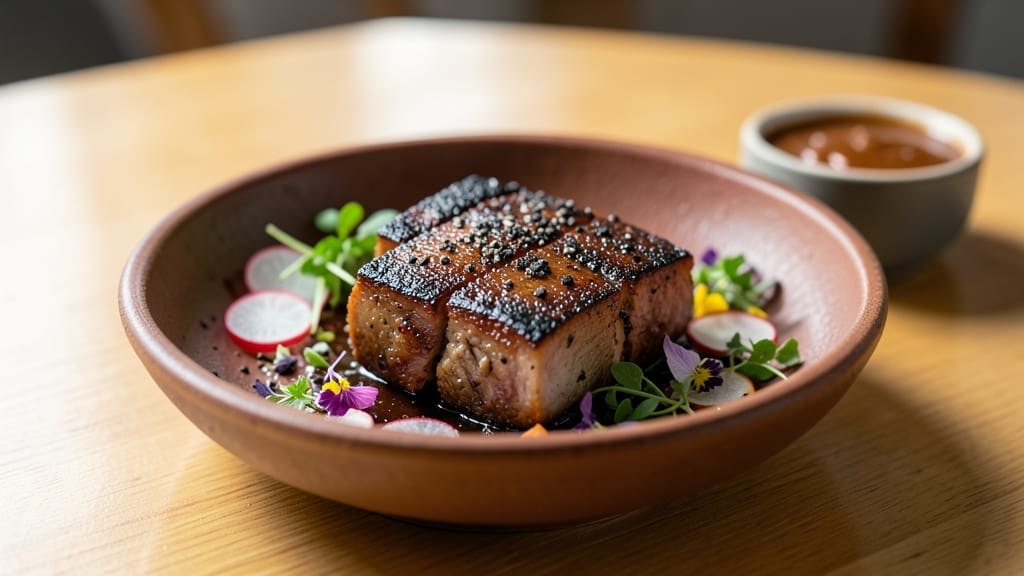
Transforming tough pork hocks into melt-in-your-mouth comfort takes just 30 minutes of prep and a few hours of hands-off smoking. Standing on a step stool in my grandmother’s kitchen in Sicily, I learned how collagen-rich cuts become tender masterpieces with patience and smoke.
This isn’t just a recipe—it’s a lesson in turning inexpensive ingredients into something extraordinary with minimal effort.
The secret lies in the slow process: a low-and-slow smoke at 225°F breaks down connective tissue while wood smoke infuses deep, savory flavor. No fancy equipment needed—just a smoker, a few spices, and time.
The result? Fall-off-the-bone pork that’s rich, smoky, and packed with natural gelatin that makes every bite irresistible. It’s the kind of dish that turns weeknights into celebrations.
By the time you’re done, you’ll have a one-pot wonder that pairs perfectly with mashed potatoes, crusty bread, or a simple green salad. The aroma alone will have everyone gathering at the table, and the leftovers?
Even better the next day. This is comfort food at its finest—simple, satisfying, and worth every minute of the wait.
Here’s where the magic happens: the wood choice (hickory or cherry), the precise temperature control, and the patience to let the smoke work its wonders. Let’s get started on creating your own smoky masterpiece.
Ingredients for smoked pork hocks recipe easy
Pantry staples meet smoky magic—just a handful of simple ingredients transform tough pork into melt-in-your-mouth comfort.
| Ingredient | Amount | Notes |
|---|---|---|
| Pork Hocks 🍖 | 2 lb | Fresh, bone-in preferred |
| Yellow Onion 🧅 | 1 whole | Quartered, skin on |
| Garlic Cloves 🧄 | 6 cloves | Smashed, not minced |
| Apple Cider Vinegar 🍎 | ½ cup | For tenderizing |
| Hickory Wood Chips 🌳 | 1 lb | Or cherry for sweeter smoke |
| Kosher Salt 🧂 | 2 tbsp | Diamond Crystal preferred |
| Black Peppercorns 🌶️ | 1 tsp | Freshly cracked |
| Smoked Paprika 🌶️ | 1 tbsp | For extra smoky depth |
| Fresh Thyme 🌿 | ½ cup | Stems removed, chopped |
| Bay Leaves 🍃 | 2 whole | Dried, standard size |
| Beer 🍺 | 1 cup | Light lager preferred |
| Water 💧 | 2 cups | For liquid balance |
| Olive Oil 🫒 | 2 tbsp | Extra-virgin for richness |
[recipe_ingredient_scaler]
The pork hocks are the star here. Look for fresh, bone-in cuts at your butcher or grocery store’s meat counter—they should smell clean and have a vibrant pinkish hue. If you’re buying in bulk, Costco or local butchers often have the best prices. The vinegar is key for tenderizing—don’t skip it. For the wood chips, hickory gives classic smoky flavor, but cherry adds sweetness if you prefer something milder. I always buy mine in bulk from Traeger or local smoke shops—they last for years in a sealed container. Fresh thyme is ideal, but dried works at one-third the amount if you’re in a pinch.
No vinegar? Lemon juice or apple juice works in a bind, though the flavor will be slightly different. Running low on beer? Chicken or vegetable broth keeps the moisture without the alcohol. The paprika adds that extra smoky depth—if you can’t find smoked, regular paprika plus a pinch of liquid smoke gets you close. For the peppercorns, a mortar and pestle is perfect for cracking them fresh, but a coffee grinder works too. The bay leaves? Standard dried ones are fine—no need for fancy imports here. The olive oil helps create a rich, flavorful crust on the pork as it smokes.
This dish tastes even better the next day once all the flavors meld together. Store leftovers in the fridge for up to 5 days—the collagen-rich broth thickens beautifully into a rich jelly. For longer storage, freeze portions for up to 3 months. I like to portion mine into containers so I can grab a serving straight from the fridge. The pork will be fork-tender, but the broth is where the real magic happens—save some for mashed potatoes or cornbread if you’re feeling ambitious.
Why You’ll Love This Recipe
- One-Pot Magic: Honestly, this recipe is my secret weapon for lazy Sundays. Just toss those pork hocks into the pot with a handful of aromatics, let the smoker do the heavy lifting, and you’ve got a meal that practically cooks itself. No last-minute chopping or frantic cleanup—just set it and forget it while the smoky aroma fills your kitchen.
- Smoky-Sweet Perfection: The hickory wood chips and apple cider vinegar create a flavor profile that’s impossible to resist. That crispy bark on the outside? Paired with the creamy, fall-apart meat inside? Chef’s kiss. The beer and thyme add a depth that makes every bite feel like a hug.
- Leftover Luxury: Between us, the best part? Those leftovers. The broth thickens into a gelatinous, collagen-packed jelly that’s ridiculously good on toast or over mashed potatoes. I’ve got it in my freezer for weeks, and honestly, I’ll eat it cold straight from the jar if I’m desperate.
- Budget-Friendly Feast: Pork hocks are one of the most affordable cuts you can buy, and this recipe stretches them into a meal that feeds a crowd without breaking the bank. Plus, the spices and aromatics (like that smashed garlic and quartered onion) cost next to nothing but pack a ton of flavor punch. It’s the kind of dish that makes you feel fancy without spending a fortune.
Step-by-step instructions for smoked pork hocks
Here’s the straightforward method that delivers melt-in-your-mouth pork hocks with minimal effort.
Prepare the Pork Hocks and Seasoning
Begin by rinsing the 2 lb pork hocks under cold water and patting them completely dry with paper towels. This step is crucial—any moisture on the surface will prevent proper smoke penetration and crispy bark formation. Place the pork hocks in a large pot or Dutch oven that can comfortably hold all ingredients.
In a small bowl, combine the 2 tbsp kosher salt, 1 tsp freshly cracked black peppercorns, 1 tbsp smoked paprika, and ½ cup chopped fresh thyme. Rub this mixture all over the pork hocks, pressing the spices into the meat so they adhere well. This creates a flavorful crust that will deepen during smoking. Add the 2 bay leaves to the pot as well.
Build the Smoking Liquid Base
In the same pot with the seasoned pork hocks, add the quartered yellow onion, 6 smashed garlic cloves, ½ cup apple cider vinegar, 1 cup beer, and 2 cups water. The vinegar helps tenderize the tough connective tissue while adding brightness to the final dish. Stir everything together gently to combine.
Place the pot over medium-high heat and bring the liquid to a gentle simmer. Let it cook uncovered for 10 minutes to allow the aromatics to infuse the liquid. You should notice the onions softening slightly and the liquid developing a rich, savory aroma. This step builds the foundation for your pork hocks’ flavor profile.
Set Up the Smoker
While the liquid simmers, prepare your smoker according to manufacturer instructions using the 1 lb hickory wood chips. Maintain a consistent temperature of 225°F throughout the cooking process. The reason for this lower temperature is to break down the collagen in the pork hocks slowly, resulting in fork-tender meat without drying it out.
Once the smoker reaches temperature, carefully transfer the pot with pork hocks and liquid to the smoker. The pot should sit directly on the heat source or smoker grate. Add the 2 tbsp olive oil to the pot and stir gently to distribute it over the pork hocks. This oil helps create a beautiful bark on the meat while adding richness to the cooking liquid.
Smoke Until Fork-Tender
Smoke the pork hocks for 3 to 4 hours, maintaining the 225°F temperature. During this time, you’ll notice the liquid reducing gradually and the pork hocks developing a beautiful mahogany bark. Here’s where the magic happens: the collagen in the connective tissue begins to break down into gelatin, creating that irresistibly tender texture.
After 3 hours, check the internal temperature using a meat thermometer. The pork hocks are done when they reach 195°F to 200°F. At this point, the meat should be fork-tender, almost falling apart when pierced. If the liquid has reduced significantly, you can add up to ½ cup water to prevent the pork hocks from drying out.
Rest and Serve
Once the pork hocks reach the proper temperature, remove them from the smoker and let them rest in the cooking liquid for 15 to 20 minutes. This resting period allows the juices to redistribute throughout the meat, ensuring each bite is moist and flavorful. The pork hocks should be so tender they practically melt in your mouth.
To serve, carefully remove the pork hocks from the liquid and transfer them to a serving platter. Skim off any excess fat from the cooking liquid if desired, then ladle the rich, flavorful broth over the pork hocks. Serve with crusty bread to soak up every last bit of that delicious liquid—this is where all the comfort comes from.
Pro Tips For Making Smoked Pork Hocks Recipe Easy
- Trim the Fat First: Before you even think about seasoning, use kitchen shears to snip off any thick layers of fat from the pork hocks—especially around the shin bone. I learned this the hard way after ending up with greasy broth instead of rich, gelatinous goodness. The fat renders out anyway, but trimming it first keeps your broth cleaner and lets the collagen shine.
- Don’t Rush the Vinegar: That ½ cup apple cider vinegar isn’t just for flavor—it’s breaking down tough fibers, and it needs time. After adding it in Step 2, let the liquid simmer uncovered for those full 10 minutes before moving to the smoker. Skipping this means your hocks will fight you for tenderness the whole time.
- Check Temp Early: At 3 hours, your smoker might still be playing games. Pull out a meat thermometer and check the hocks’ internal temp—if they’re not even close to 195°F, don’t panic. Just keep smoking at 225°F. I’ve seen hocks stall for an extra hour if the smoker’s temp dips, and that’s where dry, tough meat happens.
- Oil After Smoking Starts: The 2 tbsp olive oil goes in after the pot hits the smoker, not before. Adding it earlier can make the bark too soft and greasy. Stir it in once the hocks are already smoking—this locks in that perfect crust while keeping the meat juicy. Trust me, your future self will notice the difference.
Best sauces and condiments for this smoked pork hocks recipe easy
Classic Smoky Broth
Nothing beats the deep, savory richness of the pork hocks’ cooking liquid—it’s the soul of this dish. I always save a cup of the reduced broth to make a simple gravy by whisking in 1 tbsp cornstarch mixed with 2 tbsp water and simmering until thickened.
This transforms into a velvety sauce that’s perfect for drizzling over mashed potatoes or cornbread. The smoky notes from the hocks infuse the broth beautifully, making it irresistible. 🔥
Spicy Garlic Aioli
For a bold twist, mix ½ cup mayonnaise with 2 minced garlic cloves, 1 tsp smoked paprika, and ½ tsp cayenne pepper. Stir in 1 tbsp lemon juice for brightness.
This creamy, spicy aioli cuts through the richness of the pork hocks and pairs perfectly with the smoky flavors. I like to serve it on the side with a dollop of fresh parsley for garnish.
Pickled Red Onions
Quick-pickle ½ cup thinly sliced red onions with ½ cup apple cider vinegar, 1 tbsp sugar, 1 tsp salt, and ½ tsp black peppercorns. Let them soak for at least 30 minutes before serving.
The tangy crunch balances the smoky pork beautifully and adds a refreshing contrast. I often use the same vinegar from the hock recipe for consistency. 🌶️
Sweet and Tangy BBQ Glaze
For a Southern-inspired touch, blend ½ cup BBQ sauce (like Sweet Baby Ray’s), 1 tbsp apple cider vinegar, and 1 tsp smoked paprika. Brush this glaze over the hocks during the last 30 minutes of smoking for a caramelized finish.
The sweetness complements the smoky depth, and it’s a crowd-pleaser for those who love a little extra flavor. I always taste it with my Nonna’s wooden spoon—it’s a tradition.
Herb-Infused Olive Oil
Blend ½ cup extra-virgin olive oil with 2 tbsp chopped fresh thyme, 1 minced garlic clove, and a pinch of smoked salt. Strain and drizzle over the finished hocks or use to toss with a simple green salad.
This herbaceous oil ties all the smoky elements together and adds a fresh finish to each bite. It’s the kind of simple touch that makes a dish feel special. ✨
Nutrition facts
Frequently asked questions
Why does my smoker struggle to maintain 225°F
?
Consistent temperature is key for tender pork hocks! Start by ensuring your smoker is clean and properly calibrated. A water pan near the heat source helps stabilize temps, and adding a few extra hickory wood chips every hour can help maintain that 225°F sweet spot. If you’re using charcoal, consider splitting the coals into two piles for better airflow control. A reliable meat thermometer placed inside the smoker will give you real-time feedback.
Can I skip the apple cider vinegar and still get tender hocks?
While you can omit the ½ cup apple cider vinegar, it’s a game-changer for breaking down tough connective tissue. For a tenderizing alternative, try adding 1 tbsp lemon juice or 1 tbsp Worcestershire sauce to the liquid base. The acidity helps soften the meat, but the vinegar’s brightness adds depth to the final flavor—don’t skip it if you can!
What’s the best way to use the leftover broth?
The collagen-rich broth is pure liquid gold! Strain it, skim off excess fat, and store it in the fridge for up to 5 days. Use it to make creamy mashed potatoes, deglaze pans for sauces, or even freeze it in ice cube trays for future soups. For extra richness, reduce it by half and thicken with a slurry of 1 tbsp cornstarch mixed with 2 tbsp water. It’s the secret to making every bite even more decadent.
Why do my hocks develop a white film during smoking?
That white film is actually glycogen breaking down—it’s a natural part of the smoking process! It indicates the meat is developing a beautiful mahogany bark and tenderizing properly. If you’re concerned about texture, gently pat the surface dry with paper towels after smoking, but don’t worry—it’s not mold and won’t affect flavor. The film will disappear as the meat cools.

Trained in classic French technique but raised on slow-cooked ribs and spicy rubs, she blends culinary skill with smoke and soul.
- Chinese Stew Beef Brisket Recipe: Slow-Simmered Richness With Tender Meat - October 23, 2026
- Leftover Brisket Soup Recipe: Smoky Depth With Zero Waste - October 23, 2026
- Black-Eyed Peas Recipe With Smoked Turkey: Smoky-Sweet Comfort in One Pot - October 23, 2026