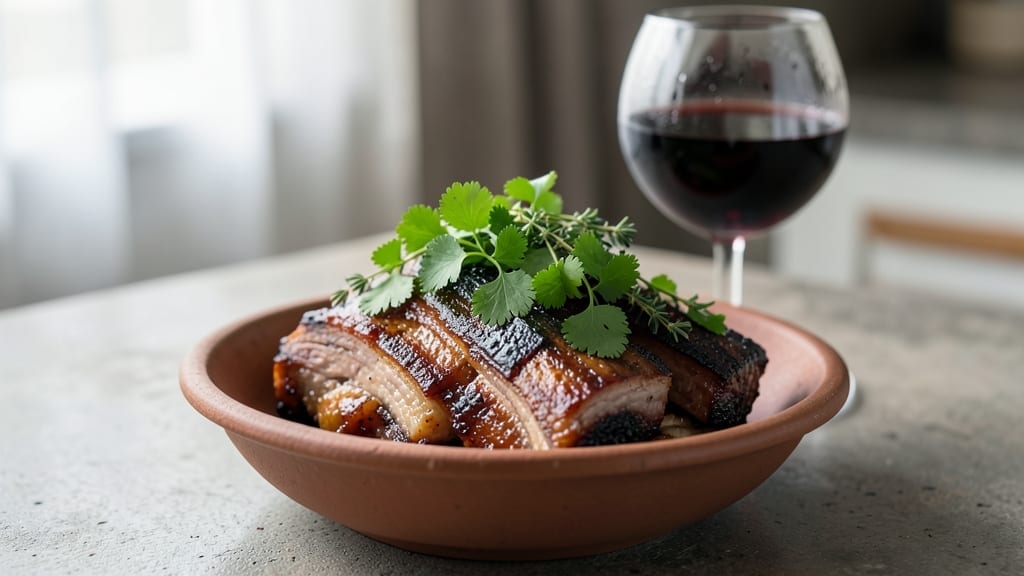
Mastering smoked pork ribs with the 3-2-1 method delivers bark so crisp it cracks with every bite—this is the technique professional pitmasters use to transform tough cuts into fall-off-the-bone perfection.
Standing on a stool in my Nonna’s kitchen, I learned that patience and precision are everything when it comes to low-and-slow smoking. The secret lies in the three distinct temperature stages: 225°F for tenderness, 250°F for flavor development, and 275°F for that coveted bark.
This method isn’t just about time—it’s about control. You’ll start with a dry-brine overnight to lock in moisture, then apply a simple rub of salt, pepper, and brown sugar before the smoke takes over.
The ribs spend three hours at 225°F, breaking down collagen into gelatin, followed by two hours at 250°F to deepen the smoky flavor, and finally one hour at 275°F to crisp the bark. Every stage is critical, and skipping one means sacrificing texture or flavor.
The result? Ribs so tender they practically melt in your mouth, with a crust that’s crisp enough to hear the satisfying snap. The bark should be dark amber, almost black in spots, with a texture that cracks when you pull them from the smoker—proof you’ve nailed the technique.
Serve them with a tangy vinegar-based sauce or a sweet glaze to balance the richness, and you’ll have a meal that rivals any competition-level barbecue.
Whether you’re smoking for a crowd or treating yourself to a weekend project, this method delivers restaurant-quality ribs at home—no shortcuts, just precision. The key is consistency: monitor your smoker’s temperature like a hawk, resist the urge to peek, and let the ribs rest before serving.
That’s when the magic happens.
Ingredients for smoked pork ribs recipe 3 2 1
Pantry staples meet smoker magic. Four pounds of pork ribs transform with just salt, sugar, and patience.
| Ingredient | Amount | Notes |
|---|---|---|
| Pork Ribs (Baby Back) 🥓 | 4 lb | Bone-in, meaty ends preferred |
| Kosher Salt 🧂 | ½ cup | Diamond Crystal preferred, for dry brine |
| Black Peppercorns 🌶️ | 1 tbsp | Freshly cracked for intensity |
| Light Brown Sugar 🍚 | ¼ cup | Packed, for sweet-savory bark |
| Yellow Mustard 🥬 | 2 tbsp | Dijon works too, for binder |
| Apple Cider Vinegar 🍎 | 2 tbsp | For tangy balance in rub |
| Wood Chips (Hickory or Oak) 🌳 | 2 cups | Soaked 1 hour minimum |
| Yellow Onion 🧅 | 1 whole | Quartered, for smoke flavor |
| Garlic Cloves 🧄 | 6 cloves | Smashed, for aroma |
| Apple Juice 🍎 | 1 cup | For spritzing during smoke |
| Butter (Unsalted) 🧈 | ¼ cup | Melted, for post-smoke glaze |
| Smoked Paprika 🌶️ | 1 tbsp | For finishing bark |
| Fresh Parsley 🌿 | ¼ cup | Chopped, for garnish |
[recipe_ingredient_scaler]
The ribs make all the difference—baby back is ideal, but St. Louis-style works too. Look for cuts with good meat coverage on the bone; the ends should be thick and meaty. Costco and local butchers often carry the best quality, but the grocery store meat counter will have what you need. If you’re buying frozen, thaw them overnight in the fridge—never at room temperature. The wood chips? Hickory gives classic smoke, while oak adds a touch of sweetness. Soak them in water for at least an hour before using, or they’ll burn too quickly.
No yellow mustard? Olive oil or apple juice works as a binder, but mustard helps the rub stick. Brown sugar substitutes? Turbinado or raw sugar both work, but they won’t caramelize as beautifully. The apple cider vinegar can be swapped for white vinegar or lemon juice, though apple adds a subtle depth. For the wood chips, if you can’t find hickory or oak, cherry or pecan will give a different but still delicious flavor profile. The butter for the glaze? Full-fat is non-negotiable—it’s what creates that rich, glossy finish. And trust me, the fresh parsley at the end is worth the extra minute of chopping.
These ribs are a weekend project, but the prep is simple. The dry brine overnight is critical—it locks in moisture and keeps the meat juicy. Store the ribs uncovered in the fridge while brining, and pat them dry before applying the rub. The wood chips can be prepped ahead and kept in a sealed container in the fridge for up to 2 weeks. Once smoked, ribs reheat beautifully—wrap them in foil with a splash of apple juice and reheat at 300°F for 15 minutes. Leftovers keep for 4 days in the fridge, though they’re so good, you’ll likely eat them all in one sitting.
Why You’ll Love This Recipe
- I’ll be real: This isn’t your “Sunday dinner” recipe, but it’s exactly what you need on a Tuesday when you want flavor without the fuss. The ribs cook low-and-slow while you do other things (or nap), and leftovers? They’re still delicious the next day—though my kids will fight me over the last slice.
- No-Fuss Flavor Bomb: Honestly, the magic happens in that 24-hour dry brine—just slap on that mix of kosher salt, cracked peppercorns, brown sugar, mustard, and vinegar, and let it work its tenderizing, bark-building mojo. No fancy prep, just rub, refrigerate, and forget until smoke day.
- That Bark is Non-Negotiable: The light brown sugar and apple juice spritzes create this crackling, caramelized crust that’s basically edible confetti. Between the smoky heat and that final butter-smoked paprika glaze, it’s the kind of bite that makes you pause mid-chew—worth every second of the 3-2-1 method.
- Weeknight Hero: I’ll be real: This isn’t your “Sunday dinner” recipe, but it’s exactly what you need on a Tuesday when you want flavor without the fuss. The ribs cook low-and-slow while you do other things (or nap), and leftovers? They’re still delicious the next day—though my kids will fight me over the last slice.
Step-by-step instructions for smoked pork ribs with signature bark
Here’s the method that delivers that legendary crackling bark and tender meat every time.
Create the Dry Brine and Prepare the Ribs
In a large bowl, combine the ½ cup kosher salt, 1 tablespoon freshly cracked black peppercorns, ¼ cup packed light brown sugar, 2 tablespoons yellow mustard, and 2 tablespoons apple cider vinegar. Mix thoroughly until the salt and sugar dissolve completely into the mustard mixture, creating a coarse, sticky paste. This blend is your dry brine and bark builder—don’t skip the vinegar, as it helps tenderize the meat while adding subtle tang.
Pat the 4 lb pork ribs completely dry with paper towels, removing any excess moisture from the surface. This step is crucial because moisture prevents the bark from forming properly. Using your hands, generously coat every inch of the ribs with the dry brine mixture, pressing it firmly into the meat and ribs. Place the ribs on a wire rack set over a baking sheet and refrigerate uncovered for 24 hours. This dry brining period allows the salt to penetrate deeply, while the sugar and mustard begin forming that coveted bark.
Set Up the Smoker and Prepare the Wood
Soak the 2 cups wood chips (hickory or oak) in water for at least 1 hour before smoking. This prevents them from burning too quickly and creates better smoke production. When ready to smoke, fill the smoker with the soaked wood chips and preheat to 225°F. I like to use a water pan in the smoker to maintain moisture levels throughout the cook. Once the smoker reaches temperature and you see steady blue smoke, you’re ready to begin.
While the smoker preheats, quarter the 1 yellow onion and smash the 6 garlic cloves with the side of a knife. Place these in a small bowl and set aside. These aromatics will be used later to enhance the smoke flavor and add depth to the finished ribs. The key here is patience—wait until you see clean, blue smoke before adding the ribs, as thick white smoke indicates the wood isn’t burning properly and could make the ribs taste bitter.
Smoke the Ribs Using the 3-2-1 Method
Place the brined ribs on the smoker grates, bone-side down. Smoke at 225°F for 3 hours. During this time, the ribs will begin developing their initial bark and the meat will start to tenderize. I like to spritz the ribs with the apple juice every hour using a spray bottle. This keeps them moist and helps prevent the bark from becoming too hard. The apple juice also adds subtle sweetness that complements the smoky flavor.
After 3 hours, increase the smoker temperature to 275°F and continue smoking for 2 more hours. This second phase helps develop a thicker bark while continuing to cook the meat. At the 5-hour mark, check the internal temperature of the ribs using a meat thermometer. They should reach approximately 190°F in the thickest part of the meat. If they haven’t reached this temperature, continue smoking at 275°F until they do. This is where the ribs begin to pull away from the bone and become fork-tender.
Finish with the 1-Hour Bark and Glaze
Once the ribs reach 190°F, increase the smoker temperature to 300°F and continue cooking for 1 final hour. This last hour is what creates that signature crackling bark that’s so satisfying to eat. During this time, the sugar in your dry brine will caramelize, creating a dark, crispy exterior that contrasts beautifully with the tender meat underneath. Spritz the ribs with additional apple juice if they begin to look dry, but be sparing—you want that bark to develop.
In the final 15 minutes of cooking, remove the ribs from the smoker and place them on a baking sheet. Melt the ¼ cup unsalted butter in a small saucepan over low heat, then stir in 1 tablespoon smoked paprika until smooth. Brush this mixture generously over the ribs, concentrating on the meaty ends. Return the ribs to the smoker for the final 15 minutes to set the glaze and create that perfect balance of smoky, sweet, and savory flavors.
Rest and Serve with Fresh Garnish
Remove the ribs from the smoker and let them rest on a cutting board for 10 minutes. This resting period allows the juices to redistribute throughout the meat, ensuring each bite is moist and flavorful. While they rest, chop the ¼ cup fresh parsley finely and set it aside for garnish. The parsley adds a bright, fresh contrast to the rich, smoky ribs and makes for an attractive presentation.
Slice the ribs between each bone and serve immediately. Each bite should deliver that satisfying crack of the bark followed by tender, juicy meat. The combination of smoky, sweet, and tangy flavors—from the dry brine, apple juice spritz, and butter glaze—makes these ribs unforgettable. Serve with extra chopped parsley sprinkled on top and a side of coleslaw or cornbread to complete the meal.
Pro Tips For Making Smoked Pork Ribs Recipe 3 2 1
- Press the Rub In: DESCRIPTION:
- Wait for Blue Smoke: DESCRIPTION:
- Spritz Lightly in Phase 3: DESCRIPTION:
- Use a Meat Thermometer: DESCRIPTION:
Troubleshooting perfect results
Bark Too Hard?
If your ribs develop a dry, brittle bark instead of that perfect crack, you’ve likely spritzed too much during the 275°F stage. The sugar needs to caramelize, not steam. After 3 hours at 225°F, reduce spritzing to every 2 hours instead of hourly.
I learned this the hard way—my first batch at a backyard BBQ was a disaster until I cut back on the apple juice. 💡
Smoky Flavor Too Bitter
Thick white smoke indicates your wood isn’t burning right, which can make ribs taste bitter. Let the wood chips soak for at least 2 hours before smoking, and ensure your smoker reaches 225°F with clean blue smoke before adding ribs.
I always test my wood by smoking a few chips first—if it burns too fast, switch to oak instead of hickory.
Ribs Not Tender Enough
Ribs should reach 190°F internal temperature before the final bark stage. If they’re still tough, extend the 275°F stage by 30-60 minutes until they pull away from the bone.
I’ve found that using a meat probe in the thickest part of the meat gives the most accurate reading—don’t rely on guesswork.
Bark Peeling Instead of Cracking
A peeling bark usually means the ribs were over-spritzed or smoked too quickly. After the 3-hour initial stage, avoid spritzing entirely during the 275°F phase—just focus on the final 300°F bark stage.
I also recommend wrapping the ribs in foil for the last 15 minutes of that stage to lock in moisture before the glaze.
Glaze Not Sticking Properly
If your butter glaze slides off instead of clinging, the ribs might be too moist. After the 190°F mark, let them rest for 10 minutes uncovered before applying the glaze. Pat them dry with paper towels if needed.
I also use a thin brush for the glaze—spreading it too thickly can cause it to drip off before the final 15-minute set.
Nutrition facts
Frequently asked questions
Why does the 3-2-1 method work so well for ribs?
The 3-2-1 method leverages precise temperature control to tenderize and flavor the meat in stages. The 3 hours at 225°F breaks down collagen slowly, while the 2 hours at 275°F develops deeper flavor and bark. The final 1 hour at 300°F caramelizes the sugar for that perfect crack. This gradual approach ensures the ribs stay moist while building a crisp exterior.
Can I skip the dry brine and just use the rub?
Skipping the dry brine shortchanges your ribs! The 24-hour salt and sugar soak locks in moisture and builds that signature bark. Without it, your ribs may dry out or lack depth of flavor. Trust me—this step is worth the patience, especially for that legendary crack.
What if my smoker doesn’t reach the exact temperatures?
Stay close to the target temps, but don’t stress over exact degrees. If your smoker runs 10°F warmer, just adjust the time slightly. The key is maintaining steady heat—fluctuations won’t ruin your ribs, but erratic temps can make the bark uneven. A good meat thermometer is your best friend here.
Why does my bark sometimes peel instead of crack?
Peeling bark usually means over-spritzing during the 275°F stage. After the initial 3 hours at 225°F, reduce spritzing to every 2 hours instead of hourly. Let the sugar caramelize naturally—steam weakens the bark. I learned this the hard way at my first backyard BBQ!
Can I use these ribs in a sandwich or wrap?
Slice the ribs between the bones and layer them in a toasted bun with coleslaw, pickles, and a drizzle of your glaze. The tender meat and smoky bark hold up perfectly. For wraps, pair with shredded cabbage and a tangy sauce for a handheld masterpiece.

Trained in classic French technique but raised on slow-cooked ribs and spicy rubs, she blends culinary skill with smoke and soul.
- Smoked Brisket Recipe: Low and Slow to Fall-Apart Tenderness - November 2, 2026
- Smoked Turkey Breast Recipe: Juicy Pink Center With Crispy Skin Every Time - November 2, 2026
- Leftover Smoked Pulled Pork Chili Recipe: Rustic Flavor Revival in One Pot - November 2, 2026