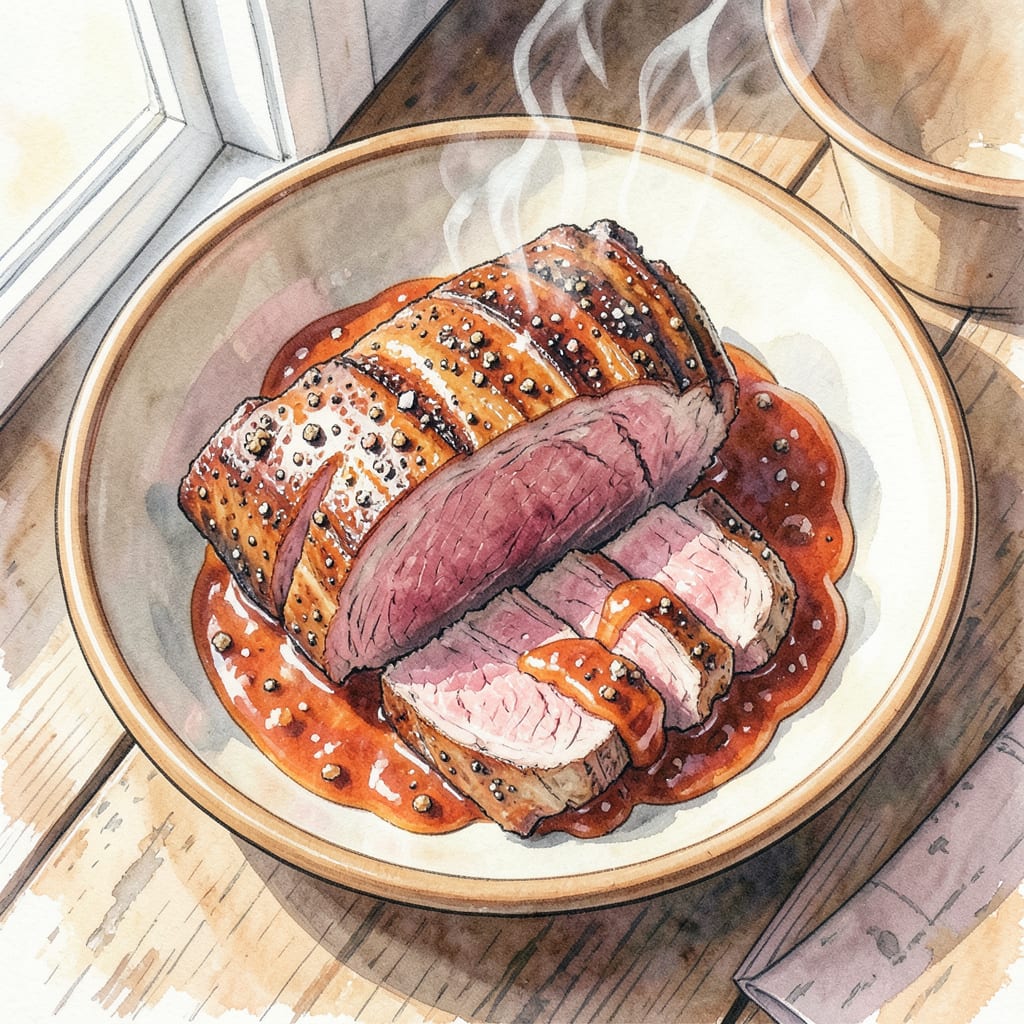
As a pitmaster, I’ve perfected the art of slow-cooking prime rib to tender, fall-off-the-bone perfection. My smoked prime rib BBQ recipe delivers tender results every time, with a rich, smoky flavor that’ll make your taste buds sing.
Cooking at 225°F for several hours transforms this prime cut into a melt-in-your-mouth experience. The key is patience and low heat, allowing the smoke to penetrate deeply while keeping the meat juicy. Serve with your favorite BBQ sides for a truly unforgettable meal.
Ingredients for Smoked Prime Rib Bbq
Gather these premium ingredients for a show-stopping smoked prime rib BBQ experience.
| Ingredient | Amount | Notes |
|---|---|---|
| Prime Rib Roast 🥩 | 4 ½ lb | Prime or choice grade, bone-in preferred |
| Kosher Salt 🧂 | 2 tbsp | Diamond Crystal or similar flake salt |
| Black Pepper 🌶️ | 1 tbsp | Freshly ground black peppercorns |
| Garlic Powder 🧄 | 2 tsp | Not garlic salt |
| Onion Powder 🧅 | 1 tsp | Or 1/2 cup caramelized onions |
| Smoked Paprika 🌿 | 1 tsp | For smoky depth |
| Brown Sugar 🍮 | 1 tbsp | Dark or light brown sugar |
| Beef Broth 🍜 | 1 cup | Low-sodium, for moisture |
| Wood Chips 🌲 | 2 cups | Hickory or oak for smoking |
| Olive Oil 🫒 | 2 tbsp | For fat cap enhancement |
| Fresh Thyme 🌿 | 4 sprigs | Optional, for herb crust |
| Fresh Rosemary 🌿 | 2 sprigs | Optional, for herb crust |
[recipe_ingredient_scaler]
The prime rib is the star here—look for a 4-5 pound bone-in roast at higher-end grocery stores like Whole Foods or specialty butchers. Prime or choice grade makes a difference in tenderness. If you can’t find prime rib, you can substitute with a top round roast, though the flavor won’t be exactly the same.
No hickory wood chips? Oak or mesquite work well too—just avoid softer woods like pine. For the rub, Diamond Crystal kosher salt gives the best texture, but regular salt works in a pinch. Want more garlic? Use 4-6 cloves minced instead of garlic powder for a stronger flavor. If you prefer a more intense smokiness, you can add 1-2 tablespoons liquid smoke to the beef broth.
This dish keeps beautifully—refrigerate leftovers within 2 hours and reheat gently at 250°F until warmed through. Slices freeze well too—wrap tightly in foil or plastic wrap, then store in a freezer bag for up to 3 months. Thaw overnight in the fridge before reheating.
Step-by-Step Instructions for Smoked Prime Rib BBQ
Here’s the method for achieving that perfect, tender prime rib with a smoky twist.
Step 1: Prepare the Prime Rib for Smoking
Start by prepping the 4.5 lb Prime Rib Roast. I like to trim any excess fat to about ¼ inch thickness to balance flavor and texture. Mix the 2 tbsp Kosher Salt, 1 tbsp Black Pepper, 2 tsp Garlic Powder, 1 tsp Onion Powder, 1 tsp Smoked Paprika, and 1 tbsp Brown Sugar in a bowl to create the dry rub. Apply this rub evenly all over the prime rib, making sure to coat it thoroughly. Let it sit at room temperature for 1 hour before smoking to allow the meat to relax and the seasonings to penetrate.
While the prime rib is resting, prepare your smoker for low and slow cooking. I use a mix of hickory and oak wood chips for that authentic BBQ flavor. Preheat your smoker to 225-250°F, and once it’s ready, add the 2 cups Wood Chips to generate plenty of smoke.
Step 2: Smoke the Prime Rib to Perfection
Place the prime rib in the smoker, fat side up, to allow the fat to render and baste the meat as it cooks. Close the lid and let it smoke undisturbed for 4-5 hours, or until the internal temperature reaches 130-135°F for medium-rare. I like to use a meat thermometer to monitor the temperature closely. If you notice the prime rib stalling or not reaching the desired temperature, don’t panic—this is normal, and it will continue to cook during the resting phase.
While the prime rib is smoking, prepare the 1 cup Beef Broth in a pan, heating it gently to keep it warm. This will be used later to add moisture and flavor. You can also add some aromatics like onions or garlic to the broth for extra depth if you like.
Step 3: Finish and Rest the Prime Rib
Once the prime rib reaches the desired temperature, remove it from the smoker and brush it with 2 tbsp Olive Oil to enhance the fat cap and add a bit of shine. If you’re using 4 sprigs Fresh Thyme and 2 sprigs Fresh Rosemary, now’s the time to sprinkle them over the prime rib for an herb crust. Wrap the prime rib loosely in foil and let it rest for 20-30 minutes. This resting period is crucial as it allows the juices to redistribute, making the prime rib even more tender and flavorful.
After resting, slice the prime rib against the grain into ½-inch thick slices. Serve immediately, and enjoy the tender, smoky goodness. The prime rib should be so tender it practically falls apart at the touch of your knife.
Regional Styles of smoked prime rib bbq
Kansas City Style
The Kansas City BBQ tradition brings a thick tomato-based sauce and slow-smoking to prime rib. I use a mix of hickory and oak wood chips for that authentic KC flavor. The prime rib gets a generous coating of sweet and spicy dry rub before smoking at 225°F for 4-5 hours. 🔥
Texas-Style Twist
In Texas, they take their beef seriously, and prime rib is no exception. This style focuses on the quality of the meat itself, using a simple salt and pepper crust. The prime rib is slow-smoked over post oak at 250°F until it reaches 130°F internal temperature. The result is a tender, beefy masterpiece.
Memphis Dry Rub Approach
Memphis-style BBQ often means dry-rubbed meat, and prime rib is no different. A blend of paprika, garlic powder, and black pepper creates a flavorful crust while keeping the inside juicy. Smoking at 225°F for 5 hours allows the rub to penetrate deeply. For an extra kick, some Memphis pitmasters add a chili flake crust.
Carolina Gold Variation
In the Carolinas, mustard-based sauces are common, and they work beautifully with smoked prime rib. After smoking, the prime rib gets a golden mustard glaze made with whole-grain mustard and honey. This adds a tangy, slightly sweet contrast to the rich beef. The prime rib is then sliced thin and served with additional glaze on the side.
Regional Wood Choices
Different regions prefer different smoking woods, which significantly impact the flavor. For example, mesquite is popular in Texas for its strong, earthy flavor, while hickory is more common in Kansas City for its balanced sweetness. Experimenting with various wood types can help you find your perfect regional style.
Nutrition Facts

Trained in classic French technique but raised on slow-cooked ribs and spicy rubs, she blends culinary skill with smoke and soul.
- Recipe for Boneless Pork Chops in Cast Iron Skillet: Sear and Baste to Juicy Perfection - October 3, 2026
- Recipe for Boneless Cross Rib Roast: Slow-Roasted Beef with Herb Crust - October 3, 2026
- Hamburgers in Sauce Recipe Crock Pot: Slow-Cooked Savory Delight - October 3, 2026