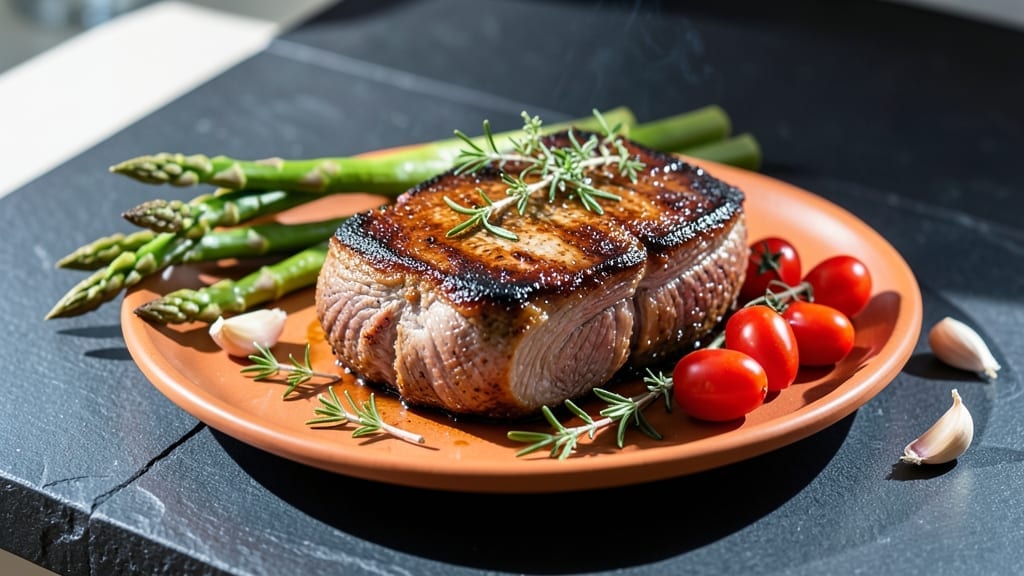
Smoking a rib roast transforms tough cuts into melt-in-your-mouth perfection that makes every bite worth the wait. 🔥 My family’s backyard cookouts taught me the patience required—low and slow is the only way to achieve that perfect bark and juicy interior.
The key lies in precise temperature control and a well-balanced rub that enhances rather than overpowers the natural beef flavor.
This recipe delivers restaurant-quality results with just a few simple steps: trimming the roast, applying a dry rub, and smoking it at a consistent temperature until the internal thermometer reads 145°F. The beauty of smoking lies in its ability to infuse deep, smoky flavor while keeping the meat tender.
Unlike grilling or roasting, the slow process allows the collagen to break down, resulting in meat that practically falls apart.
By the time you slice into this roast, you’ll be rewarded with a crust that’s perfectly crisp and a center so tender it melts in your mouth.
The aroma alone will have everyone gathering around the table, and each slice will be juicy enough to make even the most skeptical meat-eaters ask for seconds. Pair it with classic sides like creamy mashed potatoes or roasted vegetables for a complete meal.
Whether you’re hosting a holiday feast or simply craving a showstopper main course, this smoked rib roast delivers foolproof results every time. The method is straightforward, but the outcome is anything but ordinary—this is the kind of dish that turns a regular dinner into a memorable experience.
Let’s get started on creating your perfect roast.
Ingredients for smoked rib roast
Just a few simple ingredients transform raw beef into showstopping smoked perfection.
| Ingredient | Amount | Notes |
|---|---|---|
| Beef Rib Roast 🥩 | 6 lb | Bone-in, well-marbled ribeye or prime cut |
| Yellow Mustard 🍯 | ¼ cup | For initial coating before rub |
| Kosher Salt 🧂 | ½ cup | Coarse grain preferred |
| Coarse Black Pepper 🌶️ | ¼ cup | Freshly cracked preferred |
| Smoked Paprika 🌶️ | 0.1 cup | For deep smoky flavor |
| Garlic Powder 🧄 | 2 tbsp | Not garlic salt |
| Onion Powder 🧅 | 2 tbsp | For balanced sweetness |
| Ground Cumin 🌿 | 1 tbsp | Toasted for depth |
| Dried Thyme 🍃 | 1 tbsp | Or fresh thyme at 3x amount |
| Wood Chips 🌳 | 2 cups | Hickory or oak preferred |
| Beef Tallow or Bacon Fat 🥓 | ¼ cup | For extra crisp bark |
| Apple Cider Vinegar 🍎 | 2 tbsp | For spritzing during smoke |
| Butter 🧈 | ½ cup | Unsalted, softened for basting |
[recipe_ingredient_scaler]
The beef is everything here. Prime or ribeye with good marbling is non-negotiable—it’s what gives you that melt-in-your-mouth texture. Most grocery stores carry rib roasts in the meat case, but Costco or local butchers often have better cuts. Look for a roast with a thick fat cap—this is your secret weapon for that perfect bark. If you’re buying online, Snake River Farms or US Wellness Meats deliver consistently high-quality beef. Trim excess fat to about 1/4-inch thickness before smoking—this helps with even cooking and bark formation. (And yes, it’s worth the extra minute to do this properly.)
No smoked paprika? Regular paprika plus a pinch of liquid smoke works in a pinch, but the flavor won’t be quite the same. Fresh thyme is ideal but dried at one-third the amount gets you close. The wood chips are crucial—hickory gives bold smoke while oak offers a more balanced flavor. For your first smoke, store-bought chips work fine, but once you’re hooked, chop your own from wood blocks for better control. The apple cider vinegar spritz? Don’t skip it—it keeps the bark crisp and adds subtle tang. And that butter basting? Full-fat, unsalted only—low-fat butter won’t give you the same rich flavor.
This roast tastes even better the next day, so plan ahead. Wrap tightly in butcher paper (not foil) and let it rest at room temperature for 2 hours before slicing. Keeps 5-6 days in the fridge or 3 months frozen. For leftovers, slice against the grain and reheat in the oven at 300°F until warmed through. I always make extra—sandwiches the next day are legendary.
Why You’ll Love This Recipe
- I’ll be real: this roast is so good, you’ll have slices left over. But instead of dreading them, slice it against the grain, pile it on crusty bread with a smear of mustard, and call it lunch the next day. Or chop it up for tacos—trust me, the flavors get even more concentrated. It’s the kind of meal that just keeps giving.
- No-Fuss Feast: Honestly, this isn’t one of those recipes that requires a Pinterest-worthy setup. Slap on the mustard, slather that generous rub (yes, really—it’s not cheating), and let the smoker do the heavy lifting. The only real effort is resisting the urge to open the lid for the first 4 hours, and trust me, that’s the secret to that perfect bark.
- Smoky, Spiced Perfection: The smoked paprika and cumin give it that deep, woodsy aroma, while the garlic and onion powders add a sweet, savory kick. Then there’s that crispy edge from the beef tallow and butter—it’s like every bite is a little flavor explosion. My kids don’t even notice the herbs; they just go back for seconds because it’s that good.
- Budget-Friendly Luxury: A 6-pound rib roast might sound pricey, but it’s a steal when you consider how much you get. That same cut would cost a fortune if you ordered it sliced at a steakhouse, but here? You’re feeding a crowd for less than you’d spend on takeout. Plus, the leftovers stretch even further, making it my secret weapon for big gatherings without the big budget.
Step-by-step instructions for smoked rib roast
Here’s the method that delivers that perfect crust and juicy interior every time.
🔥 Step 1: Build the Flavor Crust and Season Generously
Start by coating the entire 6 lb beef rib roast with the ¼ cup yellow mustard. This creates a sticky base that helps the rub adhere and forms a beautiful crust during smoking. Pat it on firmly so it covers every inch of the meat, including the fat cap.
In a small bowl, mix together the ½ cup kosher salt, ¼ cup coarse black pepper, 0.1 cup smoked paprika, 2 tbsp garlic powder, 2 tbsp onion powder, 1 tbsp ground cumin, and 1 tbsp dried thyme. Rub this mixture all over the mustard-coated roast, pressing it into the meat so it sticks. The reason we use this much seasoning is to create a bold flavor profile that penetrates deeply during the long cook.
Let the seasoned roast sit at room temperature for 1 hour before smoking. This allows the meat to come up to temperature more evenly and prevents cold spots that can lead to uneven cooking. Don’t skip this step—it makes a noticeable difference in the final texture.
🔥 Step 2: Prepare Your Smoker and Start Low and Slow
Set up your smoker using the 2 cups wood chips (hickory or oak works best). Light them according to your smoker’s instructions and let the temperature stabilize at 225°F. This low temperature is crucial for that tender, fall-apart texture we’re after.
Once your smoker reaches temperature, place the roast fat-side up on the grill grates. The fat will render slowly and baste the meat as it cooks. I like to spritz the roast with 2 tbsp apple cider vinegar every hour during the first 4 hours of cooking. This keeps the surface moist and helps develop that beautiful bark.
Resist the urge to open the smoker lid during this time—every time you peek, you lose heat and moisture. The roast will take 8-10 hours total to reach an internal temperature of 195-203°F (probe-tender). You’ll know it’s ready when the probe slides in like butter with no resistance.
🍳 Step 3: Create the Crispy Bark with Beef Tallow and Butter
When the roast reaches 195°F, remove it from the smoker and let it rest for 15 minutes on a cutting board. This brief rest helps the juices redistribute slightly before we finish it.
While it rests, heat a cast-iron skillet over medium-high heat. Add ¼ cup beef tallow or bacon fat and let it get very hot but not smoking. Then add the ½ cup softened butter and let it melt completely. The combination of tallow and butter creates that perfect balance of crispy bark and rich flavor.
Brush this hot fat mixture all over the roast, working quickly. The high heat of the fat will help create that beautiful crust while sealing in the juices. Return the roast to the smoker for 30-45 minutes to finish developing the bark. You’ll know it’s perfect when the crust is deep brown and crispy, but the meat still feels warm to the touch.
⏰ Step 4: Rest and Slice for Maximum Juiciness
Once the bark is perfectly crisp, remove the roast from the smoker and let it rest for 30-45 minutes before slicing. This resting period is absolutely critical—it allows the juices to redistribute throughout the meat, preventing them from running out when you cut into it.
Slice the roast against the grain into ½-inch thick slices. Each slice should have a beautiful crispy crust on the outside and that perfect pink, juicy interior. Serve immediately with your favorite sides—mashed potatoes, roasted vegetables, or crusty bread all work beautifully.
Here’s the thing about this roast—it gets even better the next day. The flavors continue to develop as it rests, and the texture becomes even more tender. Leftovers make fantastic sandwiches or can be chopped for tacos or nachos.
Pro Tips For Making Smoked Rib Roast
- Press That Rub Hard: I used to half-ass the seasoning, thinking it would dissolve into the meat anyway. Wrong. The smoked paprika and kosher salt need to stick like glue—press it into every crevice, especially the fat cap. That’s where the flavor gets locked in during the long smoke.
- Don’t Rush the Vinegar Spritz: The apple cider vinegar isn’t just for flavor—it’s the moisture barrier that keeps the bark from drying out too fast. Spritz every hour for the first 4 hours, but don’t go overboard. Too much and you’ll steam the meat instead of smoking it.
- Fat-Side Up Only: I learned this the hard way after flipping my roast halfway through. The fat cap is your best friend—it renders slowly, basting the meat as it cooks. Keep it fat-side up the whole time, or you’ll end up with a dry, uneven crust.
- Butter Must Be Soft: Cold butter won’t melt properly, and you’ll end up with clumps instead of a glossy, flavorful crust. Take the ½ cup unsalted butter out 20 minutes before you need it—it should be soft enough to smear easily but not greasy. Trust me, this makes all the difference when you brush it on hot.
Wine and beer pairings for these flavors
Bold Red Wines
For this rich, smoky rib roast, a bold red wine cuts through the fat while complementing the deep flavors. My go-to is Cabernet Sauvignon from Napa Valley—think Opus One or Stag’s Leap District.
The tannins in Cabernet stand up to the beef’s intensity while its blackcurrant notes harmonize with the smoky paprika in the rub. A 13-14% ABV bottle ensures enough structure to balance the meal. 🍷
Malbec Magic
If you prefer something fruitier but still robust, Argentine Malbec is a perfect match. Wines like Catena Zapata or Alamos offer dark fruit flavors and velvety texture that pair beautifully with the smoky, spiced notes of this roast. The acidity cuts through the richness without overpowering the beef’s natural flavor.
Beer Pairings
For beer lovers, a dark American stout like Guinness Foreign Extra Stout or Rogue Dead Guy creates a perfect contrast with its roasted malt and coffee notes. The bitterness balances the smoky richness, while the carbonation cleanses your palate between bites.
If you prefer something lighter, a smoked porter like BrewDog Punk IPA adds complexity with its dry hop aroma. 🍺
Local Craft Options
Don’t overlook your local breweries! Many craft breweries create limited-edition smoked beers that pair wonderfully with this dish. I once tried a smoked barleywine from a coastal brewery near my motorcycle rides—its caramelized malt notes complemented the roast’s depth perfectly.
Always ask about seasonal releases; they often surprise you with creative pairings.
Non-Alcoholic Pairings
For those avoiding alcohol, try a smoked black cherry soda like Spindrift or a ginger beer with a touch of smoked salt. The smoky, slightly sweet profile mirrors the roast’s flavors while keeping things refreshing.
I keep a bottle of Smokehouse Ginger Ale on hand specifically for smoked meats—it’s a game-changer for non-drinkers. 💫
Nutrition facts
Frequently asked questions
Why does the recipe call for bringing the roast to room temperature before smoking?
Letting the 6 lb beef rib roast sit at room temperature for 1 hour ensures even cooking throughout. Cold spots can cause uneven doneness, leading to dry edges or undercooked centers. This simple step makes all the difference in texture—trust me, it’s worth the wait!
Can I use a different type of wood for smoking besides hickory or oak?
While hickory and oak are classic choices, you can experiment with fruitwoods like cherry or apple for a sweeter smoke. Just avoid strongly flavored woods like mesquite, which can overpower the beef’s natural taste. Hickory and oak remain my top picks for that balanced, traditional smoke flavor.
What if my smoker temperature fluctuates during cooking?
Fluctuations are normal, but try to keep the temperature as close to 225°F as possible. If your smoker runs hot, prop the lid open slightly or move it farther from the heat source. For cold spots, add more wood chips or adjust the airflow vents. Consistency is key for that perfect bark and tender meat!
How do I know when the roast is done if I don’t have a meat thermometer?
When in doubt, use the “probe test”—insert a knife or skewer into the thickest part. If it slides in easily with no resistance and the juices run clear, it’s done. For extra confidence, check the internal temperature with an instant-read thermometer at 195-203°F. This method works every time!

Trained in classic French technique but raised on slow-cooked ribs and spicy rubs, she blends culinary skill with smoke and soul.
- Smoked Cream Cheese Recipe: Bold, Tangy Spread for Dips and Toppings - November 2, 2026
- Brisket Chili Recipe: Slow-Simmered Smoky Depth in One Pot - November 2, 2026
- Smoked Chuck Roast Recipe: Fall-Apart Tenderness with Smoky Depth - November 2, 2026