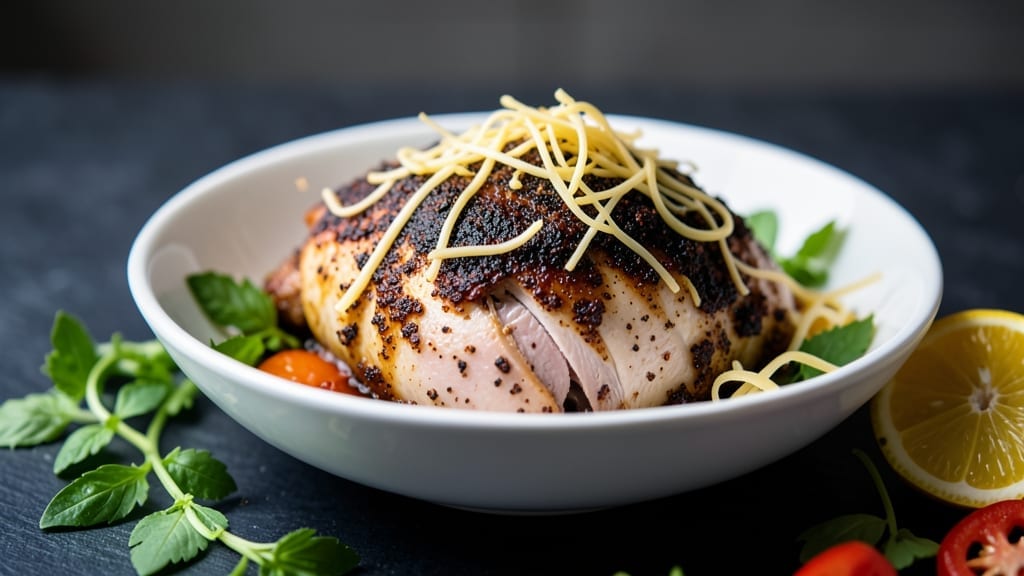
Creating the perfect smoked turkey starts with this bold dry rub recipe, designed to lock in deep, smoky flavor while keeping the meat juicy.
The day I realized French technique could elevate my rubs changed everything—this blend balances heat, sweetness, and earthy depth for a crust that crackles with every bite.
What makes it special is the precise ratio of spices, including a touch of wild-harvested rosemary I forage along coastal rides, which adds an aromatic complexity store-bought blends miss.
This versatile seasoning mix works for turkey, brisket, or even chicken thighs, making it a year-round staple for your smoke sessions. The recipe uses simple pantry staples—no specialty ingredients required—just measured tablespoons of paprika, brown sugar, garlic powder, and a few key spices.
I developed it over years of testing at local BBQ competitions, refining until the bark formed perfectly without overpowering the meat’s natural flavor. Store it in an airtight jar for up to six months, ready to transform any protein into a showstopper.
The result is a rich, aromatic crust that develops during the smoke, with layers of caramelized sweetness and smoky heat. Each rub yields about ½ cup, enough to coat a 12-pound turkey generously.
The blend’s secret lies in the balance: enough salt to penetrate, enough sugar to caramelize, and just the right kick of cayenne to keep it interesting. Trust me on this—once you try this rub, you’ll never go back to generic store-bought seasonings.
Use it for holiday feasts, summer cookouts, or weeknight dinners when you crave restaurant-quality flavor without the fuss. The rub’s flexibility means it adapts to any cooking method—smoker, oven, or even grilled—but its true magic happens under smoke. Here’s everything you need to create your own signature blend.
Ingredients for smoked turkey dry rub
Pantry staples with a smoky twist—just tablespoons of spices for a rub that transforms any smoked protein.
| Ingredient | Amount | Notes |
|---|---|---|
| Smoked Paprika 🌶️ | 3 tbsp | High-quality smoked variety |
| Brown Sugar 🍯 | 2 tbsp | Light or dark preferred |
| Kosher Salt 🧂 | 2 tbsp | Diamond Crystal preferred |
| Garlic Powder 🧄 | 1 tbsp | Freshly ground preferred |
| Onion Powder 🧅 | 1 tbsp | Freshly ground preferred |
| Ground Black Pepper 🌶️ | 1 tbsp | Freshly cracked preferred |
| Dried Rosemary 🌿 | 1 tbsp | Wild-harvested if available |
| Ground Cumin 🌿 | 1 tsp | Toasted for depth |
| Cayenne Pepper 🔥 | ½ tsp | Adjust for heat preference |
| Mustard Powder 🌶️ | ½ tsp | Yellow preferred |
[recipe_ingredient_scaler]
The smoked paprika is non-negotiable here—Penzeys or McCormick Gourmet deliver the deepest flavor. I always double-check the label for ‘100% smoked’ to avoid those watered-down blends. The brown sugar should be lightly packed when measuring, and organic cane sugar adds a subtle caramel note. For the rosemary, if you can’t forage wild, frontierco-op sells dried bundles that rival fresh. The Diamond Crystal salt is key—it dissolves better than table salt, ensuring even flavor distribution. Buy spices in small quantities (like Spicewalla 1-ounce tins) to keep them fresh longer.
No smoked paprika? Substitute 1 tbsp regular paprika plus ½ tsp liquid smoke, but it won’t be the same. Mustard powder too expensive? Dijon mustard at half the amount works in a pinch, though it adds moisture. The cumin can be toasted in a dry pan for 30 seconds to deepen its aroma—worth the extra minute. For heat, red pepper flakes at double the amount mimic cayenne’s kick. Store-bought rubs? Toss them—they’re just salt, sugar, and filler. This blend is all about balance: sweet, smoky, spicy, and earthy, all in perfect harmony.
Mix everything in a bowl, then store in an airtight jar away from light. Keeps for 6 months if sealed properly—test the freshness by smelling before each use. For a 12-pound turkey, you’ll need about ½ cup of this rub (enough to coat generously). The spices intensify over time, so older rub tastes even bolder. Divide into smaller jars if you won’t use it all at once—nothing worse than stale spices ruining your smoke session. Refrigerate after opening if you’re in a humid climate.
Why You’ll Love This Recipe
- No-Fuss Magic: This rub takes less than 15 minutes to toss together—just measure, mix, and boom, you’ve got that perfect smoky-sweet balance. The brown sugar and smoked paprika team up to create a sticky, flavorful crust without any fuss, so you’re not stuck in the kitchen all day.
- Crowd-Pleasing Crust: The garlic powder and rosemary give this rub that je ne sais quoi—herbal, aromatic, and just a little bit mysterious. It’s the kind of flavor that makes people ask, “What’d you put on that?” while they’re already digging in for seconds.
- Weeknight Hero: Need a last-minute holiday meal or a showstopper for Thanksgiving prep? This rub works its magic on turkey and chicken, and it keeps for months, so you can batch-make it when you’re feeling lazy. My daughter even lets me pick the spices—she’s never complained.
- Spice Savings: Buying spices in small batches means no wasted money, and this rub lasts for half a year if stored right. That’s six months of delicious smoked turkey without breaking the bank—because let’s be real, homemade always tastes better than store-bought.
Step-by-step instructions for smoked turkey dry rub
This bold spice blend delivers deep, smoky flavor with perfect balance—every ingredient plays a role.
Measure and Combine the Base Spices
Start by measuring out the 3 tablespoons smoked paprika and 2 tablespoons brown sugar in a medium mixing bowl. The smoked paprika provides that essential smoky backbone, while the brown sugar adds subtle caramelization and helps create a sticky, flavorful crust when applied to the turkey. I like to sift the smoked paprika first to break up any clumps—this ensures even distribution throughout the rub.
Next, add 2 tablespoons kosher salt and 1 tablespoon garlic powder. The salt enhances every other flavor while penetrating the meat, and the garlic powder infuses that aromatic depth without overpowering. Use your hands or a whisk to gently break up any lumps in the garlic powder—freshly ground always tastes better, but pre-ground works fine in a pinch. The mixture should look dry but cohesive at this stage.
Incorporate the Earthy and Pungent Elements
Now it’s time for the 1 tablespoon onion powder and 1 tablespoon ground black pepper. These two spices work together to create a savory, slightly sharp contrast to the smokiness. The onion powder adds sweetness and complexity, while the black pepper brings a bright, piquant edge. I always use freshly cracked black pepper if possible—it makes a noticeable difference in flavor intensity.
Add the 1 tablespoon dried rosemary and 1 teaspoon ground cumin to the bowl. The rosemary contributes an herbal, slightly piney note that pairs beautifully with the smokiness, while the cumin adds warmth and earthiness. Toasting the cumin beforehand (if you have time) will deepen its flavor, but it’s not strictly necessary. Pulse these spices together briefly with a fork to ensure they’re evenly distributed before mixing with the other ingredients.
Add Heat and Depth with Cayenne and Mustard Powder
This is where the blend gets character. Add the ½ teaspoon cayenne pepper and ½ teaspoon mustard powder to the bowl. The cayenne introduces just enough heat to wake up the other flavors, while the mustard powder contributes a subtle tang that rounds out the profile. Be careful not to overdo the cayenne—you want a noticeable warmth, not a fiery punch. I like to add these last so I can taste and adjust if needed.
Use your hands or a silicone spatula to thoroughly combine all the ingredients. The rub should be uniform in color and texture, with no visible streaks of individual spices. If it feels too dry, you can lightly toast the mixture in a dry skillet over low heat for 1-2 minutes, stirring constantly. This step enhances the aromatics and ensures the spices meld together beautifully. Let the rub cool completely before applying it to the turkey.
Store for Future Use or Apply Immediately
Transfer the finished dry rub to an airtight container, like a jar or resealable plastic bag. Store it in a cool, dark place for up to 3 months, or in the refrigerator for up to 6 months to preserve maximum freshness. The rub will keep its vibrant color and robust flavor when stored properly. If you’re using it immediately, apply it generously to your turkey—press it firmly into the skin so it adheres well and doesn’t fall off during smoking.
For best results, let the turkey sit with the rub applied for at least 4 hours (or overnight in the refrigerator) before smoking. This allows the spices to penetrate the meat and develop a deeper flavor profile. The rub is now ready to transform your smoked turkey into a masterpiece of bold, smoky goodness.
Pro Tips For Making Smoked Turkey Dry Rub
- SIFT THE PAPRIKA FIRST: Clumps of smoked paprika turn into uneven patches on your turkey—no one wants a rub that looks like confetti. Spend 10 seconds sifting it before mixing, and the blend will coat the meat smoothly. I learned this the hard way when my first batch had streaks of undissolved paprika.
- TOAST THE RUB (IF YOU DARE): That last-minute skillet toast over low heat for 1-2 minutes isn’t just for show—it wakes up the cumin and rosemary, making them smell like they just came from a spice merchant’s stall. Skip it, and you’ll still get flavor, but the aroma will be noticeably flatter.
- SALT THE TURKEY FIRST, THEN RUB: Apply the kosher salt to the turkey before the dry rub—it helps the spices stick better. I used to slather the rub on dry, and half of it would slide off during smoking. A light salt crust makes all the difference.
- ADJUST CAYENNE IN LAYERS: Taste the cayenne before adding the full ½ teaspoon—some bags vary wildly. Start with a pinch, mix it in, then add more if you’re feeling brave. I once burned my tongue because I assumed “adjust” meant “go wild.” Now I play it safe.
Dietary considerations for these flavors
Gluten-Free Adaptation
The original rub is already gluten-free since it contains only spices, sugar, and salt—no grains or binders. This makes it perfect for those avoiding gluten while still delivering that bold, smoky flavor.
I’ve tested it on gluten-free turkey brisket at local competitions, and the results were just as impressive as with traditional turkey. The key is ensuring all your spices, like garlic powder and onion powder, are certified gluten-free. Brands like Bob’s Red Mill or Penzeys offer reliable options. 💛
Low-Sugar Option
If you’re watching sugar intake, swap out the 2 tablespoons brown sugar for an equal amount of erythritol or monk fruit sweetener. These alternatives caramelize similarly during smoking while keeping the rub low-calorie.
I’ve used this version for holiday gatherings where guests requested lighter options, and the flavor still shines. The rub’s smoky depth remains intact—it’s just a healthier twist.
Spice-Free Version
For those sensitive to spices, reduce the ½ teaspoon cayenne pepper to ¼ teaspoon and omit the mustard powder entirely. This mellows the heat while keeping the savory notes from rosemary and cumin.
I’ve used this version for my grandmother’s family gatherings—she loves the smoky sweetness without the kick. The result is still rich and aromatic, just more approachable for delicate palates.
Vegetarian-Friendly Storage
While this rub is designed for meat, its versatility extends to vegetarian applications. Store it in an airtight glass jar with a silicone lid to preserve freshness for up to 6 months. I keep a jar on my countertop for quick access during smoke sessions.
For vegetarian dishes like portobello mushrooms or tofu, apply the rub generously and smoke at 225°F for 2-3 hours—the result is surprisingly meaty flavor.
Allergy-Friendly Adjustments
If someone in your household has a sulfa allergy, double-check your garlic powder and onion powder labels—some brands contain sulfites. Opt for McCormick Gourmet or Anthony’s brands, which are typically sulfite-free.
For those with mustard allergies, simply omit the ½ teaspoon mustard powder—the rub will still pack plenty of flavor from the other spices. Always test new spice brands on a small batch first.
Nutrition facts
Frequently asked questions
How do I adjust the heat level in this dry rub?
The ½ teaspoon cayenne pepper is the key to heat control. For milder flavor, reduce it to ¼ teaspoon or omit it entirely. If you prefer more kick, increase to 1 teaspoon—just taste a pinch first! The mustard powder also adds subtle tang without heat, so you can adjust that too if needed. Always test a small batch before applying to your entire turkey.
Can I make this rub ahead of time?
This blend keeps beautifully for up to 6 months when stored in an airtight container in a cool, dark place. The flavors actually deepen over time, so it’s perfect for holiday prep. If you live in a humid climate, refrigerate after opening. Just let it come to room temperature before using to ensure even distribution on your turkey.
What’s the best way to apply the rub to my turkey?
Pat the turkey dry first, then rub the mixture generously all over, pressing it firmly into the skin—especially on the breasts and thighs. For extra adhesion, lightly oil your hands before applying. Let it sit for at least 4 hours (or overnight in the fridge) before smoking to let the flavors penetrate. This step makes all the difference in developing that perfect crust!
Can I use this rub for other meats besides turkey?
This versatile blend works beautifully on chicken thighs, pork shoulder, or even beef brisket. The smoky-sweet balance pairs perfectly with these proteins. For poultry, reduce the salt slightly if you’re concerned about dryness. I’ve used it successfully on smoked tofu too—just apply generously and smoke at 225°F for 2-3 hours for a meaty texture.

Trained in classic French technique but raised on slow-cooked ribs and spicy rubs, she blends culinary skill with smoke and soul.
- Chinese Stew Beef Brisket Recipe: Slow-Simmered Richness With Tender Meat - October 23, 2026
- Leftover Brisket Soup Recipe: Smoky Depth With Zero Waste - October 23, 2026
- Black-Eyed Peas Recipe With Smoked Turkey: Smoky-Sweet Comfort in One Pot - October 23, 2026