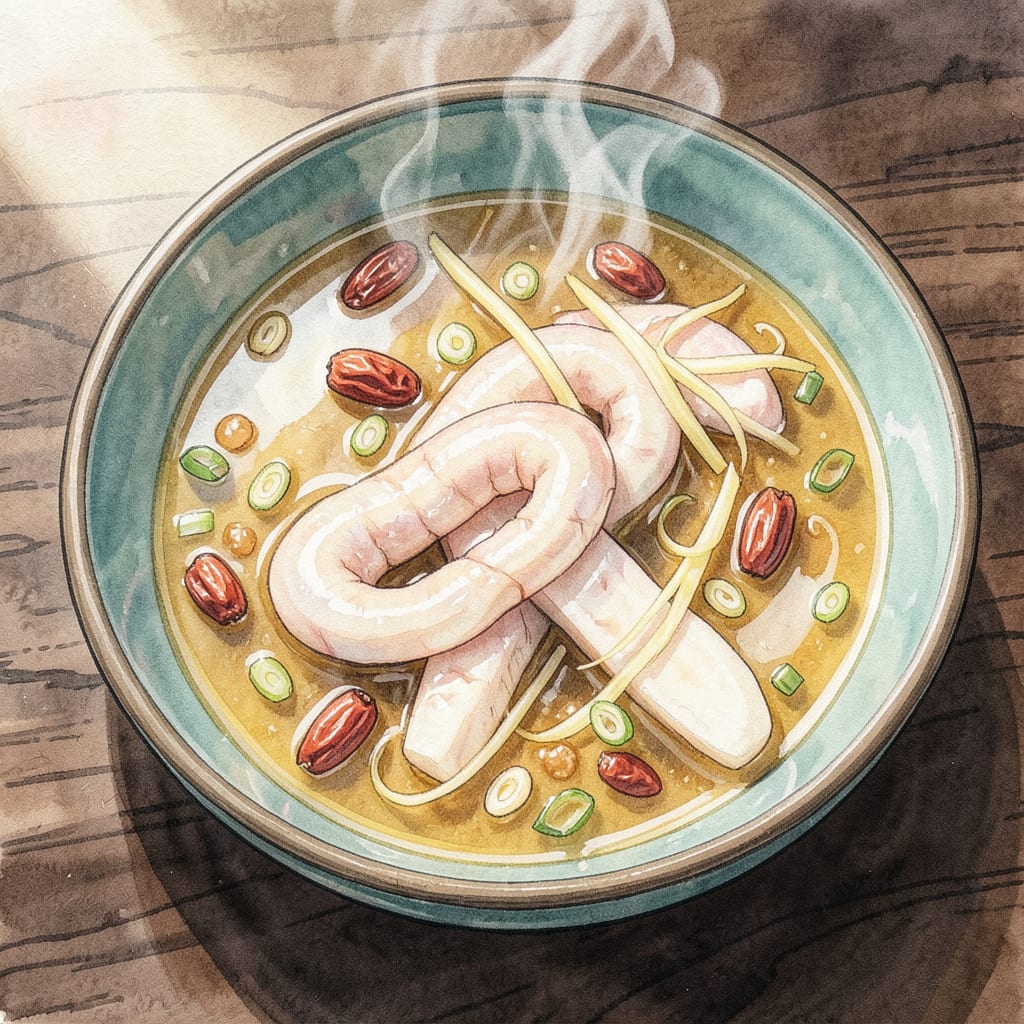
Snake soup holds a revered place in Cantonese cuisine, celebrated for its rich, comforting broth and delicate balance of flavors. This traditional dish transforms humble ingredients into a deeply nourishing meal, valued for both its taste and cultural significance. The slow-simmered broth extracts maximum depth from the snake meat, creating a velvety texture that warms from the first sip.
The key lies in proper preparation and patience. Cleaning and blanching the meat ensures purity of flavor, while aromatic ingredients like ginger, garlic, and Chinese herbs build complexity. What emerges is a bowl of comfort—fragrant, savory, and steeped in tradition—best enjoyed with steamed rice or crispy fried dough sticks. Every element works in harmony to deliver an experience that’s as meaningful as it is delicious.
Ingredients for Snake Soup
This traditional Cantonese soup relies on carefully selected ingredients to achieve its signature depth and comforting warmth.
| Ingredient | Amount | Notes |
|---|---|---|
| Snake meat 🐍 | 1 ½ lb | Fresh, cleaned, and cut into bite-sized pieces |
| Chicken broth 🍲 | 8 cups | Low-sodium preferred for controlled seasoning |
| Fresh ginger 🌿 | 3 oz | Peeled and sliced into thick rounds |
| Garlic cloves 🧄 | 6 cloves | Lightly smashed to release aroma |
| Dried goji berries 🍇 | ¼ cup | Rinsed and soaked for 10 minutes |
| Chinese yam (huai shan) 🍠 | 2 oz | Peeled and sliced into thin rounds |
| Dried longan fruit 🍈 | ¼ cup | Rinsed and drained |
| Red dates (jujubes) 🍈 | 4 whole | Pitted and halved |
| Dried shiitake mushrooms 🍄 | 4 whole | Rehydrated and sliced |
| Shaoxing wine 🍶 | 2 tbsp | For deglazing and depth of flavor |
| Light soy sauce 🫙 | 1 ½ tbsp | For umami balance |
| Rock sugar 🍬 | 1 oz | Or substitute with granulated sugar |
| White pepper 🌶️ | ½ tsp | Freshly ground for optimal aroma |
| Salt 🧂 | 1 tsp | Adjust to taste after simmering |
| Cilantro 🌿 | ¼ cup | Fresh, chopped for garnish |
[recipe_ingredient_scaler]
The snake meat is the foundation of this dish, and sourcing is critical. **Asian specialty markets** typically carry pre-cleaned, frozen snake meat, which simplifies preparation. Opt for **cobra or rat snake**—both are traditional choices with optimal texture. Freshness is paramount; ensure the meat is odorless and has a firm, springy texture. The Chinese yam and dried herbs (**goji berries, longan, red dates**) are non-negotiable for authentic flavor. **Wing Hop Fung** or **99 Ranch Market** are reliable sources for these ingredients, particularly in North American cities with large Asian communities.
For those unable to source snake meat, **chicken thighs** (bone-in, skin-on) can substitute, though the flavor profile will differ significantly. Dried shiitake mushrooms may be replaced with **fresh cremini**, but the umami depth will be less pronounced. **Shaoxing wine** is essential for authenticity; in its absence, **dry sherry** is the closest alternative. Rock sugar can be substituted with **granulated sugar**, though it lacks the subtle mineral notes. The **soy sauce** should be light—**Pearl River Bridge** or **Lee Kum Kee** are optimal brands for balanced saltiness without overpowering the broth.
Proper storage of dried ingredients ensures longevity. Keep **goji berries, longan, and red dates** in airtight containers in a cool, dark pantry for up to 12 months. Fresh ginger and garlic should be stored separately—**ginger in the freezer** (peel-on) and **garlic in a mesh bag** at room temperature—both will maintain quality for 3-4 weeks. The prepared soup refrigerates well for 3 days; reheat gently to preserve the delicate broth texture. Freezing is not recommended, as it compromises the velvety mouthfeel.
Why You’ll Love This Recipe
- One-Pot Magic: I love how this comes together in a single pot—just toss in the snake meat, broth, and aromatics, then let the ginger and garlic do their work. No fancy techniques, no constant stirring, just rich flavor building while you do something else.
- Umami Bomb: That first sip hits you with layers: the earthy depth of snake meat, the bright kick of fresh ginger, and the subtle sweetness from goji berries. It’s like a cozy hug for your taste buds, especially when you let it simmer long enough for the broth to get really intense.
- Cold-Weather MVP: Between us, this is my secret weapon for chilly nights or when someone’s under the weather. It reheats beautifully, so I make a big batch—some for dinner, some for lunches, and always a little extra to freeze for later.
- Budget Stretcher: Here’s what sold me—snake meat is lean, affordable, and a little goes a long way in this broth. Pair it with pantry staples like garlic and dried goji berries, and you’ve got a filling, impressive meal without the grocery bill shock. Honestly, it’s smarter than takeout.
Step-by-Step Instructions for Snake Soup
This traditional Cantonese preparation requires careful layering of flavors and gentle simmering for optimal results.
Step 1: Prepare and Blanch the Snake Meat
Begin by rinsing the 1.5 lb snake meat under cold water and patting it completely dry with paper towels. This removes any residual blood and ensures cleaner broth. In a large pot, bring 8 cups chicken broth to a rolling boil over high heat.
Add the snake meat and blanch for exactly 3 minutes, skimming off any foam that rises to the surface. This process tightens the meat’s proteins and removes impurities that could cloud your broth. Drain the meat in a colander and rinse under cold water to halt cooking. Set aside.
Step 2: Build the Aromatic Foundation
In a clean soup pot, combine the blanched snake meat with 3 oz fresh ginger, 6 cloves garlic cloves, 4 whole dried shiitake mushrooms, 2 oz Chinese yam (huai shan), 0.25 cup dried goji berries, 0.25 cup dried longan fruit, and 4 whole red dates (jujubes). Add the 8 cups chicken broth and bring to a gentle simmer over medium heat.
The ginger and garlic should release their fragrance within 5 minutes of simmering. Watch for the broth to develop a golden hue from the mushrooms and dates. This aromatic base creates the soup’s characteristic depth and warming properties.
Step 3: Season and Simmer for Depth
Once simmering, add 2 tbsp Shaoxing wine, 1.5 tbsp light soy sauce, 1 oz rock sugar, 0.5 tsp white pepper, and 1 tsp salt. Stir gently to dissolve the sugar and distribute the seasonings. Reduce heat to low and maintain a gentle simmer for 1.5 hours, partially covered.
The soup should develop a rich amber color and the snake meat should become tender enough to flake slightly when pressed. Skim any fat that accumulates on the surface during simmering. The long cooking time allows the medicinal ingredients to infuse fully into the broth.
Step 4: Finish and Serve
After simmering, taste and adjust seasoning if needed. The broth should balance savory, slightly sweet, and warming notes. Remove from heat and let rest for 5 minutes before serving to allow flavors to meld.
Ladle into warmed bowls and garnish each serving with 0.25 cup cilantro. The fresh herb adds brightness that cuts through the soup’s richness. Serve immediately while steaming hot to fully appreciate the aromatic qualities and comforting warmth of this traditional preparation.
Perfect Pairings for This Dish
Traditional Pairings
This soup shines when served with steamed jasmine rice, which soaks up the rich broth beautifully. The delicate floral notes of jasmine complement the earthy, warming qualities of the soup. I always keep a pot of rice ready when making this dish—it’s the perfect canvas for those deep flavors. 🍚
For texture contrast, add crispy fried dough sticks (youtiao) on the side. Their golden, airy crunch cuts through the soup’s velvety texture. You can find these at most Asian bakeries, or make your own by frying strips of puff pastry until golden.
Tea Pairings
A cup of pu-erh tea enhances the experience with its earthy, fermented notes that mirror the soup’s depth. The tea’s slight bitterness balances the broth’s natural sweetness from the longan and dates. I brew mine for 3-4 minutes to avoid over-extraction.
For something lighter, try chrysanthemum tea—its floral aroma lifts the palate between sips of soup. Serve it warm but not scalding, so the delicate petals don’t release any bitterness. A 1:1 ratio of dried flowers to hot water works perfectly.
Wine Alternatives
If you prefer wine, a dry Riesling with its crisp acidity and citrus notes pairs surprisingly well. The wine’s brightness cuts through the soup’s richness without overpowering it. Look for bottles from Germany’s Mosel region—they’re food-friendly and affordable.
For red wine lovers, a light-bodied Pinot Noir offers subtle earthiness that complements the shiitake mushrooms. Serve it slightly chilled (60°F) to enhance its fruit-forward qualities. I like ones from Oregon—they’re elegant and won’t clash with the soup’s delicate balance.
Fresh Garnishes
Beyond cilantro, try adding thinly sliced scallions or fried shallots for extra aroma. The sharpness of scallions brightens each bite, while fried shallots add a satisfying crunch. A sprinkle of toasted sesame seeds introduces nutty depth that ties everything together.
For heat lovers, a drizzle of chili oil or a few drops of Sichuan peppercorn oil adds warmth without overwhelming the broth. I make my own by infusing ½ cup neutral oil with 1 tbsp crushed Sichuan peppercorns over low heat for 10 minutes. 🌶️
Nutrition Facts

Trained in classic French technique but raised on slow-cooked ribs and spicy rubs, she blends culinary skill with smoke and soul.
- Recipe for Boneless Pork Chops in Cast Iron Skillet: Sear and Baste to Juicy Perfection - October 3, 2026
- Recipe for Boneless Cross Rib Roast: Slow-Roasted Beef with Herb Crust - October 3, 2026
- Hamburgers in Sauce Recipe Crock Pot: Slow-Cooked Savory Delight - October 3, 2026