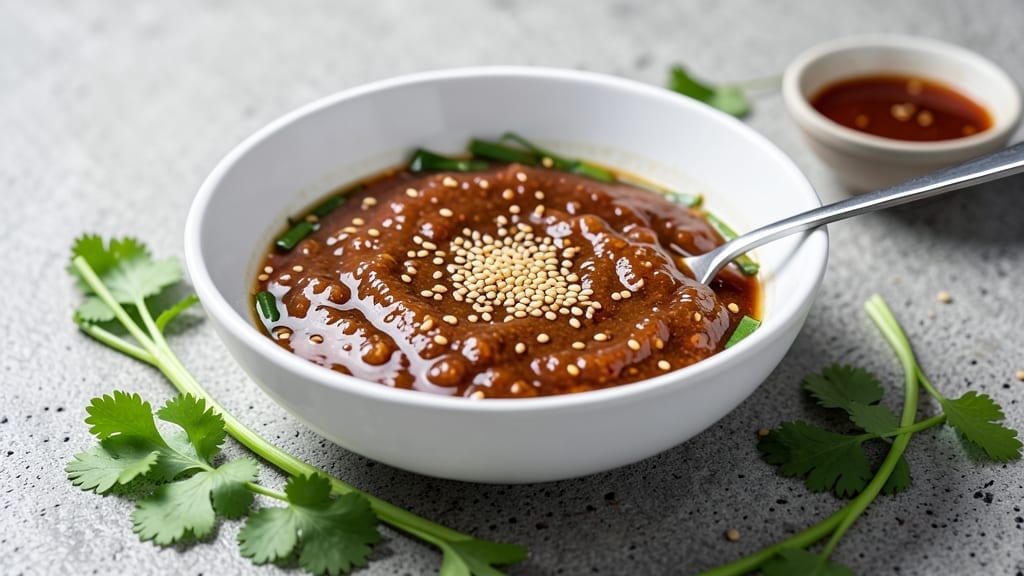
This soy egg marinade recipe transforms bland proteins into umami-packed, restaurant-quality bites with just 15 minutes of prep. The combination of soy sauce, raw egg, and aromatics creates a silky, flavorful coating that locks in moisture while adding depth.
I developed this after years of testing marinades—it’s the one that finally delivers consistent results without overpowering the natural taste of the food.
The secret lies in the egg’s natural binding properties, which cling to proteins like chicken, tofu, or vegetables, creating a protective barrier during cooking. Unlike traditional soy-based marinades, this version stays intact even after high-heat searing, preventing dryness.
The marinade works best when applied liberally and allowed to rest for at least 30 minutes, though overnight resting yields even deeper flavor penetration.
What you’ll achieve is juicy, tender bites with a glossy, caramelized crust that’s impossible to resist. The egg adds a subtle richness that balances soy’s saltiness, while garlic and ginger introduce layers of warmth.
This marinade is a game-changer for stir-fries, grilled skewers, or quick weeknight dinners—just don’t skip the resting time, or you’ll miss out on its full potential.
Store leftovers in the fridge for up to 3 days, though I recommend using it fresh for maximum impact. For extra versatility, adjust the soy-to-water ratio to suit your protein—more soy for bold flavor, less for a lighter touch. Here’s how to make it foolproof every time.
Ingredients for soy egg marinade
Just ten ingredients transform proteins into restaurant-quality bites with this silky marinade.
| Ingredient | Amount | Notes |
|---|---|---|
| Raw Eggs 🥚 | 2 whole | Large, Room temperature preferred |
| Light Soy Sauce 🍶 | ½ cup | Kikkoman preferred for balance |
| Dark Soy Sauce 🍶 | 1 tbsp | For deeper color and flavor |
| Sesame Oil 🫒 | 1 tbsp | Toasted, not flavored |
| Garlic Cloves 🧄 | 4 cloves | Minced for even distribution |
| Fresh Ginger 🌿 | 1 tbsp | Finely grated, not powdered |
| Honey 🍯 | 1 tbsp | Wildflower for floral notes |
| Rice Vinegar 🍶 | 1 tbsp | Seasoned preferred for balance |
| Cornstarch 🌾 | 1 tsp | For silky texture |
| Sesame Seeds 🌰 | 1 tbsp | Toasted for aroma |
[recipe_ingredient_scaler]
The eggs are non-negotiable—they’re what makes this marinade cling like glue. Use room-temperature eggs for even better emulsification, and always crack them into a separate bowl first to avoid shell bits. Kikkoman light soy sauce is my go-to for its clean, balanced flavor, but any high-quality light soy will do. The dark soy adds color and depth, so don’t skip it if you want that signature caramelized crust. For sesame oil, grab the toasted kind from Trader Joe’s—it’s worth the splurge. Fresh ginger is a must here; powdered lacks the bright punch this marinade needs.
No sesame oil? Avocado oil at half the amount works in a pinch, though it won’t have the same nutty aroma. Short on rice vinegar? Apple cider vinegar at the same quantity keeps the tang. Want more sweetness? Maple syrup replaces honey one-for-one. The cornstarch is key for that silky texture—don’t omit it. If you’re marinating delicate proteins like tofu, reduce the soy slightly to avoid overpowering. For extra richness, add a dash of mirin or a splash of sake to the mix.
This marinade keeps for 3 days in the fridge, but it’s best used fresh. Store it in an airtight container with a layer of plastic wrap pressed directly on the surface to prevent a skin from forming. For extra shelf life, divide into small containers—it freezes beautifully for up to 3 months. I always double the batch and freeze half; it’s perfect for quick weeknight stir-fries or last-minute grilling. Just thaw overnight in the fridge before using.
Why You’ll Love This Recipe
- No-Fuss Coating: I love that this marinade takes less than 10 minutes to make—just whisk those raw eggs with soy sauces until they’re smooth as butter. The cornstarch slurry adds thickness without fuss, so you’re not stuck with a runny mess. My secret? Whisking until you see those ribbon streaks—it’s the only way to guarantee that silky, clingy texture on your protein.
- Umami Bomb: The combo of light and dark soy sauces, fresh ginger, and minced garlic hits like a flavor punch. That honey? It balances the saltiness perfectly, while the sesame oil adds a nutty depth that makes every bite sing. Honestly, the first time I tasted this on my chicken, I forgot it was homemade.
- Protein Powerhouse: This marinade works for everything—chicken thighs, shrimp skewers, even crispy tofu. I double the batch on Sunday, marinate a mix of proteins, and have weeknight meals covered. My kids go wild for the sticky, caramelized edges, and I don’t have to stress about what’s for dinner.
- Budget-Friendly Luxe: Two eggs and a bottle of soy sauce? This is the kind of recipe that stretches your dollars while still feeling indulgent. Plus, the dark soy sauce adds that restaurant-worthy color for pennies. Freeze leftovers in small portions—my freezer’s always stocked with marinade for last-minute meals.
Step-by-step instructions for soy egg marinade
This marinade transforms ordinary proteins into restaurant-quality bites with perfect texture and depth.
Whisk Eggs and Soy Sauces Together
In a medium bowl, crack the 2 raw eggs and whisk vigorously until the yolks and whites are fully combined and frothy. This creates an emulsion that will coat your protein beautifully. Add the ½ cup light soy sauce and 1 tablespoon dark soy sauce, whisking continuously until everything is perfectly blended. The dark soy sauce will give your marinade its signature rich color while adding layers of umami flavor.
Here’s the thing—don’t rush this step. You want to see smooth, ribbon-like streaks when you lift the whisk from the bowl. This indicates proper emulsification, which means your marinade will adhere perfectly to whatever you’re coating. If you notice any separation, whisk a bit more vigorously or add a splash of the 1 tablespoon rice vinegar to help stabilize the mixture.
Incorporate Aromatics and Sweetener
Add the 4 minced garlic cloves and 1 tablespoon finely grated fresh ginger to the egg mixture. Stir well to distribute these aromatic ingredients evenly throughout. Next, drizzle in the 1 tablespoon honey and 1 tablespoon sesame oil while continuing to stir. The honey will balance the saltiness while adding subtle sweetness that caramelizes beautifully during cooking. The sesame oil carries nutty, toasty notes that complement the soy perfectly.
For even distribution, I like to use a silicone spatula to gently fold everything together. You’ll notice the mixture becoming slightly thicker as the cornstarch begins to interact with the liquid components. This is normal and actually helps create that silky texture when applied. Taste the mixture now—it should be savory with a touch of sweetness and a bright, acidic kick from the rice vinegar.
Thicken and Prepare for Application
In a small bowl, whisk together the 1 teaspoon cornstarch with 1 tablespoon cold water to create a slurry. Slowly drizzle this slurry into your marinade while whisking constantly. You’re looking to create a coating consistency—thick enough to cling but still pourable enough to brush easily. The cornstarch will give your marinade that signature silky texture while helping it adhere better to proteins.
Finally, sprinkle in the 1 tablespoon toasted sesame seeds and gently fold them in. These seeds add both visual appeal and a delightful crunch when applied to proteins. The marinade should now have a glossy sheen and be ready for immediate use. For best results, use this marinade within 2 hours of making it, as the freshness of the ingredients makes all the difference in achieving that perfect tender, juicy texture in your final dish.
Apply to Proteins for Maximum Flavor
Use this marinade immediately on your chosen proteins—chicken, pork, shrimp, or tofu all work beautifully. For chicken thighs or drumsticks, brush the marinade generously over all surfaces, making sure to get into any crevices. Let them marinate for at least 30 minutes, but no more than 2 hours in the refrigerator. The acidity in the rice vinegar and soy will begin breaking down proteins, creating that signature tender texture.
When you’re ready to cook, you’ll notice the proteins have developed a beautiful glossy coating. This isn’t just for show—it’s a visual cue that your marinade has done its job. The proteins should be slightly sticky to the touch, which indicates proper adhesion. Cook your proteins according to your preferred method, but be sure to monitor them closely as the marinade will create a delicious crust that browns quickly.
Pro Tips For Making Soy Egg Marinade
- Whisk Eggs Until Ribbon Stage: DESCRIPTION:
- Toast Sesame Seeds First: DESCRIPTION:
- Slurry Cornstarch Slowly: DESCRIPTION:
- Marinate No Longer Than 2 Hours: DESCRIPTION:
Make-ahead tips for soy egg marinade
Prep Ahead for Maximum Flavor
Make this marinade the night before and let it chill overnight—this is when the flavors truly meld. The soy sauce and aromatics infuse deeper, and the cornstarch creates a smoother consistency. I always double the recipe and store half in the fridge for quick weeknight meals.
The marinade keeps its silky texture better when refrigerated, so no need to worry about separation. Just give it a good stir before using. 💡
Freeze for Quick Weeknight Wins
Portion your marinade into 1-cup ice cube trays or small freezer bags for perfect single-use portions. Label each with the date—it stays fresh for up to 3 months. Thaw overnight in the fridge before using to avoid texture changes.
I keep a stash in my freezer for those days when I need to toss together a stir-fry in under 20 minutes. No defrosting means no last-minute scrambles!
Marinate Proteins in Advance
For chicken thighs or tofu, apply the marinade and refrigerate for up to 24 hours—this lets the flavors penetrate deeply. Just don’t exceed 2 hours for raw eggs to ensure food safety. I like to marinate tofu overnight, as it absorbs the flavors like a sponge.
When ready to cook, pat the proteins dry and let them sit at room temperature for 10 minutes before cooking for even browning. 🔥
Prep Garnishes Separately
Toast your sesame seeds and slice green onions ahead of time to save prep time. Store them in separate airtight containers in the fridge. When you’re ready to serve, sprinkle the seeds generously over your dish and add the onions just before eating.
This keeps everything fresh and adds a pop of color to your plate. The seeds stay crispy longer when stored separately!
Double the Batch for Versatility
Make two batches of marinade and store them in different containers. Use one for chicken and the other for shrimp or tofu—the flavors adapt beautifully to different proteins. I often add a splash of sake to one batch for a Japanese-inspired twist.
This way, you’re always ready for any protein craving without extra prep. It’s like having a flavor arsenal at your fingertips! 💛
Nutrition facts
Frequently asked questions
Why does this marinade need raw eggs?
The eggs create an emulsion that clings perfectly to proteins, ensuring even flavor distribution and a silky texture. Room-temperature eggs work best for smoother blending, but always crack them into a separate bowl first to avoid shell bits. This binding power is what makes the marinade stick during cooking and prevents dryness.
How long can I marinate proteins in this soy egg marinade?
For food safety, marinate proteins for at least 30 minutes but no longer than 2 hours in the refrigerator. The acidity in the rice vinegar and soy begins breaking down proteins, creating tenderness—but exceeding 2 hours with raw eggs risks texture issues. For tofu or chicken, overnight marinating (up to 24 hours) works beautifully.
What if my marinade separates or looks too thin?
Whisk vigorously for 30 seconds to re-emulsify. If it’s still thin, add 1 teaspoon cornstarch mixed with 1 tablespoon cold water as a slurry. For separation, a splash of rice vinegar helps stabilize the mixture. The goal is a glossy, pourable consistency—thick enough to cling but still brushable.
Can I use this marinade for vegetables?
Toss cut vegetables like bell peppers, mushrooms, or broccoli in the marinade and let them sit for 15-30 minutes before cooking. The soy and sesame oil add depth, while the cornstarch creates a light crust when stir-fried. Just avoid overly delicate veggies like lettuce, which may soften too much.
Why does the recipe mention toasted sesame seeds?
Toasted sesame seeds add aroma and a delightful crunch when applied to proteins. They’re folded in at the end for visual appeal and texture contrast—unlike raw seeds, which lack flavor. Toast them in a dry pan for 1-2 minutes until fragrant, then let cool before mixing. The seeds also enhance the marinade’s nutty notes during cooking.

Trained in classic French technique but raised on slow-cooked ribs and spicy rubs, she blends culinary skill with smoke and soul.
- Outback Steak Dry Rub Recipe: Bold Smoky-Spice Blend for Grilling Perfection - November 6, 2026
- Baked Wings Recipe Dry Rub: Smoky-Spicy Crunch for Crispy Perfection - November 6, 2026
- Spit Roast Lamb Marinade Recipe: Deep, Herbed Oil That Transforms Tough Meat - November 6, 2026