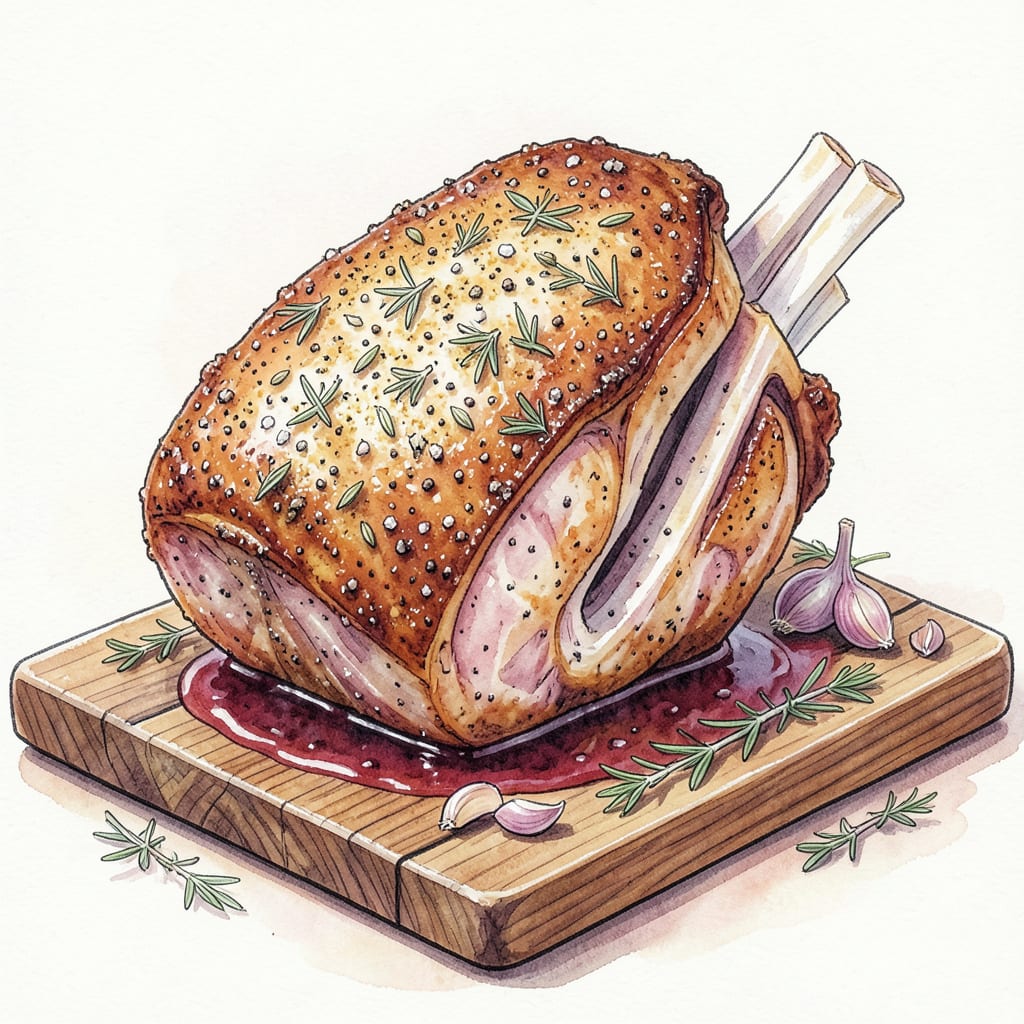
Creating the perfect standing rib roast starts with the right rub—a bold blend that enhances the natural richness of prime rib without overpowering it. This carefully balanced mix of herbs, garlic, and spices forms a flavorful crust that locks in juices while adding depth to every bite. I developed this recipe after years of experimenting with different ratios, always aiming for that ideal harmony between savory, aromatic, and slightly peppery notes.
The beauty of this rub lies in its versatility. Use it immediately on your roast or store it in an airtight container for up to six months, ensuring you’re always prepared for holiday feasts or special occasions. Whether you prefer a classic herb-forward profile or want to experiment with smoky or spicy variations, this foundation delivers consistent, professional-quality results every time. The precise measurements guarantee perfect flavor distribution across even the largest cuts of meat.
Ingredients for Standing Rib Roast Rub
Nine carefully balanced ingredients create that signature crust for your prime rib.
| Ingredient | Amount | Notes |
|---|---|---|
| Kosher Salt 🧂 | 3 tbsp | Diamond Crystal preferred for texture |
| Freshly Ground Black Pepper 🌶️ | 2 tbsp | Coarse grind for crust formation |
| Garlic Powder 🧄 | 2 tbsp | Not garlic salt substitute |
| Onion Powder 🧅 | 1 ½ tbsp | Freshly opened for potency |
| Dried Rosemary 🌿 | 1 tbsp | Crushed between fingers to release oils |
| Dried Thyme 🍃 | 1 tbsp | French thyme preferred for subtlety |
| Smoked Paprika 🌶️ | 1 tbsp | Sweet smoked variety, not hot |
| Mustard Powder 🟡 | 1 tsp | Coleman's brand recommended |
| Coriander 🌿 | 1 tsp | Lightly toasted and ground fresh |
[recipe_ingredient_scaler]
The salt and pepper form the foundation—Diamond Crystal kosher salt gives the perfect texture without over-salting, while freshly ground black pepper creates that signature crust. For the garlic and onion powders, I recommend Spicewalla or Penzeys for maximum potency. The rosemary and thyme should be high-quality dried herbs (check the expiration date!)—Spicely Organic is my go-to brand for consistent flavor. Freshness matters here since these herbs carry the aromatic profile.
No smoked paprika? Regular paprika plus a pinch of liquid smoke works in a pinch, but the depth won’t be the same. Mustard powder can be swapped for prepared Dijon at half the amount, though the texture will differ slightly. Out of coriander? Ground cumin at half the quantity adds warmth, but loses the citrusy brightness. For the garlic powder, fresh minced garlic isn’t a direct substitute—it burns easily and creates bitter notes during long roasting.
This blend keeps its potency for 6 months in an airtight container away from light and heat. I store mine in small mason jars with the date labeled—trust me, you’ll forget when you made it. The flavors actually improve after 24 hours as everything melds together. For best results, make it a day ahead of your roast. Pro tip: keep a dedicated coffee grinder just for spices to ensure maximum freshness when grinding whole coriander.
Step-by-Step Instructions for Standing Rib Roast Rub
This simple process transforms basic spices into a restaurant-quality crust for your roast.
Step 1: Prepare Your Spices for Maximum Flavor
Start by placing the 1 tbsp dried rosemary in the palm of your hand and rubbing it between your fingers to release its essential oils. This small step makes a noticeable difference in the final flavor profile. Do the same with the 1 tbsp dried thyme, though French thyme’s delicate leaves require less pressure than the woody rosemary.
For the 1 tsp coriander, I recommend lightly toasting the seeds in a dry pan for 30 seconds until fragrant, then grinding them fresh. The warmth of the toast brings out the citrusy notes that complement the richness of prime rib beautifully. Set these prepared spices aside with the remaining ingredients.
Step 2: Create the Base Layer of the Rub
In a medium bowl, combine the 3 tbsp kosher salt and 2 tbsp freshly ground black pepper. I prefer Diamond Crystal kosher salt for its texture and clean flavor. The coarse grind of the black pepper is crucial here—it creates that signature crust on the roast’s exterior while providing just the right amount of heat.
Add the 2 tbsp garlic powder and 1.5 tbsp onion powder to the bowl. These two ingredients form the aromatic foundation of your rub. Make sure your onion powder is freshly opened for maximum potency—stale spices will give you a flat-tasting crust.
Step 3: Incorporate the Aromatic and Smoky Elements
Now add the prepared rosemary, thyme, and freshly ground coriander to the bowl. These herbs contribute the complex herbal notes that make this rub special. The 1 tbsp smoked paprika comes next—this is where you get that beautiful mahogany color and subtle smokiness that complements the natural beef flavors.
Finally, sprinkle in the 1 tsp mustard powder. I recommend Coleman’s brand for its pure, sharp flavor that cuts through the richness of the meat. The mustard powder also helps create that perfect crust by reacting with the meat’s surface during roasting.
Step 4: Blend and Store for Optimal Results
Using your fingers or a whisk, thoroughly combine all the ingredients until you have a uniform mixture. The rub should have a coarse, slightly grainy texture from the salt and pepper, with visible flecks of the herbs throughout. This texture is exactly what you want for creating that perfect crust on your standing rib roast.
Transfer the completed rub to an airtight container. For best results, let it rest for at least 1 hour before using to allow the flavors to meld together. The rub will keep at room temperature for up to 2 weeks, though I find the flavors are most vibrant when used within 5 days of making.
Common Mistakes When Making standing rib roast rub
Over-Salting the Meat
This is the most common mistake I see—people get heavy-handed with the salt because they’re worried about seasoning such a large cut. Remember, this rub contains 3 tbsp kosher salt, which is perfectly balanced for a 4-7 lb roast. Apply it evenly but don’t press it into the meat like you would with a marinade. The salt will penetrate naturally during the roasting process. 🧂
If you’re nervous about salt levels, do a quick taste test: rub a pinch of the mixture on your wrist, lick it, and wait 10 seconds. You should taste the salt immediately but not feel it’s overwhelming. Trust the recipe—it’s been tested on dozens of roasts!
Using Stale Spices
Those dusty jars in the back of your cabinet won’t cut it for prime rib. The garlic powder, onion powder, and especially the dried herbs lose their potency after 6 months. I learned this the hard way at a BBQ competition where my rub tasted flat—I’d used year-old thyme. Now I buy small quantities from Spicely Organic and replace them every season.
Here’s my test: rub a pinch of your garlic powder between your fingers and smell. If you can’t detect that sharp, pungent aroma immediately, it’s time to replace it. The same goes for the smoked paprika—it should smell like a campfire, not dust.
Skipping the Resting Time
I know you’re eager to get that roast in the oven, but applying the rub and immediately cooking is a missed opportunity. The spices need at least 1 hour (ideally overnight) to form that flavorful crust. When I’m pressed for time, I’ll even apply the rub while the roast comes to room temperature—every minute counts for flavor development.
The resting time also lets the salt begin its magic, drawing out just enough moisture to create that perfect crust when combined with the pepper. Think of it like dry-brining—it’s what separates good prime rib from extraordinary. ⏰
Uneven Application
Nothing’s worse than biting into a perfectly seasoned piece followed by a bland one. Use your hands to apply the rub—this gives you better control than a spoon or brush. I start with the fat cap, pressing gently so the spices adhere, then work my way around the sides and bone. For a 5 lb roast, you’ll use about 3-4 tbsp of the rub total.
Pro tip: elevate the roast on a wire rack while applying the rub. This lets you coat the bottom without making a mess, and the air circulation helps the crust form evenly during cooking. I use the rack from my half-sheet pan for this step.
Ignoring the Fat Cap
The fat cap is your flavor insurance policy—don’t neglect it! Many home cooks focus only on the meaty sides, but that fat renders during cooking, carrying all those beautiful rub flavors deep into the roast. I always apply 50% more rub to the fat cap than to other surfaces. As it melts, it creates a self-basting effect that keeps the meat moist.
Just be careful not to pack the rub too densely on the fat—you want it to render properly, not create a barrier. A light, even coating is all you need for maximum flavor transfer. 🔥
Overcrowding the Spices
When making the rub, don’t just dump everything in the bowl and stir. The rosemary and thyme need to be crushed between your fingers first to release their oils, and the coriander should be freshly ground. I toast my coriander seeds in a dry pan for 30 seconds before grinding—the difference in aroma is staggering.
Mix in stages: combine the salt and pepper first, then add the garlic and onion powders, and finally incorporate the herbs and smoked paprika. This layering technique ensures even distribution and prevents the finer spices from clumping together. The result is a rub that adheres beautifully to your roast.
Nutrition Facts

Trained in classic French technique but raised on slow-cooked ribs and spicy rubs, she blends culinary skill with smoke and soul.
- Recipe for Boneless Pork Chops in Cast Iron Skillet: Sear and Baste to Juicy Perfection - October 3, 2026
- Recipe for Boneless Cross Rib Roast: Slow-Roasted Beef with Herb Crust - October 3, 2026
- Hamburgers in Sauce Recipe Crock Pot: Slow-Cooked Savory Delight - October 3, 2026