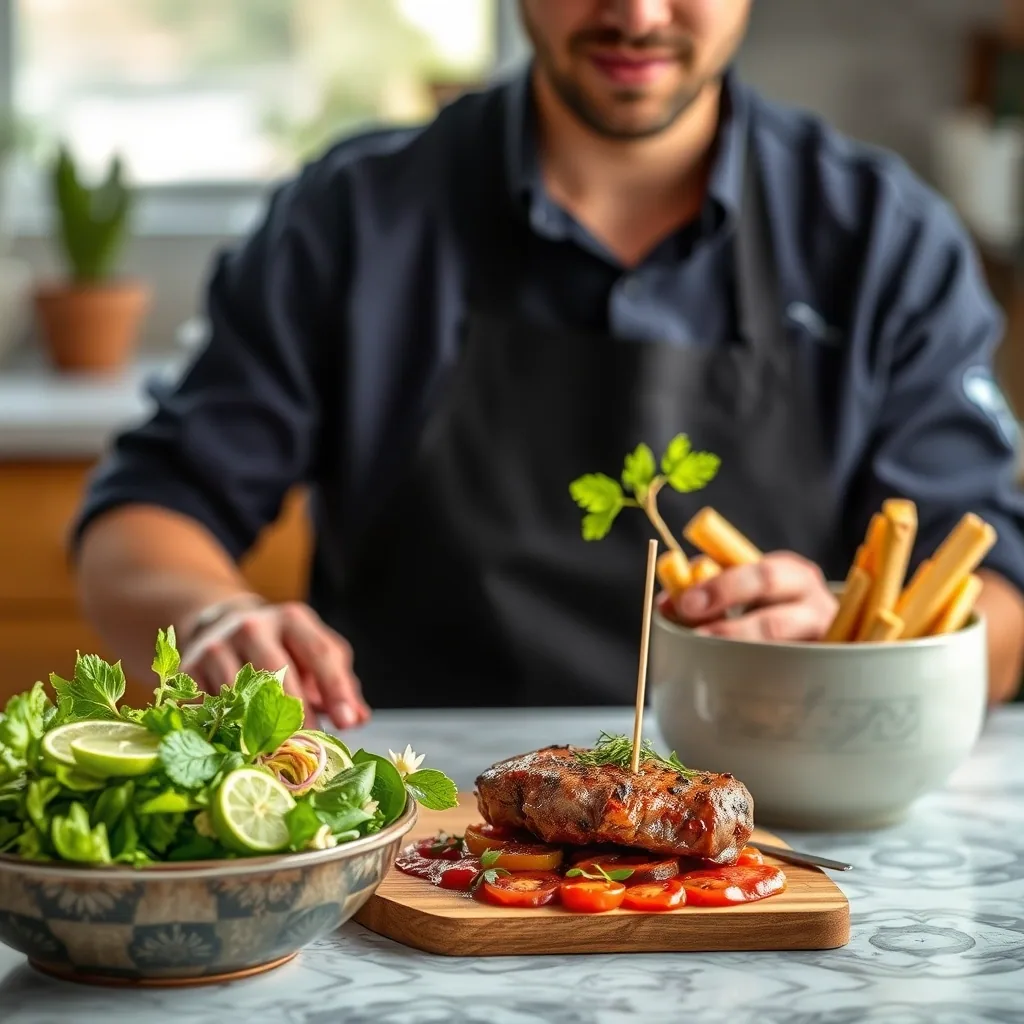
Imagine the comforting aroma of a rich, homemade tomato sauce simmering on the stove, ready to elevate any dish. 🍅 I’m excited to share Stanley Tucci’s Maria Rosa sauce recipe, a blend of simple ingredients that brings warmth and Italian tradition to your kitchen.
This sauce is a breeze to make, requiring just tomatoes, garlic, and a touch of cream. It’s the perfect balance of tangy and creamy, making it a must-have for any pantry. Plus, it stores beautifully in the fridge or freezer for later use!
Once you try this sauce, you’ll be hooked on its velvety texture and robust flavor. It’s an easy way to add a touch of Italian comfort to your meals. Let’s get cooking and whip up this delightful sauce! 🌟
Ingredients for stanley tucci maria rosa sauce
Gather these fresh ingredients to create Stanley Tucci’s delicious Maria Rosa sauce at home.
| Ingredient | Amount | Notes |
|---|---|---|
| Canned San Marzano Tomatoes 🍅 | 28 oz | Quality brand for best flavor |
| Garlic Cloves 🧄 | 4 cloves | Minced for robust taste |
| Heavy Cream 🥛 | ½ cup | For creaminess and richness |
| Olive Oil 🫒 | 2 tbsp | Extra-virgin for depth |
| Salt 🧂 | 1 tsp | Kosher or sea salt preferred |
| Black Pepper 🌶️ | ½ tsp | Freshly ground for best flavor |
| Fresh Basil Leaves 🌿 | ½ cup | Chopped for garnish |
[recipe_ingredient_scaler]
You can find these ingredients at your local grocery store or specialty Italian markets. Look for high-quality San Marzano tomatoes for the best flavor. Extra-virgin olive oil can be sourced from brands like California Olive Ranch or Colavita, which offer rich, flavorful options. Fresh basil is often available at farmers' markets.
If you don't have San Marzano tomatoes, any quality canned whole tomatoes will work—just avoid those with added preservatives. For a lighter sauce, substitute half-and-half for heavy cream. Fresh garlic is key, but you can use garlic powder in a pinch—just adjust to taste. Aim for freshly ground black pepper for a more robust flavor.
Store leftover sauce in an airtight container in the fridge for up to 5 days. You can also freeze it in small portions for up to 3 months—great for quick meals later. To reheat, gently warm on the stove and stir well before serving.
Step-by-Step Instructions for Stanley Tucci’s Maria Rosa Sauce
Follow my detailed guide to create a rich, comforting Maria Rosa sauce inspired by Stanley Tucci.
👨🍳 Step 1: Sauté the Aromatics Until Fragrant
I start by heating a large skillet over medium heat and adding 2 tablespoons of olive oil. Once the oil shimmers, I toss in 1 finely chopped onion and 3 minced garlic cloves. You’ll want to sauté these for about 5-7 minutes, stirring occasionally, until the onion becomes translucent and the garlic is aromatic.
As the onions cook, watch for that sweet aroma wafting through the kitchen—this means you’re on the right track! I always recommend cooking them slowly; this way, they caramelize beautifully instead of browning too quickly. This step builds the flavor foundation of your sauce.
🍅 Step 2: Add the Tomatoes and Simmer
Next, I add in 1 can (28 ounces) of crushed tomatoes along with 1 teaspoon of salt, ½ teaspoon of black pepper, and a pinch of red pepper flakes for a hint of heat. Stir everything together and bring it to a gentle simmer. I let it cook uncovered for about 15-20 minutes, allowing the flavors to meld.
You’ll notice the sauce thickening as it simmers—this is exactly what you want. The colors will deepen, and it should smell incredible! If at any point it starts to bubble too vigorously, I lower the heat to maintain a gentle simmer.
🥘 Step 3: Incorporate the Cream for Richness
After simmering, I stir in 1 cup of heavy cream, which transforms the sauce into a luscious, creamy delight. At this stage, I also add 1 tablespoon of freshly chopped basil and adjust the seasoning with more salt and pepper if needed. Cook this mixture for an additional 5 minutes, stirring frequently.
The cream will lighten the sauce’s color and give it a velvety texture. You’ll want to keep an eye on it—when you see it just starting to bubble, that’s your cue to take it off the heat. The sauce should be smooth and creamy, coating the back of a spoon perfectly.
⏰ Step 4: Finish with Fresh Herbs and Serve
Once off the heat, I like to stir in another handful of fresh basil for brightness. This final touch really elevates the flavor profile. Let the sauce sit for a couple of minutes while you prepare your pasta—this allows the flavors to settle and intensify.
I typically serve this sauce over al dente pasta; however, it pairs wonderfully with chicken or seafood too. When plating, make sure to spoon a generous amount over your pasta, ensuring every bite is covered in that luscious sauce. The vibrant colors and aroma will have everyone eager to dig in!
🍽️ Step 5: Enjoy Your Homemade Maria Rosa Sauce
Now that your sauce is ready, it’s time to enjoy it! I always recommend topping it with freshly grated Parmesan cheese and a sprinkle of extra basil for presentation. The combination of flavors from the rich sauce and cheese is simply divine.
Serve immediately while hot, and watch as everyone gathers around the table. Each bite should deliver a comforting taste of Italy that embodies warmth and satisfaction. Trust me; this homemade Maria Rosa sauce will become a staple in your kitchen!
Regional Styles of This Dish
Texas Style: Central Texas focuses on simple salt-and-pepper rubs because the quality of the meat speaks for itself. The brisket is typically cooked low and slow at temperatures around 225-250°F using post oak wood, which imparts a subtle smokiness. The goal is to achieve a perfect bark while maintaining juicy, tender meat. This style often skips heavy sauces, allowing the natural flavors to shine through, highlighting the region’s pride in its beef. 🗺️
Carolina Style: In Eastern Carolina, vinegar-based sauces reign supreme, emphasizing tanginess over sweetness. Pork is the star here, especially whole hog barbecue, which is cooked at lower temperatures around 225°F for hours until it’s fall-off-the-bone tender. Wood choice often includes hickory or oak, which enhances the smoky flavor. The finishing sauce, made from vinegar, black pepper, and spices, is drizzled over the pulled pork, balancing richness with acidity. 🔥
Memphis Style: Memphis barbecue is famous for its dry rubs, typically featuring a mix of sugar, paprika, and various spices that create a flavorful crust on ribs and pulled pork. Ribs are often cooked using indirect heat at about 225°F, resulting in a tender bite. This style embraces both dry and wet preparations—dipped in a tomato-based sauce before serving. The emphasis on balance between spice and sweetness showcases the region’s culinary creativity. 🗺️
Kansas City Style: Known for its rich, thick sauces that are both sweet and tangy, Kansas City barbecue utilizes a variety of meats including brisket, pork ribs, and burnt ends. Cooking occurs at higher temperatures around 250-275°F, often using hickory wood for deep flavor. This style emphasizes a two-step process: smoking the meat first and then glazing it with a sauce in the last hour of cooking, resulting in a sticky, caramelized finish that defines Kansas City barbecue culture.
Alabama Style: Unique to the South, Alabama barbecue features a distinctive white sauce made from mayonnaise, vinegar, and spices. This sauce is typically served with smoked chicken or pork and provides a creamy contrast to the smoky flavor of the meat. Cooking usually involves indirect heat at around 250°F, often with hickory or pecan wood. The combination of smoky meat with tangy white sauce sets this style apart and highlights Alabama’s innovative approach to barbecue. 🔥
Nutrition Facts
120kcal
[recipe_ingredient_scaler]

Trained in classic French technique but raised on slow-cooked ribs and spicy rubs, she blends culinary skill with smoke and soul.
- Recipe for Boneless Pork Chops in Cast Iron Skillet: Sear and Baste to Juicy Perfection - October 3, 2026
- Recipe for Boneless Cross Rib Roast: Slow-Roasted Beef with Herb Crust - October 3, 2026
- Hamburgers in Sauce Recipe Crock Pot: Slow-Cooked Savory Delight - October 3, 2026