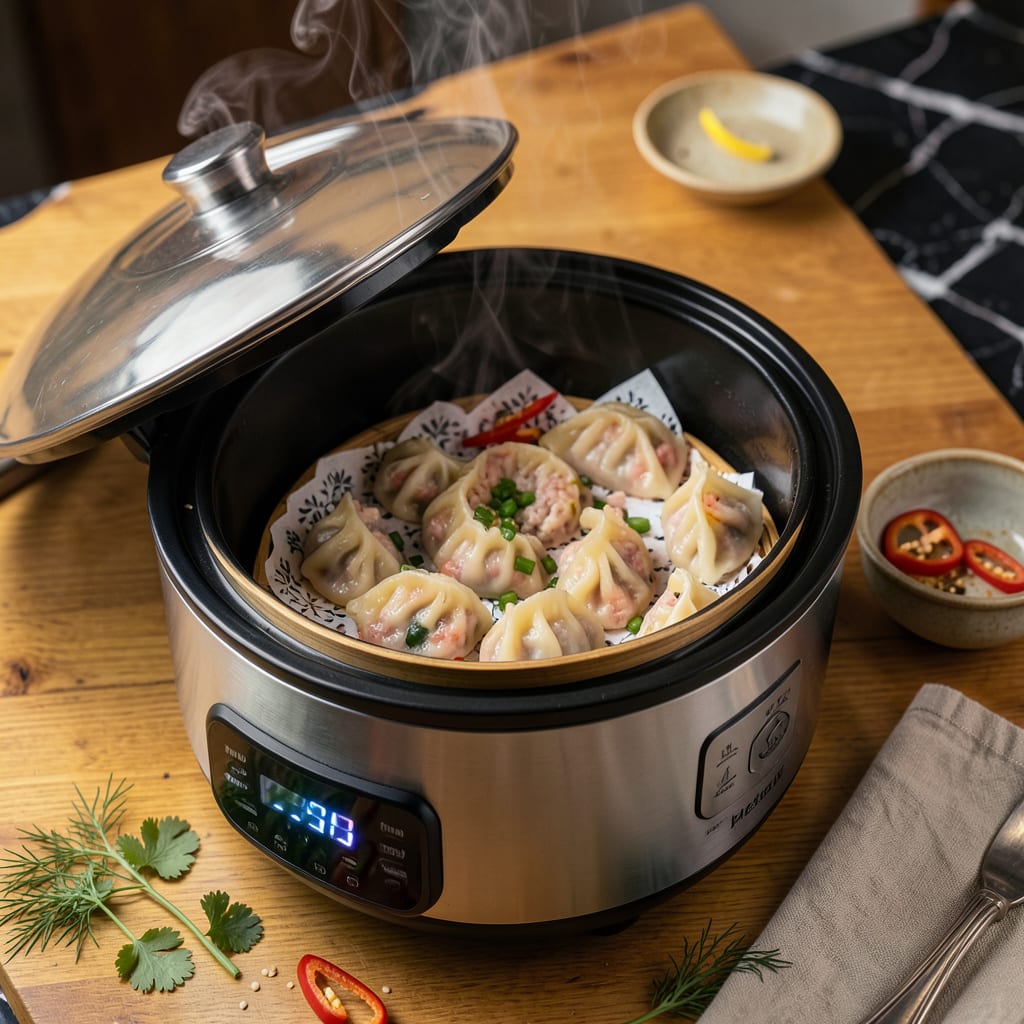
Here’s the thing—I never thought my rice cooker could pull double duty until I discovered this game-changing way to steam dumplings. No special equipment, no complicated setups, just perfectly tender dumplings with that classic translucent wrapper and juicy filling every time. I’ve burned through my share of failed attempts (including one memorable evening with a bamboo steamer disaster), but this method is genuinely foolproof.
The beauty of using a rice cooker is how hands-off it becomes. While the cooker does its magic, you’re free to whip up a quick dipping sauce or set the table. I’ve tested this with both homemade and store-bought wrappers, and as long as you arrange them properly (more on that later), you’ll get that ideal chewy texture without any sticking. 15 minutes of active prep, then let the machine handle the rest.
What comes out isn’t just edible—it’s restaurant-quality. The dumplings emerge plump and glossy, their wrappers delicate but sturdy enough to hold all that flavorful filling. I like to make extra and freeze them for those nights when I want dumplings faster than takeout can deliver. The rice cooker method actually reheats them better than any microwave.
Fair warning: once you try this, you’ll never go back to complicated steaming setups. Whether you’re making pork and chive, shrimp and cabbage, or even sweet red bean versions, the rice cooker delivers consistent results. All you need is water, wrappers, and your favorite filling—let’s get those dumplings steaming.
📚 In This Guide
- What You’ll Need
- Instructions
- Tips and Common Mistakes
What Youll Need
- ● Rice cooker (minimum 3-cup capacity, with a steaming tray or basket 🥘)
- ● 12–16 frozen or fresh dumplings (e.g., pork, veggie, or shrimp—check package for thawing instructions)
- ● 1–1.5 cups water (adjust based on rice cooker size; just enough to create steam)
- ● Cooking oil spray or 1 tsp neutral oil (like avocado or vegetable oil) to prevent sticking
- ● Tongs or silicone spatula (for safe dumpling removal ⚠️)
- ● Parchment paper (cut into circles to line the steamer tray for zero cleanup ✨)
- ● Dipping sauces (soy sauce, chili oil, or vinegar with garlic 🌶️)
- ● Kitchen timer (if your rice cooker lacks a steam setting ⏰)
- ● Chopsticks or toothpicks (to poke-test dumpling doneness)
Instructions
This method couldn’t be simpler—just follow these steps for perfectly steamed dumplings with zero guesswork.
Prepare Your Rice Cooker for Steaming
Start by filling your rice cooker’s inner pot with 1-2 cups of water, depending on your cooker’s size. The water should come up to just below the steaming rack or basket. I’ve found that most standard rice cookers work best with about 1½ cups of water for this purpose.
Place the steaming rack or basket inside the cooker, making sure it sits level and doesn’t touch the water. If your rice cooker didn’t come with a steaming rack, you can use a heat-safe plate or small metal colander that fits inside. The key is creating space between the dumplings and the water to allow proper steam circulation.
Arrange the Dumplings for Even Cooking
Line your steaming rack with parchment paper or cabbage leaves to prevent sticking. I prefer parchment because it’s more reliable, but cabbage leaves add a nice subtle flavor. Arrange the dumplings in a single layer, leaving about ½ inch of space between each one.
Don’t overcrowd the steamer—this is crucial. If your dumplings touch each other, they’ll stick together and steam unevenly. For most rice cookers, you’ll be able to fit about 8-12 dumplings comfortably in one batch. If you’re making more, you’ll need to steam them in batches.
Steam with Perfect Timing
Close the rice cooker lid and set it to the “Steam” or “Cook” function. If your cooker doesn’t have a specific steam setting, just use the regular cooking function. Let the dumplings steam for 10-12 minutes—this is the sweet spot for most frozen or fresh dumplings.
Here’s how to tell they’re done: the wrappers will become translucent, and you’ll see the filling plump up slightly. If you’re using frozen dumplings, you might need an extra 2-3 minutes. Don’t open the lid during cooking—this releases all the precious steam and can make your dumplings dry out.
Rest and Serve for Best Texture
When the cooking cycle completes, let the dumplings rest in the covered rice cooker for 2-3 minutes. This brief rest time allows the wrappers to firm up slightly, making them less likely to tear when you remove them. It also lets the filling set properly.
Use a pair of tongs or a spatula to carefully transfer the dumplings to a serving plate. They’ll be hot and delicate, so work gently. Serve immediately with your favorite dipping sauce—I love a simple mix of soy sauce, rice vinegar, and a dash of sesame oil. The dumplings should have a tender wrapper that’s slightly chewy with a perfectly cooked filling inside.
Tips and Common Mistakes
Mastering this technique is all about understanding the small details that make a big difference. Here’s what I’ve learned from perfecting this method over countless batches.
Water Level Precision: In Step 1, the 1½ cups of water recommendation isn’t arbitrary—it creates the ideal steam environment. Too little water evaporates before cooking completes, while too much can make dumplings soggy. I always check that the water level stays just below the steaming rack throughout the process. For larger rice cookers, you might need up to 2 cups, but start with 1½ and adjust based on your cooker’s performance.
Arrangement Strategy: The ½ inch spacing in Step 2 isn’t just about preventing sticking—it ensures even steam circulation. When dumplings touch, they create microclimates where some cook faster than others. I use the “clock face” method: place one dumpling at 12 o’clock, then work clockwise with equal spacing. This also helps you remember which ones went in first if steaming in batches.
Timing Nuances: During the 10-12 minute steaming in Step 3, resist the urge to peek—every time you lift the lid, you lose precious heat and add 1-2 minutes to your cooking time. For frozen dumplings, I set my timer for 12 minutes, then check for that perfect translucent wrapper appearance. The extra 2-3 minutes mentioned in the instructions makes all the difference between a cold center and perfectly cooked filling.
Resting Importance: Those 2-3 minutes of resting time in Step 4 aren’t optional. I learned this the hard way when my first few batches tore apart upon removal. The brief rest allows the wrapper’s starches to set, creating that ideal slightly chewy texture. It also lets the filling redistribute its juices, preventing that first bite from being a scalding hot surprise.
Pro Tips for Steam Dumplings In Rice Cooker
- Mastering this technique is all about understanding the small details that make a big difference. Here’s what I’ve le…
- Water Level Precision: In Step 1, the 1½ cups of water recommendation isn’t arbitrary—it creates the ideal steam envi…
- Arrangement Strategy: The ½ inch spacing in Step 2 isn’t just about preventing sticking—it ensures even steam circula…
Frequently Asked Questions
Can I use frozen dumplings in a rice cooker?
Just add 2-3 extra minutes to the cooking time. No need to thaw—place them frozen in the steamer basket (leave space between dumplings). For best results, spray lightly with oil to prevent sticking. Check for doneness by cutting one open—the filling should be piping hot (165°F).
How long does it take to steam dumplings in a rice cooker?
Most fresh or thawed dumplings cook in 10–15 minutes on the “Steam” setting. Frozen? Add 3–5 minutes. Pro tip: Start checking at 10 minutes—overcooking can make wrappers gummy. If your cooker lacks a steam function, use the “White Rice” setting and add 5 minutes.
What if my rice cooker doesn’t have a steamer basket?
No basket? No problem! Line the cooker’s inner pot with parchment paper (poke holes for steam) or use a heat-safe plate elevated on chopsticks or a small bowl. Add 1.5 cups water below, then steam as usual. Avoid metal substitutes—they can damage non-stick pots.
Why did my dumplings stick to the basket or tear?
Sticking happens if the basket isn’t greased or dumplings touch. Lightly brush the basket with oil before adding dumplings, and leave a ½-inch gap between them. Tearing? Overcrowding or low water are common culprits—ensure the cooker has enough water (check the manual for steam levels).
Can I cook other foods with dumplings in the rice cooker?
Yes! Try steaming veggies (bok choy, carrots) or proteins (chicken, fish) alongside dumplings. Place heartier items (like potatoes) at the bottom of the basket and delicate dumplings on top. Avoid strong-smelling foods (like cabbage)—they can flavor your dumplings!
Who knew your trusty rice cooker could double as a dumpling-steaming superstar? 🥟 With minimal effort and zero fancy equipment, you’ve just unlocked a game-changing way to enjoy tender, juicy dumplings—without babysitting a pot. Whether you’re meal prepping, whipping up a quick snack, or impressing guests, this method delivers foolproof results every time.
Ready to level up? Try experimenting with different fillings (hello, spicy pork or veggie tofu!) or serve your dumplings with a homemade dipping sauce. Your next dumpling adventure starts with just one click—grab that rice cooker and get steaming!

Trained in classic French technique but raised on slow-cooked ribs and spicy rubs, she blends culinary skill with smoke and soul.
- Recipe for Boneless Leg of Lamb Roast in the Oven: Herb-Crusted and Rosy Pink Inside - October 3, 2026
- Meat Loaf Recipe With Beef And Pork: Homestyle Blend With Rich Gravy - October 3, 2026
- Hamburger Patty Recipe No Egg: Juicy Bind With Breadcrumbs and Milk - October 3, 2026