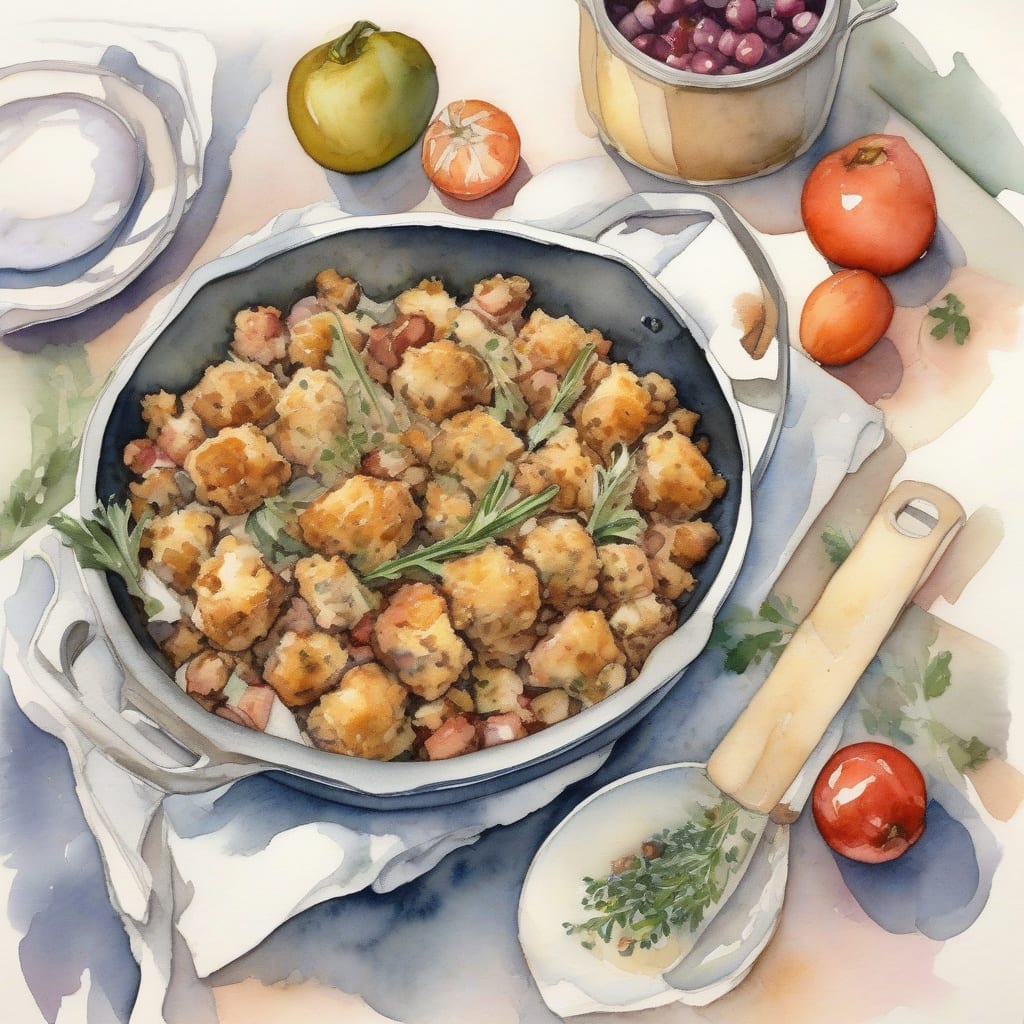
I’m about to share my favorite stovetop stuffing recipes that’ll elevate your holiday meal. 🔥 From classic herb and butter to bold sausage and apple, these creative twists on a traditional favorite will become new family traditions.
What makes these recipes special is their versatility – you can customize with your favorite ingredients. I provide detailed cooking instructions, including prep steps, cooking times, and serving suggestions to ensure perfect results every time.
Let’s explore different flavor variations together. Whether you’re looking for a simple bread-based stuffing or something more adventurous like cornbread with jalapeño, I’ve got you covered.
Ingredients for stovetop stuffing recipe ideas
These simple ingredients come together to create delicious stovetop stuffing recipes for the holidays.
| Ingredient | Amount | Notes |
|---|---|---|
| Bread Cubes 🍞 | 4 cups | Stale bread works best |
| Butter 🧈 | 4 tbsp | Unsalted, melted |
| Onion 🧅 | 1 whole | Finely chopped |
| Celery 🥕 | 2 stalks | Diced |
| Fresh Sage 🌿 | 2 tbsp | Chopped |
| Poultry Seasoning 🧂 | 1 tsp | Or to taste |
| Salt 🧂 | ½ tsp | Kosher salt preferred |
| Black Pepper 🌶️ | ¼ tsp | Freshly ground |
| Chicken Broth 🍲 | 1 cup | Low sodium |
| Sausage 🥩 | 1 lb | Cooked, crumbled |
| Dried Cranberries 🍊 | ½ cup | Optional, for sweetness |
[recipe_ingredient_scaler]
You can find most ingredients at your local grocery store. For best results, use high-quality bread—stale bread works perfectly. Consider visiting specialty stores like Whole Foods for unique sausage varieties. Look for fresh herbs with vibrant color and avoid wilted celery.
For a vegetarian version, omit the sausage and add extra vegetables like mushrooms or bell peppers. You can substitute dried herbs for fresh if needed, using one-third the amount. If you prefer cornbread stuffing, simply replace bread cubes with crumbled cornbread.
Store leftover stuffing in an airtight container in the refrigerator for up to 3 days. Reheat gently on the stovetop with a splash of broth to maintain moisture. You can also freeze individual portions for up to 1 month—thaw overnight in the fridge before reheating.
Step-by-Step Instructions for Stovetop Stuffing
I’ll guide you through creating a delicious stovetop stuffing with a perfect balance of flavors and textures.
👨🍳 Step 1: Prepare the Aromatics and Bread
Start by melting 2 tablespoons of butter in a large skillet over medium heat. Add the finely chopped onion and diced celery, cooking for 5-7 minutes until they’re softened and fragrant. You’ll know they’re ready when they release their aroma and start to caramelize slightly.
While the aromatics cook, toast the bread cubes in a 350°F oven for 5-7 minutes, or until they’re lightly browned and crispy. This step enhances the texture of your stuffing. Once toasted, set the bread aside to cool slightly.
🍳 Step 2: Cook the Sausage and Combine Ingredients
In the same skillet used for the aromatics, add the crumbled cooked sausage and cook over medium heat for 2-3 minutes, stirring frequently, until it’s lightly browned. This step adds a savory flavor to your stuffing.
In a large mixing bowl, combine the toasted bread cubes, cooked sausage and aromatics mixture, chopped fresh sage, poultry seasoning, kosher salt, and freshly ground black pepper. Toss gently to distribute the ingredients evenly.
🥘 Step 3: Add Liquid and Finish the Stuffing
Pour the melted butter over the bread mixture and toss to coat. Then, gradually add the chicken broth, stirring gently to ensure the bread absorbs the liquid evenly. If using dried cranberries, fold them in at this stage to distribute their sweetness throughout the stuffing.
Cook the stuffing in a large skillet over medium-low heat, stirring frequently, until it’s heated through and reaches your desired consistency. This should take about 5-7 minutes. The stuffing is ready when it’s warm, fragrant, and has absorbed the flavors of the other ingredients.
⏰ Step 4: Serve and Enjoy
Transfer the stovetop stuffing to a serving dish and garnish with additional fresh sage if desired. Serve hot alongside your favorite main courses. The stuffing should be moist but not soggy, with a balance of savory and slightly sweet flavors.
As you serve, notice the aroma of sage and sausage filling the air, complementing the warm, comforting bread. Each bite should have a nice balance of textures, from the crispy edges to the soft center.
Stovetop stuffing is a versatile side dish that can be tailored to suit various tastes and cuisines. Here are some creative stovetop stuffing recipe ideas to spice up your meal: 🌟
Global Inspirations
- Mexican Stovetop Stuffing: Add diced jalapeños, chorizo, and cilantro to give your stuffing a spicy kick 🌶️
- Italian-Style Stovetop Stuffing: Mix in chopped sun-dried tomatoes, Italian sausage, and fresh basil for a Mediterranean twist 🍝
- Indian-Inspired Stovetop Stuffing: Blend in cooked chickpeas, diced mango, and a hint of cumin for a flavorful and aromatic stuffing 🍛
You can also experiment with different types of bread and grains, such as cornbread, sourdough, or quinoa, to change up the texture and flavor of your stovetop stuffing. Feel free to get creative and make it your own! 🎨
Protein-Packed Options
Add some protein-rich ingredients to make your stovetop stuffing more satisfying:
- Cooked sausage or bacon for a hearty, meaty flavor 🍖
- Diced chicken or turkey for a leaner protein boost 🍗
- Tofu or tempeh for a plant-based protein option 🌱
These stovetop stuffing recipe ideas will inspire you to create a delicious and memorable side dish that complements your main course perfectly. So, don’t be afraid to experiment and find your new favorite flavor combinations!
Tips & Tricks for Perfect Stovetop Stuffing
These tried-and-tested tips will help you achieve delicious stovetop stuffing with perfect texture and flavor every time.
Bread Selection: For the best results, use a rustic bread or a day-old baguette cut into 1-inch cubes. The bread should be sturdy enough to hold its texture during cooking. I prefer using a combination of white and whole wheat bread for a balanced flavor.
Sausage Preparation: Cook the sausage ahead of time and crumble it into small pieces. This ensures even distribution throughout the stuffing. If using a particularly fatty sausage, you may want to drain some of the excess fat before adding it to the mixture.
Liquid Management: Start with 1 cup of chicken broth and add more as needed to achieve your desired consistency. The stuffing should be moist but not soggy. If you’re using dried cranberries, they will absorb some of the liquid, so adjust accordingly.
Flavor Enhancement: Don’t be shy with the fresh sage – it adds a wonderful aroma and flavor. You can also customize the recipe by adding other herbs like thyme or rosemary to suit your taste. 🔥
Nutrition Facts
380kcal
[recipe_ingredient_scaler]

Trained in classic French technique but raised on slow-cooked ribs and spicy rubs, she blends culinary skill with smoke and soul.
- Recipe for Boneless Pork Chops in Cast Iron Skillet: Sear and Baste to Juicy Perfection - October 3, 2026
- Recipe for Boneless Cross Rib Roast: Slow-Roasted Beef with Herb Crust - October 3, 2026
- Hamburgers in Sauce Recipe Crock Pot: Slow-Cooked Savory Delight - October 3, 2026