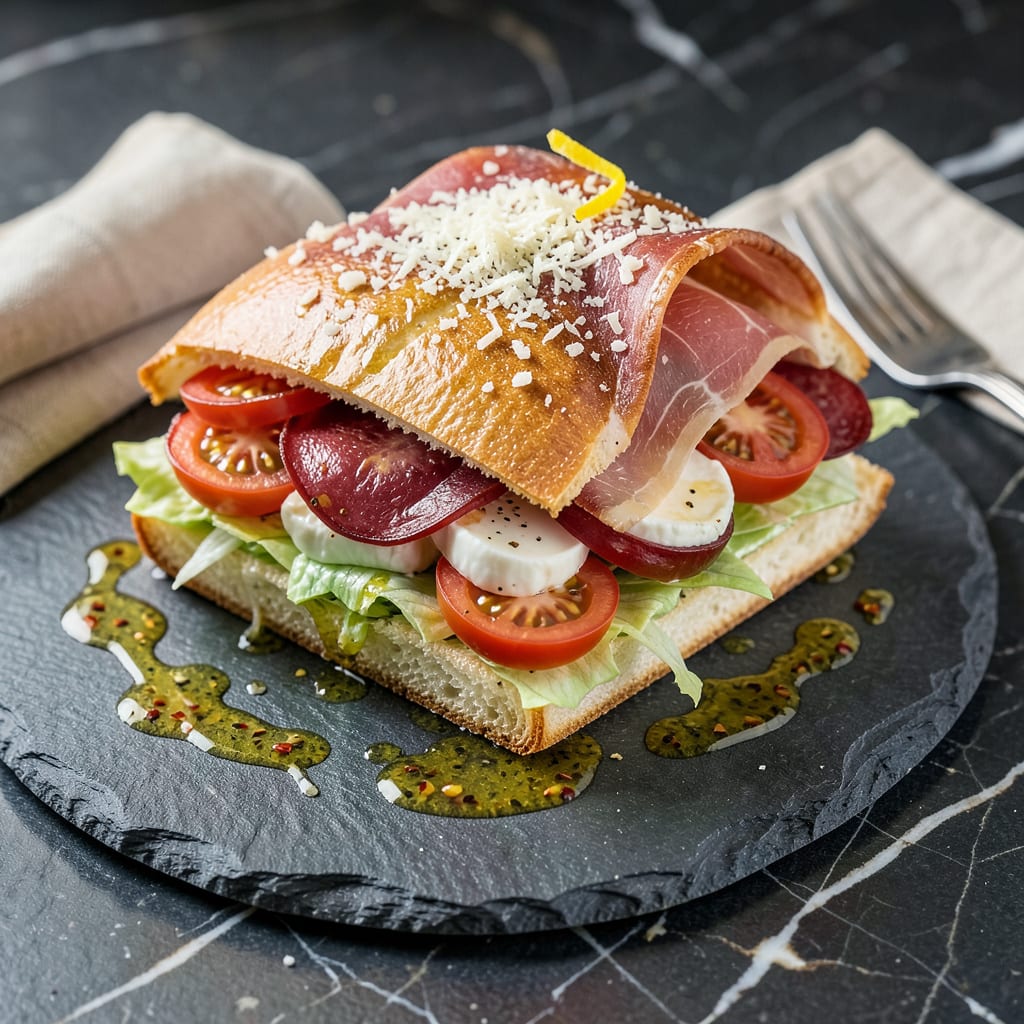
Suburpia sub oil is a flavorful Italian-American condiment made with olive oil, garlic, oregano, red pepper flakes, and dried herbs. It’s infused for 24+ hours to create a bold, aromatic drizzle perfect for subs, pizzas, and grilled meats.
This isn’t just another flavored oil—it’s a game-changer for sandwich lovers and home cooks. 🔥 The secret lies in the slow infusion process, where garlic and herbs release their essential oils into the base, creating layers of complexity. I’ve found that using high-quality extra virgin olive oil makes a noticeable difference, while the red pepper flakes add just enough heat to balance the earthy oregano. What’s fascinating is how this simple blend transforms ordinary dishes into restaurant-worthy creations with minimal effort.
💡 In This Article
- Key Ingredients That Define Authentic Suburpia Oil
- Step-by-Step Infusion and Storage Tips for Suburpia Oil
Key Ingredients That Define Authentic Suburpia Oil
The foundation of this oil starts with extra virgin olive oil—but not just any bottle. I recommend a robust, peppery variety with a smoke point around 375°F, like California Mission or Tuscan blends. These oils have higher polyphenol content, which helps extract and preserve the herb flavors during infusion.
The garlic is where the magic happens: fresh cloves (not powder) release allicin when crushed, creating that signature pungent aroma that mellows beautifully over time.
Herb ratios make or break the balance. Traditional recipes use 1 part oregano to 2 parts basil, but I’ve found adding ½ part thyme deepens the complexity. The red pepper flakes aren’t just for heat—they contain capsaicin that slowly dissolves into the oil, creating a lingering warmth.
Sicilian versions often include sun-dried tomatoes for umami, while Philly-style blends might add fennel seeds for an anise note. 🌟
Timing is everything with garlic infusion. Add crushed cloves to room-temperature oil first—the enzymes need 30-60 minutes to fully develop before heating. Warm infusion (never boiling!) at 180°F for 2 hours extracts maximum flavor without bitterness.
I learned this the hard way when my first batch turned bitter from overheating—now I use a candy thermometer to monitor precisely.
The dried herbs should be added during the last 30 minutes of infusion to prevent them from becoming grassy. Whole herbs release their essential oils gradually, while ground versions can make the oil cloudy.
For the pepper flakes, ½ teaspoon per cup of oil gives medium heat—adjust to taste, but remember the heat will intensify as it sits. 🔥
What most people overlook is the oil’s acidity level. A touch of lemon zest (about 1 strip per 2 cups) brightens the flavors and helps preserve the oil. The zest’s natural citral compounds interact with the garlic’s sulfur notes, creating a more rounded aroma.
This is why restaurant versions often taste more complex than homemade attempts.
Regional water quality affects the final product too. Hard water can make the oil separate faster, while soft water helps emulsify the flavors. In coastal areas, some cooks add a pinch of sea salt to enhance the herbs’ natural oils.
The difference between a good batch and a great one often comes down to these small, intentional adjustments. ✨
For those who love experimenting, try toasting the pepper flakes and fennel seeds briefly before adding to the oil. This Maillard reaction creates nutty undertones that pair beautifully with the garlic’s sweetness. Just 30 seconds in a dry pan makes all the difference—trust me, your taste buds will notice the extra layer of depth. 💫

Trained in classic French technique but raised on slow-cooked ribs and spicy rubs, she blends culinary skill with smoke and soul.
- Recipe for Boneless Pork Chops in Cast Iron Skillet: Sear and Baste to Juicy Perfection - October 3, 2026
- Recipe for Boneless Cross Rib Roast: Slow-Roasted Beef with Herb Crust - October 3, 2026
- Hamburgers in Sauce Recipe Crock Pot: Slow-Cooked Savory Delight - October 3, 2026