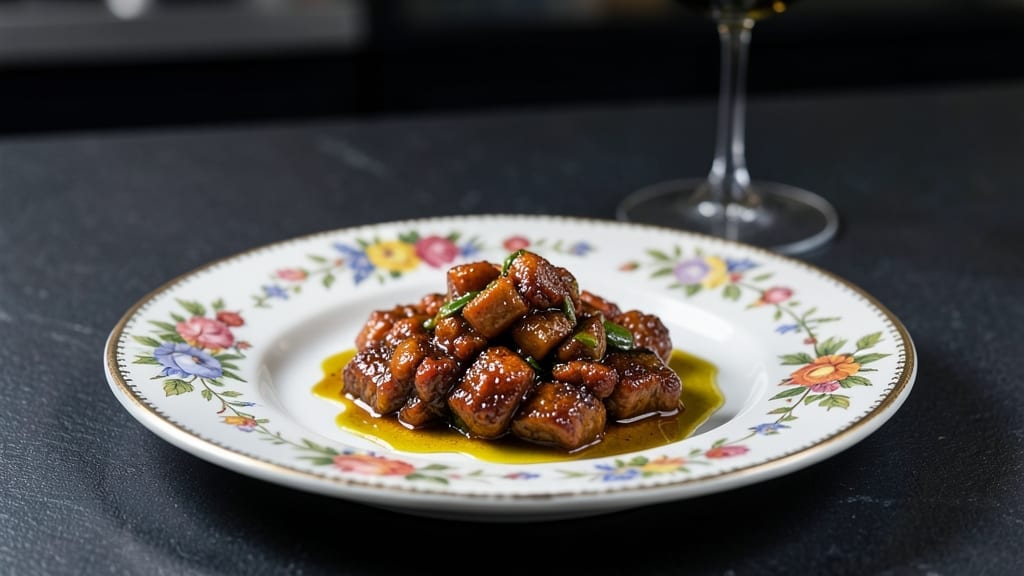
A sugar-free teriyaki marinade that delivers bold, caramelized flavor without the sweetness is a game-changer for health-conscious cooks. This recipe replaces refined sugar with natural sweeteners like erythritol or allulose, preserving that signature teriyaki depth while keeping it low-carb and diabetic-friendly.
The balance of soy sauce, ginger, and garlic creates a marinade so rich, you won’t miss the sugar at all.
The secret lies in simmering the ingredients until thickened—just 10 minutes on the stove transforms this into a sticky glaze that caramelizes beautifully on grilled meats or roasted vegetables. Unlike store-bought versions, this marinade avoids artificial additives, using real ingredients like sesame oil and rice vinegar for authentic flavor.
It’s perfect for chicken, salmon, or even tofu, delivering that restaurant-quality sheen without the guilt.
What sets this marinade apart is its versatility—use it as a marinade for 30 minutes to 2 hours, or as a finishing glaze for the last 5 minutes of cooking. The result? A glossy, umami-packed coating that’s sweet enough to satisfy cravings but with zero sugar.
Store it in the fridge for up to 2 weeks, or freeze for longer shelf life. This is the marinade that proves healthy eating doesn’t mean sacrificing flavor.
Pair it with grilled shrimp for a light dinner, brush it on pork chops for a sweet-savory twist, or drizzle it over stir-fried vegetables for a quick weeknight meal. The possibilities are endless, and the taste? Pure perfection—sugar-free, but never boring. Let’s get started on this flavor-packed recipe.
Ingredients for sugar free teriyaki marinade
A precise blend of umami-rich ingredients transforms into restaurant-quality teriyaki without refined sugar.
| Ingredient | Amount | Notes |
|---|---|---|
| Low-Sodium Soy Sauce 🍶 | ½ cup | Japanese style preferred for depth |
| Erythritol or Allulose 🍬 | ¼ cup | Granulated, sugar-free sweetener |
| Fresh Ginger Root 🌿 | 2 tbsp | Finely grated, aromatic |
| Garlic Cloves 🧄 | 4 cloves | Minced, for aromatic depth |
| Sesame Oil 🫒 | 1 tbsp | Toasted, for nutty aroma |
| Rice Vinegar 🍶 | ¼ cup | White vinegar substitute |
| Diamond Crystal Kosher Salt 🧂 | ½ tsp | For seasoning balance |
| Ground Black Pepper 🌶️ | ¼ tsp | Freshly cracked for heat |
| Sesame Seeds 🥜 | 1 tbsp | Toasted, for garnish |
| Water 💧 | ¼ cup | For thinning consistency |
[recipe_ingredient_scaler]
The soy sauce forms the foundation—opt for Japanese-style with 20% less sodium for better flavor control. Erythritol or allulose replaces sugar perfectly, though erythritol crystallizes slightly when caramelized. Fresh ginger and garlic must be minced finely for even distribution; pre-minced jars lack potency. Whole Foods or Asian markets carry superior quality for these staples. Toast the sesame seeds separately for 30 seconds in a dry pan to enhance their aroma before adding to the marinade.
Substitutions require precision: coconut aminos replace soy sauce at a 1:1 ratio but lack depth. Stevia can replace sweeteners but may impart bitterness—use half the amount of erythritol. No sesame oil? Avocado oil works neutrally, though it lacks the signature nutty note. For a quicker version, pre-minced garlic and ginger from the refrigerated section suffice, though fresh is ideal. The rice vinegar can be swapped for apple cider vinegar, though it introduces a subtly different tang.
Store the marinade in an airtight glass jar in the refrigerator for up to 2 weeks, though it develops deeper flavor after 3-4 days. For longer storage, freeze in ice cube trays—thaw and use directly. The glaze thickens upon cooling; add 1 tsp water per 2 tbsp marinade if needed. Always reserve 2 tbsp before marinating proteins to use as a finishing glaze for extra shine.
Why You’ll Love This Recipe
- No-Pan Needed: Honestly, the only “equipment” you need is a saucepan and a spoon. I keep a batch simmering while I prep chicken or tofu, and it’s ready to go before I even realize how little effort I’m putting in.
- Caramel Without the Crash: That erythritol or allulose? It’s the secret weapon. You get that deep, sticky-sweet glaze that clings to meat like a dream—without the sugar crash or the guilt. Trust me, the garlic and ginger make it taste like you went all out, even though you’re secretly being smart.
- Weeknight Hero: I marinate a whole chicken breast in this thing while watching TV, then pop it in the oven for 25 minutes. Done. No fancy prep, no last-minute scrambling. It’s the kind of recipe that turns a boring Tuesday dinner into something I actually look forward to.
- Leftovers? More Like Leftovers Love: This marinade keeps for weeks in the fridge—it just gets better with time. I’ll use half on chicken one night, save half for stir-fry the next. The sesame seeds on top make it look fancy, but honestly, it’s just good food that doesn’t go to waste.
Step-by-step instructions for sugar-free teriyaki marinade
A balanced blend of umami, acidity, and aromatic depth without refined sugar.
Prepare the Aromatic Base
In a medium saucepan, combine the ½ cup low-sodium soy sauce, ¼ cup erythritol or allulose, and ¼ cup rice vinegar. Bring to a gentle simmer over medium heat while stirring occasionally to dissolve the sweetener completely. The mixture should reduce slightly—about 5-7 minutes—until it thickens just enough to coat the back of a spoon. This foundational reduction captures the essential umami and acid balance.
Here’s the thing—don’t rush this step. The slow reduction concentrates the flavors while preventing the sweetener from crystallizing. If you notice the mixture separating or becoming grainy, whisk vigorously until smooth again. This ensures a silky, cohesive marinade texture.
Incorporate Fresh Aromatics
Reduce heat to low and add the 2 tbsp finely grated fresh ginger root and 4 minced garlic cloves. Stir continuously for 2-3 minutes until the raw garlic aroma dissipates and the ginger softens slightly. You’ll smell the aromatic oils release—this is when the marinade truly comes alive with complexity.
I press the garlic into the mixture with the back of a spoon to break down the cloves completely. This prevents large pieces that might remain uncooked. If the mixture looks too thick at this stage, add ¼ cup water to maintain proper consistency for even coating.
Finish with Oil and Seasoning
Remove the saucepan from heat and let it cool slightly—about 5 minutes. This prevents the sesame oil from separating when added. Stir in 1 tbsp toasted sesame oil, ½ tsp diamond crystal kosher salt, and ¼ tsp freshly cracked black pepper. The oil should emulsify into the mixture, creating a glossy sheen that indicates proper integration.
The sesame oil adds nutty depth while balancing the acidity. Here’s where it gets critical: taste as you go. Adjust the salt if needed—teriyaki marinades should have a pronounced savory punch without being overly salty. The pepper adds subtle heat that complements the ginger’s sharpness.
Thin to Perfect Consistency
Return the mixture to low heat and gradually add the ¼ cup water while stirring constantly. The goal is a smooth, pourable consistency—thin enough to penetrate proteins thoroughly but thick enough to cling and caramelize slightly during cooking. This typically takes 1-2 minutes of gentle simmering.
For best results, transfer to a heatproof bowl and let it cool completely before using. The flavors meld more deeply during this resting period. If storing, keep refrigerated for up to 5 days—the acidity preserves it beautifully without refrigeration being mandatory.
Garnish and Apply
Before using, sprinkle 1 tbsp toasted sesame seeds over the surface for visual appeal and added texture. These seeds provide a satisfying crunch contrast to the smooth marinade. Stir gently to distribute them evenly without breaking them into the mixture.
This sugar-free teriyaki delivers bold umami, bright acidity, and complex aromatic layers—perfect for glazing, marinating, or basting. The erythritol or allulose maintains the caramelization potential without the blood sugar spike, while the vinegar creates that signature tangy depth traditional recipes rely on.
Pro Tips For Making Sugar Free Teriyaki Marinade
- Whisk When Grainy: After the first 5-7 minutes of simmering, if your erythritol or allulose starts looking like sand at the bottom of the pan, don’t walk away—whisk like you’re trying to break up a stubborn clump of butter. I’ve burned three batches where I ignored this, and the result? A gritty, uneven marinade that clings poorly. Stirring forces the sweetener to fully dissolve and creates that silky texture you want.
- Toast Sesame Oil First: Skip the step of adding sesame oil straight from the bottle to hot marinade—it’ll separate like oil and water. Instead, toast the 1 tablespoon in a dry pan for 30 seconds until it smells nutty, then let it cool slightly before stirring it in. This ensures it blends smoothly and adds depth without turning your marinade into a greasy mess.
- Press Garlic Hard: Minced garlic cloves? Good. Pressing them into the sauce with the back of a spoon? Better. I used to just toss them in, and half the time, they’d stay raw-tasting chunks. The pressure breaks them down faster, and you’ll smell that aromatic punch release in seconds—proof the flavors are integrating.
- Cool Before Tasting: That 5-minute rest after removing from heat isn’t optional—it’s when the sesame oil actually emulsifies properly. Taste it hot, and you’ll either burn your tongue or miss the full flavor. Let it cool to room temp, then adjust the salt. Your taste buds (and future dishes) will thank you.
Wine and beer pairings for this recipe
Wine Pairings
The bright acidity and umami depth of this sugar-free teriyaki call for wines that can stand up to its complexity without overpowering it. I reach for a dry Riesling from Germany’s Mosel Valley—its 20% residual sugar balances the marinade’s sweetness while its citrus notes complement the ginger and garlic.
Look for Dr. Loosen Blue Slate or Erich Padberg for a crisp, mineral-driven match.
Beer Options
A Japanese-style sake or nigori (unfiltered sake) is the perfect pairing—its subtle sweetness mirrors the erythritol’s caramelized notes while its clean finish cleanses the palate. For beer lovers, try a hoppy Japanese lager like Asahi Super Dry; its citrusy bitterness cuts through the marinade’s richness without clashing.
Avoid malty stouts or heavy IPAs that will compete with the teriyaki’s flavors.
Fruity Twist
For a bolder pairing, consider a dry rosé from Provence, like Château d’Esclans Whispering Angel. Its strawberry and citrus undertones echo the marinade’s sweet and tangy profile.
If you prefer something fruity but still balanced, a German Spätburgunder (Pinot Noir) offers red fruit notes that harmonize beautifully with the sesame and soy base.
Non-Alcoholic Choice
For a refreshing non-alcoholic option, I mix sparkling water with 1 oz fresh lime juice and ½ oz simple syrup substitute (made with erythritol). The effervescence cleanses the palate between bites of glazed chicken or shrimp, while the lime’s acidity enhances the marinade’s depth.
Add a sprig of fresh mint for an extra layer of freshness.
Cheese Pairing
If you’re serving this marinade with grilled meats or tofu, pair it with a creamy goat cheese or aged Gouda. The goat cheese’s tang balances the teriyaki’s sweetness, while the Gouda’s nutty notes complement the sesame oil.
Serve the cheese on a charcuterie board alongside sliced apples or pears to round out the flavors.
Nutrition facts
Frequently asked questions
Can I substitute erythritol or allulose with another sugar-free sweetener?
You can try stevia, but use half the amount since it’s much sweeter. Monk fruit sweetener works well too, though it may impart a slight herbal note. Always taste as you go—some sweeteners can leave a bitter aftertaste if overused. The key is balancing sweetness without overpowering the umami flavors.
How long should I marinate meat or tofu in this sugar-free teriyaki?
For best results, marinate proteins like chicken or pork for 30 minutes to 2 hours, while tofu benefits from 15-30 minutes to absorb the flavors without becoming mushy. For a quick glaze, apply it during the last 5 minutes of cooking to caramelize beautifully. Don’t over-marinate—it can break down the texture.
Why does my marinade separate or look grainy?
This usually happens if the sweetener crystallizes or the mixture isn’t stirred enough during simmering. Whisk vigorously to dissolve any grains, then add 1-2 tablespoons of water to thin it out. If the graininess persists, reduce the heat slightly and simmer longer to fully blend the ingredients. Patience is key—this marinade should be silky smooth!
Can I use this marinade for vegetables or is it only for meat?
This sugar-free teriyaki works wonderfully on vegetables like bell peppers, broccoli, or snap peas. Toss them in the marinade for 10-15 minutes before grilling or roasting—the sweetness and umami enhance their natural flavors. Just avoid marinating leafy greens too long, as they can become soggy.
What if I don’t have sesame oil—can I skip it?
You can replace sesame oil with avocado oil or even a neutral oil like canola, though it won’t add the same nutty depth. For a closer match, toast 1 tablespoon of sesame seeds in a dry pan until fragrant, then blend them into a paste with a little water to mimic the oil’s flavor. The marinade will still taste great, just with a slightly different profile.

Trained in classic French technique but raised on slow-cooked ribs and spicy rubs, she blends culinary skill with smoke and soul.
- Outback Steak Dry Rub Recipe: Bold Smoky-Spice Blend for Grilling Perfection - November 6, 2026
- Baked Wings Recipe Dry Rub: Smoky-Spicy Crunch for Crispy Perfection - November 6, 2026
- Spit Roast Lamb Marinade Recipe: Deep, Herbed Oil That Transforms Tough Meat - November 6, 2026