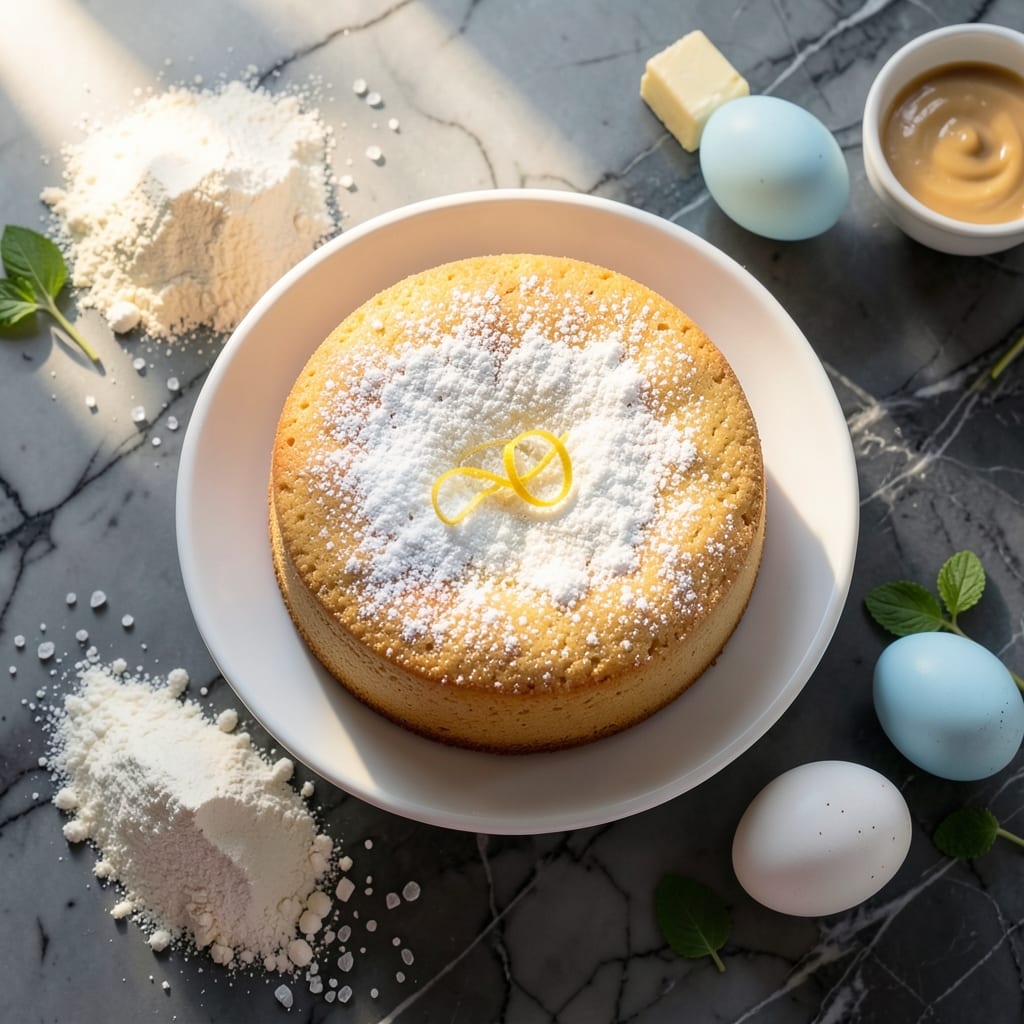
This classic 1234 cake delivers the perfect balance of moisture and structure every time. The secret lies in using Swans Down cake flour, which creates that signature ultra-fine crumb that makes each bite melt away.
With just four ingredients in a 1:2:3:4 ratio, this recipe proves that simplicity often yields the best results. The cake flour ensures a tender texture that standard flour simply cannot match, while the straightforward method eliminates guesswork.
What emerges from the oven is a golden cake with a velvet texture and delicate crumb that’s ideal for layering or serving plain. The even rise and fine grain make it a reliable choice for any occasion, from birthdays to afternoon tea.
This timeless recipe demonstrates how quality ingredients and precise technique can transform the ordinary into the extraordinary. The proof is in every tender, moist slice.
Ingredients for Swans Down Cake Flour 1234 Cake
Just four core ingredients plus a few essentials create this timeless cake with melt-away texture.
| Ingredient | Amount | Notes |
|---|---|---|
| Swans Down Cake Flour 🌾 | 2 cups | Sifted for ultra-fine texture |
| Granulated Sugar 🍚 | 1 cup | Fine white sugar preferred |
| Large Eggs 🥚 | 4 whole | Room temperature for best rise |
| Unsalted Butter 🧈 | ½ cup | Melted and cooled slightly |
| Baking Powder 🧂 | 1 tbsp | Fresh for optimal leavening |
| Vanilla Extract 🌿 | 1 tsp | Pure extract for best flavor |
| Salt 🧂 | ¼ tsp | Fine sea salt or table salt |
| Whole Milk 🥛 | ½ cup | Room temperature for even mixing |
[recipe_ingredient_scaler]
The Swans Down cake flour is non-negotiable—its ultra-fine mill creates the signature crumb that defines this cake. King Arthur offers a comparable product if Swans Down isn’t available at your local grocery store. Always sift it first, even if the bag claims it’s pre-sifted. The eggs should be large and fresh; older eggs won’t provide the same structure. For the butter, European-style adds richness but isn’t mandatory.
No cake flour? Make a substitute with all-purpose flour minus 2 tbsp per cup, replaced with cornstarch. The 1:2:3:4 ratio refers to flour:sugar:butter:eggs by weight, not volume—so a kitchen scale is ideal for precision. Vanilla bean paste can replace the extract for visible specks. For a lighter texture, fold in whipped egg whites at the end.
Store cake flour in an airtight container for up to 1 year. The baked cake keeps at room temperature for 3 days or frozen for 3 months. Bring all ingredients to room temperature before beginning for even mixing and optimal rise.
Why You’ll Love This Recipe
- I’ll be real: leftovers taste just as good two days later, if they last that long.
- One Bowl Wonder: I just dump the Swans Down flour, sugar, eggs, and butter in one bowl—no sifting, no fuss.
- Birthday or Tuesday: Honestly, it’s my go-to for celebrations and random weeknight desserts.
- Stays Fresh: I’ll be real: leftovers taste just as good two days later, if they last that long.
Step-by-Step Instructions for Swans Down Cake Flour 1234 Cake
Master the technique behind this ultra-fine crumb cake with precision and professional results.
Step 1: Prepare Dry Ingredients with Precision
Begin by sifting the 2 cups Swans Down Cake Flour into a large mixing bowl. I always sift first to eliminate any potential lumps and incorporate air, which is crucial for achieving that signature velvet texture.
Whisk in the 1 tbsp Baking Powder and 0.25 tsp Salt thoroughly. This ensures even distribution throughout the batter, preventing pockets of concentrated leavening or saltiness. The fine texture of Swans Down Cake Flour makes this step particularly effective.
Step 2: Cream Butter and Sugar to Ribbon Stage
In a separate bowl, beat the 0.5 cup Unsalted Butter (melted and cooled slightly) with the 1 cup Granulated Sugar until light and fluffy. Use an electric mixer on medium-high speed for 3-4 minutes—this process, called creaming, incorporates air that contributes to the cake’s fine crumb.
The mixture should appear pale and increase in volume. Stop when you see the characteristic ribbon-like texture form as the beaters lift the mixture. This stage is critical for proper aeration before adding liquid ingredients.
Step 3: Incorporate Eggs and Flavorings
Add the 4 whole Large Eggs one at a time, beating well after each addition. Each egg should be fully emulsified before adding the next. I recommend using eggs at room temperature for better volume and smoother incorporation.
After the eggs are incorporated, mix in the 1 tsp Vanilla Extract. Scrape down the sides of the bowl between additions to ensure even mixing. The batter should look smooth and slightly thick at this stage, with no visible streaks of egg or butter.
Step 4: Alternate Dry and Wet Ingredients
With the mixer on low speed, add about one-third of the dry ingredients to the butter mixture. Mix just until the flour disappears. Then pour in half of the 0.5 cup Whole Milk and mix until combined. Repeat this process, ending with the final third of dry ingredients.
Be careful not to overmix—stop as soon as each addition is incorporated. Overworking the batter can develop gluten, which would compromise the cake’s tender texture. The finished batter should be smooth, thick, and pourable, with no visible flour streaks.
Step 5: Bake to Perfection
Pour the batter into a greased and floured 8-inch round cake pan. Smooth the top with a spatula. Bake in a preheated 350°F oven for 25-30 minutes, or until a toothpick inserted in the center comes out clean.
Check for doneness at 25 minutes—the cake should spring back lightly when touched and the edges should begin to pull away from the pan. Allow the cake to cool in the pan for 10 minutes before transferring to a wire rack to cool completely. This cooling period helps set the structure for that ultra-fine crumb.
Pro Tips For Making Swans Down Cake Flour 1234 Cake
- Room Temp Eggs: Pull your eggs out 30-60 minutes before mixing—cold eggs can seize the butter, and you’ll end up with a dense cake instead of that light, airy crumb Swans Down flour promises.
- Sift the Flour: I learned this the hard way—Swans Down is fine, but it still needs a quick sift to break up any clumps and prevent dry pockets in your 1234 cake.
- Cream Butter Thoroughly: Beat the butter and sugar for a full 3-4 minutes until pale and fluffy. Sounds tedious, but it traps air, which is non-negotiable for that signature rise.
- Check at 25 Minutes: My first batch overbrowned because I waited the full 30—start testing at 25 with a toothpick, especially if your oven runs hot.
Troubleshooting swans down cake flour 1234 cake
Dense Cake Texture
If your cake comes out dense, you likely overmixed the batter. With Swans Down cake flour, stop mixing as soon as each addition is incorporated. Even 30 extra seconds can develop gluten, toughening the crumb. 💡
Uneven Rise
An uneven rise often indicates improper oven temperature. Use an oven thermometer to verify 350°F—many home ovens run 25-50°F off. Rotate the pan halfway through baking for consistent heat distribution.
Cake Sinks in Middle
Opening the oven door too early can cause the center to collapse. Wait until at least 20 minutes into baking before checking. Also, ensure your baking powder is fresh—test by dropping a spoonful in hot water; it should bubble vigorously.
Dry or Crumbly
Overbaking is the usual culprit. Start checking for doneness at 25 minutes with a toothpick. The edges pulling away slightly and a light spring when touched are perfect indicators. Using whole milk instead of lower-fat varieties adds moisture.
Coarse Crumb
For that signature ultra-fine crumb, sift the Swans Down cake flour before measuring. Even pre-sifted flour benefits from an extra pass. Also, avoid substituting all-purpose flour, as it contains more protein, creating a tougher texture.
Room temperature ingredients blend more evenly, preventing coarse pockets in the batter. 🔥
Nutrition Facts
Frequently Asked Questions
Can I substitute all-purpose flour for the cake flour?
For best results, use Swans Down cake flour. If needed, replace 2 tablespoons per cup of all-purpose flour with cornstarch to mimic the lower protein content. The texture won’t be identical but will be close.
Why does the recipe specify room temperature ingredients?
Room temperature eggs and milk blend more evenly into the batter, preventing coarse pockets. This creates a uniform texture and better rise. Cold ingredients can cause the batter to curdle.
How do I store leftover cake?
Wrap cooled cake tightly in plastic wrap or store in an airtight container at room temperature for up to 3 days. For longer storage, freeze for up to 3 months.
Can I make this in a different pan size?
Adjust baking time if using a different pan. For cupcakes, bake at 350°F for 18-20 minutes. For a 9×13-inch pan, check at 20 minutes and adjust as needed.

Trained in classic French technique but raised on slow-cooked ribs and spicy rubs, she blends culinary skill with smoke and soul.
- Recipe for Boneless Pork Chops in Cast Iron Skillet: Sear and Baste to Juicy Perfection - October 3, 2026
- Recipe for Boneless Cross Rib Roast: Slow-Roasted Beef with Herb Crust - October 3, 2026
- Hamburgers in Sauce Recipe Crock Pot: Slow-Cooked Savory Delight - October 3, 2026