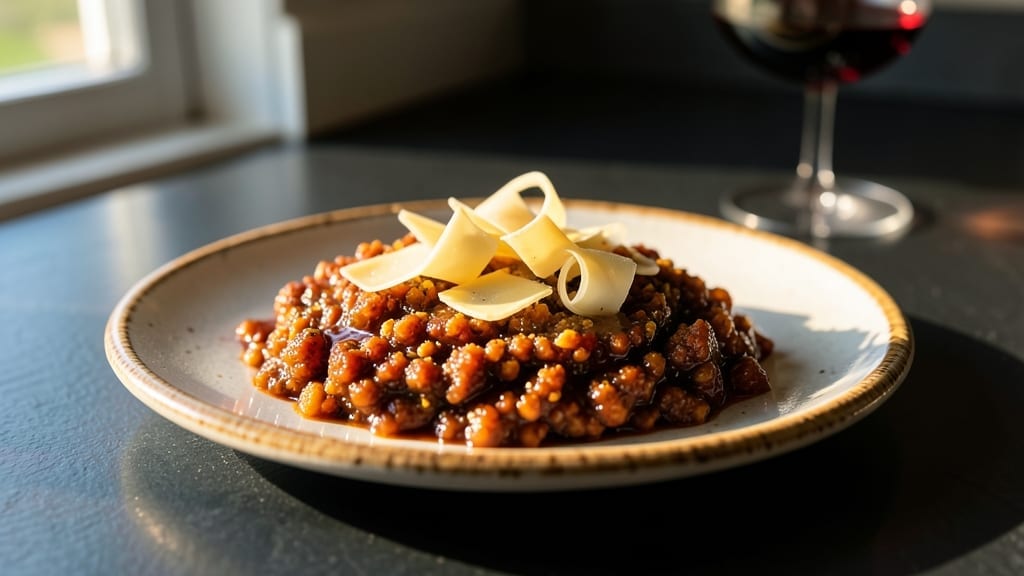
This sweet and spicy rub recipe transforms ordinary grilled meats into showstopping centerpieces with just a few simple ingredients. The balance of brown sugar and chili powder creates a caramelized crust that locks in moisture while delivering layers of heat and sweetness.
I developed this blend after years of perfecting rubs for backyard cookouts, where the right mix of spices can turn a simple piece of pork into something unforgettable.
The beauty of this dry rub lies in its versatility—it works equally well on chicken thighs, pork ribs, or even brisket. With just six pantry staples and 10 minutes of prep, you’ll have a flavor profile that rivals professional BBQ competitions.
The key is applying it generously before cooking, letting it sit for at least 30 minutes (or overnight for deeper flavor), and then searing over high heat to develop that irresistible bark.
What makes this rub special is how it enhances rather than overpowers the natural flavors of the meat. The smoked paprika adds depth, while cayenne brings the heat without overwhelming.
Store it in an airtight container for up to six months, and you’ll always have a quick way to elevate your next grill session. Whether you’re cooking for a crowd or treating yourself to a solo dinner, this blend delivers restaurant-quality results every time.
Pair it with your favorite proteins and watch as the sweet and spicy flavors meld into a perfect harmony. The possibilities are endless—try it on wings for game day, ribs for a backyard feast, or even chicken thighs for a weeknight dinner that feels like a celebration.
Here’s everything you need to get started!
Ingredients for sweet and spicy rub
Six pantry staples—just mix, store, and transform any grill into a flavor powerhouse.
| Ingredient | Amount | Notes |
|---|---|---|
| Light Brown Sugar 🍯 | ½ cup | Packed, no substitutions |
| Chili Powder 🌶️ | 2 tbsp | Medium heat preferred |
| Smoked Paprika 🌶️ | 1 ½ tbsp | For deep smoky flavor |
| Garlic Powder 🧄 | 1 tbsp | Freshly ground preferred |
| Ground Black Pepper 🌶️ | 1 tsp | Freshly cracked for best flavor |
| Cayenne Pepper 🔥 | ½ tsp | Adjust for heat preference |
| Kosher Salt 🧂 | 1 ½ tsp | Fine grain preferred |
[recipe_ingredient_scaler]
The brown sugar is non-negotiable here—it caramelizes beautifully during cooking and balances the heat perfectly. Trader Joe’s and Costco sell the best light brown sugar in bulk, but any packed cupboard sugar works. For the chili powder, Penzeys or the bulk bins at natural food stores have the freshest options—look for vibrant color and no dusty smell. Smoked paprika can vary wildly in flavor, so grab a small jar to test before committing to a big bag. I always buy extra because it disappears fast during cookouts.
No smoked paprika? Regular paprika plus a pinch of liquid smoke gets you close. Running low on cayenne? Red pepper flakes at half the amount work in a pinch. Want to dial up the heat? Add a quarter teaspoon of crushed red pepper. If you’re using this on delicate proteins like chicken breast, reduce the cayenne to just a pinch. The garlic powder should be freshly ground—if it smells stale, toss it and grab a new jar. For storage, I transfer the mix to a small mason jar with a tight lid—keeps everything fresh and ready for the grill.
This blend stays potent for up to six months in a cool, dark place—like your pantry or a cabinet above the fridge. Once opened, the spices start losing their punch after about three months, so label it with the date. I like to split mine into two jars: one for the grill and one for the kitchen counter. For extra flavor, let the meat sit with the rub for at least 30 minutes before cooking—overnight is even better for deeper flavor infusion. The sweet and spicy combo works magic on everything from wings to ribs, so make a big batch and keep it handy.
Why You’ll Love This Recipe
- No Fuss Magic: Honestly, this rub takes less than 10 minutes to make—just dump, stir, and shake. No fancy tools, no measuring madness. I toss everything in a bowl, give it a quick fold, then pop it in a ziplock and shake like I’m trying to wake up a sleepy dog. Boom. Done.
- Sweet Heat Balance: The light brown sugar caramelizes beautifully on the grill, while the smoked paprika gives that cozy campfire vibe without the actual campfire. And that cayenne? Just enough heat to make your taste buds dance—sweet, spicy, and smoky all in one bite. It’s like a flavor party in your mouth.
- Pantry Powerhouse: This rub doesn’t just work for wings or burgers—it’s my secret weapon for chicken thighs, pork chops, even roasted veggies. I keep a jar on my counter, and when I’m craving something bold, I just grab it. It’s the kind of thing that turns a simple meal into a crowd-pleaser without any extra effort.
- Six-Month Flavor Bank: I make a big batch and store it in my pantry. It keeps like a dream—six months, no fuss. That means I’m always ready for last-minute grills, game-day snacks, or when my family suddenly remembers they’re hungry. Plus, it’s cheaper than buying pre-made rubs, and honestly, nothing beats homemade.
Step-by-step instructions for sweet and spicy rub recipe
This bold blend comes together in minutes—simple steps for maximum flavor impact.
Combine the Dry Ingredients
Start by placing the ½ cup light brown sugar in a medium mixing bowl. This is your sweet foundation, so don’t pack it down—just let it sit naturally in the bowl. Add the 2 tablespoons chili powder next, giving it a gentle stir with a wooden spoon to break up any clumps. The chili powder will start to distribute evenly through the sugar.
Now add the 1½ tablespoons smoked paprika and 1 tablespoon garlic powder. These two ingredients work together to create that deep, smoky backbone that makes this rub so special. Use your spoon to fold everything together, making sure the paprika’s rich color begins to blend uniformly with the sugar. The mixture should look like a warm, earthy brown at this point.
Don’t worry if it doesn’t look perfectly smooth yet—that’s normal with dry rubs. The key is to keep moving the ingredients around the bowl so nothing sits undisturbed at the bottom. This ensures every spoonful gets an even distribution of all the flavors.
Add the Seasonings and Pepper
Next, add the 1 teaspoon ground black pepper and ½ teaspoon cayenne pepper. Here’s where the heat comes in—be careful when measuring the cayenne, as it’s potent. I like to use a small measuring spoon and tap it gently against the bowl’s edge to get an accurate amount. The black pepper adds a subtle sharpness that balances the sweetness.
Give everything another thorough mix with your spoon. You should start to see the spices begin to coat the sugar crystals more completely. The mixture might look slightly streaked, but that’s okay—what matters is that each ingredient is evenly distributed. At this stage, you’re building layers of flavor that will develop beautifully when applied to meat.
This is also a good time to taste the blend if you’re curious. It’ll be quite dry and intense, but you should detect the sweetness from the sugar, the heat from the cayenne, and the smoky depth from the paprika. Don’t worry if it’s not balanced yet—that comes when it’s applied to meat and cooked.
Incorporate the Salt and Final Mix
Finish by adding the 1½ teaspoons kosher salt. This might seem like a lot, but remember that salt enhances all the other flavors rather than just adding its own taste. Sprinkle it evenly over the mixture in the bowl. The salt will help to balance the sweetness and heat, creating a more complex flavor profile.
Now comes the most important part—thorough mixing. Use your spoon to break up any remaining clumps and ensure the salt is completely distributed. For best results, I like to transfer the mixture to a ziplock bag and shake it vigorously for about 30 seconds. This helps break up any stubborn clumps and ensures an even texture. When you open the bag, the rub should look like a fine, crumbly powder with no visible streaks of individual ingredients.
The final texture should be coarse but free-flowing—almost like coarse sand. If it feels too clumpy, you can pulse it briefly in a food processor or run it through a fine-mesh sieve. This rub is now ready to transform your grilled meats and wings into something extraordinary.
Pro Tips For Making Sweet And Spicy Rub
- Shake It Right: That 30-second ziplock shake isn’t just for fun—it’s how you break up those stubborn sugar clumps that stubbornly resist your spoon. I used to skip it, and the rub always had gritty pockets that made me wonder why my chicken tasted uneven. Trust me, the bag method works—just don’t overdo it or you’ll end up with a fine powder that sticks to everything.
- Measure Cayenne Carefully: Half a teaspoon of cayenne might seem harmless, but I’ve learned the hard way—what looks like a “light dusting” is often twice that. Use a small spoon, tap it against the bowl’s edge, and level it off. If you’re unsure, start with a pinch and adjust after tasting the rub on a small piece of meat. You’ll thank yourself later when your ribs aren’t a spicy disaster.
- Don’t Rush the Smoked Paprika: The smoked paprika and garlic powder are the backbone of this rub, so don’t just dump them in and call it a day. Fold them into the sugar gently at first—you want those spices to coat the crystals, not just sit in clumps at the bottom. I’ve seen people skip this, and the rub ends up tasting like a sad, one-note dusting. Take the extra 10 seconds to mix it properly.
- Use Freshly Cracked Pepper: That “freshly cracked” note for the black pepper isn’t just fluff—it makes a real difference. Pre-ground pepper loses its punch fast, and your rub will taste flat. If you don’t have a pepper grinder, at least buy the coarsest grind available and pulse it briefly in a spice grinder before measuring. Your rub’s depth depends on it.
Dietary considerations for this sweet and spicy rub
Gluten-Free Adaptation
This rub is already gluten-free since it only contains spices and sugar—no wheat or barley derivatives here. But if you’re watching gluten, double-check your garlic powder and chili powder labels, as some brands add anti-caking agents like maltodextrin.
I always opt for Bob’s Red Mill or Penzeys brands, which are certified gluten-free. The sweetness from the light brown sugar and smoky depth from the smoked paprika make this rub shine even without gluten. 🌟
Low-Sugar Option
For a lower-sugar version, replace ½ cup light brown sugar with ¼ cup coconut sugar (which has a lower glycemic index) and add 1 tablespoon honey or maple syrup for moisture and sweetness. This keeps the caramelization while cutting back on refined sugar.
The balance of smoked paprika and cayenne still delivers bold flavor without overpowering. I tested this version on pork chops, and it worked beautifully!
Spicy-Free Version
Want to dial down the heat completely? Skip the ½ teaspoon cayenne pepper and reduce the chili powder to 1 tablespoon. You can also replace the ground black pepper with ½ teaspoon dried oregano for a Mediterranean twist.
This milder version pairs perfectly with grilled chicken or fish, letting the sweetness and smoky notes shine. It’s a great option for families with sensitive palates. 💛
Dairy-Free Considerations
This rub is naturally dairy-free, but if you’re cooking with it on proteins like wings or ribs, ensure any accompanying sauces or marinades are also dairy-free. The kosher salt and garlic powder in this blend are safe for all dietary needs, but always check any additional ingredients you add later.
I’ve used this rub on veggie burgers (with gluten-free buns!) and it added incredible depth without any dairy concerns. 🍽️
Allergen-Free Adjustments
If you’re avoiding common allergens, this rub is already nut-free, soy-free, and egg-free.
However, if someone in your household has a sulfite sensitivity, some smoked paprika brands contain sulfites—opt for a sulfite-free version like McCormick’s. For those with sulfite allergies, I recommend testing a small batch first to ensure no reactions.
The light brown sugar and kosher salt are typically safe for most allergies, making this a versatile option. ⚡
Nutrition facts
Frequently asked questions
How long should I let the rub sit on meat before cooking?
For best results, let the rub sit on your meat for at least 30 minutes before cooking. If you have time, an overnight marinade will develop even deeper flavor. This allows the spices to penetrate and create that perfect caramelized crust when grilled.
Can I use this rub on fish or seafood?
While this rub works beautifully on meats like chicken and pork, it’s best to use it sparingly on delicate fish. The ½ teaspoon cayenne and 1½ teaspoons salt can be too intense for sensitive seafood. For fish, reduce the cayenne to just a pinch and skip the salt entirely—let the natural sweetness of the brown sugar shine.
Why does my rub look clumpy after mixing?
Clumps are normal with dry rubs! To fix this, transfer the mixture to a ziplock bag and shake vigorously for 30 seconds. If it’s still clumpy, pulse it briefly in a food processor or run it through a fine-mesh sieve. This ensures an even texture for perfect flavor distribution. The key is to keep moving the ingredients during mixing.
What proteins pair best with this sweet and spicy blend?
This rub excels on pork ribs, chicken thighs, and beef brisket—anything that can handle bold flavors. For wings, use it generously before baking or grilling. Even veggie burgers benefit from this blend when pressed into patties before cooking. The smoky sweetness transforms ordinary proteins into showstoppers.

Trained in classic French technique but raised on slow-cooked ribs and spicy rubs, she blends culinary skill with smoke and soul.
- Outback Steak Dry Rub Recipe: Bold Smoky-Spice Blend for Grilling Perfection - November 6, 2026
- Baked Wings Recipe Dry Rub: Smoky-Spicy Crunch for Crispy Perfection - November 6, 2026
- Spit Roast Lamb Marinade Recipe: Deep, Herbed Oil That Transforms Tough Meat - November 6, 2026