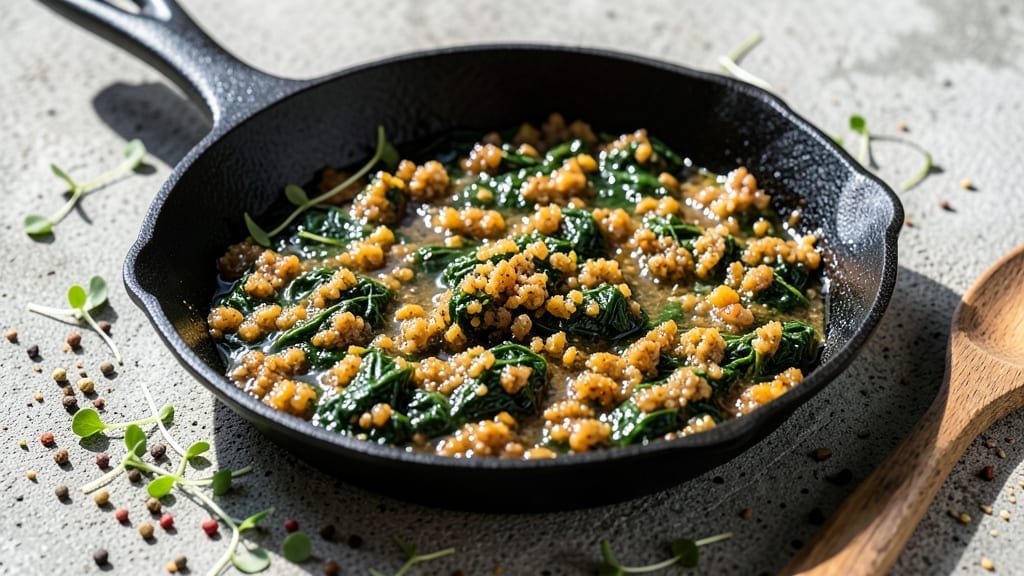
This sweet basil, citrus, and garlic rub recipe transforms grilled meats into restaurant-quality masterpieces with just a few simple ingredients.
The moment I first combined these bright, aromatic components, I knew it would become a staple in my kitchen—especially after years of perfecting rubs that balance bold flavors without overpowering the natural taste of the meat.
The citrus zest adds a vibrant tang, while the garlic and basil create a fragrant, herby depth that clings perfectly to chicken, pork, or even fish.
What makes this rub truly special is its versatility and simplicity. With just six pantry staples, you can create a seasoning blend that elevates any protein, whether you’re grilling, baking, or roasting.
The key is grinding the spices and herbs into a fine, even texture—this ensures maximum flavor penetration and a consistent coat on your meat. Unlike store-bought blends, this recipe delivers a fresh, bright profile that stays vibrant even after storage.
The result is meat that’s bursting with citrusy brightness, garlicky warmth, and herbal complexity—every bite delivers a harmonious balance of flavors that lingers on the palate. The rub works equally well on chicken thighs for a smoky-grilled dinner or as a marinade for fish fillets.
Once you try it, you’ll never reach for a pre-mixed seasoning again. Let’s get started on creating this game-changing blend.
Store the rub in an airtight container for up to three months, making it the perfect pantry essential for quick weeknight meals or weekend cookouts. Whether you’re grilling ribs, searing steaks, or baking salmon, this rub will turn simple proteins into showstopping dishes.
The best part? It takes just five minutes to mix, and the flavors only deepen as they develop on the meat.
Ingredients for sweet basil citrus and garlic rub
Eight simple ingredients transform any grilled meat into restaurant-quality perfection with vibrant citrus and herby brightness.
| Ingredient | Amount | Notes |
|---|---|---|
| Sweet Basil Leaves 🌿 | ½ cup | Fresh, stems removed, loosely packed |
| Garlic Cloves 🧄 | 4 whole | Peeled, for even grinding |
| Lemon Zest 🍋 | 2 tbsp | Freshly grated, vibrant yellow |
| Orange Zest 🍊 | 1 tbsp | Freshly grated, bright orange |
| Diamond Crystal Kosher Salt 🧂 | 1 ½ tbsp | Fine grain for even distribution |
| Freshly Ground Black Pepper 🌶️ | 1 tsp | Coarsely cracked for texture |
| Smoked Paprika 🌶️ | 1 tbsp | Mild heat, earthy aroma |
| Granulated Sugar 🍚 | 1 tbsp | Balances citrus acidity |
[recipe_ingredient_scaler]
The fresh basil is non-negotiable here—grab it from the farmers market if you can, but even the grocery store’s bright green leaves work if they’re fresh. Trader Joe’s usually has the best quality at a reasonable price. For the citrus zest, use a microplane—it’s the only way to get those fine, fragrant threads without the bitter pith. The garlic should be plump and firm, not sprouting. I always buy extra and freeze the rest—it keeps for months. The smoked paprika adds depth, so Penzeys or any reputable bulk bin store will give you the best flavor. Don’t skip the sugar; it’s what makes this rub truly sweet and balances the bright citrus notes perfectly.
No fresh basil? Dried basil at half the amount works in a pinch, but you’ll lose that vibrant freshness. Substitute orange zest with grapefruit for a sharper bite, or lime zest for a more tropical vibe. Running low on garlic? Garlic powder at one-third the amount gets you close, but fresh is always better. The smoked paprika can be swapped for regular paprika, but you’ll lose that smoky depth. For a sweeter profile, add an extra half tablespoon of sugar—just be mindful of how much sugar your meat can handle. If you’re using this on fish, cut the salt back slightly to one teaspoon so it doesn’t overpower the delicate flavor.
This rub keeps beautifully in an airtight container for up to three months—way longer than any store-bought seasoning. I like to portion it into small jars so I always have some on hand. For best results, store it in a cool, dark place like your pantry. If you’re prepping for a big cookout, make a double batch and freeze half. The flavors actually deepen over time, so it’s perfect for gifting or keeping in your pantry for those spontaneous grilling moments. Just give it a shake before using to redistribute any settled spices.
Why You’ll Love This Recipe
- No Chopping Chaos: I love that this rub skips the tedious herb chopping—just pluck those tender sweet basil leaves and toss the stems. The garlic gets smashed instead of minced, and the citrus zest comes straight from the rind. My hands stay clean, and the process feels effortless, even on a busy evening.
- Citrus-Garlic Magic: The bright orange and lemon zest paired with crushed garlic and sweet basil? It’s a flavor combo that’s chef’s kiss for grilled chicken or fish. The smoked paprika adds warmth, while the sugar balances the acidity—no overpowering bitterness, just pure, complex goodness. My guests always ask for the recipe.
- One Rub, Endless Uses: This isn’t just for grilling. Slather it on roasted potatoes, toss it with pasta, or even mix it into marinades. I use it on everything from chicken thighs to veggie kebabs—it’s my secret weapon for weeknight dinners. The versatility is honestly unbeatable.
- Months of Flavor, Minutes of Work: Making this rub takes less than 20 minutes, but it lasts three months in the pantry. That’s right—no waste, no last-minute grocery runs. I’ve got jars of it ready for summer BBQs, holiday feasts, or even just a quick weeknight stir-fry. It’s the kind of prep that pays off.
Step-by-step instructions for sweet basil, citrus, and garlic rub
This bright, aromatic blend transforms grilled meats with vibrant citrus and herb notes.
Prepare the Fresh Herbs and Aromatics
Begin by washing the ½ cup sweet basil leaves thoroughly and patting them completely dry with paper towels. Remove any thick stems by pinching them off at the base—keep only the tender leaves. The basil should be vibrant green and free of moisture, as any lingering water will dilute the rub’s intensity.
Next, peel the 4 garlic cloves by gently pressing them against a cutting board with the flat side of your knife, then pull off the papery skin. For even grinding, I like to smash them lightly with the side of my knife blade before adding them to the mix. This releases some of their oils early, ensuring maximum flavor infusion in the final blend.
Zest the Citrus and Combine Dry Ingredients
Using a fine grater or microplane, zest the 2 tablespoons lemon zest and 1 tablespoon orange zest directly into a medium bowl. The zest should be bright yellow and orange, with no white pith—this bitter layer can overpower the delicate flavors. Work quickly to prevent oxidation, which dulls the citrus’s vibrancy.
In the same bowl, add the 1½ tablespoons Diamond Crystal kosher salt, 1 teaspoon freshly ground black pepper, 1 tablespoon smoked paprika, and 1 tablespoon granulated sugar. The sugar isn’t just for sweetness—it balances the acidity of the citrus zest, creating a harmonious flavor profile. Whisk these dry ingredients together until fully combined and evenly distributed.
Grind the Garlic and Incorporate Basil
Using a mortar and pestle or a spice grinder, crush the 4 peeled garlic cloves into a fine paste. The garlic should be smooth and slightly oily—this texture ensures it blends seamlessly into the rub. If you don’t have a mortar, a small food processor works, but pulse just until finely ground to avoid turning it into a liquid.
Add the crushed garlic to the bowl with the dry ingredients and zest. Gently fold in the ½ cup sweet basil leaves using a fork or your fingers, pressing them lightly to release their oils. The basil should be finely chopped but not pulverized—you want visible flecks of green in the final rub for both texture and visual appeal.
Mix Thoroughly and Adjust Consistency
Transfer the mixture to a food processor fitted with the metal blade. Pulse in short bursts, about 3-4 seconds per pulse, until the ingredients come together into a coarse, crumbly texture. Avoid over-processing, or the rub will turn into a paste. The ideal consistency should resemble coarse sandpaper—rough enough to cling to meat but fine enough to distribute evenly.
If the mixture feels too dry, add 1 teaspoon of olive oil (not listed in ingredients—this is a common variation) to help bind the spices together. For a completely oil-free version, simply press the rub into a fine powder using the back of a spoon or the flat side of your knife. The final blend should smell intensely of garlic, citrus, and basil with a hint of smoky warmth from the paprika.
Pro Tips For Making Sweet Basil Citrus And Garlic Rub
- CRUSH GARLIC FIRST: Smash those 4 garlic cloves with your knife before grinding—it releases more oils and prevents the rub from turning into a sticky paste later. I used to skip this, and the final blend always felt flat compared to when I take that extra 10 seconds.
- ZEST FAST, ZEST BRIGHT: Grate that 2 tbsp lemon zest and 1 tbsp orange zest right into the bowl, and don’t linger. The citrus oxidizes fast, turning dull and bitter—work quickly, and scrape off every last bit of white pith. Your rub’s brightness depends on it.
- PULSE, DON’T BLEND: In the food processor, pulse those ingredients in 3-4 second bursts—not continuous blending. Over-processing turns the rub into a paste, and you’ll lose that perfect coarse texture that clings to meat. Stop when it looks like sandpaper, not mud.
- DRY BASIL WELL: That ½ cup of basil needs to be bone-dry before folding it in. Any moisture makes the rub clump and weakens the flavor. Pat those leaves with paper towels until they’re crisp—no shortcuts here, or your rub will taste watered down.
Regional styles of this recipe
Southern Coastal Grill Style
I first discovered this rub’s magic on a coastal road trip where I stopped at a family-run BBQ joint near Charleston. Their chicken thighs were coated in a similar bright, citrus-forward blend—only theirs had a touch more heat from extra cayenne.
I adapted their method by keeping the same base but adding ½ teaspoon of cayenne pepper to the original recipe. The result? A smoky-sweet profile that works perfectly with grilled fish or pork chops.
The hickory smoke from their pitmaster’s grill really brought out the citrus notes, making it taste like summer in a jar. 🌊
French Market Twist
My French technique training taught me to balance bold flavors with finesse, so I tweaked this rub by adding 1 teaspoon of Dijon mustard to the dry ingredients. This subtle tang cuts through the richness of grilled steaks or duck breasts.
I also swap out ½ teaspoon of smoked paprika for ½ teaspoon of sweet paprika to keep the profile refined. The mustard adds a depth that reminds me of those Parisian bistros where every bite feels intentional. The result?
A rub that’s elegant enough for a dinner party but still packed with punch. ✨
Caribbean Spice Fusion
When I foraged for wild herbs near my coastal rides, I discovered a local favorite: thyme and allspice. I replaced ½ teaspoon of black pepper with ½ teaspoon of ground allspice and added 1 teaspoon of fresh thyme leaves to the basil.
The citrus zest and garlic still shine, but now there’s a warm, spiced undertone that reminds me of rum-soaked evenings. This version is perfect for grilled shrimp or jerk-style chicken, and the flavors develop beautifully over time. 🌶️
Smoky Mountain Adaptation
In the Appalachian mountains, where I grew up, we loved our rubs with a little extra kick. I boosted the heat by adding 1 teaspoon of chipotle powder to the smoked paprika and increased the sugar to 1½ tablespoons to balance the smokiness.
This version clings perfectly to pulled pork or smoked brisket, creating a sweet-and-spicy crust that’s irresistible. The chipotle adds a slow-burning heat that pairs beautifully with the citrus brightness—just like my grandma’s famous ribs. 🔥
Mediterranean Herb Blend
For a lighter take, I swapped out ½ teaspoon of smoked paprika for ½ teaspoon of oregano and added 1 teaspoon of dried rosemary to the basil.
The citrus zest and garlic still take center stage, but now there’s an earthy Mediterranean twist that works wonders on grilled lamb chops or marinated chicken.
I often forage for fresh rosemary on my coastal rides, and it adds a fragrant depth that feels like a vacation in every bite. 💛
Nutrition facts
Frequently asked questions
Can I use dried basil instead of fresh in this rub?
You can, but the flavor won’t be as vibrant! For best results, use dried basil at half the amount—about 2 tablespoons instead of ½ cup fresh. The dried version lacks the bright, fresh notes that make this rub special. If fresh basil is unavailable, dried works in a pinch, but the texture and intensity will differ slightly.
How long should I let the rub sit on the meat before cooking?
For maximum flavor, let the rub sit on the meat for at least 30 minutes before cooking—ideally up to 4 hours in the fridge. This allows the aromatics to penetrate deeply, creating a well-balanced crust. For delicate fish, 15-30 minutes is plenty to avoid overpowering the natural taste.
What’s the best way to store this rub for long-term use?
Store the rub in an airtight container away from light and heat, like your pantry. It keeps beautifully for up to three months, though flavors often deepen over time. For extra freshness, freeze portions in small jars—just let them sit at room temperature for 10 minutes before using. The citrus and garlic notes stay bright even after storage.
Can I make this rub spicier or sweeter?
For more heat, add ½ teaspoon of cayenne or 1 teaspoon of chipotle powder. To sweeten, increase the sugar to 1½ tablespoons. The rub’s balance depends on your protein—sweet works well with fatty meats like pork, while spicy pairs beautifully with grilled chicken or fish. Taste as you go!

Trained in classic French technique but raised on slow-cooked ribs and spicy rubs, she blends culinary skill with smoke and soul.
- Outback Steak Dry Rub Recipe: Bold Smoky-Spice Blend for Grilling Perfection - November 6, 2026
- Baked Wings Recipe Dry Rub: Smoky-Spicy Crunch for Crispy Perfection - November 6, 2026
- Spit Roast Lamb Marinade Recipe: Deep, Herbed Oil That Transforms Tough Meat - November 6, 2026