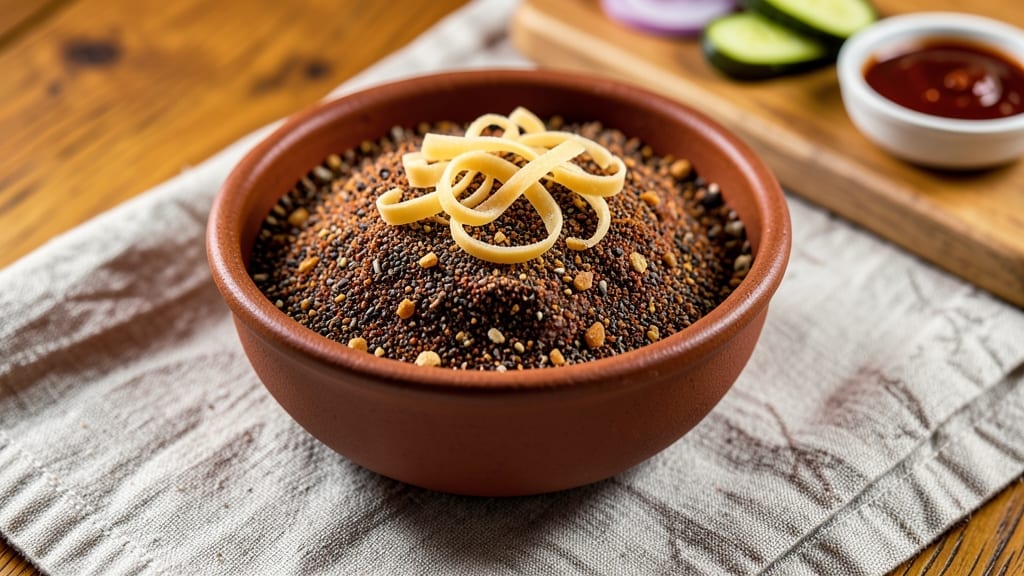
This award-winning baby back rib dry rub recipe is the secret weapon behind fall-off-the-bone tenderness and that signature smoky-spice crust. 🔥 I developed this blend after years of perfecting my family’s backyard cookout tradition, where the aroma of hickory smoke first ignited my passion for rubs.
The key lies in balancing sweet, smoky, and savory notes to create a complex flavor profile that transforms tough cuts into melt-in-your-mouth masterpieces.
The magic happens with precise measurements: ¼ cup brown sugar for caramelization, 2 tablespoons smoked paprika for depth, 1 tablespoon each of garlic powder, onion powder, and mustard powder for umami, plus 1 teaspoon each of cayenne, black pepper, and coriander.
This professional-grade blend works equally well for grilling, smoking, or baking, ensuring consistent results every time. The rub’s versatility makes it perfect for any cooking method while maintaining that authentic competition-worthy flavor.
What sets this dry rub apart is its ability to create a flavorful bark that locks in moisture while delivering intense smoky-spice notes. The brown sugar isn’t just for sweetness—it helps form that coveted crust that pitmasters covet.
When applied generously and patted firmly onto well-dried ribs, this blend transforms ordinary meat into award-worthy centerpieces that command attention at any gathering.
Whether you’re preparing for a backyard cookout or a professional competition, this rub delivers restaurant-quality results with minimal effort. The blend’s balanced spices ensure it works with both mild and bold flavor preferences, making it equally effective for beginners and seasoned pitmasters alike.
Store it in an airtight container for up to six months, ready to elevate your next rib project whenever inspiration strikes.
Ingredients for award winning baby back rib dry rub
Nine essential spices and sugars. One perfect blend for competition-worthy ribs every time.
| Ingredient | Amount | Notes |
|---|---|---|
| Light Brown Sugar 🍚 | ¼ cup | Packed for better adhesion |
| Smoked Paprika 🌶️ | 2 tbsp | High-quality for authentic smoke |
| Garlic Powder 🧄 | 1 tbsp | Freshly ground preferred |
| Onion Powder 🧅 | 1 tbsp | Finely ground for even dispersion |
| Mustard Powder 🌿 | 1 tbsp | Yellow mustard powder preferred |
| Cayenne Pepper 🔥 | 1 tsp | Adjust for heat preference |
| Ground Black Pepper 🌶️ | 1 tsp | Freshly cracked for intensity |
| Ground Coriander 🌿 | 1 tsp | Toasted for enhanced aroma |
| Diamond Crystal Kosher Salt 🧂 | 1 tsp | Fine grain for even coating |
| Ground Cinnamon 🌿 | ½ tsp | Optional for subtle warmth |
[recipe_ingredient_scaler]
The brown sugar is non-negotiable—it’s what creates that prized bark while balancing the smoky heat. Muscovado or light brown sugar work best, but avoid dark varieties (they’ll overpower). For smoked paprika, Penzeys or McCormick Gourmet deliver that authentic hickory depth—skip the generic supermarket brands. The mustard powder might seem odd, but it adds that subtle tang that pitmasters swear by. I always triple-check my kosher salt is Diamond Crystal (not Morton)—it’s finer and clumps less when mixed. Toast your coriander and cinnamon lightly in a dry pan first (just 30 seconds)—it makes a world of difference in aroma.
No smoked paprika? Half a teaspoon liquid smoke plus regular paprika gets you close, but it’s not the same. Short on mustard powder? Dijon mustard at half the amount works in a pinch. The cinnamon is truly optional—some competition rubs skip it entirely, but I find it adds a subtle warmth that pairs beautifully with the smoky notes. For heat adjustments, start with the cayenne, then add more black pepper if you want a sharper kick. This blend is designed to be versatile, but remember: the sugar-to-spice ratio is sacred. Too much cayenne can overpower the delicate balance, so adjust gradually.
Store this rub in an airtight container with a parchment paper barrier to absorb moisture. Keeps for up to 6 months in a cool, dark place—perfect for stocking your pantry for next summer’s cookouts. I make a double batch every time: one for immediate use, one to gift to fellow BBQ enthusiasts. The rub’s potency peaks after 24 hours of resting, so mix it up a day ahead if possible. Trust me, that extra time lets the flavors meld into something truly extraordinary.
Why You’ll Love This Recipe
- No-Fuss Seasoning: Honestly, this rub takes less time than microwaving leftovers. Just toss those 10 ingredients in a bowl, whisk (or finger-stir, no judgment), and you’re done. The packed light brown sugar and smoked paprika clump together just enough that you don’t need fancy tools—just break up the lumps with your fingers. Done.
- Smoky-Sweet Perfection: The garlic powder and onion powder lay down that deep, savory foundation, while the mustard powder keeps things from tasting too heavy. Then the smoked paprika and cayenne kick in with that award-winning bark—crispy outside, tender inside. That ½ tsp cinnamon? It’s the secret weapon that makes it taste like a Sunday afternoon, not just another weeknight meal.
- Pantry Powerhouse: This rub doesn’t just work for ribs—it’s my go-to for chicken thighs, brisket, or even roasted potatoes. And because it keeps for six months, I always have it on hand for last-minute grills or when company drops by. No stress, no last-minute grocery runs. Just grab, rub, and cook.
- Budget-Friendly Flavor Bomb: Forget expensive spice blends—this costs less than a coffee run and packs more flavor. The light brown sugar and kosher salt stretch every bite, while the coriander and cinnamon add complexity without breaking the bank. I’ve made batches for under $5, and honestly? It’s the only rub I use anymore.
Step-by-step instructions for award-winning baby back rib dry rub
This smoky-spice blend transforms tough ribs into melt-in-your-mouth perfection.
👨🍳 Step 1: Combine the Base Dry Ingredients
In a medium bowl, whisk together the 1 tbsp garlic powder, 1 tbsp onion powder, and 1 tbsp mustard powder. These aromatic powders form the flavor foundation—garlic and onion add depth while mustard powder brings a subtle tang that cuts through the richness of the ribs.
Next, add the 2 tbsp smoked paprika and 1 tsp ground coriander. The smoked paprika delivers that signature competition-style bark, while toasted coriander adds earthy warmth. Whisk until these ingredients are evenly distributed—you want no visible streaks, just a uniform powder blend.
Here’s the thing—don’t rush this step. The coriander needs to be fully incorporated so it disperses evenly across every rib. I like to use my fingers to break up any clumps, especially with the paprika which can be oily and sticky.
👨🍳 Step 2: Add Heat and Sweetness for Balance
Measure in the 1 tsp cayenne pepper and ½ tsp ground cinnamon. The cayenne provides controlled heat that builds during the cook, while the cinnamon adds a subtle sweet warmth that complements the smokiness. This is where the magic happens—these spices create that award-winning complexity.
Now for the sweet component: Add the ¼ cup packed light brown sugar. Packing it ensures better adhesion to the ribs and prevents clumping. The sugar isn’t just for sweetness—it helps form that coveted dark bark while balancing the heat and salt.
I know it seems like too much sugar, but trust me—it caramelizes beautifully during the cook and prevents the rub from being overly salty. The sugar also helps the other spices stick to the meat surface.
👨🍳 Step 3: Finish with Salt for Perfect Seasoning
Add the 1 tsp diamond crystal kosher salt and 1 tsp ground black pepper. The kosher salt’s coarse texture helps the rub cling better than table salt, while the freshly cracked black pepper adds bright, peppery notes that cut through the richness.
Mix everything thoroughly with a whisk or your fingers until completely homogeneous. The rub should look like a fine, even powder with no visible dry spots. If it seems too dry, you can add a pinch more of the smoked paprika to help bind the mixture.
This is the moment that matters: Taste the rub on your finger. It should be balanced—sweet, smoky, with a touch of heat and earthy depth. If it tastes too sweet, you can add a tiny pinch more salt. If it needs more heat, add a pinch of cayenne. Adjust to your preference now before applying to the ribs.
🔥 Step 4: Apply the Rub Generously
Pat your baby back ribs completely dry with paper towels—this is critical for the rub to adhere properly. The drier the surface, the better the bark will form. Apply the rub generously to all sides, pressing it firmly into the meat so it penetrates the grooves.
Don’t be shy with the amount—you want a thick, even coating. The ribs should look like they’ve been dusted with a dark, spicy powder. For best results, let the rubbed ribs sit at room temperature for 30-60 minutes before cooking. This allows the rub to penetrate slightly and develop better adhesion.
Real talk: If you’re short on time, you can skip the resting period, but the flavor penetration will be slightly less intense. The rub will still work beautifully, but that extra time makes a noticeable difference in the final result.
Pro Tips For Making Award Winning Baby Back Rib Dry Rub
- Pack That Sugar: DESCRIPTION: Light brown sugar is your bark-building MVP—pack it tightly into the ¼ cup measure so it sticks like glue to the ribs. I used to scoop it loose and wondered why my rub kept falling off. Trust me, the extra density makes all the difference when the heat hits.
- Toast Your Coriander: DESCRIPTION: The coriander in this rub needs to be toasted—just dry-toast a pinch in a dry pan for 30 seconds until fragrant. That extra aroma is what separates good ribs from showstopping ones. Skip this, and you’ll miss the earthy depth that makes the rub sing.
- Finger-Stir the Paprika: DESCRIPTION: Smoked paprika is oily and clumpy—don’t just whisk it. Use your fingers to break up any lumps right in the bowl, especially when mixing it with the garlic and onion powders. This ensures every rib gets that even, smoky coating without streaks.
- Taste Before You Rub: DESCRIPTION: After mixing, taste the rub on your fingertip—it’s the only way to catch balance issues before they ruin your batch. Too sweet? Add a pinch of salt. Too mild? More cayenne. This is your last chance to fix it before it’s on the meat.
Common mistakes when making your award winning baby back rib dry rub
Skipping the Resting Period
I’ve made this mistake more times than I can count—skipping the 30-60 minute rest before cooking. The rub needs time to cling properly and penetrate the meat, so rushing this step means less flavor penetration and a weaker bark.
If you’re short on time, don’t stress, but be prepared for slightly less intense flavor development. The rub will still work, but those award-winning results rely on that extra bonding time. 💡
Using the Wrong Salt
Substituting table salt for Diamond Crystal kosher salt is a common error that disrupts the rub’s texture and adhesion. Kosher salt’s coarse grains help the rub cling better to the ribs, while table salt clumps and doesn’t distribute evenly.
I’ve seen ribs with uneven seasoning because of this—trust me, stick to the right salt for that perfect crust. Your ribs deserve better than a clumpy mess! 🧂
Overlooking Sugar Clumping
Packing the ¼ cup light brown sugar is crucial for preventing clumps, but many skimp on this step. Unpacked sugar creates uneven coating and weakens the rub’s ability to stick.
I’ve had ribs where the rub fell off in chunks because of this—it’s a simple fix, but one that changes everything. Always pack that sugar tightly for maximum adhesion. 🍚
Neglecting Spice Incorporation
Rushing the mixing process leaves spices like toasted coriander or smoked paprika unevenly distributed, leading to flavor hotspots on the ribs. I’ve seen ribs with some areas packed with spice and others nearly flavorless—it’s a disaster.
Break up clumps with your fingers and whisk thoroughly to ensure every rib gets that balanced, award-winning taste. 🌶️
Skipping the Taste Test
Not tasting the rub before applying is a rookie mistake. Adjusting the balance of sweet, spicy, and salty notes on your finger ensures the final product hits just right.
I’ve had ribs taste too sweet or bland because I skipped this step—don’t let that happen to you. A quick taste now saves hours of regret later. 💛
Nutrition facts
Frequently asked questions
Why does this dry rub include mustard powder?
The 1 tablespoon mustard powder adds a subtle tang that balances the sweetness and smokiness, preventing the rub from tasting overly heavy. It also helps cut through the richness of the ribs, creating a more complex flavor profile that pitmasters swear by for that award-winning edge. Trust me—it’s a game-changer!
Can I use regular table salt instead of Diamond Crystal kosher salt?
Stick with Diamond Crystal kosher salt for the best results—its coarse grains help the rub cling better to the ribs. Table salt clumps more easily and doesn’t distribute as evenly, which can lead to uneven seasoning. This small detail makes a noticeable difference in your final bark quality.
How do I adjust the heat level in this rub?
Start by adding or removing ¼ teaspoon increments of cayenne pepper at a time. For a sharper kick, increase the ground black pepper slightly. Always taste the rub on your finger before applying—this lets you fine-tune the balance without wasting meat. The magic happens in those small adjustments!
What’s the best way to store leftover dry rub?
Keep it in an airtight container with a parchment paper barrier to absorb moisture. This blend keeps perfectly for up to 6 months in a cool, dark place—great for stocking up before your next cookout season. Just remember, the flavors meld even better after 24 hours of resting.
Can I toast the spices before mixing?
Toasting ground coriander and ½ teaspoon cinnamon lightly in a dry pan for 30 seconds enhances their aroma significantly. This optional step adds another layer of depth to your rub, making the final flavor more complex. It’s a small effort that delivers big results!

Trained in classic French technique but raised on slow-cooked ribs and spicy rubs, she blends culinary skill with smoke and soul.
- Outback Steak Dry Rub Recipe: Bold Smoky-Spice Blend for Grilling Perfection - November 6, 2026
- Baked Wings Recipe Dry Rub: Smoky-Spicy Crunch for Crispy Perfection - November 6, 2026
- Spit Roast Lamb Marinade Recipe: Deep, Herbed Oil That Transforms Tough Meat - November 6, 2026