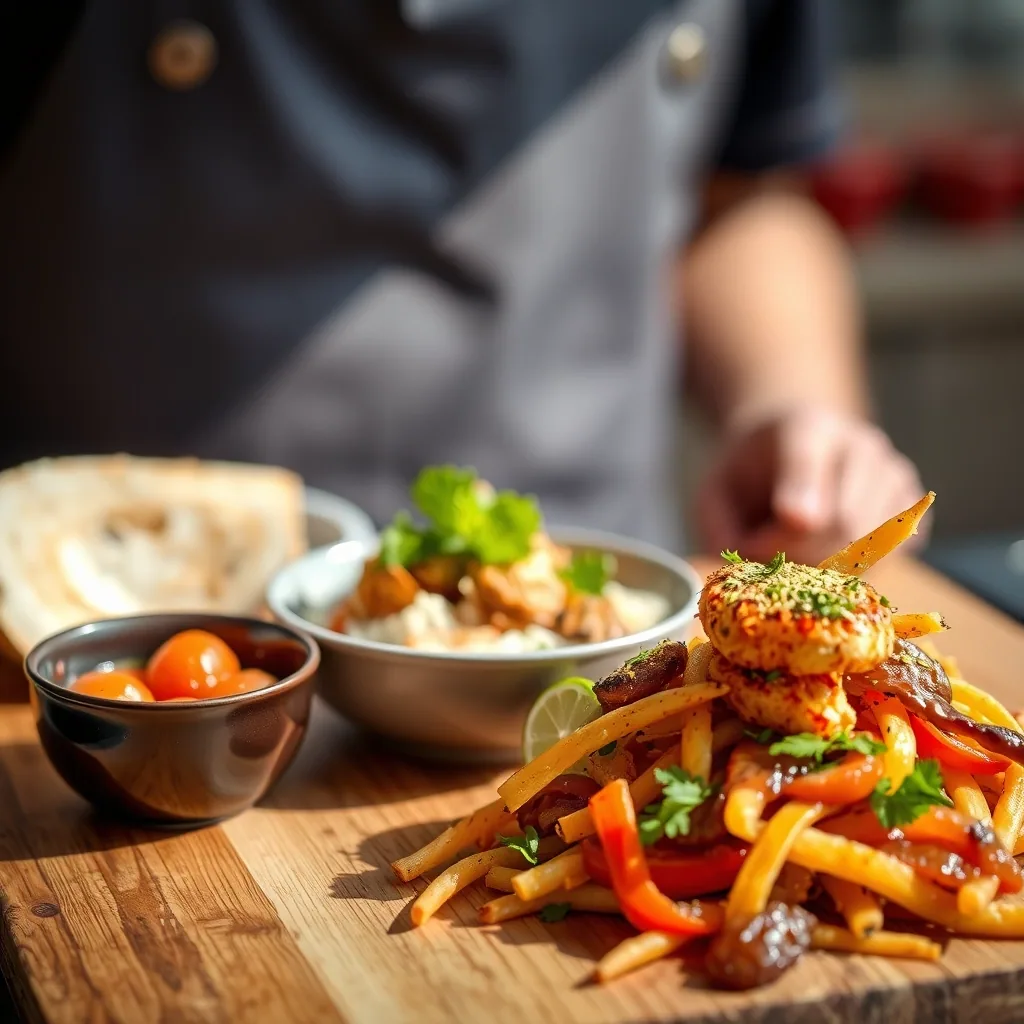
If you’ve ever been to Taco Villa, you know their red sauce is pure magic—tangy, slightly spicy, and absolutely addictive on everything from tacos to chips. 🌶️ I’ve been obsessed with recreating that distinctive Tex-Mex flavor at home, and after countless batches, I finally nailed it.
The secret is balancing tomato paste with just the right blend of chili powder, cumin, and a hint of vinegar for that signature tang. This sauce comes together in under 10 minutes on the stovetop, and the flavor actually improves after sitting in the fridge overnight as the spices meld together.
What you’ll end up with is a smooth, pourable red sauce that tastes exactly like the restaurant version—perfect for drizzling over tacos, burritos, enchiladas, or keeping on hand for dipping chips. It stores beautifully in the fridge for up to two weeks, so you can have that Taco Villa flavor whenever the craving hits.
Ingredients for taco villa red sauce
These simple pantry ingredients blend into authentic Taco Villa red sauce in just minutes.
| Ingredient | Amount | Notes |
|---|---|---|
| Tomato Paste 🍅 | 6 oz | One standard can, no additives |
| Water 💧 | 1 ½ cups | For smooth, pourable consistency |
| Chili Powder 🌶️ | 2 tbsp | Mild variety for authenticity |
| Ground Cumin 🌿 | 1 tsp | Essential for Tex-Mex flavor |
| Garlic Powder 🧄 | 1 tsp | Not garlic salt |
| White Vinegar 💧 | 2 tbsp | Creates signature tangy flavor |
| Salt 🧂 | 1 tsp | Fine sea salt preferred |
| Sugar 🍯 | ½ tsp | Balances acidity perfectly |
[recipe_ingredient_scaler]
You can find quality tomato paste at any grocery store—Contadina and Hunt's both work perfectly for this recipe. For chili powder, I recommend Gebhardt's or McCormick's mild variety, which gives that authentic Tex-Mex flavor without overwhelming heat. Avoid fancy artisan chili powders here; standard grocery store brands actually taste more like the restaurant version. White vinegar is essential for the tangy finish.
Don't have white vinegar? Apple cider vinegar works in a pinch, though it adds a slightly different tang. If your chili powder is particularly spicy, start with one tablespoon and add more to taste. You can substitute onion powder for half the garlic powder if you prefer. Some people add a pinch of cayenne for extra heat, but traditional Taco Villa sauce is mild and tangy rather than fiery.
Store your homemade red sauce in a glass jar or airtight container in the refrigerator for up to two weeks. The flavors actually improve after sitting overnight as the spices fully bloom. Shake well before each use as ingredients may settle.
Step-by-Step Instructions for Taco Villa Red Sauce
Follow my proven method and you’ll recreate that iconic Tex-Mex flavor in your own kitchen.
🍳 Step 1: Toast the Dried Chiles for Maximum Flavor
Heat a large dry skillet over medium heat for 2 minutes until hot. Add the dried New Mexico chiles and dried guajillo chiles (stems and seeds removed) and toast for 30-45 seconds per side until they become fragrant and slightly darkened. You’ll smell a deep, earthy aroma when they’re ready—that’s the oils releasing.
Watch them closely because they can burn quickly, which creates bitter flavors. I like to press them flat against the skillet with a spatula to ensure even contact and toasting. The chiles should puff up slightly and become more pliable. Once toasted, transfer them immediately to a bowl to stop the cooking process.
Cover the toasted chiles with boiling water and let them soak for 15-20 minutes until they’re completely soft and rehydrated. This step is crucial—underhydrated chiles won’t blend smoothly and will leave your sauce grainy instead of silky. I place a small plate on top to keep them submerged.
👨🍳 Step 2: Blend the Sauce Base Until Silky Smooth
Drain the softened chiles (reserve the soaking liquid) and add them to a high-powered blender along with garlic cloves, ground cumin, dried oregano, onion powder, salt, and 1 cup of the reserved chile water. Blend on high speed for 2-3 minutes until completely smooth with no visible chile skin pieces.
Here’s my secret: I blend in 30-second intervals, stopping to scrape down the sides with a spatula between each interval. This ensures everything gets incorporated evenly. The mixture should be thick but pourable—like a smoothie consistency. If it’s too thick to blend properly, add more reserved chile water ¼ cup at a time until it moves freely in the blender.
For the smoothest possible texture (just like Taco Villa’s), strain the blended mixture through a fine-mesh sieve into a bowl. Use a spatula to press and push the sauce through, leaving behind any remaining chile skins or seeds. This extra step takes 2-3 minutes but makes a huge difference in achieving that restaurant-quality silky texture.
🔥 Step 3: Simmer and Develop the Flavors
Heat 2 tablespoons vegetable oil in a medium saucepan over medium heat. When the oil shimmers, carefully pour in the strained chile mixture—it will sizzle and sputter, so stand back slightly. Stir immediately to prevent sticking.
Add tomato paste, white vinegar, and a pinch of sugar to balance the acidity. Stir everything together until the tomato paste is fully incorporated and no streaks remain. Bring the sauce to a gentle simmer, then reduce heat to medium-low.
Let the sauce simmer uncovered for 15-20 minutes, stirring occasionally, until it thickens to your desired consistency. You’re looking for a sauce that coats the back of a spoon but still pours easily. As it simmers, the raw chile flavor mellows and the spices bloom, creating that complex, layered taste that makes taco Villa sauce so addictive.
Taste and adjust the seasoning during the last 5 minutes of simmering. I usually add a bit more salt and sometimes a touch more vinegar for brightness. The sauce should be savory, slightly smoky, with a mild heat that builds gradually—not overwhelming spiciness, just warm, welcoming flavor.
⏰ Step 4: Cool and Store for Best Flavor
Remove the sauce from heat and let it cool to room temperature for 30 minutes. As it cools, it will thicken slightly more—this is normal. The flavors also continue to develop and meld together during this resting period.
Transfer the cooled sauce to an airtight container or jar. I’ve found that the sauce actually tastes better after sitting in the refrigerator overnight—the flavors marry and deepen beautifully. Store it in the fridge for up to 2 weeks, or freeze in portions for up to 3 months.
Before serving, give the sauce a good stir as some separation may occur during storage. You can serve it cold straight from the fridge (traditional Taco Villa style) or gently reheat it on the stovetop over low heat for 3-4 minutes. Either way, it’s perfect for drizzling over tacos, burritos, enchiladas, or using as a dipping sauce for chips.
Perfect Pairings for Your taco villa red sauce
Classic Tex-Mex Sides: This red sauce pairs beautifully with Spanish rice cooked with tomato, onion, and garlic—the mild rice absorbs the tangy sauce perfectly. I also love serving it alongside refried beans topped with queso fresco, where you can drizzle the sauce over both for authentic Tex-Mex flavor layering. Mexican street corn (elote) with mayo, cotija cheese, and chili powder creates a creamy-spicy contrast that complements the sauce’s acidity. For lighter options, a simple cabbage slaw with lime juice and cilantro adds crunch and freshness that cuts through the richness. 🥗
Perfect Drink Pairings: An ice-cold Mexican lager like Corona, Modelo, or Pacifico is my go-to—the crisp, clean flavor refreshes your palate between bites without competing with the sauce’s bold spices. For margarita lovers, a classic lime margarita with 2 oz tequila, 1 oz Cointreau, and fresh lime juice echoes the sauce’s tangy profile beautifully. Horchata, the sweet cinnamon-rice drink, provides cooling contrast to the sauce’s heat and spice. Non-alcoholic options include Mexican Coke made with real sugar or fresh agua fresca in flavors like watermelon or pineapple. 🍺
Complementary Flavor Additions: The sauce’s tangy, slightly spicy profile makes it incredibly versatile for flavor building. Add fresh cilantro and diced white onion on top of your tacos for authentic taqueria flavor—the herbs brighten the sauce’s richness. A squeeze of fresh lime juice amplifies the acidity and adds citrus complexity. I often serve it with pickled jalapeños or pickled red onions for guests who want extra heat and tang. Crumbled cotija cheese or shredded Monterey Jack melts beautifully when the sauce is warm, creating creamy pockets of flavor. A dollop of Mexican crema or sour cream provides cooling richness that balances the spice level perfectly. 🌶️
Seasonal Variations: During summer, I pair this sauce with grilled vegetables like zucchini, bell peppers, and corn that have been charred for smoky sweetness. In fall and winter, it’s perfect drizzled over roasted sweet potato tacos or butternut squash enchiladas, where the sauce’s acidity cuts through the vegetables’ natural sweetness. The sauce also works wonderfully as a base for chili or taco soup during colder months, adding that distinctive Taco Villa tang to hearty comfort food.
Nutrition Facts
25kcal
[recipe_ingredient_scaler]

Trained in classic French technique but raised on slow-cooked ribs and spicy rubs, she blends culinary skill with smoke and soul.
- Recipe for Boneless Pork Chops in Cast Iron Skillet: Sear and Baste to Juicy Perfection - October 3, 2026
- Recipe for Boneless Cross Rib Roast: Slow-Roasted Beef with Herb Crust - October 3, 2026
- Hamburgers in Sauce Recipe Crock Pot: Slow-Cooked Savory Delight - October 3, 2026