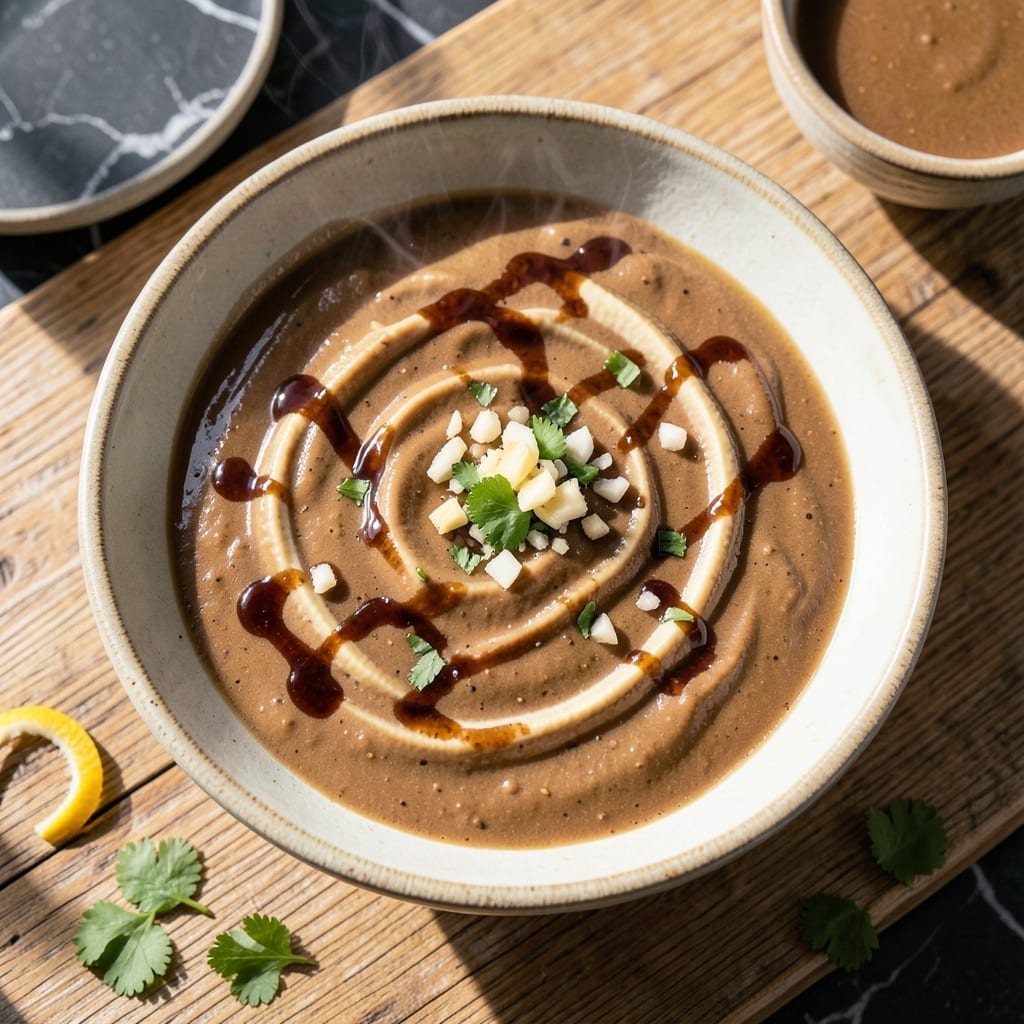
This sauce transforms ordinary dishes with its velvety-smooth texture and balanced sweet-savory notes. I’ve perfected the blend of peanut butter, coconut milk, and lime for a dressing that clings beautifully to noodles or veggies.
Ready in under 10 minutes, it’s a foolproof way to add restaurant-quality flavor to any meal. The secret lies in the slow integration of ingredients to prevent separation.
Ingredients for Thai Peanut Sauce Recipe with Peanut Butter
Ten ingredients deliver that velvety-smooth, restaurant-quality sauce you crave for dipping and dressing.
| Ingredient | Amount | Notes |
|---|---|---|
| Creamy Peanut Butter 🥜 | ½ cup | Unsweetened, natural preferred |
| Full-Fat Coconut Milk 🥥 | ½ cup | Canned, well-shaken before measuring |
| Fresh Lime Juice 🍋 | 3 tbsp | Newly squeezed for brightness |
| Soy Sauce 🫒 | 2 tbsp | Or tamari for gluten-free |
| Maple Syrup 🍁 | 2 tbsp | Or agave nectar as substitute |
| Fresh Garlic Cloves 🧄 | 2 cloves | Minced finely for even distribution |
| Fresh Ginger Root 🌿 | 1 tbsp | Peeled and grated |
| Rice Vinegar 🫒 | 1 tbsp | Adds tangy balance |
| Sesame Oil 🫒 | 1 tsp | Toasted for depth of flavor |
| Red Pepper Flakes 🌶️ | ½ tsp | Adjust to taste for heat |
[recipe_ingredient_scaler]
The peanut butter is the foundation—natural, unsweetened is non-negotiable for the right texture. Whole Foods 365 or Crazy Richard’s are solid choices. Coconut milk must be full-fat (the canned Thai Kitchen or Native Forest brands work best) for that creamy consistency. Fresh lime juice is essential; bottled lacks the vibrancy. Always check your soy sauce label for hidden fish derivatives if strict vegan adherence is required.
No coconut milk? Heavy cashew cream (blend soaked cashews with water) works in a pinch. Swap maple syrup for coconut sugar if you prefer a deeper flavor. Fresh ginger can be replaced with one-third the amount of ground ginger, though the fresh version is superior. For a nut-free version, sunflower seed butter is the best alternative, though the flavor profile will differ slightly.
Store in an airtight container in the fridge for up to 1 week. For longer storage, freeze in ice cube trays for up to 3 months. The sauce may thicken when chilled—just whisk in a splash of warm water to restore its velvety texture.
Why You’ll Love This Recipe
- 5-Minute Magic: I dump everything in one bowl—peanut butter, coconut milk, lime, soy, maple—and it’s ready before the noodles finish cooking.
- Crave-Worthy Balance: That sweet-savory dance of maple and soy with the creamy peanut butter? I could drink it straight from the spoon.
- Meal Prep MVP: I make a double batch on Sunday and it keeps beautifully for dipping, drizzling over rice bowls, or tossing with cold noodles all week.
- Pantry Hero: Honestly, I always have these ingredients on hand, so it’s my go-to when I need a flavor boost without a grocery run.
Step-by-Step Instructions for Thai Peanut Sauce
Here’s the proven method to achieve a perfectly balanced sauce every time.
Step 1: Prepare the Aromatic Base
Finely mince the 2 cloves Fresh Garlic Cloves and peel and grate the 1 tbsp Fresh Ginger Root using a microplane. This ensures even distribution throughout the sauce and prevents any large pieces from overpowering a single bite.
Combine these in a small bowl—this aromatic paste will form the flavor foundation of your sauce. I always use fresh ingredients here; pre-minced garlic or powdered ginger won’t deliver the same bright, complex notes that make this sauce exceptional.
Step 2: Whisk the Liquid Components
In a medium bowl, combine the 0.5 cup Creamy Peanut Butter with the 0.5 cup Full-Fat Coconut Milk. The natural oils in the peanut butter will start to loosen as you whisk, but the coconut milk’s fat content is what truly creates that velvety texture.
Add the 2 tbsp Soy Sauce, 2 tbsp Maple Syrup, 3 tbsp Fresh Lime Juice, 1 tbsp Rice Vinegar, and 1 tsp Sesame Oil. Whisk vigorously for 1-2 minutes until completely smooth. The mixture should be glossy and pourable, with no visible oil separation.
Step 3: Incorporate Aromatics and Season
Add the minced garlic and grated ginger to the peanut butter mixture. Whisk again for 30 seconds to fully integrate these potent flavors. The fresh ginger will add a bright, slightly spicy note that complements the richness of the peanut butter.
Sprinkle in the 0.5 tsp Red Pepper Flakes and whisk once more. Start with the full amount, then taste—you can always add more heat, but you can’t take it out. The sauce should have a subtle warmth that builds gently rather than an immediate sharp spiciness.
Step 4: Adjust Consistency and Rest
Check the sauce’s thickness. For a dipping consistency, it should coat the back of a spoon but still drip slowly. If it’s too thick, whisk in 1-2 teaspoons of warm water at a time until it reaches your desired texture.
Let the sauce rest at room temperature for 10-15 minutes before serving. This allows the flavors to meld and the garlic’s sharpness to mellow slightly. The surface should appear smooth with a slight sheen, and the color will deepen slightly as it sits.
Pro Tips For Making Thai Peanut Sauce Recipe With Peanut Butter
- Warm the peanut butter: Microwave the peanut butter for 15-20 seconds before mixing—it blends smoother into the coconut milk and prevents those stubborn clumps I used to fight with a whisk.
- Use full-fat coconut milk: Skip the light version; the fat in full-fat coconut milk is what gives the sauce its rich, creamy texture that actually clings to noodles or veggies.
- Balance the lime last: Add the lime juice at the end and taste as you go—too much upfront can make the sauce bitter, and you can’t take it out once it’s in.
- Thin with warm water: If the sauce is too thick, stir in warm water a tablespoon at a time instead of more coconut milk—it keeps the flavor concentrated without watering it down.
Pro Cooking Tips for Perfect Results
💡 Master the Heat
Gentle heat is key to a smooth Thai peanut sauce. Warm the mixture over low-medium heat to avoid scorching the peanut butter. Stir constantly to prevent separation and ensure even blending. If the sauce thickens too quickly, add a splash of water or coconut milk to restore its creamy texture.
🌡️ Balance the Flavors
Taste as you go and adjust the seasoning. A perfect Thai peanut sauce balances sweet, salty, tangy, and spicy notes. If it’s too thick, thin it with lime juice or water. If it’s too tangy, add a touch of honey or brown sugar. For extra depth, sprinkle in a pinch of fish sauce or soy sauce.
✨ Texture Tips
For an ultra-smooth sauce, use creamy peanut butter and blend all ingredients thoroughly. If you prefer a chunkier texture, stir in crushed peanuts at the end. Let the sauce rest for 10-15 minutes before serving to allow the flavors to meld beautifully.
🎯 Ingredient Quality Matters
Opt for natural peanut butter without added sugars or oils for the best results. Fresh lime juice, high-quality coconut milk, and aromatic garlic and ginger will elevate your sauce. Toasting the peanut butter lightly before mixing can also enhance its nuttiness.
Nutrition Facts

Trained in classic French technique but raised on slow-cooked ribs and spicy rubs, she blends culinary skill with smoke and soul.
- Recipe for Boneless Pork Chops in Cast Iron Skillet: Sear and Baste to Juicy Perfection - October 3, 2026
- Recipe for Boneless Cross Rib Roast: Slow-Roasted Beef with Herb Crust - October 3, 2026
- Hamburgers in Sauce Recipe Crock Pot: Slow-Cooked Savory Delight - October 3, 2026