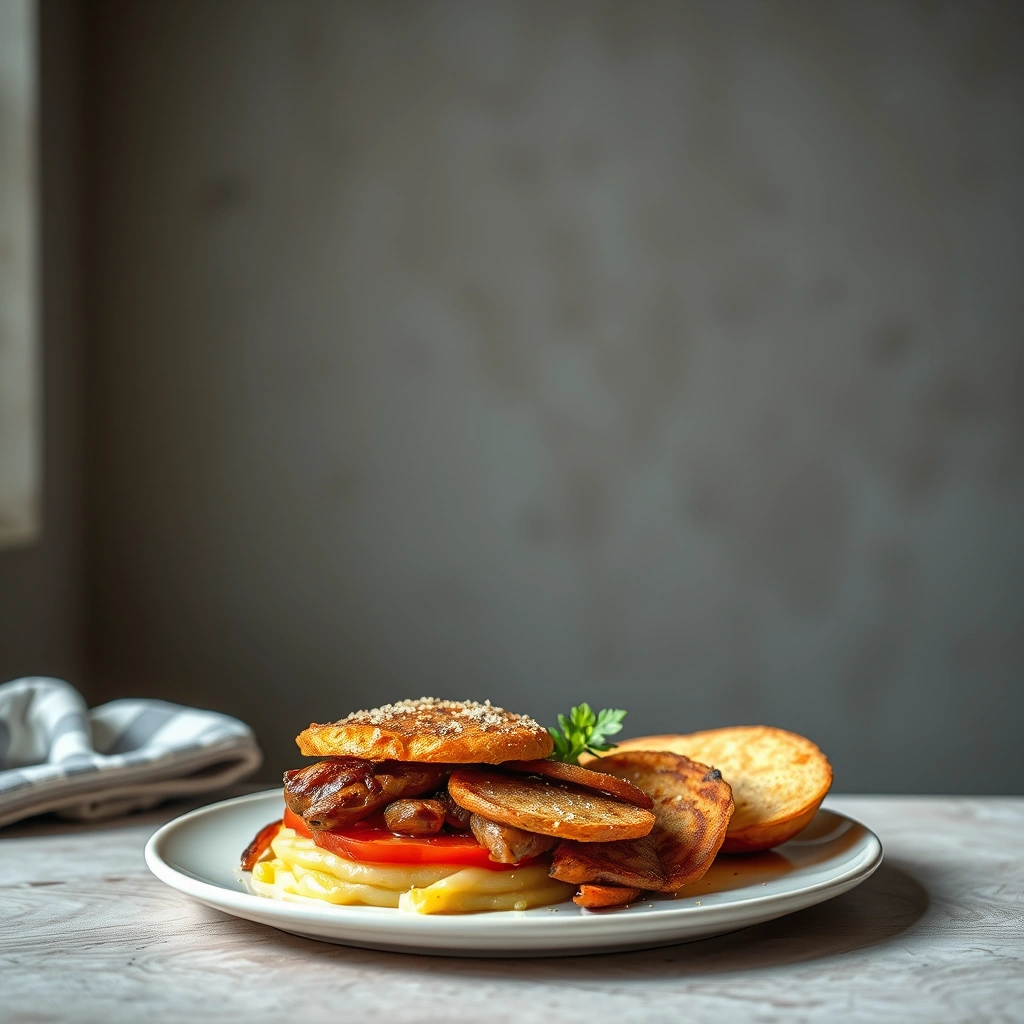
There’s something magical about the flavors of Filipino cuisine, and this tilapia recipe brings that magic right into your kitchen. 🌟 Imagine tender fish infused with aromatic herbs and spices, sizzling in a pan, ready to delight your taste buds. I can’t wait to share it with you!
This dish is not only simple to make but also showcases fresh ingredients that elevate tilapia to new heights. With a few pantry staples and just 30 minutes, you can create a restaurant-quality meal that’s both satisfying and full of flavor. Trust me; it’s foolproof!
By the time you’re done, you’ll have a beautifully plated tilapia dish, fragrant with garlic, ginger, and a hint of citrus. Each bite is a celebration of Filipino flavors that will have everyone asking for seconds. Let’s dive into the details and get cooking!
Ingredients for tilapia recipe pinoy
Gather these fresh ingredients and you’ll have a delightful tilapia dish ready in no time.
| Ingredient | Amount | Notes |
|---|---|---|
| Tilapia Fillets 🐟 | 1 ½ lb | Fresh or thawed, skinless |
| Garlic Cloves 🧄 | 4 cloves | Minced for flavor |
| Ginger 🧑🍳 | 1 tbsp | Freshly grated, aromatic |
| Lemon Juice 🍋 | 2 tbsp | Freshly squeezed, brightens flavor |
| Soy Sauce 🍚 | 3 tbsp | Low-sodium preferred |
| Vegetable Oil 🫒 | 2 tbsp | For frying, neutral flavor |
| Green Onions 🧅 | 2 whole | Chopped for garnish |
| Salt 🧂 | 1 tsp | Adjust to taste, kosher preferred |
| Black Pepper 🌶️ | ½ tsp | Freshly ground for aroma |
| Bell Pepper 🌶️ | 1 whole | Sliced for color and crunch |
| Carrots 🥕 | 1 whole | Julienned for texture |
[recipe_ingredient_scaler]
You can find fresh tilapia fillets at local seafood markets or grocery stores like Whole Foods and Trader Joe's. Look for fillets with a mild smell and firm texture. For the best soy sauce, consider Kikkoman or San-J brands, which offer great quality and flavor.
If you don't have fresh ginger, ground ginger can be used—just reduce the amount to one teaspoon. For a gluten-free version, use tamari instead of soy sauce. Bell peppers can be swapped for any color, and zucchini or snap peas work well as substitutes for added crunch.
Store tilapia in the coldest part of your fridge and use within 1-2 days of purchase. Keep ginger in a cool, dry place to maintain freshness. Fresh vegetables should be used within a week for the best flavor and texture.
Step-by-Step Instructions for Tilapia Recipe Pinoy
Let me guide you through this delightful dish that captures the essence of Filipino flavors perfectly.
👨🍳 Step 1: Prepare the Tilapia for Cooking
Start by rinsing 4 tilapia fillets under cold water and patting them dry with paper towels. I like to ensure they are completely dry; excess moisture can prevent a good sear. Next, season both sides generously with salt and pepper, allowing the fish to absorb the flavors while you prepare the other ingredients.
While seasoning, I also like to squeeze the juice of 1 lime over the fillets, enhancing the overall flavor profile. You’ll notice how the citrus not only adds brightness but also helps tenderize the fish. Let it sit for about 15 minutes to marinate lightly—this is essential for building depth in taste.
🔥 Step 2: Sear the Tilapia to Perfection
Heat a large skillet over medium-high heat and add 2 tablespoons of vegetable oil. Once the oil shimmers, carefully place the tilapia fillets in the pan, making sure not to overcrowd them. I like to cook them in batches if necessary. Let them cook undisturbed for about 4-5 minutes on each side until they are golden brown and crispy.
You’ll know it’s time to flip them when they release easily from the pan without sticking. This ensures that you get that lovely crust on each fillet. After flipping, cook for another 4-5 minutes. You want to see a beautiful golden color on both sides and feel that they are firm to the touch.
🥘 Step 3: Prepare the Sauce for Flavor Enhancement
In the same skillet, reduce the heat to medium and add 1 tablespoon of minced garlic. Sauté for about 30 seconds, just until fragrant—be careful not to let it burn! Then, add 1 cup of diced tomatoes, along with 1 tablespoon of soy sauce and 1 tablespoon of fish sauce. This combination creates a rich and savory base.
I allow this mixture to simmer for about 5 minutes, letting the flavors meld together beautifully. You’ll notice the sauce thickening slightly and turning aromatic. Stir occasionally, scraping up any bits stuck to the bottom of the pan; these bits contribute extra flavor to your sauce.
🍽️ Step 4: Combine Tilapia with Sauce and Serve
Once the sauce has thickened, gently return the seared tilapia fillets to the skillet. Spoon some of that luscious sauce over each fillet, allowing them to soak in all that flavor. I usually let them simmer together for about 2-3 minutes, ensuring that the tilapia is heated through and infused with the sauce.
To finish, garnish with freshly chopped cilantro or green onions for a pop of color and freshness. Serve hot over a bed of steamed rice, which perfectly absorbs all the delicious juices. You’ll see how every bite is a delightful mix of flavors—a true taste of Filipino cuisine!
Regional Styles of This Recipe
Batangas Style: In the Batangas region, tilapia is often marinated with a mix of soy sauce, calamansi juice, and garlic, enhancing its natural flavors. This style usually involves grilling the fish over charcoal, which imparts a delicious smoky flavor. The locals often serve it with a side of spicy vinegar for dipping, creating a delightful contrast. The combination of citrus and soy sauce gives the fish a unique tangy profile that’s hard to resist. 🗺️
Visayan Style: In the Visayas, particularly Cebu, tilapia is frequently prepared in a dish called “escabeche.” This involves frying the fish until crispy and then serving it with a sweet and sour sauce made from vinegar, sugar, and various spices. The inclusion of fresh vegetables like bell peppers and onions adds both color and crunch, making it visually appealing. This method not only highlights the fish’s texture but also brings vibrant flavors to the table. 🔥
Pampanga Style: Pampanga is known as the culinary capital of the Philippines, and their tilapia dishes are no exception. Here, tilapia is often stuffed with herbs like lemongrass and served in a savory broth with vegetables. The focus is on fresh ingredients and bold flavors, often using local herbs like pandan to enhance the dish. This approach elevates the tilapia into a comforting meal that showcases the region’s rich culinary heritage.
Ilocano Style: In Ilocos, tilapia is commonly cooked in a dish called “pinakbet,” where it’s stewed with a variety of vegetables such as eggplant, bitter melon, and squash. The fish absorbs all the earthy flavors from the vegetables and is often seasoned with shrimp paste for an umami kick. This method emphasizes local produce and traditional cooking techniques, making it not just a meal but a celebration of the region’s agricultural bounty.
Mindanao Style: In Mindanao, tilapia is often featured in “sinigang,” a sour soup that incorporates tamarind as its base. This regional style emphasizes a balance of flavors—sour, savory, and slightly sweet—resulting in a comforting bowl that warms the soul. often served with rice, this dish showcases how versatile tilapia can be, adapting to various flavor profiles while remaining true to its roots in Filipino cuisine.
Nutrition Facts
320kcal
[recipe_ingredient_scaler]

Trained in classic French technique but raised on slow-cooked ribs and spicy rubs, she blends culinary skill with smoke and soul.
- Recipe for Boneless Pork Chops in Cast Iron Skillet: Sear and Baste to Juicy Perfection - October 3, 2026
- Recipe for Boneless Cross Rib Roast: Slow-Roasted Beef with Herb Crust - October 3, 2026
- Hamburgers in Sauce Recipe Crock Pot: Slow-Cooked Savory Delight - October 3, 2026