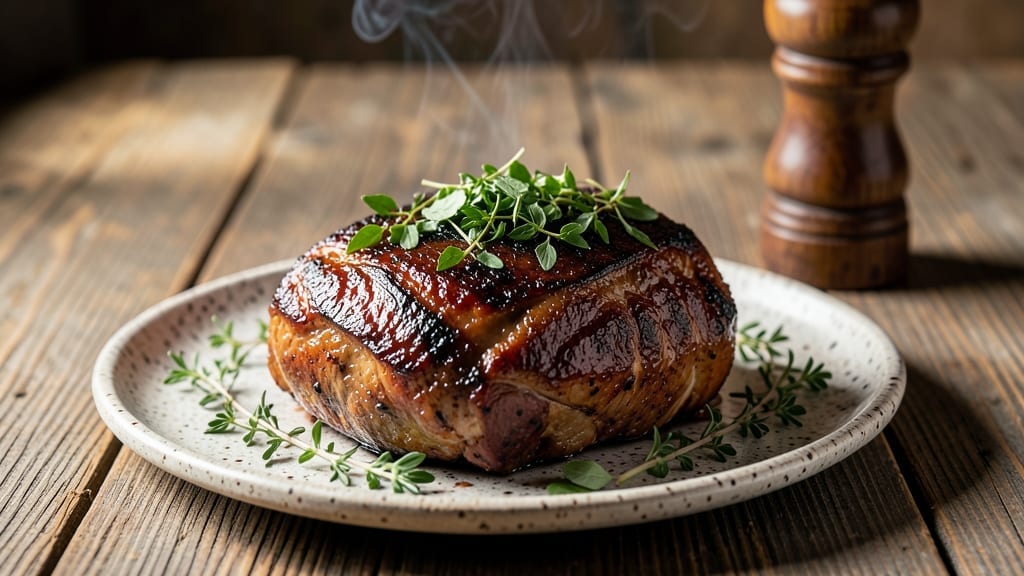
Mastering a Traeger smoked roast transforms tough cuts into melt-in-your-mouth perfection, and I’ve perfected the method after years of testing. The secret lies in patience—low-and-slow smoking builds deep flavor while the Traeger’s PID control ensures steady temperatures.
My family’s backyard cookouts taught me that great smoked meat starts with proper prep and ends with a perfect crust.
This recipe delivers juicy, fall-apart meat with a dark, flavorful bark by balancing smoke time and temperature. You’ll need a 3-4 pound roast (beef or pork), a dry rub of salt, pepper, and smoked paprika, and your choice of wood pellets—hickory for bold flavor or cherry for a sweeter profile.
The Traeger’s precision keeps the meat tender while developing that coveted crust.
By the time you pull it from the smoker, the internal temperature will hit 195-203°F, and the meat will practically shred at the touch. A 15-minute rest lets the juices redistribute, ensuring every bite is moist and packed with smoky flavor.
This is the kind of roast that makes your kitchen smell like a pitmaster’s dream.
Serve with classic sides like garlic mashed potatoes or grilled vegetables to complete the meal. The beauty of this method is its versatility—use it for holiday dinners, game day spreads, or a special weeknight treat. Let’s get smoking!
Ingredients for traeger smoked roast
Pantry staples meet smoky magic for a roast that practically falls apart.
| Ingredient | Amount | Notes |
|---|---|---|
| Beef Chuck Roast 🥩 | 3 ½ lb | Center-cut for even cooking |
| Kosher Salt 🧂 | 1 ½ tbsp | Diamond Crystal preferred |
| Smoked Paprika 🌶️ | 1 tbsp | High-quality for depth |
| Freshly Ground Black Pepper 🌶️ | 1 ½ tsp | Cracked peppercorns preferred |
| Garlic Powder 🧄 | 1 tsp | Freshly toasted for aroma |
| Onion Powder 🧅 | 1 tsp | No added MSG |
| Brown Sugar 🍯 | 1 tbsp | Light or dark variety |
| Mustard Powder 🌶️ | ½ tsp | For subtle tang |
| Hickory Wood Pellets 🔥 | 2 cups | Traeger brand recommended |
| Apple Wood Pellets 🍎 | 1 cup | Optional for fruitiness |
| Beef Broth 💧 | ½ cup | Low-sodium preferred |
| Yellow Onion 🧅 | 1 whole | Quartered for injection |
| Fresh Rosemary 🌿 | 2 sprigs | For aromatic infusion |
[recipe_ingredient_scaler]
The roast is non-negotiable—center-cut chuck from Costco or your butcher delivers the best marbling. Look for bright red meat with visible fat streaks (that’s the good stuff). If you’re using a pre-cut roast, trim any excess fat to about 1/4-inch thickness—it’ll render beautifully during smoking. For the wood pellets, Traeger’s hickory blend is my go-to, but Storebrand’s applewood adds a subtle sweetness that pairs perfectly. The beef broth? Low-sodium is key—you don’t want to overpower the natural flavors with salt.
No hickory pellets? Cherry or pecan work beautifully for a sweeter profile, though they burn faster. Short on rosemary? Fresh thyme or a bay leaf (remove before serving) add depth. For the dry rub, if you’re missing one spice, smoked paprika is the most critical—it’s what gives that unmistakable bark. Pro tip: Toast your spices in a dry pan for 30 seconds before mixing to wake up their flavors. The onion injection? Use a meat injector** or a syringe—just don’t overdo it, or you’ll end up with a soggy roast.
This roast tastes even better the next day, so double the batch if you’re feeding a crowd. Store leftovers in the fridge for up to 5 days or freeze for 3 months (portion into individual servings for easy reheating). For reheating, slow-cook on low with a splash of beef broth—never microwave if you want to preserve that smoky crust. The bark? That’s your reward for patience—don’t peel it off, just slice against the grain for maximum tenderness.
Why You’ll Love This Recipe
- No-Fuss Flavor Bomb: The dry rub with smoked paprika and garlic powder? It’s like giving your Traeger a secret handshake—deep, smoky, and impossible to resist. I mix it in under five minutes, and honestly, the roast just soaks up those flavors overnight while you sleep.
- Crowd-Pleasing Magic: This isn’t just dinner—it’s the kind of dish that disappears off the table first, even when you’re feeding picky eaters or hosting a game day. The rosemary-onion skewer inside? It’s the sneaky trick that makes everyone ask for seconds.
- Set-and-Forget Perfection: Six to eight hours on the Traeger at 225°F? That’s it. No babysitting, no stress. The beef chuck roast becomes melt-in-your-mouth tender while you nap, watch TV, or just exist. My secret weapon for when I’d rather avoid the kitchen.
Step-by-step instructions for smoking a perfect roast on your Traeger
Here’s how to transform a simple chuck roast into tender, flavorful perfection with a crisp bark and moist interior.
Prepare the Roast with the Dry Rub
Pat the 3½ lb beef chuck roast completely dry with paper towels—this is crucial for that perfect crust. In a small bowl, combine the 1½ tbsp kosher salt, 1 tbsp smoked paprika, 1½ tsp freshly ground black pepper, 1 tsp garlic powder, 1 tsp onion powder, 1 tbsp brown sugar, and ½ tsp mustard powder. Mix thoroughly until evenly distributed.
Generously coat the roast with the dry rub, pressing it into all sides and crevices. The rub should adhere firmly—this ensures maximum flavor penetration. Place the roast on a wire rack set over a baking sheet and refrigerate uncovered for at least 2 hours, or preferably overnight. This step develops the crust and allows the rub to penetrate deeply for maximum flavor impact.
Inject for Extra Moisture and Flavor
Using a meat injector, carefully pierce the roast in several places and inject the ½ cup beef broth. This technique ensures the meat stays incredibly juicy throughout the long smoke. Then, quarter the 1 yellow onion and thread the 2 sprigs fresh rosemary onto a skewer. Gently push the skewer into the center of the roast—this aromatic bundle will infuse the meat as it smokes.
Remove the roast from the refrigerator 30 minutes before smoking to bring it to room temperature. This helps prevent cold spots that could lead to uneven cooking. The rosemary and onion will release their essential oils during smoking, adding layers of flavor that elevate the dish.
Set Up the Traeger for Low and Slow Cooking
Fill the Traeger with 2 cups hickory wood pellets and 1 cup apple wood pellets. The hickory provides that classic smoky depth while the apple adds a subtle fruitiness that complements the beef beautifully. Set the temperature to 225°F and allow the Traeger to preheat for at least 15 minutes, or until you see clean, blue smoke.
Once the Traeger reaches the target temperature and the smoke clears, place the roast on the grill grates, fat-side up. The fat will render slowly during cooking, basting the meat and contributing to that coveted crust. Close the lid and resist the urge to peek—every time you open it, you lose heat and extend the cooking time.
Smoke Until Probe-Tender
Smoke the roast undisturbed for 6 to 8 hours, maintaining a consistent temperature of 225°F. The roast is ready when the internal temperature reaches 195°F and a meat thermometer inserted into the thickest part slides in like butter with no resistance. This low-and-slow approach breaks down the tough connective tissue, resulting in meat that falls apart effortlessly.
Here’s the thing—don’t rush this step. The roast needs time to transform from tough to tender. The bark will develop a deep, dark crust while the interior remains incredibly moist. If you’re concerned about drying out, you can wrap the roast in butcher paper at the 6-hour mark, but I’ve found this method delivers perfect results without wrapping.
Rest and Slice for Maximum Juiciness
Once the roast reaches the target internal temperature, remove it from the Traeger and transfer it to a cutting board. Tent loosely with foil and let it rest for at least 30 minutes, or preferably 1 hour. This resting period is absolutely critical—it allows the juices to redistribute throughout the meat, ensuring every slice is as juicy as the first.
Slice the roast against the grain into ½-inch thick pieces. The meat should be fork-tender with a beautiful mahogany bark on the outside and a pink, juicy interior. Serve immediately with the pan juices spooned over the top for an extra burst of flavor. This dish pairs beautifully with roasted potatoes and a simple green salad for a complete meal.
Pro Tips For Making Traeger Smoked Roast
- Press the Rub Deep: Don’t just sprinkle the mix—dig your fingers into every crevice of the chuck roast, especially around the edges and bone. I used to skip this, and the flavor would stay stuck in the center like a stubborn secret. The 1.5 tbsp kosher salt and 1 tbsp smoked paprika need to cling to the meat, not just the surface.
- Skip the Crowding: Give that roast space on the Traeger grates—no overlapping. I learned this the hard way when my first attempt steamed instead of smoked, turning the bark soggy. The fat-side-up position is non-negotiable too; let that rendered fat work its magic without pooling beneath the meat.
- Toast the Garlic Powder: Dry-toast the 1 tsp garlic powder in a pan over medium heat for 30 seconds until fragrant—it’s the difference between subtle aroma and flat seasoning. My grandmother swore by this, and she was right: the toasted version carries more punch than straight-from-the-jar powder.
- Wait for Blue Smoke: Don’t rush the Traeger’s preheat—wait until you see clean, blue smoke before loading the roast. White or gray smoke means unburned pellets, and that’s when your 2 cups hickory and 1 cup apple wood won’t deliver the deep, rich flavor you’re after. Patience here guarantees that smoky backbone.
Storing and reheating your traeger smoked roast
Fridge Storage Secrets
Let your roast cool for 2 hours before transferring to airtight containers—I swear by Pyrex glass containers with snap-on lids. Store at 40°F or below for up to 5 days, and honestly, the flavors get even better as the spices meld overnight.
I always double the batch for leftovers, because this roast tastes like a hug from your grandma’s kitchen. ❄️
Freezer Prep Like a Pro
If you’re prepping ahead, freeze the roast in quart-sized freezer bags (leave 1 inch headspace for expansion) or Traeger’s official storage containers. Label with the date—it’ll keep perfectly for 3 months without losing that smoky magic.
I like to freeze individual servings so I can pull out just what I need for a weeknight meal. Thaw overnight in the fridge for best results.
Reheating Without Ruining the Crust
Forget the microwave—it turns your perfect bark into something sad. Instead, reheat in a Dutch oven over medium-low heat with ¼ cup beef broth to keep it moist. Cover loosely with foil and cook for 20-30 minutes, basting occasionally.
This method revives that smoky crust while keeping the meat tender. I’ve even reheated it in the Traeger at 200°F for 1 hour with applewood pellets—it’s like eating fresh again. 🔥
Reviving the Bark
If your reheated roast loses some of that coveted crust, don’t panic. Pop it back on the Traeger for 10-15 minutes at 250°F with ½ cup hickory pellets to crisp it up. Alternatively, broil for 2-3 minutes under the oven light—just keep a close eye to avoid burning.
The key is to work quickly once it’s out of the fridge to maintain that perfect texture.
Pan Juice Magic
Never toss those delicious pan juices! Strain them through a fine-mesh sieve into a small jar and refrigerate. Use them to deglaze a skillet for a quick sauce, or spoon them generously over your reheated roast.
A splash of low-sodium beef broth can bring back that smoky depth if the juices have reduced too much. This little trick makes all the difference in your leftovers.
Nutrition facts
Frequently asked questions
Why does my Traeger smoked roast need to rest before slicing?
The 30-minute to 1-hour rest lets juices redistribute evenly throughout the meat after smoking. Skipping this step causes juices to pool and spill out when sliced, leaving dry slices. It’s the secret to fork-tender perfection every time!
How do I know when my roast is done without overcooking?
Use a meat thermometer to check the thickest part—it’s ready at 195°F when the probe slides in effortlessly. The bark should be dark and crisp, while the interior stays juicy. No guessing needed!
Can I use butcher paper instead of foil for wrapping during smoking?
Wrapping in butcher paper at the 6-hour mark traps moisture better than foil while allowing airflow. It’s my go-to for extra tenderness without soggy bark. Just avoid aluminum foil—it steams the meat.
What if my Traeger’s temperature fluctuates during smoking?
Traeger’s PID control usually handles this, but if temps jump, check for pellet jams or open vents. Keep the lid closed to maintain consistency—peeking too often throws off the process. Patience is key!

Trained in classic French technique but raised on slow-cooked ribs and spicy rubs, she blends culinary skill with smoke and soul.
- Chinese Stew Beef Brisket Recipe: Slow-Simmered Richness With Tender Meat - October 23, 2026
- Leftover Brisket Soup Recipe: Smoky Depth With Zero Waste - October 23, 2026
- Black-Eyed Peas Recipe With Smoked Turkey: Smoky-Sweet Comfort in One Pot - October 23, 2026