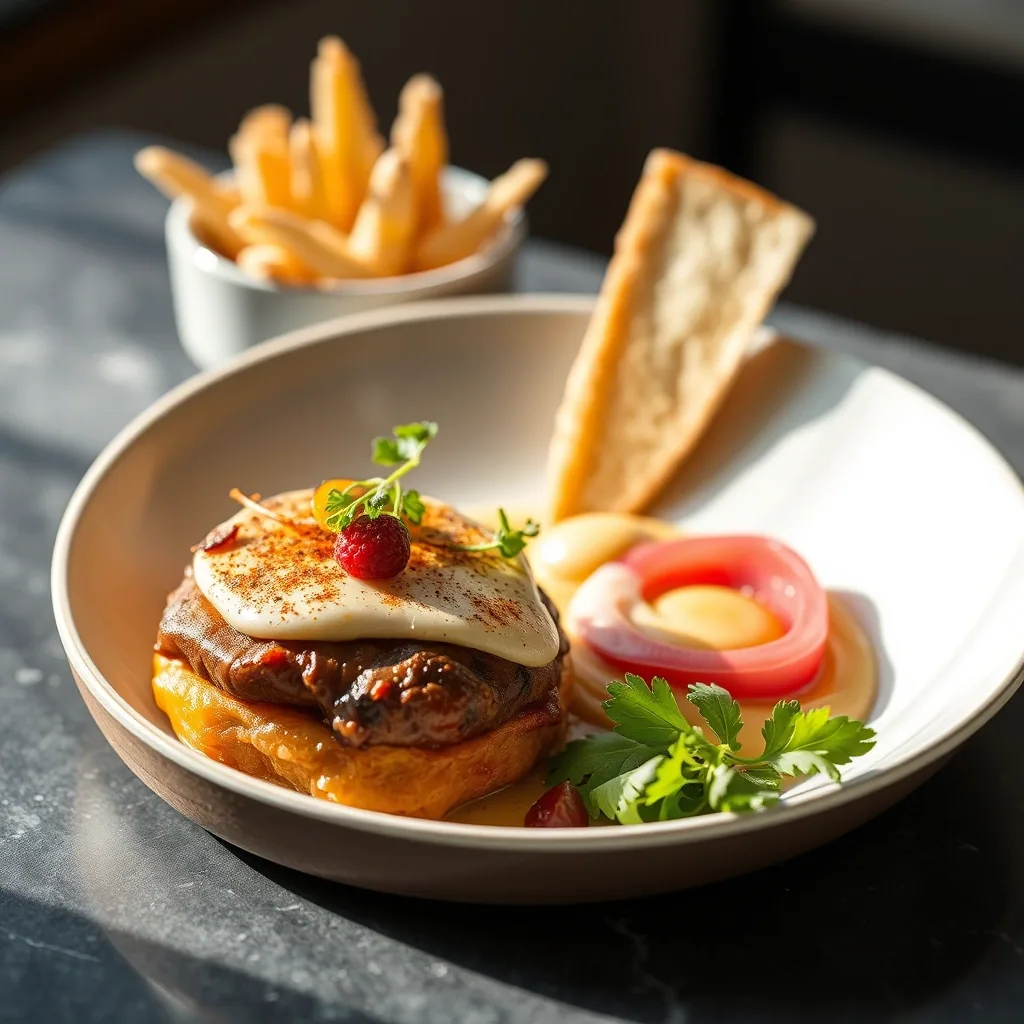
I’m obsessed with this True Korean Noodle Bowl recipe – it’s a flavor explosion in every bite! The combination of spicy gochujang sauce, savory soy sauce, and perfectly cooked noodles creates a dish that’s both satisfying and addictive.
What makes this recipe special is its versatility. You can customize it with your favorite vegetables, proteins, and spice levels to suit your taste. I’ll walk you through the entire cooking process, from prep to presentation, so you can create an authentic Korean-inspired meal at home.
With this recipe, you’ll get a delicious and filling bowl that’s perfect for any meal. The best part? It’s ready in under 30 minutes, making it a great option for busy weeknights. Let’s get started and make this True Korean Noodle Bowl!
Ingredients for true food korean noodle bowl
Here’s everything you need to create this delicious True Korean Noodle Bowl at home.
| Ingredient | Amount | Notes |
|---|---|---|
| Korean Chili Flakes 🌶️ | 2 tbsp | Gochugaru for authentic heat |
| Gochujang Sauce 🍜 | ¼ cup | Korean chili paste for depth |
| Soy Sauce 🧂 | ¼ cup | Use low-sodium variety |
| Rice Vinegar 🍋 | 2 tbsp | For balanced flavor |
| Sesame Oil 🫒 | 1 tbsp | Toasted for nuttiness |
| Garlic Cloves 🧄 | 4 cloves | Minced for best flavor |
| Ginger 💡 | 1 tbsp | Freshly grated |
| Korean Noodles 🍜 | 8 oz | Dried, such as naengmyeon |
| Cucumber 🥒 | 1 whole | Thinly sliced |
| Carrots 🥕 | 2 whole | Julienned for texture |
| Bean Sprouts 🌱 | 1 cup | Blanched for tenderness |
| Green Onions 🌿 | 4 whole | Thinly sliced for garnish |
[recipe_ingredient_scaler]
You can find most ingredients at Asian markets or well-stocked supermarkets. Look for authentic Korean chili flakes (gochugaru) for the signature heat. For the best gochujang sauce, check the refrigerated section where Korean products are stored. Choose low-sodium soy sauce to control salt levels. For noodles, naengmyeon or other Korean buckwheat noodles work best.
Substitute zucchini or bell peppers for carrots if you prefer. For added protein, include cooked chicken, beef, or tofu. If you can't find gochujang, mix sriracha with miso paste as a substitute. Adjust garlic and ginger amounts to taste. For a milder version, reduce Korean chili flakes or omit entirely. Use pre-made your noodles or use store-bought.
Store noodles in a cool, dry place for up to 6 months. Keep gochujang and soy sauce in the pantry for up to 1 year. Refrigerate any leftover sauce or dressing for up to 1 week. Store vegetables in the crisper drawer and use within 3 days for best quality.
Step-by-Step Instructions for True Korean Noodle Bowl
I’ll guide you through creating this authentic Korean noodle bowl, balancing spicy, savory, and fresh flavors perfectly.
🔥 Step 1: Prepare the Spicy Sauce Base
In a medium bowl, whisk together the 2 tbsp Korean Chili Flakes, 0.25 cup Gochujang Sauce, 0.25 cup Soy Sauce, and 2 tbsp Rice Vinegar until smooth. The chili flakes will add a deep, slow-building heat while the Gochujang provides rich umami. Make sure to use low-sodium soy sauce as it helps balance the overall saltiness.
The sauce might look slightly separated at first, but it will emulsify when you add the 1 tbsp Sesame Oil. Whisk until fully incorporated and set aside. This sauce is the foundation of your noodle bowl’s flavor profile.
👨🍳 Step 2: Prepare the Aromatics and Vegetables
Start by mincing the 4 cloves Garlic Cloves and grating 1 tbsp Ginger. The freshness of these aromatics is crucial for the overall brightness of the dish. I like to use a microplane for grating ginger as it creates a fine, even texture that distributes flavor well.
Next, thinly slice the 1 whole Cucumber and 2 whole Carrots. For the cucumbers, I use a mandoline to get paper-thin slices that stay crisp. For carrots, julienne them into matchstick-sized pieces for nice texture contrast. Set these aside in separate bowls of ice water to keep them crisp.
🍳 Step 3: Cook the Noodles and Bean Sprouts
Bring a large pot of water to a rolling boil and cook the 8 oz Korean Noodles according to package instructions, typically 3-5 minutes or until they float to the surface. Drain and rinse under cold running water to stop the cooking process and remove excess starch. Drain well and set aside.
In the same boiling water, blanch the 1 cup Bean Sprouts for 30 seconds until they’re tender but still crisp. Drain and rinse under cold water to preserve their bright white color and texture. The quick blanch helps remove any raw bean flavor while maintaining their satisfying crunch.
🥘 Step 4: Assemble the Noodle Bowls
Divide the cooked noodles among four bowls. Top with the prepared vegetables: drained cucumber slices, carrot sticks, and bean sprouts. The visual arrangement is important here – I like to create a balanced composition with the vegetables.
Spoon the prepared spicy sauce over the top, making sure each bowl gets an equal amount. The sauce should pool slightly at the bottom, creating that perfect balance of flavors in every bite. Garnish with thinly sliced 4 whole Green Onions for a fresh, oniony finish.
Let’s dive into the world of flavors with the True Food Korean Noodle Bowl Recipe! 🌟 This dish is a perfect blend of spicy, savory, and satisfying, making it a must-try for anyone who loves Korean cuisine. The best part? It’s incredibly easy to make and customize according to your taste preferences.
Key Ingredients 🔥
- 1 package of Korean noodles (such as ramyeon or naengmyeon)
- 2 cups of mixed vegetables (e.g., bean sprouts, zucchini, carrots)
- 1 cup of protein (e.g., beef, chicken, or tofu)
- 2 tablespoons of Gochujang sauce
- 1 tablespoon of soy sauce
- 1 tablespoon of rice vinegar
- 1 teaspoon of grated ginger
- Sliced green onions and toasted sesame seeds for garnish
The beauty of this recipe lies in its versatility. Feel free to get creative with the ingredients and adjust the spice level to your liking. For an extra kick, add some kimchi or gochugaru (Korean chili flakes) to the mix! 🔥
Customization Tips 💡
To make this dish your own, consider the following variations:
- Swap the protein with your favorite option, such as shrimp or pork.
- Add some crunch with toasted nuts or seeds.
- For a vegan version, replace the protein with tofu or tempeh and use a vegan-friendly Gochujang sauce.
With these simple tips and ingredients, you’re ready to create your own delicious True Food Korean Noodle Bowl. Enjoy the process, and don’t hesitate to experiment with new flavors and ingredients! 😊
Tips & Tricks for Perfect True Korean Noodle Bowl
These tried-and-tested tips will help you achieve an authentic Korean noodle bowl experience at home, balancing spicy, savory, and fresh flavors perfectly.
Sauce Preparation: When making the spicy sauce base, start with high-quality Gochujang Sauce for depth of flavor. If you prefer a milder sauce, reduce the Korean Chili Flakes to 1 tablespoon or substitute with a milder chili flake. The sauce will thicken slightly when refrigerated, so make it fresh for best results.
Vegetable Preparation: For the crispiest vegetables, slice the cucumber and carrots just before serving. Soaking them in ice water for 10-15 minutes helps maintain their crunch. For added color, you can also include thinly sliced radishes or red bell peppers.
Noodle Cooking: Cook the Korean Noodles until they are just al dente, as they’ll continue to cook slightly when drained. Rinsing them under cold water stops the cooking process and removes excess starch, preventing them from becoming mushy. Drain well before assembling the bowls.
Garnish Tips: Thinly slice the green onions just before serving for the freshest flavor. You can also add toasted sesame seeds or crushed roasted peanuts for added texture and nutty flavor. For an extra spicy kick, sprinkle some additional Korean Chili Flakes on top.
Nutrition Facts
320kcal
This spicy Korean noodle bowl recipe is a nutritional powerhouse, combining protein-rich noodles with fiber-packed vegetables and healthy fats from sesame oil. You’ll get a satisfying meal that’s both nourishing and delicious, making it perfect for a quick lunch or dinner that keeps you energized.
The dish provides a great balance of macronutrients: the Korean noodles offer complex carbohydrates, while the bean sprouts and vegetables add dietary fiber. You’ll also benefit from the protein content, primarily from the noodles and some from the vegetables, making this a well-rounded meal.
While this recipe is nutrient-dense, be mindful of the sodium content from the soy sauce and gochujang sauce. Enjoying it in moderation as part of a balanced diet will help you savor the bold flavors while maintaining nutritional balance. Consider adjusting the amount of gochujang to suit your taste and dietary needs.
[recipe_ingredient_scaler]

Trained in classic French technique but raised on slow-cooked ribs and spicy rubs, she blends culinary skill with smoke and soul.
- Recipe for Boneless Pork Chops in Cast Iron Skillet: Sear and Baste to Juicy Perfection - October 3, 2026
- Recipe for Boneless Cross Rib Roast: Slow-Roasted Beef with Herb Crust - October 3, 2026
- Hamburgers in Sauce Recipe Crock Pot: Slow-Cooked Savory Delight - October 3, 2026