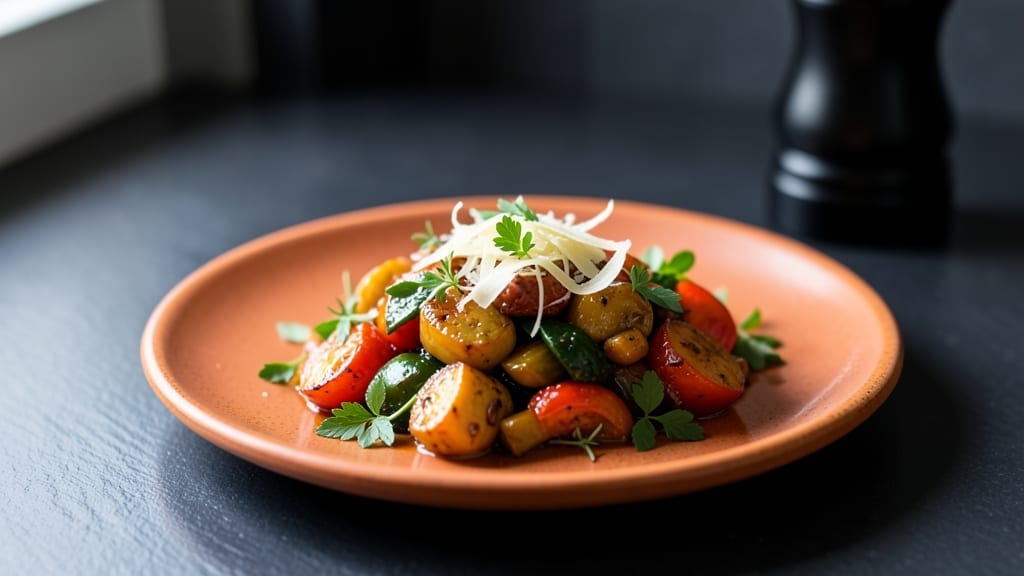
A bold umami veg marinade transforms ordinary grilled vegetables into flavor-packed centerpieces that steal every meal. This recipe delivers restaurant-quality depth with just six simple ingredients, perfect for elevating everything from zucchini to portobello mushrooms.
The secret lies in balancing soy sauce, garlic, and a touch of sweetness to create a marinade that caramelizes beautifully on the grill.
What makes this marinade stand out is its versatility—it works equally well for quick weeknight grilling or overnight marinating for deeper flavor infusion. Unlike store-bought versions packed with preservatives, this recipe uses pantry staples you likely already have, yet achieves complex umami richness through precise ratios.
The acidity from rice vinegar tenderizes vegetables while preventing them from becoming mushy.
By the time your vegetables hit the grill, you’ll have a marinade that creates glossy, caramelized edges with an irresistible aroma. The umami base ensures every bite is packed with savory depth, while the subtle sweetness balances the natural bitterness of vegetables like eggplant or Brussels sprouts.
This is the kind of marinade that transforms simple sides into showstopping dishes.
Use it for grilled vegetable platters, skewers, or even as a base for stir-fries. The recipe scales perfectly for any occasion, from intimate dinners to summer barbecues. Let’s get started with this game-changing marinade that will redefine your vegetable prep forever.
Ingredients for veg marinade
Six pantry staples. One marinade. Restaurant-quality umami that transforms grilled vegetables into star dishes.
| Ingredient | Amount | Notes |
|---|---|---|
| Low-Sodium Soy Sauce 🥢 | ½ cup | High-quality brand for umami depth |
| Rice Vinegar 🍶 | ¼ cup | White or seasoned variety preferred |
| Sesame Oil 🫒 | 1 tbsp | Toasted sesame oil for aroma |
| Garlic Cloves 🧄 | 6 cloves | Freshly minced for potency |
| Fresh Ginger 🌿 | 1 tbsp | Finely grated, not powdered |
| Honey 🍯 | 2 tbsp | Light or wildflower preferred |
| Vegetable Oil 🫒 | 2 tbsp | Neutral oil for emulsification |
| Diamond Crystal Kosher Salt 🧂 | 1 ½ tsp | Fine grain for even distribution |
| Black Peppercorns 🌶️ | ½ tsp | Freshly cracked for texture |
| Sesame Seeds 🌾 | 1 tbsp | Toasted for garnish and crunch |
| Fresh Cilantro 🌿 | ¼ cup | Chopped stems included for flavor |
[recipe_ingredient_scaler]
The soy sauce serves as the umami foundation—Kikkoman or Pearl River Bridge deliver consistent quality. For rice vinegar, Mushroom or Seasoned varieties add subtle complexity without overpowering. Toasted sesame oil from La Tourangelle or Trader Joe’s elevates aroma significantly compared to regular supermarket brands. Fresh ginger and garlic must be finely minced for even distribution; pre-minced garlic often contains anti-caking agents that dull flavor. The honey should be light or wildflower—avoid dark varieties that can overpower the delicate balance. For sesame seeds, toast them in a dry pan for 30 seconds before adding to prevent bitterness.
No sesame oil? Avocado oil at half the amount works in a pinch, though it lacks the nutty aroma. Substitute honey with maple syrup or agave, but reduce to 1.5 tbsp—these sweeteners have stronger flavors. Fresh ginger unavailable? Powdered ginger at one-third the amount, but expect less depth. For a tangier profile, increase rice vinegar to 3 tbsp while reducing soy sauce by 1 tbsp. The vegetable oil can be swapped for avocado or grapeseed oil—just ensure it has a high smoke point for grilling. Pre-minced garlic? Rinse thoroughly to remove preservatives, then drain well before using.
This marinade maintains peak freshness for 5-7 days when refrigerated in an airtight container. For longer storage, divide into ice cube trays and freeze for up to 3 months—thaw overnight in the fridge before using. The sesame seeds and cilantro should be added fresh just before grilling to preserve their texture and aroma. For best results, marinate vegetables for at least 30 minutes—overnight yields maximum flavor infusion. Always discard any unused marinade that has come into contact with raw vegetables to prevent cross-contamination.
Why You’ll Love This Recipe
- No-Chop Necessary: Honestly, I skip mincing the garlic and ginger half the time—just throw in whole cloves and a big chunk of ginger, and the marinade still works. The vegetable oil keeps it from clumping, so even if it’s not perfectly blended, the flavors still cling to your veggies like glue.
- Umami Bomb: The low-sodium soy sauce and rice vinegar combo is a match made in flavor heaven. That honey caramelizes the edges of your veggies while the toasted sesame seeds add that nutty crunch—it’s like a flavor party in your mouth, and the fresh cilantro ties it all together without being overpowering.
- Meal-Prep MVP: I double this marinade and store it in ice cube trays for up to 3 months. Need a quick stir-fry? A last-minute salad? A sheet-pan dinner? This thing’s my secret weapon. Plus, the black peppercorns keep it interesting even after reheating—no sad, bland leftovers here.
- Budget-Friendly Luxury: Forget pricey marinades—this one costs me less than $5 total. The sesame oil and fresh ginger might seem fancy, but they stretch over pounds of veggies. My kids won’t even notice the honey is there, but they’ll beg for seconds because, let’s be real, it’s dangerously addictive.
Step-by-step instructions for bold umami vegetable marinade
This marinade delivers deep flavor and caramelization for grilled vegetables.
Prepare the Base with Soy Sauce and Vinegar
In a medium bowl, combine the ½ cup low-sodium soy sauce and ¼ cup rice vinegar. This acid-base pairing creates the marinade’s foundational balance—savory depth from the soy and bright acidity from the vinegar. Stir thoroughly to fully integrate the ingredients, ensuring no clumps remain. The vinegar will begin breaking down immediately, so work quickly to prevent over-acidification of the garlic and ginger later in the process.
Here’s the thing—using high-quality soy sauce matters. The umami compounds develop more fully when the sauce has aged properly. If you’re using a lighter soy sauce, add an extra 2 tbsp honey to compensate for the reduced salt content and enhance the caramelization on your vegetables.
Incorporate Aromatics and Sweetener
Add the 6 minced garlic cloves and 1 tablespoon finely grated fresh ginger to the soy-vinegar mixture. The garlic should be finely minced—not chopped—to maximize surface area for flavor infusion. Grate the ginger using a microplane for a smooth, paste-like texture that disperses evenly. Stir well to distribute these potent aromatics throughout the marinade.
Next, whisk in the 2 tablespoons honey and 2 tablespoons vegetable oil. The honey acts as a natural sweetener while promoting caramelization on the vegetables’ surfaces. The vegetable oil serves as an emulsifier, ensuring the marinade clings to your vegetables rather than pooling at the bottom. Let the mixture sit for 5 minutes at room temperature—this allows the flavors to meld before adding the remaining ingredients.
Season and Finish with Toasted Sesame Elements
In a small dry skillet, toast the 1 tablespoon sesame seeds over medium-low heat for 2-3 minutes until fragrant and golden. Watch closely—they burn quickly. Transfer the toasted seeds to a plate to cool slightly, then roughly chop them with a knife. This step adds a nutty crunch and aromatic depth that fresh seeds alone cannot provide.
Return to your marinade bowl and add the 1½ teaspoons diamond crystal kosher salt, ½ teaspoon freshly cracked black peppercorns, and the toasted sesame seeds. Stir vigorously to combine, ensuring the salt and pepper distribute evenly. The peppercorns should be cracked—not ground—to maintain texture contrast in the finished marinade. Finally, fold in the ¼ cup chopped fresh cilantro, including stems for maximum flavor extraction.
Rest and Use Immediately
Cover the bowl and let the marinade rest for 15-20 minutes at room temperature. This resting period allows the flavors to fully integrate and the oil to emulsify properly. The marinade should have a thick, syrupy consistency with visible flecks of garlic, ginger, and sesame seeds.
Use the marinade immediately for best results. For vegetables with dense textures like eggplant or bell peppers, marinate for 30-60 minutes before grilling. For delicate vegetables like zucchini or asparagus, limit marinating time to 15-20 minutes to prevent over-softening. Always discard any unused marinade after contact with raw vegetables to avoid cross-contamination.
Pro Tips For Making Veg Marinade
- Toast Those Seeds: I learned this the hard way—skipping the toast on the sesame seeds means missing that nutty aroma. Heat them in a dry skillet for exactly 2-3 minutes until golden, then chop roughly. The difference in flavor is night and day, and they won’t burn if you watch them like a hawk.
- Mince Garlic Like Mad: Finely minced garlic isn’t just a suggestion—it’s the thing that matters most. Chop those 6 cloves into tiny, even pieces so they dissolve into the marinade instead of sitting as chunks. I used to be lazy and just slice them, and the flavor was always uneven.
- Rest Before Using: Give that marinade a solid 15-20 minutes to sit after mixing. The oil needs time to emulsify, and the flavors meld better when they’re not rushed. I know, I know—you’re eager to grill—but trust the process. Your veggies will thank you with deeper flavor.
- Grate Ginger Smooth: Fresh ginger isn’t just better than powdered—it’s non-negotiable here. Use a microplane to get it into a paste-like texture so it blends seamlessly into the marinade. I tried grating it with a knife once, and it clumped up like a disaster. Smooth = even flavor.
Health benefits of these flavors
Gut-Friendly Probiotics
This marinade contains rice vinegar and low-sodium soy sauce, both of which support digestive health. Rice vinegar contains acetic acid, which acts as a natural prebiotic, feeding the beneficial bacteria in your gut.
Just 1 tbsp provides 1-2% of your daily vitamin B1, aiding nutrient absorption. The soy sauce contributes isoflavones, compounds that may help maintain gut microbiome balance. 💪
Heart-Healthy Fats
The sesame oil and vegetable oil in this marinade are rich in monounsaturated and polyunsaturated fats, which support cardiovascular health. Sesame oil contains sesamin, a lignan that may help reduce LDL cholesterol levels.
Using 1 tbsp toasted sesame oil provides 12 grams of healthy fats per serving, helping maintain optimal heart function.
Antioxidant Powerhouse
Fresh ginger and garlic are packed with antioxidants that combat oxidative stress. Ginger contains gingerol, which has been shown to reduce inflammation, while garlic provides allicin, a compound with potent antioxidant properties.
Together, they help protect cells from damage and support overall immune function. The 2 tbsp honey also contributes antioxidants and may help reduce inflammation. ✨
Blood Sugar Balance
The combination of honey and sesame seeds in this marinade can help stabilize blood sugar levels. Sesame seeds contain magnesium, which plays a crucial role in regulating blood sugar.
The 2 tbsp honey provides natural sweetness without the sharp spikes associated with refined sugars, making this marinade a better choice for those monitoring their glucose levels.
Bone-Supporting Nutrients
This marinade includes black peppercorns and kosher salt, both of which contribute to bone health. Black peppercorns contain piperine, which enhances the absorption of nutrients like calcium and vitamin D. The 1.5 tsp kosher salt also ensures proper electrolyte balance, supporting overall bone density and strength.
The cilantro in the marinade adds a small amount of vitamin K, vital for bone metabolism. 💫
Nutrition facts
Frequently asked questions
How long should I marinate vegetables before grilling?
For hearty vegetables like eggplant or bell peppers, marinate for 30-60 minutes to let the bold flavors penetrate. Delicate veggies such as zucchini or asparagus only need 15-20 minutes to avoid becoming mushy. The marinade works best when used immediately after resting for 15-20 minutes at room temperature.
Can I use this marinade for non-grilled dishes?
This versatile marinade works perfectly for stir-fries, roasted vegetables, or even as a dipping sauce. Toss your veggies in the marinade before roasting at 400°F for 20-25 minutes, or use it to coat skewers for the grill. The umami depth enhances any cooking method.
What if I don’t have fresh ginger or garlic?
For ginger, substitute 1 teaspoon powdered ginger (use one-third the amount). If garlic is unavailable, omit it or use 1 teaspoon garlic powder, but expect slightly less potency. Always rinse pre-minced garlic to remove preservatives before using.
Why does the marinade need to rest before using?
Resting for 15-20 minutes allows the flavors to fully meld and the oil to emulsify, creating a thicker, more cohesive marinade. This step ensures the sauce clings evenly to vegetables and develops a syrupy consistency for better caramelization on the grill.
Can I make this marinade ahead of time?
Yes! Store it in an airtight container in the fridge for 5-7 days. For longer storage, freeze in ice cube trays for up to 3 months. Always thaw overnight in the fridge before using. Add fresh cilantro and toasted sesame seeds just before serving to preserve their texture and aroma.

Trained in classic French technique but raised on slow-cooked ribs and spicy rubs, she blends culinary skill with smoke and soul.
- Smoked Beef Ribs Recipe: Fall-Apart Tenderness with Smoky Depth - November 4, 2026
- Dry Rub Wings Recipe: Smoky-Spiced Crunch Without the Mess - November 4, 2026
- Corned Brisket Slow Cooker Recipe: Fall-Apart Tender With Smoky Depth - November 4, 2026