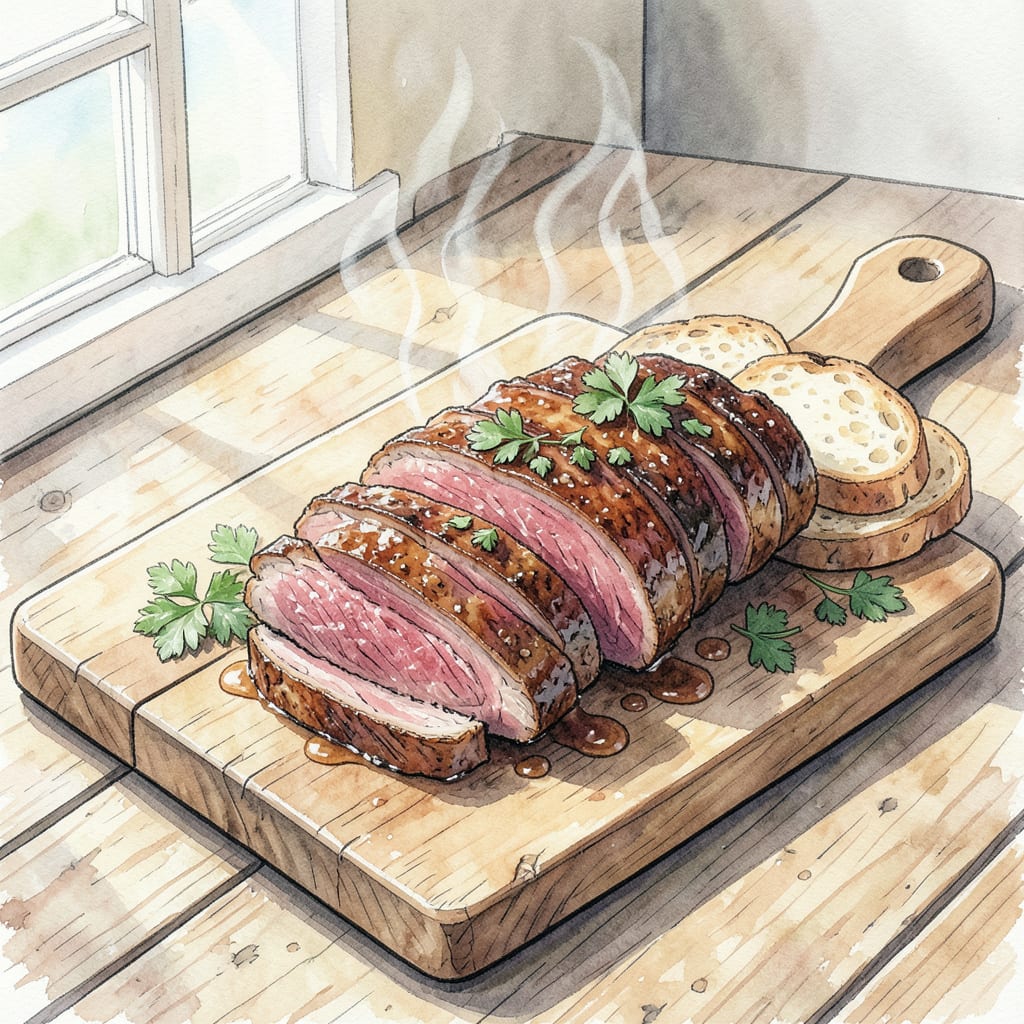
I’ve spent years perfecting low-and-slow brisket on my Weber kettle BBQ, and I’m excited to share this tender masterpiece with you. The secret lies in precise temperature control and careful wood selection, resulting in a tender brisket that’s sure to impress.
Cooking at 225°F for several hours transforms the tough brisket into a melt-in-your-mouth delicacy, while the Weber kettle’s unique heat distribution ensures consistent results. With this recipe, you’ll achieve that perfect balance of smoky flavor and tender texture that’ll make your next backyard cookout unforgettable.
Ingredients for Weber Kettle Bbq Recipe Brisket
Gather these premium ingredients for a show-stopping Weber kettle BBQ brisket experience.
| Ingredient | Amount | Notes |
|---|---|---|
| Beef Brisket 🥩 | 2 ½ lb | Whole brisket, preferably flat cut |
| Kosher Salt 🧂 | 2 tbsp | Diamond Crystal or similar flake salt |
| Black Pepper 🌶️ | 1 tbsp | Freshly ground black peppercorns |
| Brown Sugar 🍮 | 2 tbsp | Dark brown for richer flavor |
| Smoked Paprika 🌿 | 1 tbsp | For smoky depth |
| Garlic Powder 🧄 | 1 tsp | Not garlic salt |
| Onion Powder 🧅 | 1 tsp | Adds savory depth |
| Chili Powder 🌶️ | 1 tsp | Mild or hot as preferred |
| Apple Cider Vinegar 🍎 | ¼ cup | For moisture and tang |
| Beef Broth 🍜 | 1 cup | Low-sodium for better control |
| Wood Chips 🌲 | 2 cups | Soaked in water for 30 minutes |
| Olive Oil 🫒 | 2 tbsp | For brisket coating |
[recipe_ingredient_scaler]
The brisket cut matters—look for flat cut at your local butcher or higher-end grocery stores like Whole Foods. Quality beef makes all the difference here. If you can’t find flat cut, ask your butcher to trim it for you.
No apple cider vinegar? White wine vinegar or lemon juice works as a substitute. For the wood chips, hickory or mesquite are classics, but feel free to experiment with different flavors. If you’re using a different type of wood, adjust the amount based on its strength.
This brisket keeps beautifully—4-5 days in the fridge, 3 months frozen. Reheat slowly, wrapped tightly in foil, at 250°F. The leftovers make amazing sandwiches, so plan accordingly.
Step-by-Step Instructions for Weber Kettle BBQ Brisket
Mastering tender brisket on your Weber kettle is easier than you think – let’s get started.
Step 1: Prepare the Brisket for Smoking
Begin by trimming any excess fat from the 2.5 lb Beef Brisket, leaving about ¼ inch of fat on the surface. This helps the rub adhere and promotes better bark formation. Next, mix together 2 tbsp Kosher Salt, 1 tbsp Black Pepper, 2 tbsp Brown Sugar, 1 tbsp Smoked Paprika, 1 tsp Garlic Powder, 1 tsp Onion Powder, and 1 tsp Chili Powder in a small bowl. Apply this dry rub evenly to both sides of the brisket, making sure to coat it thoroughly. Let the brisket sit at room temperature for 1 hour to allow the meat to relax and the rub to adhere.
While the brisket is resting, prepare your Weber kettle by setting it up for indirect heat. You’ll want to place a water pan in the kettle to add moisture and help regulate the temperature. Fill the water pan with 1 cup Beef Broth and 0.25 cup Apple Cider Vinegar – this mixture will add depth to your brisket. Preheat your kettle to 225-250°F using your preferred method of charcoal arrangement.
Step 2: Smoke the Brisket to Perfection
Once your Weber kettle is preheated and ready, place the brisket on the grill fat-side up. Add 2 cups Wood Chips that have been soaked in water for 30 minutes to the coals to generate smoke. Close the lid and let the brisket smoke undisturbed for 4-5 hours, or until it reaches an internal temperature of 160-170°F. During this time, you’ll need to replenish the charcoal and wood chips as needed to maintain the temperature and smoke levels. I like to check on the brisket every 30 minutes to ensure everything is running smoothly.
As the brisket smokes, you’ll notice it going through a “stall” phase where the temperature seems to plateau. Don’t worry – this is normal. The brisket is simply releasing moisture, which temporarily slows down the cooking process. To help push through this stall, you can wrap the brisket in foil or butcher paper once it reaches 160°F. This technique, known as the “Texas Crutch,” helps retain moisture and promotes tender meat.
Step 3: Finish and Rest the Brisket
After 4-5 hours of smoking, check the brisket’s internal temperature. Once it reaches 200-205°F and is probe-tender, remove it from the heat. Let the brisket rest wrapped in foil or butcher paper for at least 1 hour before slicing. This resting period allows the juices to redistribute throughout the meat, ensuring that every slice is tender and flavorful. When you’re ready to slice, cut against the grain using a sharp knife, and serve with your favorite barbecue sides.
Dietary Considerations for These Flavors
Gluten-Free Status
This Weber Kettle BBQ Brisket recipe is naturally gluten-free, making it an excellent choice for those with gluten intolerance or sensitivity. The dry rub ingredients like smoked paprika and garlic powder are typically gluten-free, but always check the labels to ensure they’re processed in a gluten-free facility.
Keto and Low-Carb Adaptations
To make this recipe keto-friendly, focus on using a sugar-free dry rub. Replace the brown sugar with a keto-approved sweetener like erythritol or stevia. The brisket itself is a great keto protein source. For low-carb variations, be mindful of the beef broth and ensure it’s low in carbs or make your own.
Dairy-Free Considerations
This brisket recipe is inherently dairy-free. The ingredients don’t include any dairy products, making it suitable for those with dairy allergies or intolerances. Just be cautious with any store-bought beef broth that might contain dairy derivatives.
Other Dietary Notes
While this recipe is quite adaptable, there are a few considerations. The apple cider vinegar adds a tangy flavor but is acidic, so those with acid reflux might want to reduce the amount or substitute with a milder vinegar. The wood chips used for smoking are typically safe, but ensure you’re using food-grade smoking wood.
Customizing for Specific Diets
For a paleo version, ensure your dry rub ingredients are compliant and avoid any processed broths. For a Whole30 adaptation, check that your beef broth and apple cider vinegar are compliant with the program’s rules. Always read labels carefully to avoid any non-compliant ingredients.
Storage and Leftovers
When storing leftovers, this brisket keeps well in an airtight container in the refrigerator for 4-5 days. You can also freeze it for up to 3 months. When reheating, do so gently at 250°F to maintain the tender texture.

Trained in classic French technique but raised on slow-cooked ribs and spicy rubs, she blends culinary skill with smoke and soul.
- Recipe for Boneless Pork Chops in Cast Iron Skillet: Sear and Baste to Juicy Perfection - October 3, 2026
- Recipe for Boneless Cross Rib Roast: Slow-Roasted Beef with Herb Crust - October 3, 2026
- Hamburgers in Sauce Recipe Crock Pot: Slow-Cooked Savory Delight - October 3, 2026